

St. Gallen, an enchanting cultural hub nestled in eastern Switzerland between Lake Constance and the Appenzell Alps, combines centuries of monastic history with vibrant urban charm. Founded in the 7th century around the hermitage of the Irish monk Gallus, the city grew into one of Europe’s most influential centers of learning and fine textile craftsmanship. Whether you plan to visit St Gallen for its medieval architecture or scenic alpine trails, timing your journey ensures the best balance of pleasant weather, local festivals, and manageable crowds.
Quick Answer
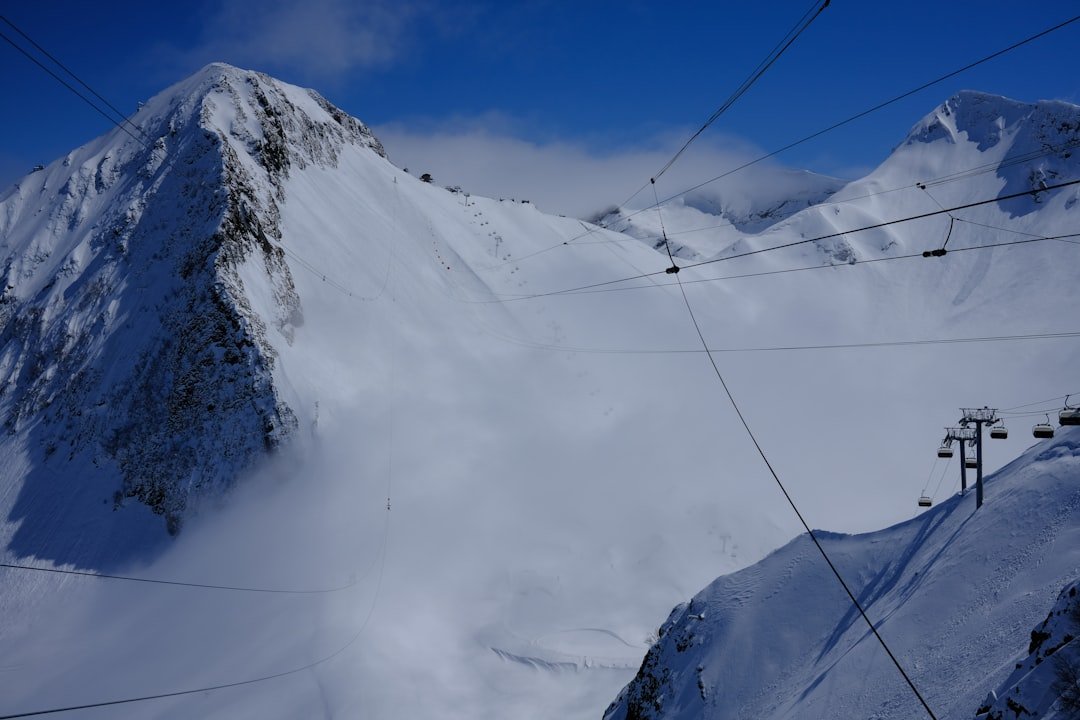
The best time to visit St Gallen is between June and September for warm temperatures (averaging 19°C to 24°C) ideal for sightseeing, hiking, and open-air concerts. For fewer crowds and lower hotel rates, visit during shoulder months like May or October. Winter attracts visitors for festive Christmas markets and nearby Appenzell ski slopes.
Last checked: September 30, 2026. Dates and figures were verified against official sources.
Key Takeaways
- Prime Summer Season: June through August delivers long daylight hours, vibrant street cafes, and outdoor events like the St. Galler Festspiele, though afternoon rain showers are common.
- Heritage & Architecture: The Abbey Precinct of St. Gall is an official UNESCO World Heritage site, home to a world-renowned Baroque cathedral and rococo monastic library.
- Autumn Traditions: October brings vibrant fall foliage across the hillsides alongside the 11-day OLMA agricultural fair, Switzerland’s largest public autumn festival.
- Winter Magic: From late November through December, over 700 illuminated stars hang above the old town during the famous “Sternenstadt” Advent celebrations.
The historical core of the city is anchored by the monastic precinct, recognized worldwide for its architectural integrity and scholarly heritage. Within the complex, the Abbey Library of St. Gall safeguards roughly 170,000 volumes, including rare Carolingian manuscripts that draw historians and casual travelers alike. Beyond the abbey walls, winding cobblestone streets feature colorful oriel windows (erker) and historic guild houses that reflect the wealth generated by the regional linen and embroidery trade.
Weather and Climate in St. Gallen
St. Gallen sits at an elevation of approximately 675 to 770 meters (2,215 to 2,525 feet) above sea level, giving it a moderate, sub-alpine climate with four distinct seasons. According to long-term climate normals from the Federal Office of Meteorology and Climatology MeteoSwiss, the city experiences cooler average temperatures and higher annual precipitation than low-lying Swiss plateau cities like Zurich or Basel.
Winters (December to February) bring frequent frosty mornings and recurring snowfall, with typical daily highs around 2°C to 4°C and lows averaging -2°C to -4°C. As spring unfolds between March and May, daytime highs climb from 8°C up to 18°C. Summers (June to August) are pleasantly warm without becoming stifling, with typical daytime temperatures hovering around 21°C to 24°C, though convective afternoon thundershowers make packing a waterproof jacket sensible. Autumn cools steadily, dropping from an agreeable 18°C in September to brisk single digits by November.
| Season | Months | Average Daytime Temp | Precipitation & Conditions | Ideal For |
|---|---|---|---|---|
| Spring | March – May | 8°C to 17°C (46°F to 63°F) | Moderate rain; snow melts in lower hills | Museum tours, low-elevation walking, spring blooms |
| Summer | June – August | 21°C to 25°C (70°F to 77°F) | Warm, sunny intervals with afternoon storms | Alpine hiking, outdoor swimming, cultural festivals |
| Autumn | September – November | 7°C to 18°C (45°F to 64°F) | Crisp breezes; occasional valley fog (Hochnebel) | Foliage viewing, wine tastings, culinary fairs |
| Winter | December – February | 1°C to 4°C (34°F to 39°F) | Cold temperatures, frequent frost and snow | Christmas markets, cross-country skiing, Appenzell day trips |
Peak Tourist Seasons in St. Gallen

St. Gallen experiences two distinct peak travel periods during the calendar year: the warm summer window spanning late June through August, and the festive December holiday weeks. During summer, domestic and international travelers arrive to explore outdoor attractions, dine along the pedestrianized Marktgasse, and attend open-air cultural performances.
A second peak unfolds in late autumn and winter. The city’s famous Christmas market, running from late November through Christmas Eve, pairs with the installation of over 700 fourteen-pointed illuminated stars suspended above the medieval lanes. In October, the annual OLMA agricultural fair draws over 300,000 attendees across eleven days, causing hotels within the city center to sell out months in advance. Travelers visiting during either peak should reserve accommodations well ahead of time to avoid premium rates.
Pro Tip: If your stay coincides with the annual OLMA fair in mid-October, book accommodation along the S-Bahn line in neighboring towns like Rorschach or Gossau to avoid steep hotel surcharges in the city center.
Off-Peak and Shoulder Seasons in St. Gallen
The shoulder and off-peak months offer substantial value and relaxed sightseeing for travelers seeking quieter streets. Spring (March through May) and early autumn (September to mid-October, excluding OLMA dates) present comfortable temperatures, blooming gardens, and shorter lines at major cultural institutions.
Late autumn (November) and deep winter (January through February) represent true off-peak travel periods in terms of urban sightseers. While ski areas in nearby Appenzell Ausserrhoden remain active, city hotels frequently discount rooms, and admission queues vanish entirely. However, visitors should verify opening hours for specific museum galleries and mountain transport, as some facilities conduct scheduled maintenance during late autumn and early spring.
| Month | Crowd Level | Weather Character | Travel Advantage |
|---|---|---|---|
| January | Low | Cold, freezing mornings, snow likely | Lowest lodging rates, quiet museums |
| February | Low | Crisp winter conditions, snow flurries | Easy access to Appenzell cross-country trails |
| March – April | Moderate-Low | Transitional, warming days, intermittent rain | Pleasant city walks without tourist congestion |
| November | Low (early) / Moderate (late) | Chilly, fog common, late month light displays | Early access to Christmas markets from late November |
Special Events and Festivals in St. Gallen
St. Gallen’s annual calendar showcases a strong mix of high-culture performing arts, traditional agricultural gatherings, and popular open-air celebrations. Coordinating your itinerary with these key events can add memorable local encounters to your stay.
- St. Galler Festspiele (June – July): An acclaimed classical festival staged by Theater St. Gallen. Opera productions are historically performed against the Baroque cathedral backdrop or on dedicated festival stages, complemented by cathedral choir concerts and contemporary dance.
- OpenAir St. Gallen (Late June): Held along the Sitter River in the Sittertobel valley, this four-day gathering is one of Switzerland’s oldest and largest open-air music festivals, welcoming roughly 110,000 music fans.
- Museum Night (Early September): St. Gallen’s cultural institutions, including the Textile Museum and Kunstmuseum, keep their doors open until late evening with special tours, live music, and interactive workshops on a single admission wristband.
- OLMA – Swiss Fair for Agriculture and Food (Mid-October): Founded in 1943, this 11-day celebration at the Olma Messen exhibition halls highlights Swiss farming, livestock presentations, regional cheese and wine tastings, and the famous pig races.
- Sternenstadt St. Gallen Christmas Market (Late November – December 24): Centered around the Waaghaus, Bohl, and Marktgasse, dozens of decorated wooden chalets offer artisan crafts, spiced Glühwein, and traditional Appenzeller raclette under 700 custom-designed illuminated stars.
Outdoor Activities and Sightseeing Opportunities

St. Gallen offers an expansive natural playground right at its doorstep. Elevated immediately south of the old town lie the Drei Weieren (Three Ponds), a chain of historic artificial water reservoirs created during the textile boom. Today, the park serves as a beloved city recreation area featuring Art Nouveau wooden bathhouses, scenic walking paths, and panoramic views stretching across St. Gallen toward Lake Constance. General park access is entirely free, while the family bathing facilities operate seasonally during the warm summer months.
Cycling enthusiasts can take advantage of Eastern Switzerland’s interconnected routes, including the paved Bodensee-Radweg (Lake Constance Cycle Path) located just 15 minutes away by train in Rorschach. The flat, 260-kilometer lakeside loop passes orchards, castles, and wetlands across three nations: Switzerland, Germany, and Austria.
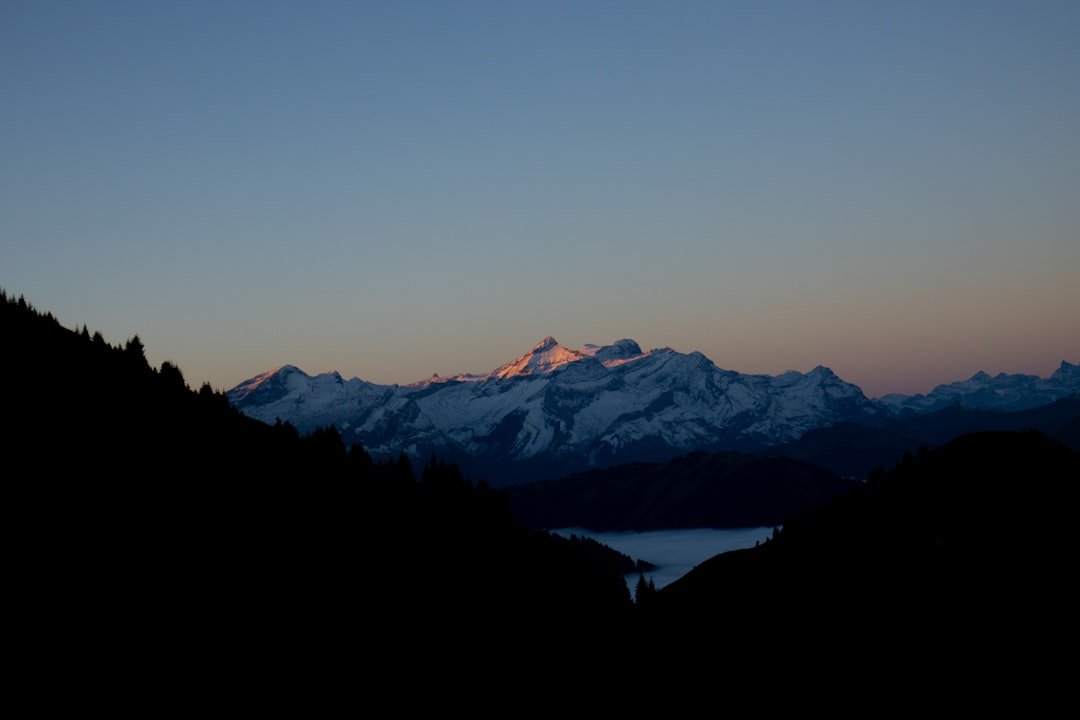
Note: Mount Säntis (2,502 m) is the highest peak in the Alpstein massif and offers views spanning six countries from its summit. If you plan to ascend Säntis via the Schwägalp aerial cable car, check operating schedules beforehand, as the lift infrastructure undergoes periodic scheduled renovations.
Accommodation and Travel Logistics for St. Gallen
St. Gallen is an easily walkable city with an integrated, high-frequency public transportation system. The city network is operated by Verkehrsbetriebe St.Gallen (VBSG), providing extensive trolleybus and motorbus lines connecting the main railway station (St. Gallen Bahnhof) to all city districts and recreation zones every 6 to 15 minutes.
When selecting lodging, booking within the pedestrianized old town or adjacent to the main railway station puts the Abbey District, museums, and dining venues within a 10-minute stroll. If visiting during summer weekends or major conventions, reserve your hotel 2 to 3 months early. Travelers arriving by train can reach St. Gallen from Zurich Central Station or Zurich Airport (ZRH) in just under an hour on direct Swiss Federal Railways (SBB) InterCity services.
Pro Tip: Overnight guests in participating accommodations throughout the canton receive the regional mobility ticket or guest card, granting free public transport on buses and local trains across designated fare zones in Eastern Switzerland.
Frequently Asked Questions
How many days do you need to visit St. Gallen?
Two full days provide ample time to visit the UNESCO Abbey District, tour the Textile Museum, and walk around the Drei Weieren ponds. Adding a third day allows for a scenic excursion to Lake Constance or the Appenzell hill country.
Is St. Gallen worth visiting in winter?
Yes, St. Gallen is especially charming in December when the Sternenstadt Christmas market illuminates the old town with hundreds of stars. Snow regularly blankets the historic center, and nearby Appenzell ski areas are accessible in less than an hour.
Do you need a car to explore St. Gallen?
No, you do not need a car to explore St. Gallen. The historic core is completely pedestrianized, and VBSG trolleybuses and buses connect all major sights, while regional S-Bahn trains quickly reach Lake Constance and Appenzell.
What is St. Gallen’s most famous culinary specialty?
The city’s most renowned food is the St. Galler Bratwurst, a veal-and-milk sausage with Protected Geographical Indication (PGI) status. By local custom, it is eaten strictly with a crusty Bürli bread roll and never with mustard.
Conclusion and Travel Recommendations
St. Gallen effortlessly brings together UNESCO-listed cultural masterworks, authentic culinary traditions, and easy access to alpine scenery. For optimal outdoor activities, plan your stay between June and September when garden cafes and walking trails are at their peak. If you prefer crisp festive charm, visit during December’s Sternenstadt illumination. With an efficient regional rail network, a compact pedestrian center, and an abundance of historical treasures, St. Gallen rewards travelers year-round.
Sources
- UNESCO World Heritage Centre: Inscription and historical profile of the Convent of St Gall
- Stiftsbibliothek St. Gallen: Official visitor information and manuscript preservation archives
- MeteoSwiss: National climate normals and seasonal temperature data for Eastern Switzerland
- St.Gallen-Bodensee Tourism: Regional tourist guides, events calendar, and Drei Weieren information
- Verkehrsbetriebe St.Gallen (VBSG): Urban route maps, trolleybus schedules, and city transit documentation


[…] For most first-time visitors, one full sightseeing day is enough for the Abbey District, Old Town, a museum, and Drei Weieren. Stay two nights or longer if you want to use St. Gallen as a base for Appenzell, Lake Constance, or slower museum visits. For seasonal planning, see this guide to the best time to visit St Gallen. […]
[…] is included. If your dates are flexible, compare seasonal demand as well. The separate guide to the best time to visit St Gallen can help with […]
[…] you are still deciding which month to travel, see our separate guide to the best time to visit St Gallen rather than trying to turn this itinerary into a full seasonal […]