

Trummelbach Falls, a stunning natural wonder nestled in the heart of the Swiss Alps, is a series of impressive waterfalls located within the Lauterbrunnen Valley. These falls are unique in that they are the only accessible waterfalls in Europe that are fed by a glacier. The water cascades down through the mountain, creating a spectacular display of nature’s power and beauty.
The falls are part of the Trummelbach River, which drains the glaciers of the Eiger, Mönch, and Jungfrau mountains, contributing to the breathtaking scenery that attracts visitors from around the globe. The falls themselves are a series of ten glacial waterfalls, each with its own distinct character and charm. Visitors can explore these cascades via a network of tunnels and walkways that have been ingeniously carved into the rock.
This allows for an up-close experience with the thundering water as it tumbles down the cliffs, creating a mesmerizing spectacle. The sound of rushing water fills the air, and the mist generated by the falls adds an ethereal quality to the surroundings. The combination of dramatic landscapes and powerful waterfalls makes Trummelbach Falls a must-visit destination for nature lovers and adventure seekers alike.
Key Takeaways
- Trummelbach Falls is a series of impressive waterfalls located in the Lauterbrunnen Valley in Switzerland, accessible by a tunnel lift.
- The weather in the area is generally mild, with cool summers and cold winters, making it a great destination for outdoor activities.
- The peak tourist season at Trummelbach Falls is during the summer months, from June to August, when the weather is warm and the falls are at their most powerful.
- The off-peak season, from September to May, offers fewer crowds and lower prices, making it a great time to visit for a more peaceful experience.
- The best time for photography at Trummelbach Falls is during the spring and early summer, when the surrounding landscape is lush and green, and the falls are at their most dramatic.
Weather and Climate
The weather in the Lauterbrunnen Valley, where Trummelbach Falls is located, is characterized by its alpine climate, which can vary significantly throughout the year. Summers are generally mild and pleasant, with average temperatures ranging from 15°C to 25°C (59°F to 77°F). This season is marked by longer daylight hours, making it an ideal time for outdoor activities such as hiking and exploring the falls.
However, summer can also bring occasional thunderstorms, which can enhance the flow of water in the falls, creating an even more dramatic display. In contrast, winters in this region can be quite harsh, with temperatures often dropping below freezing. Snowfall is common, transforming the landscape into a winter wonderland.
While Trummelbach Falls remains accessible during winter months, visitors should be prepared for colder conditions and potential icy paths. The snow-capped peaks surrounding the falls provide a stunning backdrop, but the experience of witnessing the falls in winter is markedly different from that in summer. The combination of ice and water creates unique formations that can be just as captivating as the summer cascades.
Peak Tourist Season
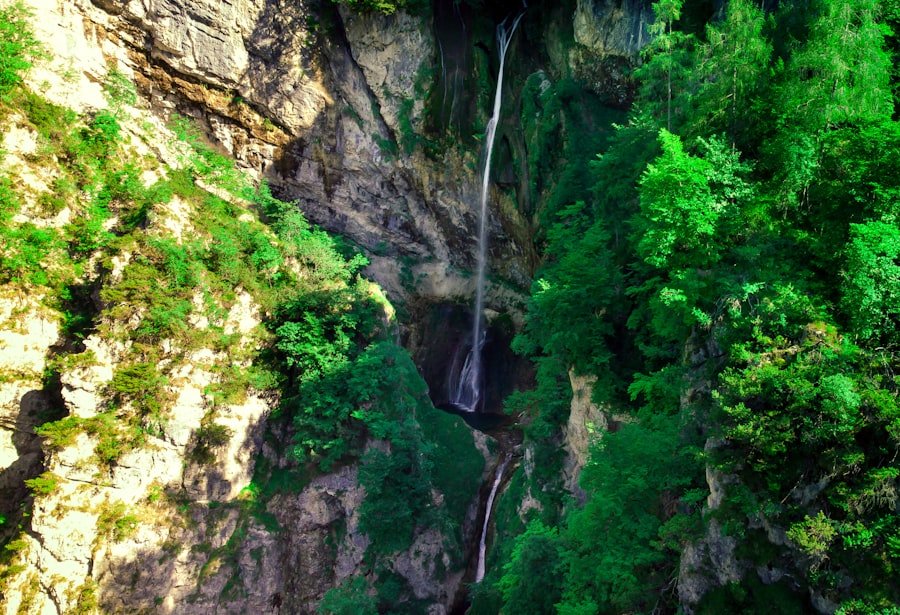
The peak tourist season at Trummelbach Falls typically occurs during the summer months, particularly from June to August. This period coincides with school holidays in many countries, leading to an influx of families and travelers eager to explore the natural beauty of the Swiss Alps. During these months, the falls are at their most powerful due to melting glaciers, resulting in a spectacular display of rushing water.
The trails and viewing platforms are bustling with visitors, creating a vibrant atmosphere filled with excitement and adventure. During peak season, various amenities are available to enhance the visitor experience. Guided tours are often offered, providing insights into the geological formations and history of the falls.
Additionally, local businesses thrive during this time, offering everything from souvenirs to refreshments. However, it is essential for visitors to plan ahead during peak season, as accommodations can fill up quickly and popular spots may become crowded. Arriving early in the day or later in the afternoon can help mitigate some of these challenges while still allowing for an unforgettable experience.
Off-Peak Season
| Metrics | Off-Peak Season |
|---|---|
| Number of Visitors | Decreases |
| Hotel Occupancy | Lower |
| Flight Prices | Cheaper |
| Attraction Wait Times | Shorter |
Visiting Trummelbach Falls during the off-peak season can offer a completely different experience compared to the bustling summer months. The shoulder seasons of spring (April to May) and autumn (September to October) present unique opportunities for those seeking a quieter encounter with nature. During these times, fewer tourists visit the falls, allowing for a more intimate experience with the stunning landscapes and powerful cascades.
In spring, as snow begins to melt and flowers start to bloom, visitors can witness the rejuvenation of nature. The waterfalls may not be at their peak flow compared to summer, but they still offer a captivating sight as they begin to swell with melting snow.
The cooler temperatures make for comfortable hiking conditions, and visitors can enjoy breathtaking views without the crowds that characterize peak season.
Best Time for Photography
For photography enthusiasts, Trummelbach Falls presents a myriad of opportunities to capture stunning images throughout the year.
Early morning or late afternoon is often considered the best time for photography due to the soft golden light that bathes the landscape during these hours.
This natural lighting enhances colors and adds depth to photographs, making it ideal for capturing both wide-angle shots of the falls and close-ups of intricate details. Additionally, spring and early summer can be particularly rewarding for photographers due to the increased water flow from melting glaciers. The powerful cascades create dramatic scenes that can be beautifully captured with long exposure techniques, resulting in silky smooth water effects against rugged rock formations.
Conversely, winter offers unique photographic opportunities as well; ice formations around the falls create a stark contrast against flowing water, allowing for striking compositions that highlight nature’s duality.
Special Events and Festivals
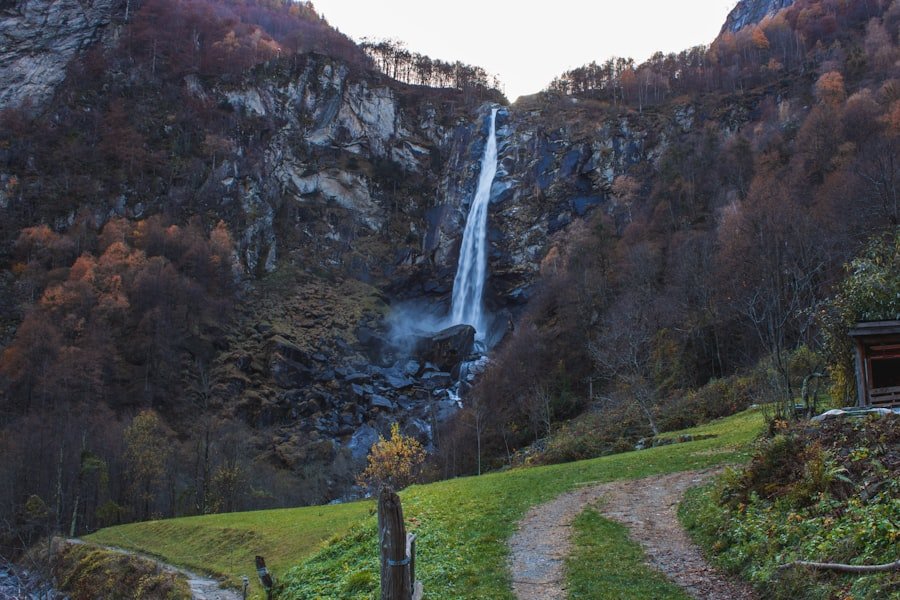
While Trummelbach Falls itself may not host specific events or festivals, its proximity to Lauterbrunnen Valley means that visitors can partake in various local celebrations throughout the year. One notable event is the Lauterbrunnen Valley Music Festival held annually in late summer. This festival showcases local talent and brings together musicians from various genres to perform against the stunning backdrop of the Alps.
Attending such events provides an opportunity to immerse oneself in Swiss culture while enjoying breathtaking views. Another significant event is the traditional Swiss Alpine Festival held in nearby villages during late summer or early autumn. These festivals often feature local crafts, traditional foods, and folk music performances that celebrate Swiss heritage.
Participating in these events allows visitors to connect with local communities while experiencing authentic Swiss culture amidst the stunning natural beauty surrounding Trummelbach Falls.
Tips for Visiting Trummelbach Falls
When planning a visit to Trummelbach Falls, there are several practical tips that can enhance your experience. First and foremost, it is advisable to wear sturdy footwear suitable for walking on uneven terrain. The paths leading to and around the falls can be slippery due to mist and water runoff, so good grip is essential for safety.
Additionally, dressing in layers is recommended as temperatures can fluctuate throughout the day; mornings may be cool while afternoons can become quite warm. Another important consideration is timing your visit strategically. Arriving early in the morning or later in the afternoon not only helps avoid crowds but also allows for better lighting conditions for photography enthusiasts.
Furthermore, taking advantage of guided tours can provide valuable insights into the geological significance of Trummelbach Falls and its surrounding environment. Lastly, don’t forget your camera; capturing this natural wonder will create lasting memories of your visit.
Conclusion and Final Recommendations
Trummelbach Falls stands as a testament to nature’s raw power and beauty within Switzerland’s breathtaking landscape. Whether you choose to visit during peak tourist season or opt for a quieter experience in off-peak months, this natural wonder offers something unique for every traveler. From its thundering cascades to its serene surroundings, Trummelbach Falls invites exploration and appreciation.
As you plan your visit, consider timing your trip around local events or festivals to enrich your experience further. With careful preparation—such as wearing appropriate footwear and arriving at optimal times—you can fully immerse yourself in this remarkable destination. Ultimately, Trummelbach Falls is not just a sight to behold; it is an experience that resonates deeply with those who venture into its majestic embrace.
When planning a visit to the breathtaking Trummelbach Falls, timing is everything to ensure you experience the full majesty of this natural wonder. The best time to visit is during the late spring to early autumn months when the snowmelt from the Jungfrau region is at its peak, creating a spectacular display of cascading water. For those interested in exploring more natural wonders, you might find it intriguing to delve into the delightful world of Asian melon, which offers a refreshing taste of nature’s bounty. You can read more about it in this related article: Exploring the Delightful World of Asian Melon.
FAQs
What are Trummelbach Falls?
Trummelbach Falls are a series of impressive waterfalls located in the Lauterbrunnen Valley in Switzerland. They are unique in that they are located inside a mountain and are fed by the melting snow and ice from the surrounding mountains.
When is the best time to visit Trummelbach Falls?
The best time to visit Trummelbach Falls is during the summer months, from June to September, when the snow and ice melt from the mountains, causing the waterfalls to be at their most powerful and impressive.
Are there any specific times of day that are best to visit Trummelbach Falls?
It is recommended to visit Trummelbach Falls early in the morning or later in the afternoon to avoid the crowds. The falls are open from 9:00 am to 5:00 pm, so visiting outside of peak hours can provide a more peaceful experience.
What should I wear when visiting Trummelbach Falls?
Visitors should wear comfortable walking shoes and dress in layers, as the temperature inside the mountain can be cooler than outside. It is also a good idea to bring a waterproof jacket, as the spray from the waterfalls can make the area damp.
Can I visit Trummelbach Falls during the winter months?
Trummelbach Falls are open year-round, but the winter months can bring icy conditions and reduced water flow, making the falls less impressive. It is still possible to visit during the winter, but the summer months offer the best experience.