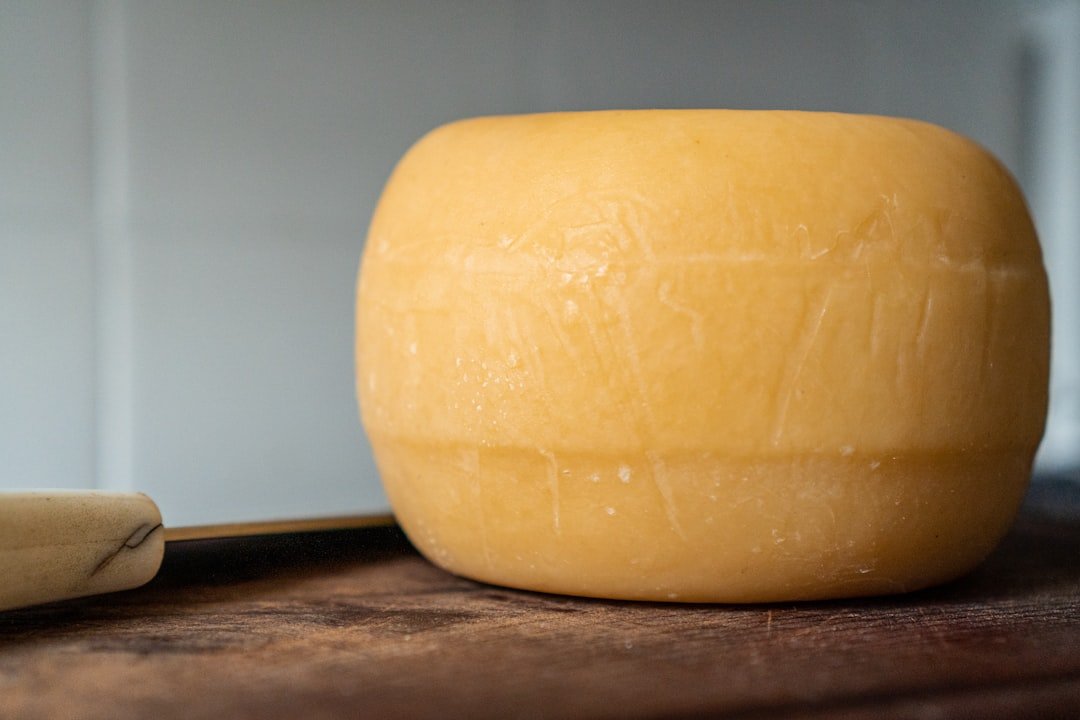
A mozzarella cheese block is one of the easiest forms of mozzarella to slice, cube, grate, and melt. In many grocery stores, a block is low-moisture mozzarella rather than the soft fresh balls stored in liquid, which makes it especially useful for pizza, baked pasta, sandwiches, and other hot dishes. Understanding the difference helps you choose the right mozzarella for each recipe.
Quick Answer
A mozzarella cheese block is usually low-moisture mozzarella shaped for slicing, cubing, or shredding. It is firmer and drier than fresh mozzarella packed in liquid, so it releases less water during cooking and works especially well on pizza, baked pasta, sandwiches, and casseroles. Keep it refrigerated and tightly wrapped after opening.
Key Takeaways
- Block mozzarella is commonly a low-moisture cheese, giving it a firmer texture and better shreddability than fresh mozzarella.
- Low-moisture mozzarella is generally the easier choice for pizza and baked dishes because it releases less liquid as it melts.
- Nutrition varies by milk and fat level, so whole-milk and part-skim blocks do not have identical calories or fat.
- Refrigerate mozzarella at 40°F (4°C) or below and follow the package’s storage and use-by instructions.
- Mozzarella may use animal, plant, or microbial clotting enzymes, so vegetarian suitability depends on the specific product.
What Is a Mozzarella Cheese Block?
A mozzarella cheese block is mozzarella formed into a firm loaf or rectangular block rather than sold as fresh balls in liquid. In the United States, many blocks are labeled low-moisture mozzarella or low-moisture part-skim mozzarella.
The lower water content gives block mozzarella a denser texture that is easier to slice and shred. Under the U.S. standard for low-moisture mozzarella, moisture is more than 45% but no more than 52% by weight. Low-moisture part-skim mozzarella uses the same basic standard but has a lower milkfat level in its solids.
This is different from the tender mozzarella balls often stored in brine or another packing liquid. Fresh mozzarella contains more moisture, tastes more delicate, and is often served uncooked or added to dishes where its softer texture is desirable.
The History of Mozzarella Cheese
Mozzarella has deep roots in southern Italy. Historical records cited by the official Mozzarella di Bufala Campana consortium describe monks at the monastery of San Lorenzo in Capua offering pilgrims a cheese called mozza or smoked provatura as early as the 12th century.
The name is connected to the Italian verb mozzare, meaning to cut or separate. It describes the traditional action of pinching or cutting pieces from stretched curd while shaping the cheese. The official history of Mozzarella di Bufala Campana also records 1570 as the first known written appearance of the word “mozzarella,” in a culinary work by Bartolomeo Scappi.
Buffalo-milk mozzarella became strongly associated with Campania and nearby areas, while cow’s-milk mozzarella later became widespread. Modern refrigeration, pasteurization, and large-scale dairy production made mozzarella easier to distribute far beyond its traditional production regions.
In the United States, mozzarella became especially familiar through the growth of pizza during the 20th century. Today, both fresh and low-moisture versions are used in homes, restaurants, and commercial food production around the world.
The Different Varieties of Mozzarella Cheese
Mozzarella varies mainly by milk, moisture level, fat content, and processing. Choosing the right type matters because each version behaves differently when sliced, eaten fresh, or exposed to high oven heat.
| Type | Texture | Best Uses |
|---|---|---|
| Fresh mozzarella | Soft, moist, delicate | Caprese salad, appetizers, fresh dishes, selected pizzas |
| Low-moisture block | Firm and easy to shred | Pizza, lasagna, baked pasta, casseroles, sandwiches |
| Smoked mozzarella | Varies by moisture, with a smoky flavor | Pizza, sandwiches, baked dishes, cheese boards |
Fresh Mozzarella
Fresh mozzarella is commonly sold in water, whey, or brine. It has a soft texture and mild, milky flavor, making it a natural match for tomatoes, basil, olive oil, and other fresh ingredients.
Its high moisture content also means it can release more water when heated. If you use it on pizza, draining and blotting excess surface moisture can help prevent a watery topping.
Low-Moisture Mozzarella
Low-moisture mozzarella is firmer and generally keeps its shape better while slicing or shredding. This is the style most people mean when they buy a mozzarella cheese block for pizza or baked pasta.
Because it contains less water than fresh mozzarella, it melts without releasing as much liquid. Its combination of melt, stretch, browning, and shreddability is one reason low-moisture mozzarella is widely used as pizza cheese.
Smoked Mozzarella and Its Culinary Uses
Smoked mozzarella adds a distinct smoky aroma while retaining mozzarella’s familiar creamy character. Depending on the product, it may be soft and moist or firmer and easier to grate.
It works well on pizza, in toasted sandwiches, with roasted vegetables, or on a cheese board. Because its flavor is stronger than plain mozzarella, a smaller amount can noticeably change a dish.
The Nutritional Benefits of Mozzarella Cheese
)
Mozzarella provides protein, calcium, phosphorus, vitamin B12, and other nutrients, but the exact amounts depend on the variety. Whole-milk, part-skim, fresh, and low-moisture products can differ substantially in calories, fat, sodium, and minerals.
For example, published nutrition data for 1 ounce of low-moisture part-skim mozzarella lists about 7.36 grams of protein, 207 milligrams of calcium, 149 milligrams of phosphorus, 5.68 grams of fat, and 150 milligrams of sodium.
Protein supports normal tissue maintenance and repair, while calcium and phosphorus contribute to normal bone and tooth structure. Part-skim mozzarella generally contains less fat than comparable whole-milk versions, although you should check the Nutrition Facts label because formulations vary.
Mozzarella is still a cheese, so saturated fat and sodium can be significant depending on the product and serving size. Rather than assuming one mozzarella is automatically a “low-fat” or “heart-healthy” food, compare labels if those nutrients matter to you.
Note: If you have a milk allergy, a medically prescribed sodium restriction, or another condition affected by dairy intake, ask your doctor or registered dietitian which cheese choices and portions fit your needs.
Cooking with Mozzarella Cheese
Mozzarella is valued in cooking because it can soften, flow, and stretch under heat without overwhelming other ingredients. For pizza and many baked dishes, a low-moisture block is particularly convenient because you can control the shred size and amount while limiting excess water.
| Recipe | Number of servings | Preparation time | Calories per serving |
|---|---|---|---|
| Mozzarella Stuffed Meatballs | 4 | 30 minutes | 350 |
| Mozzarella and Tomato Panini | 2 | 15 minutes | 400 |
| Mozzarella and Pesto Stuffed Chicken | 4 | 40 minutes | 300 |
The figures above are recipe examples from the original article rather than standardized recipes, so actual preparation time and calories will vary with ingredients, quantities, and serving size.
For pizza, shred the cheese and spread it evenly rather than forming a thick solid layer. Mozzarella also works well between layers of lasagna, over baked ziti, inside stuffed meatballs or chicken, and in hot sandwiches and panini.
You can also cube a mozzarella block for salads and snack plates or slice it for sandwiches. When baked, exposed areas may brown while the interior remains soft and stretchy.
Pro Tip: If a mozzarella block feels too soft to grate cleanly, chill it until firm before shredding. A firm block is easier to grate evenly and distribute across pizza or pasta.
Pairing Mozzarella Cheese with Different Foods
Mozzarella’s mild flavor works best with ingredients that add acidity, sweetness, salt, herbs, or smoke. Fresh mozzarella and low-moisture block mozzarella can pair with many of the same foods, although their textures create different results.
Fresh mozzarella is a classic partner for ripe tomatoes and basil in Caprese salad. Olive oil, black pepper, and a small amount of balsamic vinegar can add richness and acidity without hiding the cheese’s delicate flavor.
Fruits such as figs and peaches can also work with fresh mozzarella. Their sweetness contrasts with the cheese’s creamy, lightly salty character.
For a savory plate, mozzarella pairs with cured meats such as prosciutto or salami. A firmer block can be cubed for a snack board, while fresh mozzarella gives a softer contrast to meats, olives, vegetables, and bread.
Using Mozzarella Cheese in Italian Cuisine
)
The Iconic Pizza Napoletana
Mozzarella is central to many styles of Italian pizza. Pizza Napoletana commonly uses fresh mozzarella with tomato and basil, creating a very different result from a pizza topped with firmer low-moisture mozzarella.
If you are making pizza at home, choose the cheese according to the crust and oven. Fresh mozzarella delivers soft, milky pockets of cheese, while low-moisture mozzarella gives more even coverage, easier shredding, and less moisture release.
Lasagna and Beyond
Lasagna is another familiar use for mozzarella. The cheese is layered with pasta, sauce, and other cheeses, then baked until the layers bind together and the mozzarella melts.
The same principle applies to baked ziti, stuffed shells, eggplant dishes, and casseroles. A mozzarella cheese block is useful for these recipes because you can grate only the amount needed and choose a coarse or fine shred.
Mozzarella’s Melting Properties
Mozzarella belongs to the pasta-filata, or stretched-curd, family of cheeses. Its structure helps create the stretch associated with melted pizza cheese, although the exact melt, browning, and elasticity depend on moisture, fat, acidity, manufacturing, and storage.
Mozzarella is also used inside calzones and arancini, where heating softens the cheese into a molten center while the surrounding dough or rice provides structure.
Mozzarella Cheese in Other International Cuisines
Mozzarella is Italian in origin, but its mild flavor and melting ability make it adaptable to dishes from many cuisines. It is especially useful when a cook wants a neutral melting cheese rather than a strong aged-cheese flavor.
In Mexican-style cooking, mozzarella can be used in quesadillas and baked dishes when traditional melting cheeses such as Oaxaca or Chihuahua are unavailable. It is a substitute rather than a defining traditional cheese for those dishes.
For Middle Eastern-style flatbreads, mozzarella may be used alone or blended with more traditional cheeses. Its mildness lets herbs, za’atar, vegetables, and other toppings remain prominent.
Modern fusion cooking also uses mozzarella in burgers, filled breads, snacks, and other cross-cultural dishes. Its biggest advantage in these applications is predictable melt and a mild flavor that combines easily with sauces and seasonings.
How to Store Mozzarella Cheese
Storage depends on whether you have fresh mozzarella in liquid or a low-moisture mozzarella cheese block. Both should be kept cold, but the packaging that protects their texture is different.
Keep refrigerated dairy foods at 40°F (4°C) or below. Follow the product’s use-by date and any storage directions on its package.
Storing Fresh Mozzarella
If fresh mozzarella came packed in liquid, keep the remaining cheese in its original liquid and a tightly closed container unless the manufacturer instructs otherwise. The liquid helps protect the cheese from drying out and losing its soft texture.
Fresh mozzarella is perishable, so use it promptly after opening. If you are pregnant, immunocompromised, older, or otherwise at increased risk from foodborne illness, FDA guidance recommends choosing dairy products made with pasteurized milk.
Storing a Low-Moisture Mozzarella Block
Keep a block tightly wrapped or sealed in an airtight container after opening. Limiting air exposure helps prevent the surface from drying and reduces pickup of odors from other refrigerated foods.
If you freeze mozzarella, expect some loss of texture after thawing. Frozen and thawed cheese is generally more useful in cooked dishes than in applications where the uncooked texture matters.
Do not rely on smell alone to judge food safety. If mozzarella or another soft or shredded cheese develops unwanted mold, USDA guidance says to discard soft, shredded, sliced, or crumbled cheese with mold rather than simply cutting away the visible spot.
Making Homemade Mozzarella Cheese
Homemade mozzarella is made by coagulating milk into curds, draining whey, then heating and stretching the curd until it becomes smooth and elastic. Exact temperatures and ingredient quantities vary by recipe, so use a tested method rather than relying on a generic cheesemaking temperature.
One UC Cooperative Extension Master Food Preserver mozzarella lab uses a quick citric-acid-and-rennet method with whole milk that is not UHT-treated.
Warning: Mozzarella curd is heated until very hot before stretching. Use food-safe heat-resistant gloves and handle hot whey and curds carefully to avoid burns.
- Prepare the acid and rennet. The cited method dissolves 1½ teaspoons of citric acid in 1 cup of cool water and separately combines ¼ teaspoon of liquid rennet with ¼ cup of cool, non-chlorinated water.
- Add the milk. Pour the citric-acid solution into the pot, then add 1 gallon of whole milk that has not been UHT-treated.
- Heat to 90°F. Heat the milk slowly to 90°F (about 32°C), using a thermometer rather than estimating by touch.
- Add the rennet. Remove the pot from the heat, stir in the diluted rennet for about 30 seconds, then cover and leave the milk undisturbed for 5 to 10 minutes.
- Cut the curd. Once a custard-like curd has formed and whey has separated, cut the curd into roughly 1-inch sections.
- Heat to 105°F. Return the pot to the heat and gently stir while bringing the curd and whey to 105°F (about 41°C).
- Drain and heat the curd. Drain the whey. The cited quick method then heats the curd further until it reaches about 135°F (57°C) and is soft enough to stretch.
- Stretch and shape. Knead and stretch until the cheese looks smooth and shiny, add salt, shape it, and cool it promptly.
Traditional cultured mozzarella follows a different and usually longer acidification process, so these quick-method temperatures should not be applied automatically to every mozzarella recipe.
Mozzarella Cheese in Popular Culture
Mozzarella is closely associated with pizza, one of the reasons its long melted “cheese pull” has become a familiar visual in advertising, cooking programs, restaurants, and social media. The effect is not just decorative; it reflects the melting and stretching behavior that makes mozzarella useful for hot foods.
Cooking programs also frequently show the traditional stretching and shaping process because mozzarella changes visibly from separate curds into a smooth, elastic cheese. That transformation helps make cheesemaking easy to demonstrate on screen.
The Future of Mozzarella Cheese
Mozzarella production continues to include both traditional and industrial approaches. Protected regional products such as Mozzarella di Bufala Campana preserve established production traditions, while low-moisture mozzarella is engineered around practical qualities such as shredding, melt, stretch, browning, and refrigerated storage.
At the same time, manufacturers are developing plant-based products intended to provide mozzarella-like melting and stretching for people who avoid dairy. These are alternatives to dairy mozzarella rather than the same food, and their ingredients, protein content, flavor, and cooking behavior can differ substantially.
For home cooks, the basic choice remains simple: use fresh mozzarella when its moisture and delicate texture suit the dish, and choose a low-moisture mozzarella cheese block when you want easy shredding and dependable performance in baked food.
Frequently Asked Questions
What is a mozzarella cheese block?
A mozzarella cheese block is mozzarella formed into a firm loaf or block for slicing, cubing, or shredding. Many supermarket blocks are low-moisture cow’s-milk mozzarella, which makes them firmer and easier to grate than fresh mozzarella packed in liquid.
How is mozzarella cheese block made?
Mozzarella cheese block is made by coagulating milk into curds, separating much of the whey, then heating and stretching the curd until it becomes elastic. The cheese is shaped, cooled, salted as required, and packaged, with low-moisture versions processed to contain less water than fresh mozzarella.
What are the uses of mozzarella cheese block?
Mozzarella cheese block is especially useful for pizza, lasagna, baked pasta, casseroles, hot sandwiches, stuffed meatballs, and other dishes that need a mild melting cheese. You can also slice it for sandwiches or cube it for salads and snack plates.
How should mozzarella cheese block be stored?
Mozzarella cheese block should be refrigerated at 40°F (4°C) or below and kept tightly wrapped or sealed after opening. Follow the use-by date and storage instructions on the package, and discard the cheese if unwanted mold develops.
Is mozzarella cheese block suitable for vegetarians?
Some mozzarella cheese blocks are suitable for vegetarians, while others use animal-derived rennet. U.S. mozzarella standards permit animal, plant, or microbial clotting enzymes, so check for a vegetarian label or ask the manufacturer if the ingredient list only says “enzymes.”
Is block mozzarella the same as fresh mozzarella?
Block mozzarella and fresh mozzarella are related but usually have different moisture levels and textures. A typical low-moisture block is firmer and easier to shred, while fresh mozzarella is softer, contains more water, and is commonly sold in a packing liquid.
Can you freeze a mozzarella cheese block?
A mozzarella cheese block can be frozen, but freezing and thawing may change its texture. Thawed mozzarella is generally best used in cooked dishes such as pizza, pasta, or casseroles where a small texture change is less noticeable.
Sources
- Consorzio di Tutela Mozzarella di Bufala Campana DOP: Historical records, origin of the name, and the 1570 written reference to mozzarella.
- 21 CFR § 133.156 — Low-Moisture Mozzarella and Scamorza Cheese: U.S. composition standard and permitted clotting enzymes.
- University Hospitals Nutrition Facts: Protein, fat, calcium, phosphorus, and sodium values for low-moisture part-skim mozzarella.
- USDA Food Safety and Inspection Service — Refrigeration and Food Safety: Recommended refrigerator temperature and refrigerated food handling.
- USDA Food Safety and Inspection Service — Molds on Food: Guidance for mold on soft, shredded, and sliced cheeses.
- U.S. Food and Drug Administration — Dairy and Eggs Food Safety: Pasteurized dairy and refrigeration guidance for people at higher risk of foodborne illness.
- UC Cooperative Extension Master Food Preserver Mozzarella Lab: Tested quick-mozzarella ingredients, temperatures, curd formation, stretching, and cooling procedure.