

White guava, scientifically known as Psidium guajava, is a tropical fruit that has gained popularity for its unique flavor and numerous health benefits. Native to Central America and the Caribbean, this fruit has spread to various parts of the world, thriving in warm climates. The white guava is characterized by its smooth, pale green or yellow skin and its creamy white flesh, which is dotted with tiny edible seeds.
Its sweet, aromatic flavor makes it a favorite among fruit lovers, and it is often enjoyed fresh or incorporated into various culinary creations. The guava tree itself is a hardy plant that can grow up to 10 meters tall, producing fruit year-round in optimal conditions. The tree’s leaves are dark green and glossy, providing a striking contrast to the delicate flowers that bloom before the fruit appears.
These flowers are not only beautiful but also attract pollinators, contributing to the tree’s reproductive success. As a fruit that is both delicious and versatile, white guava has found its way into the diets of many cultures, celebrated for its taste and nutritional profile.
Key Takeaways
- White guava is a tropical fruit known for its sweet and fragrant flavor, and it is packed with essential nutrients and health benefits.
- White guava is rich in vitamin C, fiber, and antioxidants, which can help boost immunity, aid digestion, and promote overall health.
- When selecting white guava, look for fruits that are firm, free of blemishes, and have a fragrant aroma. Store them at room temperature until ripe, then refrigerate to extend their shelf life.
- White guava can be enjoyed fresh, juiced, blended into smoothies, or used in salads, desserts, and savory dishes for a delicious and nutritious addition to your diet.
- From white guava sorbet to guava salsa, there are numerous recipes that showcase the versatility and sweetness of white guava in both sweet and savory dishes.
The Health Benefits of White Guava
White guava is often hailed as a superfood due to its impressive array of health benefits. One of the most notable advantages of consuming this fruit is its high vitamin C content. A single serving of white guava can provide more than double the daily recommended intake of this essential nutrient, which plays a crucial role in boosting the immune system, promoting skin health, and aiding in the absorption of iron from plant-based foods.
The antioxidant properties of vitamin C also help combat oxidative stress in the body, reducing the risk of chronic diseases. In addition to vitamin C, white guava is rich in dietary fiber, which is essential for maintaining digestive health. Fiber aids in regular bowel movements and can help prevent constipation.
Furthermore, it contributes to a feeling of fullness, making it an excellent choice for those looking to manage their weight. The presence of dietary fiber also helps regulate blood sugar levels, making white guava a suitable option for individuals with diabetes or those at risk of developing the condition. The fruit’s low glycemic index ensures that it does not cause rapid spikes in blood sugar, promoting overall metabolic health.
How to Select and Store White Guava
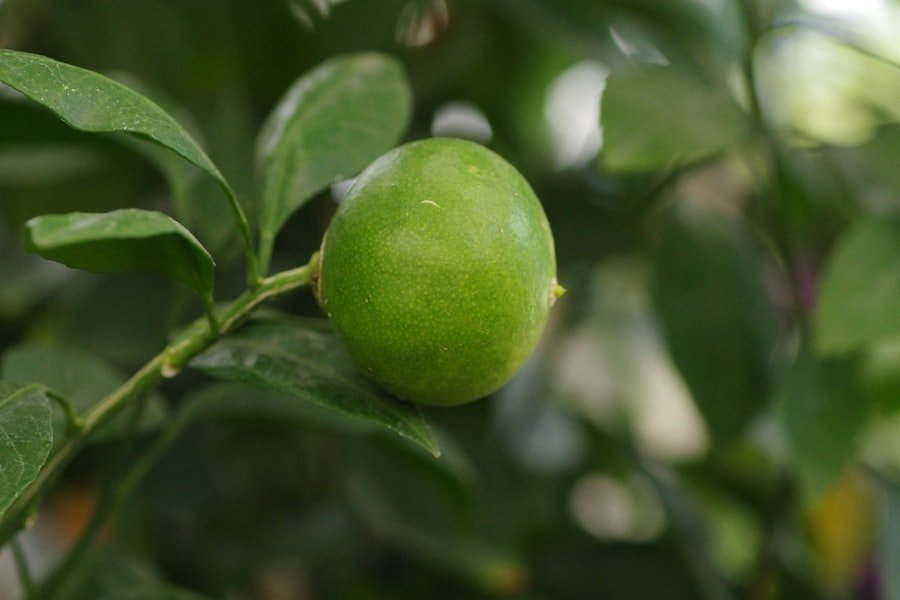
When selecting white guava at the market or grocery store, there are several factors to consider to ensure you choose the best fruit. Look for guavas that are slightly soft to the touch but not overly mushy. The skin should be smooth and free from blemishes or dark spots, indicating that the fruit is ripe and ready to eat.
A fragrant aroma is also a good sign; ripe guavas emit a sweet scent that signals their readiness for consumption. If you come across guavas that are still firm, you can allow them to ripen at room temperature for a few days until they reach the desired softness. Proper storage of white guava is essential to maintain its freshness and flavor.
If you have purchased ripe guavas, it is best to consume them within a few days for optimal taste and texture. To extend their shelf life, store them in the refrigerator, where they can last for up to a week. If you have unripe guavas, keep them at room temperature until they ripen, then transfer them to the fridge if you are not planning to eat them immediately.
For longer storage options, consider freezing guava slices or pureeing the fruit for use in smoothies or desserts later on.
Different Ways to Enjoy White Guava
| Ways to Enjoy White Guava | Description |
|---|---|
| Fresh | Simply cut the guava into slices and enjoy it fresh as a healthy snack. |
| Juice | Blend the guava with water and a sweetener to make a refreshing guava juice. |
| Smoothie | Combine guava with other fruits and yogurt to make a delicious and nutritious smoothie. |
| Salsa | Chop guava into small pieces and mix with onions, peppers, and lime juice for a unique salsa. |
| Salad | Add guava slices to a fruit salad for a tropical twist. |
The versatility of white guava allows it to be enjoyed in various forms and preparations. One of the simplest ways to savor this fruit is by eating it fresh. Simply wash the guava thoroughly, slice it in half or quarters, and enjoy its juicy flesh along with its crunchy seeds.
The natural sweetness of white guava makes it an excellent snack on its own or as part of a fruit salad. In addition to being eaten fresh, white guava can be incorporated into smoothies for a refreshing beverage packed with nutrients. Blending ripe guava with yogurt or milk, along with other fruits like bananas or mangoes, creates a deliciously creamy drink that is perfect for breakfast or as a post-workout refreshment.
Guava can also be used in desserts; its sweet flavor pairs well with ingredients like coconut milk or cream cheese in puddings and cheesecakes. Furthermore, white guava can be transformed into jams or jellies, allowing you to enjoy its taste year-round.
White Guava Recipes
There are countless ways to incorporate white guava into your culinary repertoire. One popular recipe is guava smoothie bowls, which combine ripe guava with yogurt or plant-based milk and are topped with granola, nuts, and fresh fruits. To make this dish, blend one ripe white guava with one cup of yogurt and a splash of milk until smooth.
Pour the mixture into a bowl and top it with your favorite toppings for a nutritious breakfast or snack. Another delightful recipe is guava salsa, which adds a tropical twist to traditional salsa dishes. To prepare this refreshing condiment, dice one ripe white guava and mix it with chopped red onion, jalapeño pepper, cilantro, lime juice, and salt.
This vibrant salsa pairs beautifully with grilled fish or chicken and can also be served with tortilla chips for a unique appetizer. For those with a sweet tooth, consider making guava cheesecake bars. Start by preparing a graham cracker crust and pressing it into a baking dish.
For the filling, blend cream cheese with sugar, eggs, and pureed white guava until smooth. Pour the mixture over the crust and bake until set. Once cooled, cut into bars and serve chilled for a delightful dessert that showcases the unique flavor of white guava.
The Nutritional Value of White Guava
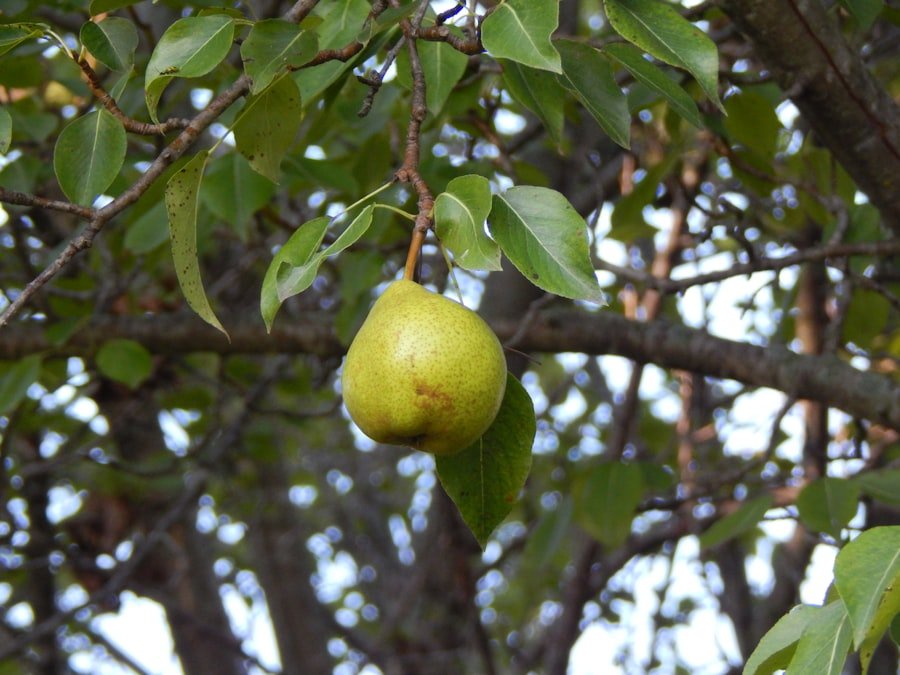
Nutritional Profile
A single serving of white guava contains approximately 68 calories, making it an ideal option for those watching their weight. The fruit is also rich in dietary fiber, with a single serving providing around 5 grams. This high fiber content supports digestive health and helps regulate blood sugar levels.
Vitamins and Minerals
In addition to its fiber and vitamin C content, white guava is a good source of several other essential vitamins and minerals. It provides small amounts of vitamin A, which is vital for eye health, and folate, which plays a crucial role in cell division and DNA synthesis. The fruit is also a good source of potassium, an electrolyte that helps regulate blood pressure and fluid balance in the body.
Antioxidant Properties
The antioxidant properties of white guava further enhance its health benefits. The fruit contains flavonoids, which combat oxidative stress and reduce inflammation in the body. This can help protect against chronic diseases and promote overall health and well-being.
While both white guava and pink guava belong to the same species, they exhibit distinct differences in flavor, appearance, and nutritional content. White guava typically has pale green or yellow skin with creamy white flesh that is mildly sweet and aromatic. In contrast, pink guava features a more vibrant exterior that ranges from greenish-yellow to deep pink or red when ripe.
Its flesh is also pink or reddish in color and tends to have a stronger flavor profile with a more pronounced sweetness. Nutritionally, both varieties offer health benefits; however, pink guava is often noted for having higher levels of certain antioxidants due to its pigmentation. This increased antioxidant content may provide additional health benefits related to heart health and cancer prevention.
Ultimately, the choice between white and pink guava may come down to personal preference regarding taste and texture.
Growing and Harvesting White Guava
Growing white guava can be a rewarding endeavor for home gardeners interested in cultivating tropical fruits. The guava tree thrives in warm climates with well-drained soil and plenty of sunlight. It can be grown from seeds or cuttings; however, starting from cuttings often results in faster fruit production.
When planting a guava tree, ensure that it has ample space to grow since mature trees can reach heights of up to 10 meters. Harvesting white guava requires careful attention to ripeness; the fruit should be picked when it yields slightly to pressure but before it becomes overly soft. Typically, this occurs about 4-5 months after flowering.
Once harvested, white guavas should be handled gently to avoid bruising and can be stored at room temperature until they ripen fully.
White Guava in Different Cuisines
White guava has found its way into various cuisines around the world due to its versatility and unique flavor profile. In Latin American countries such as Mexico and Brazil, it is commonly used in beverages like juices and smoothies as well as desserts like flans and tarts. In these regions, guavas are often paired with spices such as cinnamon or nutmeg to enhance their natural sweetness.
In Asian cuisines, particularly in India and Southeast Asia, white guava is enjoyed both raw and cooked. It may be sliced fresh as part of fruit chaat—a popular street food—or used in savory dishes like curries where its sweetness balances spicy flavors. Additionally, in some cultures, white guava leaves are utilized for their medicinal properties in herbal teas.
White Guava in Beauty and Skincare
Beyond its culinary uses, white guava has made its mark in the beauty industry due to its rich nutrient profile that benefits skin health. The high vitamin C content found in white guava helps promote collagen production, which is essential for maintaining skin elasticity and reducing signs of aging such as wrinkles and fine lines. Additionally, its antioxidant properties help protect the skin from environmental damage caused by free radicals.
Many skincare products now incorporate extracts from white guava leaves or fruit due to their anti-inflammatory properties that can soothe irritated skin conditions such as acne or eczema. Homemade face masks using pureed white guava mixed with honey or yogurt can provide hydration while delivering essential nutrients directly to the skin.
Embracing the Sweetness of White Guava
White guava stands out not only for its delightful taste but also for its numerous health benefits and versatility in culinary applications. From fresh consumption to creative recipes that highlight its unique flavor profile, this tropical fruit offers something for everyone. Whether enjoyed as part of a nutritious diet or utilized in beauty routines for glowing skin, embracing white guava can lead to a sweeter life filled with healthful choices.
FAQs
What is a white guava?
White guava is a tropical fruit that belongs to the Myrtaceae family. It is known for its sweet and fragrant flavor, and it is typically round or pear-shaped with a thin, edible skin.
What does a white guava look like?
A white guava is typically round or pear-shaped with a thin, edible skin. The flesh inside can range from white to pale yellow, and it contains small, edible seeds at the center.
Where is white guava grown?
White guava is grown in tropical and subtropical regions around the world, including countries such as India, Mexico, Brazil, and the Philippines. It thrives in warm, humid climates.
How is white guava used?
White guava can be eaten fresh, juiced, or used in a variety of culinary applications. It is often used to make jams, jellies, desserts, and beverages.
What are the nutritional benefits of white guava?
White guava is a good source of vitamin C, fiber, and antioxidants. It also contains small amounts of other essential nutrients such as vitamin A, potassium, and folate.
How do you know when a white guava is ripe?
A ripe white guava will give slightly to gentle pressure and have a fragrant aroma. The skin may also turn from green to yellow when the fruit is ripe.