White guava is a white-fleshed type of common guava (Psidium guajava), a tropical fruit valued for its crisp-to-soft texture, fragrant flavor, edible peel and seeds, and naturally high vitamin C content. Depending on the cultivar and when it is harvested, white guava may be eaten firm and green or allowed to become softer and more aromatic as it ripens.
Quick Answer
White guava is a white-fleshed form of Psidium guajava. It is rich in vitamin C and fiber, can be eaten with its skin and seeds, and works well fresh, in smoothies, salsa, desserts, juices, and preserves. Some white cultivars are best enjoyed firm and crisp rather than fully soft.
Key Takeaways
- White guava is not a separate species; it generally refers to common guava cultivars with white or pale flesh.
- Raw common guava provides about 68 calories, 5.4 grams of fiber, 417 mg of potassium, and 228 mg of vitamin C per 100 grams, although values vary by cultivar.
- Some white guavas are eaten green and crunchy, while others become softer, yellower, and more aromatic as they ripen.
- The peel and seeds are edible, although people who dislike the hard seeds can strain them from juices or purees.
- White guava can be eaten fresh or used in smoothies, salsa, salads, desserts, juice, jam, jelly, and savory dishes.
- Guava can grow well in warm climates, but growers should check local recommendations because Psidium guajava can be invasive in some regions.
What Is White Guava?
White guava is usually a white-fleshed cultivar or type of common guava, scientifically known as Psidium guajava and belonging to the Myrtaceae family. Common guava has been cultivated for so long that its precise original range is difficult to define. Botanical and agricultural sources generally associate it with tropical America, and it is now cultivated and naturalized throughout many tropical and subtropical regions.
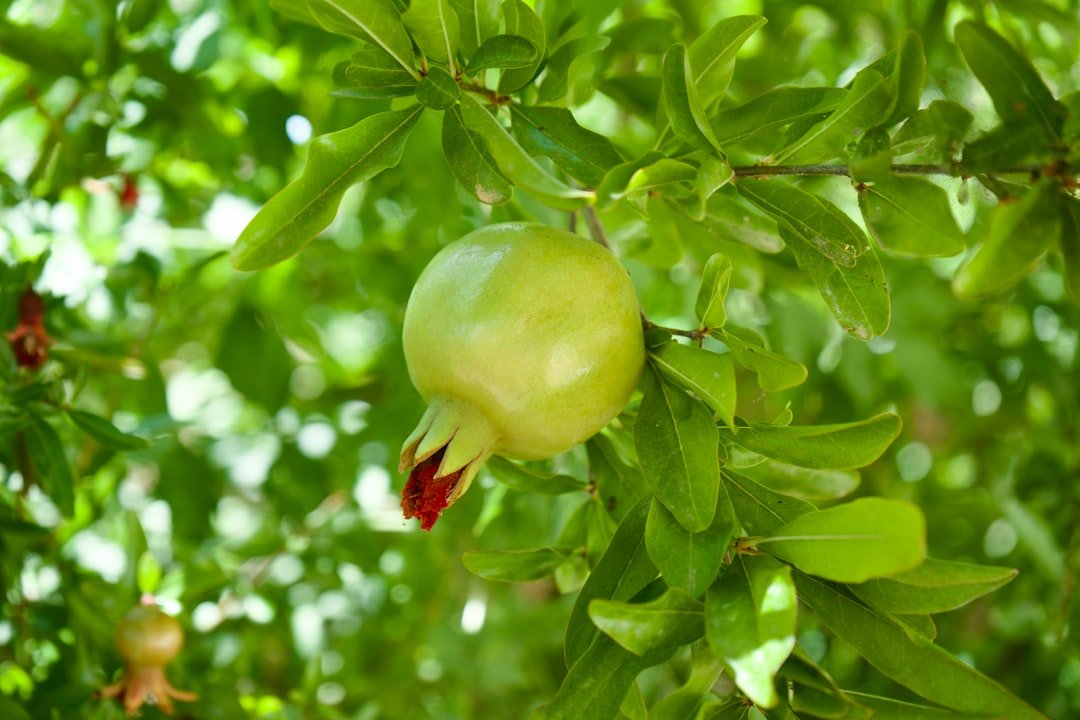
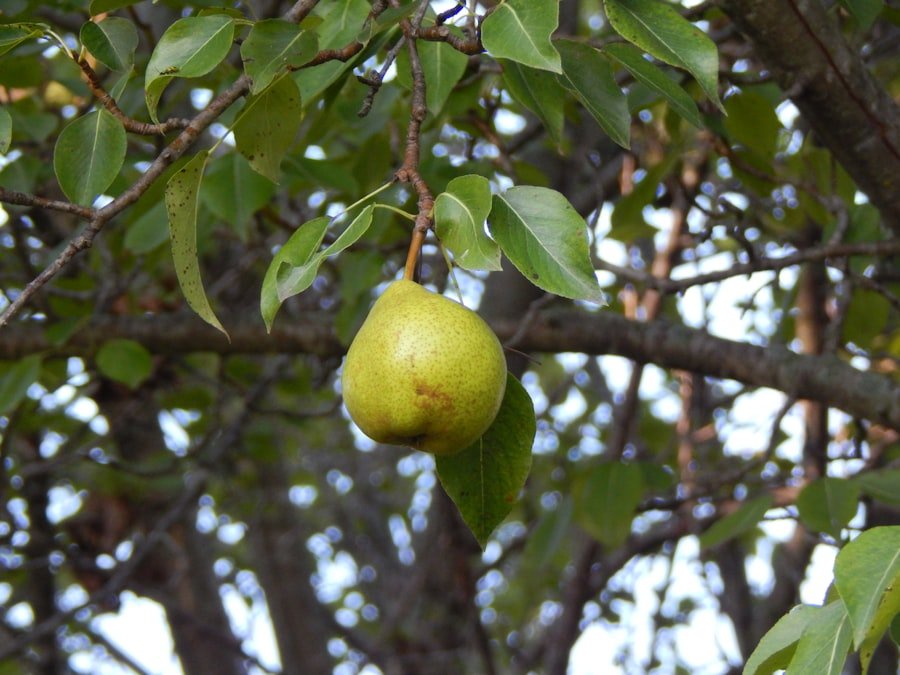
Guava fruits vary considerably by cultivar. Their shape may be round, oval, or pear-like, while the peel may range from green to yellow. The flesh can be white, cream, yellow, pink, or red. White-fleshed cultivars often have a mild, sweet-to-subacid flavor, and some popular types are intentionally eaten while the fruit remains green, firm, and crunchy.
The peel is edible after washing, and the numerous small seeds are also edible. Because some guava seeds are quite hard, people often strain them when making juice, puree, jelly, or a very smooth dessert.
The Health Benefits of White Guava
White guava can be a nutrient-dense addition to a balanced diet, especially because common raw guava is naturally rich in vitamin C and dietary fiber. It also supplies potassium, folate, copper, and smaller amounts of several other vitamins and minerals.
A Rich Source of Vitamin C
According to USDA FoodData Central, 100 grams of raw common guava provides roughly 228 mg of vitamin C. Actual amounts can differ among cultivars and growing conditions, so this figure should be treated as a useful reference rather than an exact value for every white guava.
Vitamin C acts as an antioxidant and is required for normal collagen formation. It also contributes to normal immune function and improves absorption of nonheme iron from plant foods, according to the NIH Office of Dietary Supplements.
A 100-gram portion of raw common guava contains roughly 228 mg of vitamin C—well above the adult daily recommended amount of 75–90 mg.
Fiber for Digestive Health
Raw common guava provides about 5.4 grams of dietary fiber per 100 grams. Fiber contributes to normal bowel function and can make a meal or snack more filling. Eating whole guava generally provides more fiber than drinking strained guava juice.
Guava still contains carbohydrates and natural sugars. Fiber can influence how quickly a mixed meal is digested, but white guava should not be described as a treatment for diabetes or as a food that is guaranteed to prevent blood-sugar spikes.
Potassium, Folate, and Other Nutrients
A 100-gram reference portion of raw common guava contains about 417 mg of potassium and 49 mcg of folate. Potassium is an electrolyte involved in normal nerve, muscle, and fluid-balance functions, while folate is needed for normal cell division and DNA production.
Note: White guava is a nutritious food, but no single fruit prevents or treats diabetes, heart disease, cancer, or other medical conditions. If you follow a medically prescribed diet or need individualized blood-sugar guidance, use advice from your doctor or registered dietitian.
How to Select and Store White Guava
The best white guava depends partly on how you want to eat it. Unlike many fruits, a white guava does not always need to become soft before it tastes good.
Choosing White Guava for a Crisp Texture
Many white-fleshed cultivars, including several Asian-style guavas, are commonly eaten when they are full-sized, green to light green, and still firm. Choose fruit that feels heavy for its size and has intact skin without deep bruises, mold, leaking areas, or major cuts.
Choosing a Softer, More Aromatic Guava
If you prefer sweeter, softer guava, choose fruit that gives slightly under gentle pressure and has a noticeable fruity aroma. Depending on the cultivar, the peel may become lighter green or yellow as the fruit ripens.
A very mushy fruit with fermented odors, extensive brown areas, or leaking juice is likely overripe or damaged.
How to Store White Guava
Firm mature guava can continue ripening at room temperature. Once the fruit reaches the texture you enjoy, refrigeration slows further ripening. UF/IFAS recommends using refrigerated green or ripe guava within roughly five to seven days for home consumption.
Commercial postharvest conditions are more controlled. The UC Davis Postharvest Research and Extension Center reports that fully ripe guava has approximately one week of storage potential at about 5–8°C (41–46°F), while mature-green or partially ripe fruit can last longer under carefully controlled temperature and humidity.
Pro Tip: Do not wash guava before storing it unless you plan to eat it soon. Extra surface moisture can encourage deterioration. Wash the fruit under running water immediately before cutting or eating it.
For longer storage, guava can also be cut and frozen. Frozen guava loses some of its fresh texture after thawing but works well in smoothies, sauces, purees, and cooked desserts.
Different Ways to Enjoy White Guava
| Ways to Enjoy White Guava | Description |
|---|---|
| Fresh | Wash and slice it. The skin and seeds are edible, so peeling is optional. |
| Juice | Blend ripe guava with water and strain if you prefer to remove hard seeds. Add sweetener only if needed. |
| Smoothie | Blend guava with yogurt, milk, or a plant-based drink plus banana, mango, or another fruit. |
| Salsa | Dice guava and combine it with onion, chile, cilantro, lime juice, and a small amount of salt. |
| Salad | Add crisp slices to fruit salads, green salads, or slaws for sweetness and crunch. |
| Jam or Jelly | Cook the fruit into preserves, often straining the pulp when a seed-free texture is preferred. |
One of the easiest ways to enjoy white guava is fresh. Rinse the fruit, trim any damaged areas, and slice it into wedges. Crisp white guava can have an apple-like bite, while a fully ripe fruit is softer and more aromatic.
White guava also blends easily into smoothies. Pairing ripe guava with yogurt or milk and fruits such as banana or mango creates a creamy drink suitable for breakfast or a snack. Keeping some of the pulp rather than heavily straining it preserves more of the fruit’s fiber.
For desserts, guava pairs well with coconut, lime, dairy products, and mild cheeses. The fruit can also be cooked into jam, jelly, compote, pastry filling, sorbet, or sauce.
White Guava Recipes
White Guava Smoothie Bowl
Wash and chop one ripe white guava. Blend it with about one cup of plain yogurt or a plant-based alternative and enough milk or unsweetened plant drink to reach your preferred consistency. Pour it into a bowl and top it with fresh fruit, nuts, seeds, or a small amount of granola.
White Guava Salsa
Dice one firm-ripe white guava and combine it with finely chopped red onion, jalapeño or another chile, fresh cilantro, lime juice, and a pinch of salt. The combination of sweet fruit, acidity, herbs, and chile pairs well with grilled fish, chicken, tacos, or tortilla chips.
Guava Cheesecake Bars
Prepare a graham-cracker crust in a baking dish. For the filling, blend cream cheese, sugar, eggs, and smooth guava puree. Pour the filling over the crust and bake according to your cheesecake recipe until the center is set but still slightly tender. Cool completely, refrigerate, and cut into bars before serving.
If the guava contains especially hard seeds, strain the puree before adding it to a smooth dessert.
The Nutritional Value of White Guava
Nutritional Profile
There is no single nutrient profile that applies to every white-guava cultivar. The following figures use USDA data for raw common guava as a practical reference. Values are approximate per 100 grams of edible fruit.
| Nutrient | Approximate Amount per 100 g |
|---|---|
| Calories | 68 kcal |
| Carbohydrate | 14.3 g |
| Dietary fiber | 5.4 g |
| Protein | 2.55 g |
| Fat | 0.95 g |
| Vitamin C | About 228 mg |
| Potassium | 417 mg |
| Folate | 49 mcg |
These values come from USDA data for common raw guava. The nutritional composition of a particular white cultivar can differ because of genetics, ripeness, climate, soil, and storage.
Vitamins and Minerals
Vitamin C is the standout micronutrient in guava. The fruit also contains potassium and folate along with smaller quantities of vitamin A-related compounds, magnesium, copper, and other nutrients.
Rather than viewing white guava as a supplement or medicine, it is more useful to think of it as one nutrient-rich fruit that can contribute to a varied diet.
Antioxidant Properties
Guava contains vitamin C as well as plant compounds such as phenolics, flavonoids, and carotenoids. Laboratory measurements show meaningful antioxidant activity, but the phytochemical profile varies substantially from one cultivar to another.
“Antioxidant activity” measured in food or laboratory testing should not be interpreted as proof that a particular guava prevents cancer, cardiovascular disease, or another chronic condition in people.
White Guava vs. Pink Guava
White and pink guavas are commonly cultivars of the same species, Psidium guajava. Their biggest visible difference is flesh color, but texture, sweetness, acidity, aroma, seed hardness, and nutrient composition can also vary by cultivar.
White guava typically has white to cream-colored flesh. Many white types are prized for a firmer, crunchy texture and mild sweetness, although softer dessert-type white guavas also exist.
Pink and red guavas contain carotenoid pigments responsible for their color. Pink guava is particularly associated with lycopene, a red carotenoid. However, it is not accurate to say that pink guava is always “higher in antioxidants” overall.
A peer-reviewed study comparing seven guava cultivars found substantial differences in antioxidant activity and phytochemical composition among individual cultivars. Results varied with flesh color and the testing method. Another study comparing one white-fleshed clone with several pink clones found higher antioxidant activity in the white clone in the assays used. This means cultivar matters as much as a simple white-versus-pink label.
For most people, the better choice is the guava whose flavor and texture they enjoy. Both white and pink guava can contribute useful nutrients to a varied diet.
Growing and Harvesting White Guava
Guava grows best in warm tropical to subtropical conditions. According to UF/IFAS Extension, guava performs best in full sun and adapts to a wide range of soils, although good drainage is important.
Tree size varies with cultivar, climate, and pruning. Guava may develop into a substantial small tree, but regular pruning can maintain it at a more manageable height for home harvesting.
Starting a White Guava Tree
Guava can be grown from seed, but seedlings may not reproduce the exact fruit characteristics of the parent plant. UF/IFAS notes that seed-grown trees may take roughly three to eight years to begin producing fruit.
If you want to preserve a named white-guava cultivar, vegetative propagation is generally more dependable. Guava cultivars may be propagated through air layering, stem cuttings, grafting, or budding. A healthy nursery tree of a known cultivar is usually the simplest option for a home gardener.
Sun, Space, and Water
Choose a sunny location with enough room between the guava tree and buildings, power lines, or competing trees. Newly planted trees require consistent watering while becoming established. Mature trees tolerate some drought, but prolonged water stress during flowering and fruit development can reduce production and fruit size.
Avoid constantly waterlogged soil. Although guava can tolerate short periods of wet conditions better than some tropical fruits, prolonged flooding can damage roots and weaken the tree.
When to Harvest White Guava
Harvest timing depends on the cultivar and how the fruit will be used rather than on one universal number of months after flowering.
White guavas intended for crisp eating may be harvested when they have reached full size but are still green or light green and firm. Guavas intended for softer ripe eating can remain on the tree longer until the peel lightens and the fruit develops stronger aroma or slight softness.
Handle harvested guava gently because bruising can cause browning and shorten storage life.
Warning: Check local invasive-plant guidance before planting guava. UF/IFAS currently classifies common guava as invasive and does not recommend planting it in south Florida; in central Florida it should be managed to prevent escape into natural areas.
White Guava in Different Cuisines
Guava has spread far beyond tropical America and is now part of food traditions in many tropical and subtropical regions.
Across Latin America, guava is used in juice, nectar, paste, jam, jelly, pastries, desserts, sauces, and other preparations. Its sweet-tart flavor pairs especially well with dairy products, mild cheeses, citrus, cinnamon, and other warm spices.
In India and parts of Southeast Asia, guava may be eaten fresh while still crisp, sometimes seasoned with salt, chile, or spice mixtures. It can also appear in fruit chaat, beverages, chutneys, preserves, and other sweet or savory dishes.
The fruit’s ability to work at different stages of ripeness is one reason it is so versatile. Firm white guava contributes crunch to salads and snacks, while softer ripe fruit is easier to puree for drinks and desserts.
White Guava in Beauty and Skincare
White guava is sometimes promoted as a “beauty food” because of its vitamin C and antioxidant content. There is a sound nutritional basis for saying that vitamin C is required for normal collagen formation. However, that does not mean eating white guava has been proven to erase wrinkles or treat a skin condition.
Researchers have also studied extracts from Psidium guajava leaves and fruit for possible cosmetic uses. For example, small clinical studies have evaluated formulated guava-extract products for specific skin outcomes. Those findings are preliminary and apply to the tested formulations; they should not be assumed to prove that fresh guava or a homemade mask produces the same effects.
Homemade guava masks mixed with honey, yogurt, or other ingredients are sometimes suggested online, but evidence supporting them is limited. Fresh-food mixtures can also irritate sensitive skin or become contaminated if prepared or stored improperly.
Note: Do not use guava or another home remedy as a substitute for proven treatment of acne, eczema, infection, or another persistent skin condition. Stop using a topical product if it causes burning, swelling, rash, or worsening irritation.
Embracing the Sweetness of White Guava
White guava offers more than one eating experience. A firm green fruit can be crisp and refreshing, while a softer ripe fruit becomes more fragrant and suited to smoothies, desserts, sauces, and preserves.
Its strongest nutritional feature is its high vitamin C content, while fiber, potassium, folate, and other nutrients add to its value as a whole fruit. The most useful approach is to enjoy white guava as part of a varied diet rather than expecting it to function as a treatment for disease.
Whether you slice it fresh, blend it into a smoothie, prepare a tropical salsa, cook it into preserves, or grow a suitable cultivar at home, white guava is a versatile fruit with plenty of practical uses.
Sources
- USDA FoodData Central — Guavas, common, raw — reference nutrition values for calories, fiber, vitamin C, potassium, folate, and other nutrients.
- NIH Office of Dietary Supplements — Vitamin C Fact Sheet — vitamin C functions and adult recommended intake.
- UC Davis Postharvest Research and Extension Center — Guava — ripening, storage temperature, storage potential, and postharvest handling.
- University of Florida IFAS Extension — Guava Growing in the Florida Home Landscape — cultivars, propagation, climate, harvest, storage, tree care, and invasive status.
- Kew Science Plants of the World Online — Psidium guajava — botanical classification and distribution information.
- PubMed — Chemical composition and antioxidant activity of seven cultivars of guava — evidence that phytochemical composition and antioxidant activity differ among white, pink, and red cultivars.
Frequently Asked Questions
What is a white guava?
White guava generally refers to a white- or cream-fleshed cultivar of common guava, Psidium guajava. It is not normally considered a separate species from pink or red common guava.
What does a white guava look like?
The fruit may be round, oval, or pear-shaped, with green to yellow skin and white, cream, or pale-yellow flesh. Numerous small seeds occur inside the fruit. Appearance varies considerably among cultivars.
Can you eat white guava skin and seeds?
Yes. Both the properly washed peel and seeds of common guava are edible. Some seeds can be quite hard, so they are often strained from juice, jelly, puree, or smooth desserts.
Where is white guava grown?
Common guava originated in tropical America and is now cultivated and naturalized throughout many tropical and subtropical regions, including parts of Asia, Latin America, the Caribbean, Africa, and warmer areas of the United States.
How is white guava used?
White guava can be eaten fresh or used in smoothies, juice, fruit salads, green salads, salsa, chutney, jam, jelly, sauces, pastries, frozen desserts, and other sweet or savory recipes.
What are the nutritional benefits of white guava?
Common raw guava is particularly rich in vitamin C and also supplies dietary fiber, potassium, folate, and several other nutrients. USDA reference data list about 68 calories, 5.4 grams of fiber, and 228 mg of vitamin C per 100 grams, although individual white cultivars can vary.
How do you know when a white guava is ripe?
A white guava intended for soft-ripe eating usually develops a stronger aroma, lighter green or yellowish skin, and slight give when gently pressed. However, many white cultivars are deliberately eaten green and firm, so softness is not always the goal.
Is white guava better than pink guava?
Neither is universally better. Both can be nutritious. Pink guava commonly contains more lycopene, while vitamin C and other phytochemicals can vary substantially among individual cultivars. Flavor and texture are also different, so personal preference matters.