

Nestled on the shores of Lake Geneva, Chillon Castle stands as a magnificent testament to Switzerland’s rich history and architectural prowess. This medieval fortress, with its picturesque backdrop of the Alps, has captivated visitors for centuries. Its strategic location not only offers breathtaking views but also highlights its historical significance as a military stronghold and a residence for nobility.
The castle’s allure lies not only in its stunning aesthetics but also in the stories it tells—tales of power struggles, cultural exchanges, and the evolution of Swiss identity. As one of the most visited historic sites in Switzerland, Chillon Castle draws tourists from around the globe. Its enchanting towers and fortified walls evoke a sense of wonder, inviting exploration and discovery.
The castle’s well-preserved structures provide a glimpse into the past, allowing visitors to imagine life during the medieval era. With its rich tapestry of history, architecture, and natural beauty, Chillon Castle is more than just a monument; it is a living narrative that continues to inspire awe and curiosity.
Key Takeaways
- Chillon Castle is a medieval fortress located on the shores of Lake Geneva in Switzerland, known for its picturesque setting and rich history.
- The castle has a history dating back to the 12th century, with various expansions and renovations over the centuries, making it a fascinating site for history enthusiasts.
- Visitors can explore the castle grounds, including the courtyards, dungeons, and towers, and enjoy stunning views of Lake Geneva and the surrounding mountains.
- Notable features of Chillon Castle include its well-preserved architecture, including the keep, the chapel, and the underground rooms, which provide insight into medieval life.
- Chillon Castle played a significant role in Swiss history, serving as a strategic fortress and a symbol of power and authority for the ruling families.
History of Chillon Castle
The history of Chillon Castle dates back to the Bronze Age, with evidence suggesting that the site was occupied long before the construction of the current structure. The first documented mention of Chillon appears in 1150, when it was owned by the Counts of Savoy. Over the centuries, the castle evolved from a simple wooden fortification into a formidable stone fortress.
Its strategic position on the trade route between Italy and northern Europe made it a vital military stronghold, allowing its occupants to control commerce and defend against potential invasions. Throughout its history, Chillon Castle has witnessed numerous sieges and conflicts. In the 13th century, it became a residence for the Dukes of Savoy, who expanded and fortified the castle significantly.
The castle’s walls have echoed with the footsteps of many notable figures, including the infamous Lord Byron, who immortalized it in his poem “The Prisoner of Chillon.” The castle’s role shifted over time, reflecting the changing political landscape of Switzerland and its surrounding regions. By the 16th century, with the rise of the Protestant Reformation and shifting allegiances, Chillon transitioned from a military stronghold to a symbol of cultural heritage.
Exploring the Grounds of Chillon Castle
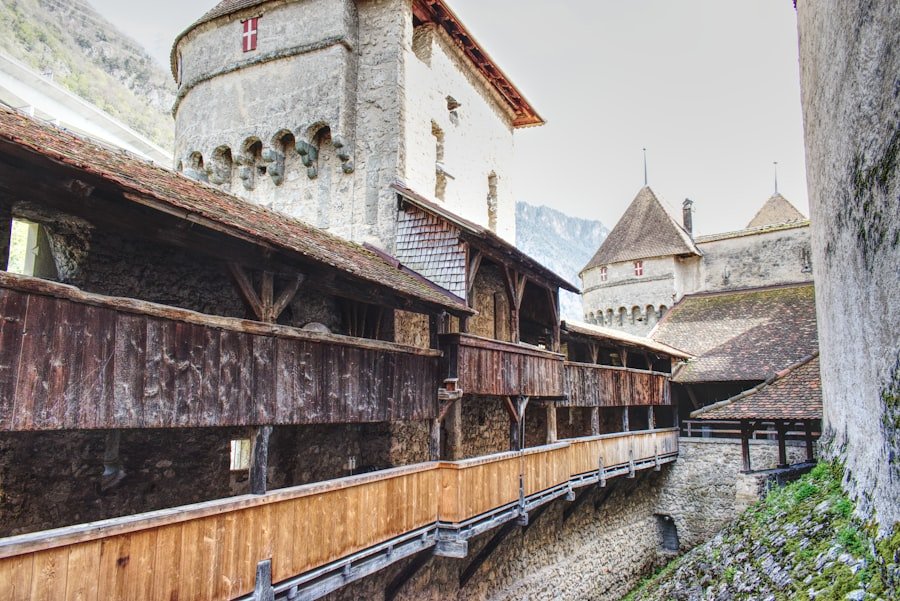
Exploring the grounds of Chillon Castle is akin to stepping back in time. The castle complex is surrounded by a picturesque landscape that includes lush gardens, serene lake views, and majestic mountains.
The tranquil ambiance created by the surrounding nature enhances the experience, allowing guests to appreciate both the beauty of the site and its historical significance. One of the highlights of exploring Chillon is the opportunity to delve into its various rooms and chambers. The Great Hall, with its impressive vaulted ceilings and medieval furnishings, offers a glimpse into the opulent lifestyle of its former inhabitants.
The castle’s dungeons, on the other hand, provide a stark contrast, showcasing the darker aspects of medieval life. As visitors traverse these spaces, they can imagine the stories that unfolded within these walls—tales of feasts, celebrations, and even imprisonment. Each corner of Chillon Castle holds secrets waiting to be uncovered, making exploration an engaging and immersive experience.
Notable Features and Architecture of Chillon Castle
| Notable Features and Architecture of Chillon Castle | |
|---|---|
| Location | On the shores of Lake Geneva, near Montreux, Switzerland |
| Construction | Originally built in the 9th century, with later additions and renovations |
| Architecture | Combines elements of medieval fortress and residential palace |
| Notable Features | Underground vaults, great halls, chapel, and panoramic views of the lake |
| History | Used as a fortress, prison, and residence for the Counts of Savoy |
Chillon Castle is renowned for its remarkable architecture, which reflects various styles that evolved over centuries. The castle’s design incorporates elements from Romanesque to Gothic architecture, showcasing its historical development. The imposing round towers and thick stone walls are characteristic of medieval fortifications, designed to withstand sieges and protect its inhabitants.
The use of local limestone not only adds to its aesthetic appeal but also demonstrates the resourcefulness of its builders. One particularly notable feature is the castle’s drawbridge, which serves as both an entrance and a defensive mechanism. This drawbridge leads to a fortified gatehouse adorned with intricate carvings that depict scenes from medieval life.
Inside, visitors can admire the well-preserved frescoes that adorn many walls, illustrating biblical stories and historical events. The chapel within Chillon is another architectural gem; its serene atmosphere and beautiful stained glass windows create a sense of tranquility amidst the castle’s robust structure. Each architectural element contributes to the overall narrative of Chillon Castle, making it a fascinating subject for both history enthusiasts and architecture aficionados.
Chillon Castle’s Role in Swiss History
Chillon Castle has played a pivotal role in shaping Swiss history over the centuries. Its strategic location made it a focal point during various conflicts, particularly during the wars between the Dukes of Savoy and their rivals. The castle served as a stronghold for defending Swiss territories against external threats while also acting as a symbol of power for those who controlled it.
As Switzerland began to assert its independence in the late Middle Ages, Chillon became emblematic of Swiss resilience and determination. The castle’s significance extends beyond military history; it has also been a center for cultural exchange. Throughout its existence, Chillon has hosted numerous gatherings that brought together influential figures from different regions.
These interactions fostered diplomatic relations and cultural exchanges that contributed to Switzerland’s development as a nation. Additionally, Chillon’s association with literary figures like Lord Byron has cemented its place in cultural history, inspiring artists and writers alike to draw upon its rich narrative for their own works.
Visiting Chillon Castle: Practical Information
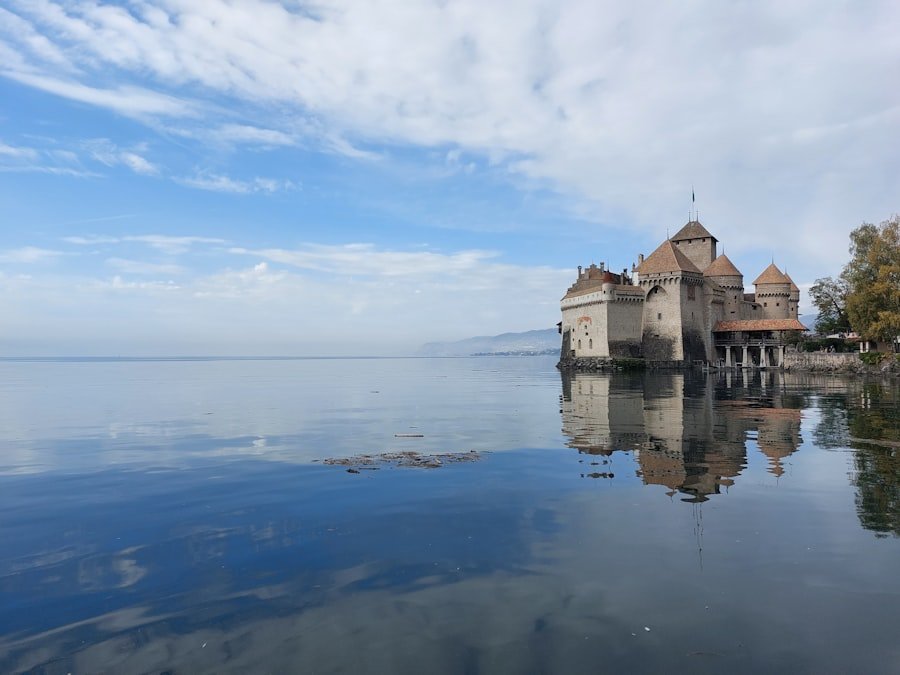
For those planning to visit Chillon Castle, practical information is essential for an enjoyable experience. The castle is conveniently located just a short distance from Montreux, making it easily accessible by public transport or car. Visitors can take advantage of regular train services that connect Montreux with major Swiss cities like Geneva and Lausanne.
Upon arrival, ample parking facilities are available for those traveling by car. The castle is open year-round, although hours may vary depending on the season.
Admission fees are reasonable and often include access to audio guides or guided tours that provide deeper insights into the castle’s history and architecture. For families visiting with children, interactive exhibits and educational programs are available to engage younger audiences in learning about medieval life.
Chillon Castle’s Surrounding Area and Nearby Attractions
The area surrounding Chillon Castle is equally captivating, offering visitors a wealth of attractions to explore beyond the fortress itself. Lake Geneva provides opportunities for various water activities such as sailing, kayaking, or simply enjoying a leisurely stroll along its shores. The scenic promenades around Montreux are perfect for those looking to soak in stunning views while enjoying local cuisine at lakeside cafes.
Additionally, nearby attractions include the charming town of Montreux itself, known for its annual jazz festival and vibrant cultural scene. A short distance away lies the picturesque village of Vevey, home to the famous Alimentarium food museum and stunning lakeside parks. For those interested in hiking or outdoor activities, the nearby mountains offer numerous trails with varying levels of difficulty, providing breathtaking panoramas of both Lake Geneva and the surrounding Alps.
Tips for Making the Most of Your Visit to Chillon Castle
To fully appreciate your visit to Chillon Castle, consider planning your trip during off-peak hours to avoid large crowds. Early mornings or late afternoons often provide a more serene atmosphere for exploration. Additionally, taking advantage of guided tours can enrich your understanding of the castle’s history; knowledgeable guides can share fascinating anecdotes that may not be found in written materials.
Don’t forget to bring your camera—Chillon Castle offers countless photo opportunities both inside and outside its walls. Capture images of its stunning architecture against the backdrop of Lake Geneva or snap pictures of intricate details within its chambers. Lastly, allow yourself ample time to wander through both the castle grounds and surrounding areas; there’s much to discover beyond just the fortress itself.
Whether you’re drawn by history, architecture, or natural beauty, Chillon Castle promises an unforgettable experience that resonates long after your visit concludes.
When planning a visit to the enchanting Chillon Castle, nestled on the shores of Lake Geneva, it’s essential to consider the culinary delights of the region as part of your travel experience. While exploring the historical marvels of the castle, you might also want to indulge in some local Swiss cuisine. For those interested in adding a touch of homemade goodness to their meals, you can find inspiration in this delicious homemade cottage cheese recipe. This simple and healthy recipe can be a delightful addition to your culinary adventures, offering a taste of home wherever you are.
FAQs
What is Chillon Castle?
Chillon Castle is a medieval fortress located on the shores of Lake Geneva in Switzerland. It is one of the most visited historic buildings in Switzerland and is known for its picturesque setting and well-preserved architecture.
What is the history of Chillon Castle?
Chillon Castle has a history dating back over 1,000 years, with the oldest parts of the castle believed to have been built in the 12th century. It has served as a residence, a fortress, and a prison throughout its history, and has been the subject of numerous expansions and renovations.
What can visitors see and do at Chillon Castle?
Visitors to Chillon Castle can explore the various rooms and courtyards of the castle, including the medieval great hall, the chapel, and the underground vaults. The castle also offers stunning views of Lake Geneva and the surrounding mountains. Additionally, there are guided tours available for visitors to learn more about the history and architecture of the castle.
How do I get to Chillon Castle?
Chillon Castle is located near the town of Montreux on the shores of Lake Geneva. It is easily accessible by car, train, or boat. There is also a pedestrian path that runs along the lake, providing a scenic route for those who prefer to walk or bike to the castle.
What are the opening hours and admission fees for Chillon Castle?
Chillon Castle is open to visitors year-round, with varying hours depending on the season. Admission fees also vary, with discounts available for children, students, and seniors. It is recommended to check the official website for the most up-to-date information on opening hours and admission fees.