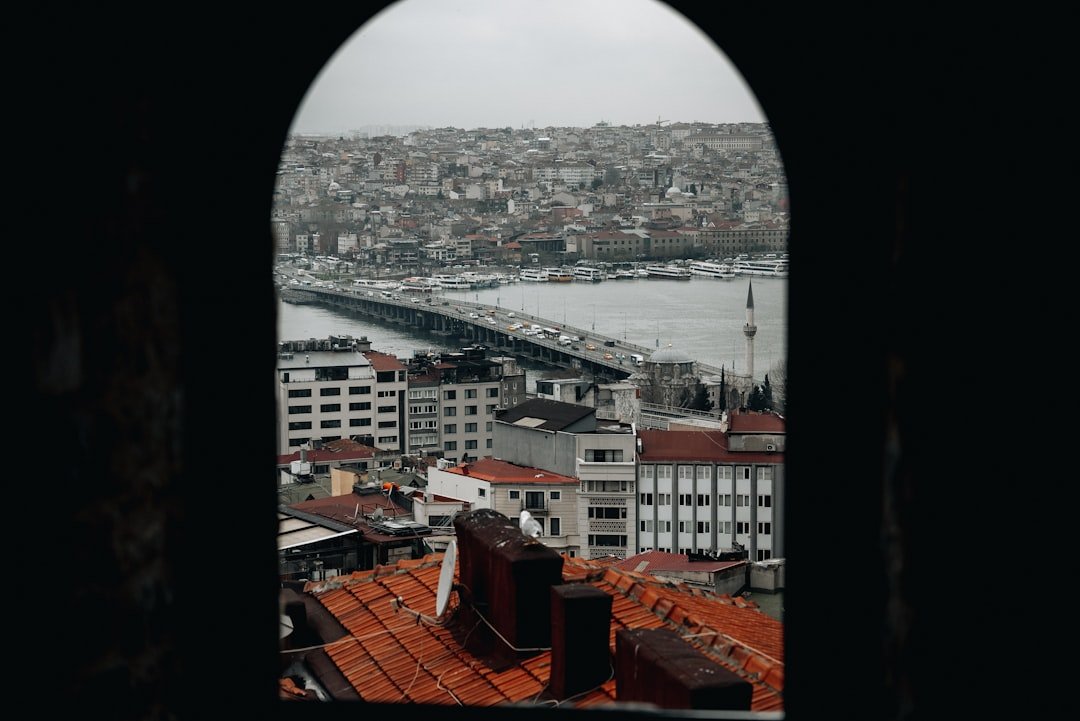
Istanbul’s famous sights deserve their reputation, but some of the city’s most rewarding experiences happen beyond the standard Sultanahmet circuit. Exploring Istanbul off the beaten path can mean walking the historic streets of Fener and Balat, crossing the Bosphorus to Kuzguncuk and Kadıköy, taking a ferry to Büyükada, discovering contemporary art in Tophane, or simply slowing down in neighborhoods where everyday city life is easier to notice.
Quick Answer
For an Istanbul off-the-beaten-path experience, explore Fener and Balat, Kuzguncuk, Kadıköy, Belgrad Forest, Pierre Loti Hill, and the Princes’ Islands. Mix historic streets with neighborhood markets, local food, ferries, art venues, and quieter viewpoints. Some of these places are now popular, so early mornings and weekdays usually feel more relaxed.
Key Takeaways
- Fener, Balat, Kuzguncuk, Kadıköy, and Moda reveal different sides of Istanbul beyond its headline monuments.
- Kariye Mosque is an active mosque as well as an important Byzantine monument, so visitors should respect worship conditions.
- Local markets, lokantas, bakeries, meyhanes, and neighborhood cafés often provide a more grounded food experience than restaurants built mainly for sightseeing traffic.
- Istanbul Modern and Babylon remain strong starting points for contemporary art and live music, while smaller galleries and venues change frequently.
- The Princes’ Islands are quieter than central Istanbul, but they are not completely vehicle-free; electric public transport operates on the islands.
- Ferry schedules, museum hours, worship access, event programs, and admission rules can change, so check official sources before setting out.
Explore Fener, Balat, and Kuzguncuk Beyond the Postcard Views
Fener and Balat sit side by side along the Golden Horn and offer a mix of religious heritage, steep residential streets, cafés, antique shops, restored facades, and older buildings showing the wear of centuries. Their Greek Orthodox, Jewish, Armenian, Muslim, and wider Ottoman histories make them valuable places to explore if you want to understand Istanbul as a layered city rather than a collection of monuments.
Balat is now widely photographed and should no longer be described as an undiscovered neighborhood. Its colorful houses and photogenic stairways attract plenty of visitors, especially on weekends. The experience becomes more rewarding when you move beyond the most photographed corners, walk slowly, look for historic religious buildings and neighborhood businesses, and remember that many attractive facades are private homes.
Pro Tip: Visit Fener and Balat earlier in the day if you want quieter streets. Wear shoes with good grip because some lanes are steep, uneven, or cobbled.
Across the Bosphorus, Kuzguncuk offers a different atmosphere. This Üsküdar neighborhood is known for colorful houses, small businesses, places of worship from different communities, and a village-like main street. It is compact enough to explore on foot and can be paired with Üsküdar’s waterfront for views back toward the European side.
Uncover Unique Cultural and Historical Sites
One of the most important historical stops outside the standard Sultanahmet route is Kariye Mosque, historically known as the Church of the Holy Saviour in Chora. The monument is especially celebrated for its Byzantine mosaics and frescoes, many associated with the late Byzantine artistic revival. Its history spans several periods and functions rather than a single construction date.
Kariye was reconverted to mosque use and reopened for worship and visitors on May 6, 2024. That makes it different from visiting a conventional museum. Dress respectfully, be prepared for visitor access to change around religious use, and check current official guidance before your visit.
Note: Kariye is part of Istanbul’s living religious landscape as well as an internationally significant historic monument. Treat the building as an active place of worship, not only as a sightseeing stop.
Another major historical site is the Basilica Cistern. It was constructed in the 6th century during the reign of Emperor Justinian I to help supply water to the Great Palace and surrounding buildings. The vast underground space is supported by hundreds of marble columns and is famous for reused architectural elements, including Medusa-head blocks.
The Basilica Cistern is no longer a hidden attraction, but it still fits an alternative Istanbul itinerary because it reveals the infrastructure beneath the historic city. If your goal is truly quieter sightseeing, combine major monuments such as the cistern with less visited streets, neighborhood museums, markets, and ferry routes rather than expecting every stop to be secret.
Sample Authentic Local Cuisine at Neighborhood Eateries
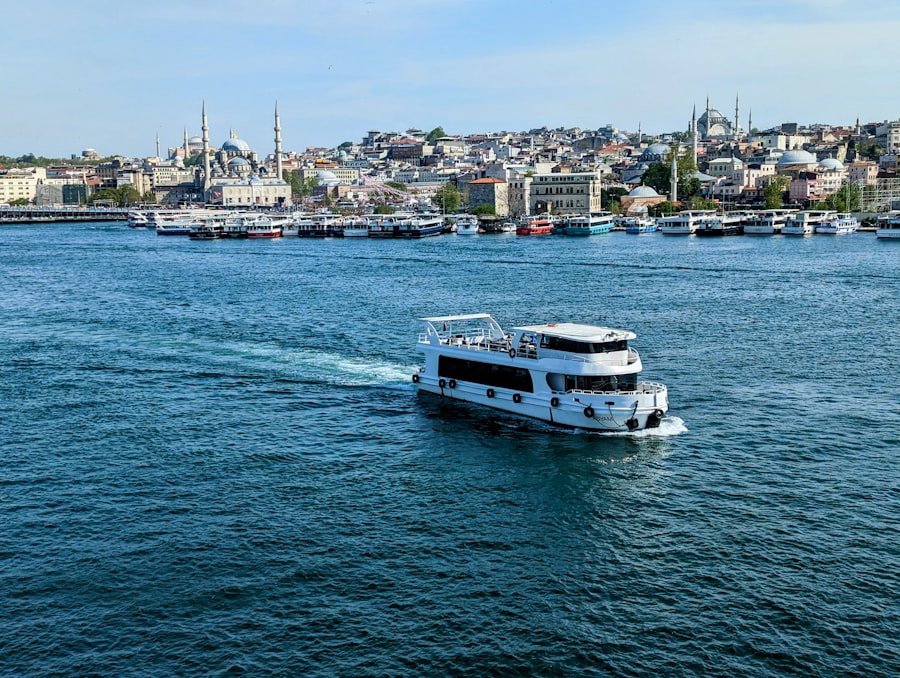
Istanbul’s food scene becomes much more interesting when you stop treating one famous restaurant as the definition of local cuisine. Look for neighborhood lokantas serving cooked dishes, bakeries making börek and pide, small soup restaurants, fish counters, meyhanes, and market stalls that serve the people who live and work nearby.
Karaköy still has traditional food businesses alongside specialty coffee shops and newer restaurants, although the district has become one of central Istanbul’s busiest visitor areas. For a broader everyday-food experience, cross to Kadıköy, where the market streets contain fishmongers, produce sellers, spice shops, bakeries, restaurants, and sweet shops within a compact walking area.
Çiya Sofrası in Kadıköy became internationally known for presenting regional dishes from different parts of Türkiye. It can be a useful introduction to Anatolian cooking, but the wider lesson is more important: do not limit your food search to kebabs. Depending on the season and restaurant, look for vegetable dishes cooked in olive oil, stuffed vegetables, soups, offal specialties, regional stews, flatbreads, meze, fish, yogurt dishes, and traditional desserts.
Pro Tip: A busy lokanta with a visible daily selection can be easier for first-time visitors than ordering from a long menu. Pointing to the prepared dishes also helps when language is a barrier.
Immerse Yourself in Istanbul’s Art and Music Scene
| Art and Music Experience | Reliable Place to Start |
|---|---|
| Modern and contemporary art | Istanbul Modern in Tophane |
| Independent galleries | Tophane, Karaköy, Beyoğlu, and nearby side streets |
| Live contemporary music | Babylon at Yapı Kredi bomontiada |
| Traditional and tavern music | Meyhanes and programmed venues around Beyoğlu |
| Best planning method | Check official exhibition and event calendars shortly before your visit |
Istanbul’s cultural scene changes too quickly for unsourced counts of galleries, festivals, music venues, or schools to be useful. A better approach is to choose one dependable institution and then explore the surrounding district.
Istanbul Modern is currently located on the Tophane waterfront in Beyoğlu. Its program includes modern and contemporary art exhibitions, photography, film, educational events, and work by artists from Türkiye and abroad. Because exhibitions rotate, checking the official program before visiting is more useful than relying on an old list of artists.
For live music, Babylon continues to operate at Yapı Kredi bomontiada in Şişli. Its schedule covers a wide range of contemporary music and special events. Smaller venues can offer equally memorable nights, but programs and opening patterns change frequently, so verify events for the date you plan to go.
For a more traditional evening, Beyoğlu still has meyhanes and taverns where music may accompany dinner. Do not assume every restaurant provides live folk music every night; choose a venue based on its published program rather than a generic neighborhood reputation.
Venture Off the Tourist Trail for Better Shopping
Shopping beyond the Grand Bazaar is less about finding one “secret market” and more about choosing a district that matches what you want to buy. Kadıköy Market is useful for edible souvenirs, spices, sweets, coffee, kitchen ingredients, and everyday market life. Nearby streets also contain books, clothing, records, and independent shops.
For antiques, vintage objects, and design pieces, Çukurcuma in Beyoğlu is a stronger destination than expecting every Bosphorus neighborhood to function as an artisan market. Its streets contain antique dealers, second-hand shops, design stores, and small galleries, although stock and opening hours vary from shop to shop.
Arnavutköy, by contrast, is better known for its Bosphorus setting, historic houses, cafés, restaurants, and waterfront atmosphere. It can still reward casual browsing, but it is more useful as a neighborhood walk than as a dedicated handicraft-shopping destination.
Note: Bargaining customs vary. Haggling may be expected in some traditional market settings, but it is not appropriate in every boutique, café, fixed-price shop, or modern retail store.
Discover Hidden Natural Beauty in Istanbul
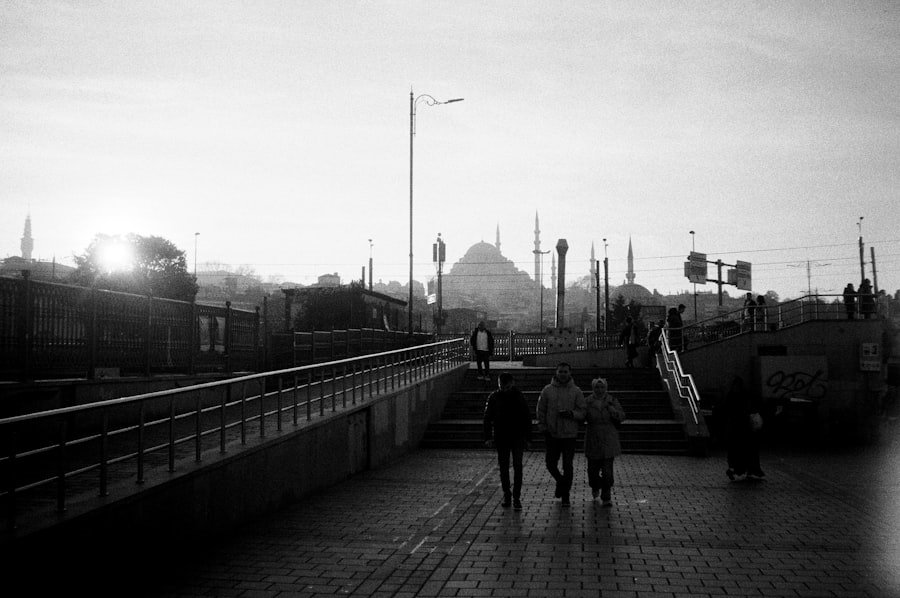
Istanbul is a dense metropolis, but its forests, waterfronts, islands, and parks provide very different experiences from the historic center. Belgrad Forest, on the European side, is one of the best-known large green areas for walking, running, picnics, and time among trees. It is most useful when you want several hours away from dense urban streets rather than another monument-based sightseeing stop.
The Princes’ Islands offer another kind of escape. Büyükada is the largest and most visited, while Heybeliada, Burgazada, and Kınalıada each have their own scale and atmosphere. Historic houses, waterfront streets, viewpoints, beaches, and walking routes make the islands especially attractive in good weather.
The old description of the islands as having a complete “absence of motor vehicles” is no longer accurate. Conventional private traffic is still heavily restricted compared with mainland Istanbul, but electric public-transport vehicles operate on the islands. Walking and cycling remain popular, and the slower pace is still one of the main reasons people visit.
Public ferries connect the islands with several mainland piers. Check the current Şehir Hatları timetable before leaving because routes and departure times vary by season and day.
Warning: Do not plan an island day around an old ferry screenshot or blog timetable. Check the same-day or current-season schedule and leave enough time to reach the pier before your return sailing.
Engage with Local Communities and Respect Traditional Customs
Experiencing neighborhood life does not require treating residents as part of an attraction. The simplest approach is to use local cafés and shops respectfully, learn a few basic Turkish phrases, follow rules at religious sites, and remember that many of Istanbul’s photogenic streets are residential.
During Ramadan, neighborhoods and municipalities may organize iftar meals and evening events after sunset. These gatherings can offer a view of the communal side of the city, but visitors should not assume every event is designed for tourists. Follow local instructions, wait to be invited where appropriate, and avoid interrupting people during worship or meals for photographs.
At mosques, dress modestly, remove shoes where required, keep voices low, and respect areas or times reserved for prayer. Rules can vary by building, particularly at major historic mosques that receive large numbers of visitors.
If you want a hands-on cultural experience, choose an established ceramics, cooking, marbling, calligraphy, or craft workshop with a published visitor program rather than assuming artisans in residential areas accept walk-in demonstrations. This supports working artists while avoiding intrusive tourism.
Pro Tip: Ask before photographing people, shop interiors, workshops, or private homes. A beautiful street is still someone’s neighborhood.
Find Spectacular Views Away from the Busiest Viewpoints
Pierre Loti Hill in Eyüpsultan remains one of the most recognizable viewpoints over the Golden Horn. You can reach the hill on foot or use the TF2 Eyüp–Piyer Loti cable car. The viewpoint itself is not a secret, but visiting earlier in the day can make the experience calmer.
Galata Tower is another excellent viewpoint, but it should not be presented as an off-the-beaten-path location. The official Galata Tower Museum operates as a museum and viewing terrace and is one of Beyoğlu’s most recognizable attractions. There is no need to search for a supposed secret public deck above the normal visitor area.
For views that require less planning, use Istanbul’s geography itself. A public ferry deck can give you shifting views of the historic peninsula, Bosphorus, Golden Horn, minarets, palaces, and waterfront neighborhoods for the price of a normal journey. Üsküdar’s waterfront and parts of the Moda coast are also good places to slow down and watch the city from across the water.
In Istanbul, one of the easiest ways to leave the tourist trail is not to travel far—it is to cross the water, change neighborhoods, and give yourself time to walk.
If you are looking for a unique Istanbul experience, plan around the city’s public transport instead of moving only between famous landmarks by taxi. Ferries are particularly useful because the journey itself becomes part of the sightseeing. Use official timetables, group nearby neighborhoods together, and avoid crossing repeatedly between distant parts of the city on the same day.
How to Plan an Istanbul Off-the-Beaten-Path Day
A good alternative itinerary should focus on one side of the city or one logical transport corridor. Trying to combine Balat, Belgrad Forest, Kadıköy, Büyükada, and Arnavutköy in a single day creates more transit time than meaningful exploration.
| Fener + Balat | Best for historic streets, religious heritage, cafés, photography, and a half-day walk. |
| Kuzguncuk + Üsküdar | Best for a quieter Bosphorus neighborhood, architecture, cafés, and sunset waterfront views. |
| Kadıköy + Moda | Best for markets, food, independent shops, modern neighborhood life, and a waterfront walk. |
| Büyükada | Best as a full-day trip when weather and ferry schedules are favorable. |
| Belgrad Forest | Best for travelers who want nature and walking rather than architecture and museums. |
A Simple One-Day Route Beyond Sultanahmet
For a balanced first offbeat day, start in Fener and walk through Balat in the morning. Continue toward Kariye Mosque if its current visitor access works with your schedule. After lunch, cross toward the Asian side and spend the late afternoon in Kuzguncuk or Kadıköy. Finish with a ferry ride around sunset rather than adding another ticketed monument.
If you prefer food and contemporary culture, skip the historical route and spend the morning around Kadıköy Market and Moda. Later, cross to Karaköy or Tophane, visit Istanbul Modern if the current exhibition interests you, and check whether Babylon or another established venue has an evening performance.
Travelers with limited mobility should pay particular attention to Balat’s steep and uneven streets, hilltop viewpoints, and long island walks. Istanbul has accessible transport in many areas, but historic street surfaces and gradients can still be challenging. Build extra time into the day and choose routes that do not depend on repeated steep climbs.
Frequently Asked Questions
What are some off-the-beaten-path attractions in Istanbul?
Good choices include Fener and Balat, Kariye Mosque, Kuzguncuk, Pierre Loti Hill, Belgrad Forest, Kadıköy and Moda, and the Princes’ Islands. Some are now popular with visitors, but they still provide a different experience from a sightseeing route focused only on Sultanahmet.
What are some lesser-known neighborhoods to explore in Istanbul?
Kuzguncuk, Moda, Arnavutköy, parts of Üsküdar, and the side streets around Fener and Balat are worthwhile. Balat itself is now heavily photographed, so it is better described as being outside the classic monument circuit rather than as an undiscovered neighborhood.
Are there hidden gems for food and drinks in Istanbul?
Yes. Instead of searching only for famous restaurants, explore lokantas, bakeries, meyhanes, coffee shops, and market streets in Kadıköy, Karaköy, Beyoğlu, Üsküdar, and other residential districts. Look for places with a regular local customer base and daily dishes rather than relying only on social-media popularity.
What are some unique experiences to have in Istanbul off the beaten path?
Take a public ferry simply for the journey, walk Fener and Balat beyond their photo spots, explore Kuzguncuk, eat through Kadıköy Market, spend time in Belgrad Forest, attend a current art or music event, or make a day trip to one of the Princes’ Islands.
How can I explore Istanbul off the beaten path?
Group nearby neighborhoods together, use ferries and public transport, start early, walk beyond each area’s most photographed street, and leave space in the schedule for cafés, markets, and waterfronts. A licensed local guide can also add historical context, especially in culturally complex districts.
Are the Princes’ Islands completely car-free?
No. Conventional private traffic is far more restricted than on mainland Istanbul, but electric public-transport vehicles operate on the islands. Walking and cycling are still major ways to explore, and the islands generally feel much quieter than central Istanbul.
How much time should I allow for an off-the-beaten-path Istanbul day?
Allow at least half a day for one neighborhood cluster such as Fener and Balat or Kuzguncuk and Üsküdar. Büyükada is better treated as a full-day outing. Trying to cover several distant districts in one day can turn the experience into a series of long transfers.
Sources
- GoTürkiye — Kariye Mosque — current mosque status, reopening, history, mosaics, and frescoes.
- Basilica Cistern Museum — construction period, purpose, columns, and architectural history.
- Istanbul Modern — current museum location, visitor information, and exhibitions.
- Şehir Hatları — official Istanbul and Princes’ Islands ferry routes and timetables.
- Istanbul Metropolitan Municipality — current electric public-transport vehicles on the Princes’ Islands.
- Turkish Museums — Galata Tower Museum — official description of the museum and viewing terrace.