

Istanbul, a city that straddles two continents, is a vibrant tapestry woven from the threads of history, culture, and modernity. This metropolis, once known as Byzantium and later Constantinople, has served as a crossroads for civilizations for centuries. Its unique geographical position along the Bosphorus Strait not only makes it a significant trade hub but also a melting pot of diverse cultures, languages, and traditions.
The city is characterized by its stunning architecture, from the majestic domes of the Hagia Sophia to the intricate minarets of the Blue Mosque, each telling a story of its rich past. The allure of Istanbul lies not only in its historical significance but also in its dynamic present. Today, it is a bustling urban center that harmoniously blends the old with the new.
Visitors are greeted by a cacophony of sounds, from the calls to prayer echoing through the streets to the lively chatter of locals in bustling bazaars. The city’s vibrant neighborhoods, each with its own distinct character, invite exploration and discovery. Whether one is wandering through the narrow alleys of Sultanahmet or enjoying the contemporary art scene in Karaköy, Istanbul offers an experience that is both enchanting and unforgettable.
Key Takeaways
- Istanbul is a vibrant city that seamlessly blends its rich history with modern influences, making it a must-visit destination for travelers.
- Day 1 in Istanbul is best spent exploring the historic sites such as the Hagia Sophia, Blue Mosque, and Topkapi Palace to immerse in the city’s fascinating past.
- Tasting the local cuisine is a must-do on Day 1, with a visit to the Grand Bazaar or Spice Bazaar for a culinary adventure through traditional Turkish dishes and flavors.
- Enjoying the Bosphorus on Day 1 offers a unique perspective of the city, with options for a Bosphorus cruise or simply strolling along its shores for breathtaking views.
- Day 2 in Istanbul is all about immersing in the culture, whether it’s visiting the Istanbul Modern Art Museum or catching a traditional Turkish performance at a local venue.
Day 1: Exploring the Historic Sites
The first day in Istanbul should undoubtedly begin with a deep dive into its historic sites, which are among the most significant in the world. A visit to the Hagia Sophia is essential; this architectural marvel has served various roles throughout its history, from a cathedral to a mosque and now a museum. Its vast dome, adorned with mosaics that depict Christian iconography alongside Islamic calligraphy, reflects the city’s layered history.
Standing beneath its soaring ceilings, one cannot help but feel a sense of awe at the craftsmanship that has endured for nearly 1,500 years. Just a short walk from Hagia Sophia lies the Blue Mosque, or Sultan Ahmed Mosque, renowned for its stunning blue tiles and six towering minarets. Visitors are often captivated by the mosque’s serene atmosphere and intricate designs.
The interior is adorned with over 20,000 handmade ceramic tiles, each telling its own story through vibrant colors and patterns. As one wanders through the mosque, it becomes clear that this is not merely a place of worship but also a testament to the artistic and architectural prowess of the Ottoman Empire. The juxtaposition of these two iconic structures provides a profound insight into Istanbul’s historical evolution.
Day 1: Tasting the Local Cuisine
After immersing oneself in history, it is time to indulge in Istanbul’s culinary delights. The city is a gastronomic paradise where East meets West, offering an array of flavors that reflect its diverse cultural heritage. A must-try dish is kebab, which comes in various forms across different regions of Turkey.
The Adana kebab, made from minced lamb and spices, is particularly popular and can be found in many local eateries. Pairing it with a side of fresh lavash bread and tangy pickled vegetables creates a delightful explosion of flavors. Another iconic dish to savor is meze, a selection of small dishes served as appetizers.
These can range from creamy hummus and smoky baba ghanoush to stuffed grape leaves and spicy ezme salad. Dining on meze is not just about the food; it’s an experience that encourages sharing and conversation among friends and family. To wash it all down, one might opt for a glass of ayran, a refreshing yogurt-based drink that complements the spices beautifully.
As evening falls, exploring the bustling streets lined with street vendors selling simit (sesame-encrusted bread) or roasted chestnuts adds to the culinary adventure.
Day 1: Enjoying the Bosphorus
| Activity | Metrics |
|---|---|
| Bosphorus Cruise | Number of participants |
| Scenic Views | Number of photo opportunities |
| Local Cuisine | Number of dishes tried |
| Historical Landmarks | Number of sites visited |
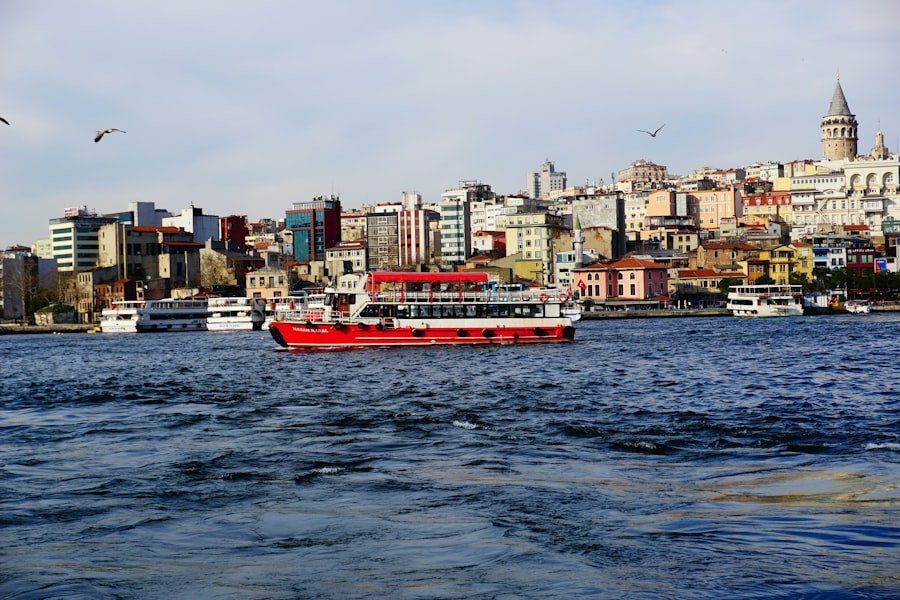
As day one unfolds, no visit to Istanbul would be complete without experiencing the enchanting Bosphorus Strait. This waterway not only separates Europe from Asia but also offers breathtaking views of the city’s skyline dotted with palaces, mosques, and historic fortresses. A leisurely boat cruise along the Bosphorus provides an unparalleled perspective of Istanbul’s beauty.
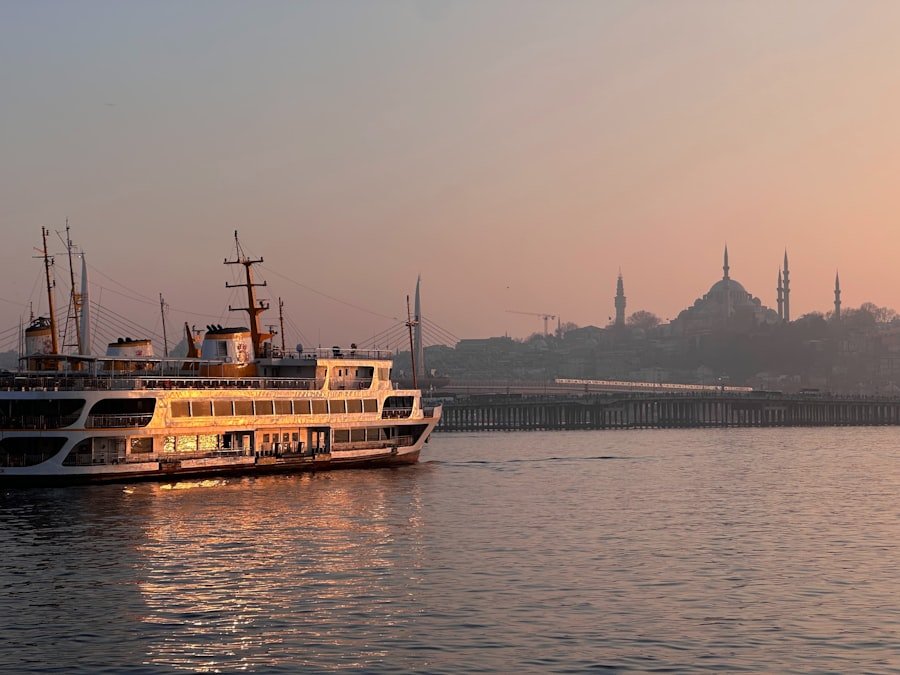
Many tour operators offer guided cruises that include stops at notable landmarks such as Dolmabahçe Palace and Rumeli Fortress. For those seeking a more intimate experience, renting a private boat or taking a ferry ride at sunset can be magical. The golden hues reflecting off the water create an ethereal atmosphere as one glides past picturesque waterfront mansions known as yalis.
The gentle lapping of waves against the hull and the cool breeze make for a serene escape from the bustling city streets. As night descends, dining at one of the waterfront restaurants while watching the illuminated skyline adds a romantic touch to the day’s adventures.
Day 2: Immersing in the Culture
The second day in Istanbul should be dedicated to immersing oneself in its rich cultural tapestry. A visit to the Topkapi Palace is essential for understanding the opulence of the Ottoman Empire. Once home to sultans and their courts, this sprawling complex houses an impressive collection of artifacts, including exquisite jewelry, ornate weaponry, and sacred relics.
Walking through its courtyards and gardens offers insight into royal life while providing stunning views of the Bosphorus. Following this historical exploration, one can delve into Istanbul’s vibrant arts scene by visiting contemporary art galleries in neighborhoods like Karaköy and Beyoğlu. The Istanbul Modern Museum showcases both Turkish and international artists, offering a glimpse into modern artistic expressions that contrast sharply with the city’s ancient architecture.
Engaging with local artists or attending workshops can further enhance this cultural immersion, allowing visitors to appreciate Istanbul not just as a historical site but as a living canvas of creativity.
Day 2: Shopping in Istanbul
Shopping in Istanbul is an experience that transcends mere retail therapy; it is an exploration of culture and tradition. The Grand Bazaar, one of the largest and oldest covered markets in the world, is an essential stop for any visitor. With over 4,000 shops spread across winding alleys, it offers everything from intricate carpets and handcrafted jewelry to spices and textiles.
Bargaining is part of the experience here; engaging with shopkeepers can lead to delightful exchanges and unique finds. In addition to traditional markets, modern shopping districts like Nişantaşı offer high-end boutiques and designer stores that cater to contemporary tastes. Here, one can find both international brands and local designers showcasing their latest collections.
The contrast between these shopping experiences highlights Istanbul’s ability to blend tradition with modernity seamlessly. Whether hunting for souvenirs or indulging in luxury goods, shopping in Istanbul provides an opportunity to take home a piece of this enchanting city.
Day 2: Relaxing in the Turkish Baths
After a day filled with cultural exploration and shopping, unwinding at a traditional Turkish bath, or hamam, is an ideal way to relax and rejuvenate. These baths have been an integral part of Turkish culture for centuries, serving as social hubs where people gather to cleanse both body and mind. The experience typically begins with a warm steam session that opens up pores followed by an invigorating scrub using a kese (exfoliating glove) to remove dead skin.
One of the most famous hamams in Istanbul is Çemberlitaş Hamamı, built in 1584 by architect Mimar Sinan. Its stunning architecture features high domed ceilings adorned with intricate mosaics that create an atmosphere of tranquility. After the scrub, guests can indulge in a soothing massage using aromatic oils that leave them feeling refreshed and revitalized.
This ritual not only promotes physical well-being but also offers a moment of reflection amidst the hustle and bustle of city life.
Istanbul, a City of Wonders
Istanbul stands as a testament to human creativity and resilience throughout history. Its ability to blend diverse cultures while preserving its rich heritage makes it a unique destination for travelers seeking both adventure and enlightenment. From exploring ancient sites like Hagia Sophia and Topkapi Palace to indulging in culinary delights and immersing oneself in local traditions, every moment spent in this city reveals new layers of wonder.
The Bosphorus serves as both a literal and metaphorical bridge between East and West, embodying Istanbul’s duality as it continues to evolve while honoring its past. Whether one finds joy in shopping at bustling bazaars or unwinding in serene hamams, Istanbul offers experiences that resonate long after leaving its shores. This city invites exploration at every turn; each alleyway holds stories waiting to be discovered, making it an unforgettable destination for those willing to embrace its magic.
If you’re looking to explore the culinary delights of Istanbul during your two-day itinerary, you may want to check out this article on delicious homemade cottage cheese. This simple and healthy recipe could be a great addition to your travel experience as you sample the local cuisine in Istanbul.
FAQs
What is the best time to visit Istanbul?
The best time to visit Istanbul is during the spring (April to May) and fall (September to November) when the weather is mild and the tourist crowds are smaller.
What are the must-see attractions in Istanbul for a two-day itinerary?
Some must-see attractions in Istanbul for a two-day itinerary include the Hagia Sophia, Blue Mosque, Topkapi Palace, Grand Bazaar, and the Bosphorus Cruise.
What is the best way to get around Istanbul for a two-day visit?
The best way to get around Istanbul for a two-day visit is by using the city’s efficient public transportation system, including trams, ferries, and the metro. Taxis and ridesharing services are also available.
What are some recommended dining options in Istanbul for a two-day visit?
Some recommended dining options in Istanbul for a two-day visit include trying traditional Turkish cuisine at local restaurants, sampling street food at the various food stalls, and enjoying a meal with a view at a rooftop restaurant.
Is it necessary to purchase a museum pass for a two-day visit to Istanbul?
It is not necessary to purchase a museum pass for a two-day visit to Istanbul, as most of the major attractions can be visited individually with separate entrance fees. However, a museum pass may be beneficial for those planning to visit multiple museums and attractions.