Last updated: August 22, 2026
A practical Schaffhausen itinerary for 2 days should combine the medieval Old Town, Rhine Falls, Munot Fortress and the region’s Pinot Noir culture without rushing between attractions. Spend Day 1 exploring central Schaffhausen before continuing to Rhine Falls, then use Day 2 for Munot, the vineyards and a relaxed stretch beside the Rhine. If you want to see more of the wider region, Stein am Rhein is the best alternative for part of the second day. This guide also explains how to arrive from Zurich, which side of Rhine Falls to choose, what current admission costs to expect, and where to leave extra time.
Schaffhausen 2-Day Itinerary at a Glance
| Time | Day 1 | Day 2 |
|---|---|---|
| Morning | Schaffhausen Old Town and Allerheiligen | Munot Fortress and viewpoints |
| Afternoon | Rhine Falls and viewing platforms | Schaffhausen wine region or optional Stein am Rhein trip |
| Evening | Regional food and Schaffhausen wine | Rhine promenade and souvenir shopping |
How to Get to Schaffhausen
Zurich Airport is the most convenient major international gateway for Schaffhausen. Direct S24 trains operate between Zürich Flughafen and Schaffhausen, with some 2026 services taking about 49 minutes. Other connections may involve a change, so check the timetable for your exact travel date before leaving.
Schaffhausen railway station is beside the historic center, making a car unnecessary for this itinerary. If you are driving from Zurich, follow the motorway toward Schaffhausen and allow extra time for traffic. Travelers arriving from Germany can approach through the A81 corridor. A Swiss motorway vignette is required when using applicable Swiss national roads, including from the border at Thayngen.
For current rail connections, use the SBB timetable. Drivers planning to visit Rhine Falls should also review the official Rhine Falls arrival information before traveling.
Key Takeaways
- Two days are enough for the main sights of Schaffhausen and Rhine Falls at a comfortable pace.
- Keep the Old Town, Allerheiligen and Rhine Falls together on Day 1.
- Use Day 2 for Munot, the Rhine and the Schaffhausen Pinot Noir region.
- The Neuhausen side of Rhine Falls has no general entrance fee, while the Schloss Laufen side currently charges for its viewing-platform experience.
- There is no regular boat service from Schaffhausen directly to Rhine Falls.
- Stein am Rhein is the strongest alternative if you prefer another historic town instead of a longer wine-focused afternoon.
Day 1: Exploring the Old Town
Begin your first morning in Schaffhausen’s compact Old Town. The historic center is known for its painted façades, winding pedestrian streets and 171 oriel windows. Instead of trying to see every building, focus on Vordergasse, Fronwagplatz, Haus zum Ritter and the streets around Allerheiligen.
The historic Town Hall dates to 1412 and includes the Council Chamber, Town Hall Arbour and Town Hall Arch. Haus zum Ritter is another important stop, particularly for its Renaissance façade paintings.
Continue to the former Benedictine complex at Allerheiligen. Its minster, cloister and surrounding historic spaces provide one of the clearest introductions to Schaffhausen’s medieval history. The Museum zu Allerheiligen is also located here if you want to spend more time on archaeology, art and local history.
Official tourism information and current attraction details are available through Schaffhauserland Tourism.
Day 1: Visiting the Rhine Falls
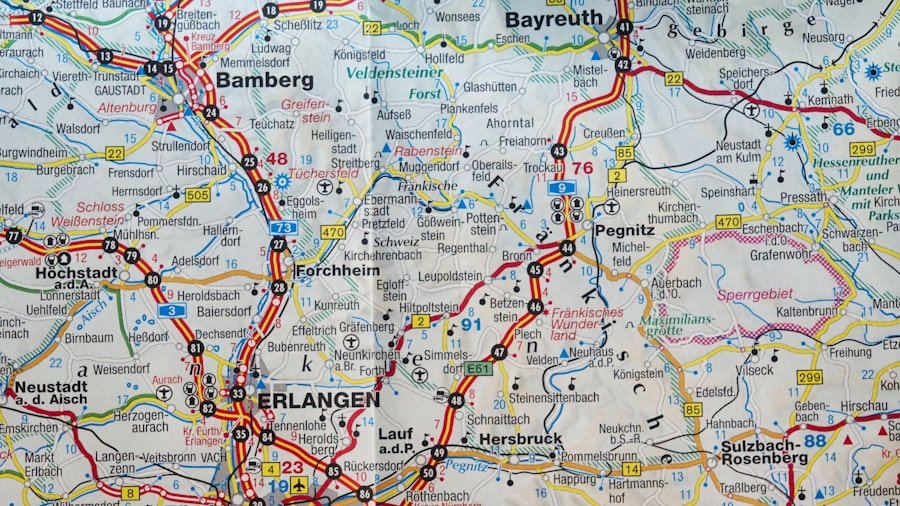
Spend the afternoon at Rhine Falls, the natural highlight of a Schaffhausen itinerary. The waterfall is approximately 150 meters wide and 23 meters high, making it the largest waterfall in Europe.
From Schaffhausen, one of the easiest public-transport options is to travel to Neuhausen Rheinfall railway station and walk about eight minutes to the falls. Bus No. 1 can also take you toward Neuhausen, followed by a short walk. Another rail option is Schloss Laufen am Rheinfall on the opposite side.
Which Side of Rhine Falls Should You Visit?
Choose the Neuhausen side if you want a straightforward visit with no general entrance fee to the Rhine Falls area. This side provides access around Schlössli Wörth and the basin.
Choose the Schloss Laufen side if close viewing platforms and the castle experience matter more. As of August 2026, admission is CHF 5 for adults and CHF 3 for children ages 6 to 15, with Historama and the viewing platforms included. Prices can change, so confirm them before your trip.
Boat excursions operate within the Rhine Falls basin and can provide closer views of the waterfall. However, do not confuse these with transport from Schaffhausen: the official Rhine Falls information states that there is no boat service between Schaffhausen and Rhine Falls. Travelers should use a train, bus, walking route or seasonal Rhyfall Express instead.
If you enjoy walking, an official tourism-backed route runs from Schaffhausen to Rhine Falls along the Rhine for roughly 5.6 km. It is estimated at about 1 hour 25 minutes and can replace the short train ride when the weather is good.
Check current fees, access information and transport before departure on the official Rhine Falls website.
Day 1: Enjoying Local Cuisine
Return to Schaffhausen for dinner and focus on regional food rather than generic Swiss dishes alone. Schaffhauserland Tourism documents specialties such as Riesling soup, Schaffhauser Bölletünne, an onion-and-bacon tart, and traditional local pastries.
Wine is equally important to the region. Schaffhausen belongs to Blauburgunderland, or Pinot Noir country, and Pinot Noir accounts for roughly 60% of the region’s vineyard area. Riesling-Sylvaner and other white wines are also produced, but Pinot Noir is the defining grape.
For something sweet, Schaffhauserzungen are another established local specialty. They can also make an easy edible souvenir if you do not want to carry wine home.
Day 2: Discovering the Munot Fortress
Start Day 2 at Munot Fortress, Schaffhausen’s landmark above the Old Town. The circular fortress was built in the 16th century and provides broad views over the rooftops, Rhine and surrounding vineyards.
The generally accessible sections of Munot are free. Current official guidance lists opening hours of 8:00 a.m. to 8:00 p.m. from May through September and 9:00 a.m. to 5:00 p.m. from October through April. Special events can affect access, so check before climbing up.
The climb is part of the experience. Official tourism material describes 277 steps to the fortress. Once there, allow time for the battlements and panorama rather than treating Munot as a quick photo stop.
One of Munot’s unusual traditions occurs every evening at 9:00 p.m., when the Munot bell is rung by hand. If you are staying overnight nearby, this gives you another reason to return after the daytime visit.
Current visitor information is available from Schaffhauserland’s Munot page.
Day 2: Exploring the Surrounding Vineyards
After Munot, shift from city history to Schaffhausen’s wine landscape. The surrounding region is known as Schaffhauser Blauburgunderland, reflecting the importance of Pinot Noir to local viticulture.
A winery visit works best if you reserve in advance, because tasting availability varies by producer and season. Rather than choosing a vineyard simply because it is nearby, look for a tasting that explains the region’s soils, grape growing and different Pinot Noir styles.
If you do not want to organize a trip into the countryside, Vinorama at the Schaffhausen Visitor Centre offers a more convenient introduction to regional wine in the Old Town. This is especially useful for travelers relying entirely on public transport.
Wine tastings involve alcohol, so use public transport or arrange a non-drinking driver if your itinerary includes a winery outside the city.
Day 2: Relaxing by the River
Return to the Rhine for a slower part of the afternoon. The Lindli riverside promenade is better suited to this itinerary than trying to fit another major attraction into the day. Walk beneath the trees, find a bench or stop for a drink while watching river traffic.
Swimming is possible at designated river-bathing areas during suitable conditions, but the Rhine has currents and should not be treated like a still lake. Use established bathing areas and follow local safety information rather than entering the river from an arbitrary point along the bank.
If the weather is poor, substitute an indoor attraction such as Museum zu Allerheiligen or the IWC Museum instead of forcing the river portion of the itinerary.
Optional Day 2 Alternative: Visit Stein am Rhein
If medieval architecture interests you more than wine, use part of Day 2 for Stein am Rhein. Schaffhauserland’s own two-day itinerary combines Schaffhausen with Stein am Rhein, where painted façades, the compact medieval center and St. Georgen monastery provide a different experience from Schaffhausen.
Regional trains are the more dependable way to plan this side trip. Seasonal boats normally operate along parts of the Rhine, but river conditions can alter services. In August 2026, the URh operator is reporting low-water restrictions affecting sections of the Schaffhausen-Stein am Rhein route, so check the live timetable rather than building your day around an assumed boat connection.
Choose this alternative if another historic town is a higher priority than vineyard tasting and an extended riverside afternoon.
Day 2: Shopping for Local Souvenirs
Finish the trip in the Old Town, where small shops and the Visitor Centre make it easy to look for something genuinely connected to Schaffhausen.
Regional Pinot Noir is an obvious choice for travelers who can transport alcohol legally and safely. Local confectionery such as Schaffhauserzungen is easier to pack, while regional crafts and food products offer alternatives to generic Swiss souvenirs.
Avoid leaving souvenir shopping until after every attraction has closed. Shop opening hours in Switzerland can be shorter on Saturdays and particularly limited on Sundays.
Practical Tips for a 2-Day Schaffhausen Itinerary
- Stay near the station or Old Town: most central sights can then be reached on foot.
- Check Rhine Falls conditions: boat excursions, lifts and some visitor services can have separate operating schedules even though the falls themselves are accessible year-round.
- Wear comfortable shoes: cobblestones, stairs at Munot and the paths around Rhine Falls add more walking than the map initially suggests.
- Use public transport for wine tasting: this avoids driving after consuming alcohol.
- Keep one indoor backup: Museum zu Allerheiligen or another museum makes the itinerary more resilient in rain.
- Check current river transport: water level, storms and other conditions can disrupt Rhine boat services.
Is Two Days in Schaffhausen Worth It?
Two days give you enough time to see Schaffhausen without reducing the trip to a quick Rhine Falls stop. Use the first day for the Old Town, Allerheiligen and Rhine Falls, then spend the second around Munot, the Pinot Noir region and the Rhine. Travelers who prefer architecture to wine can exchange part of Day 2 for Stein am Rhein. The most important planning step is to check current transport and attraction information shortly before departure, especially for Rhine Falls boats and regional river services.
Frequently Asked Questions About a Schaffhausen Itinerary
Is two days enough for Schaffhausen?
Yes. Two days are enough to combine Schaffhausen Old Town, Allerheiligen, Rhine Falls and Munot without rushing. A second day also leaves room for the local wine region, a Rhine riverside walk or a side trip to Stein am Rhein. Travelers mainly interested in Rhine Falls and the Old Town can cover the highlights in one long day.
How do you get from Schaffhausen to Rhine Falls?
You can travel from Schaffhausen to Rhine Falls by local train, bus or on foot. Neuhausen Rheinfall railway station is about an eight-minute walk from the falls, while bus No. 1 reaches Neuhausen with a short walk afterward. An official riverside walking route is about 5.6 km and takes roughly 1 hour 25 minutes.
Is Rhine Falls free to visit?
The Neuhausen side of Rhine Falls has no general entrance fee. On the Schloss Laufen side, admission currently costs CHF 5 for adults and CHF 3 for children ages 6 to 15 and includes access to Historama and viewing platforms. Boat rides and some other attractions cost extra. Check current prices before visiting.
Can you take a boat from Schaffhausen to Rhine Falls?
No. The official Rhine Falls information states that there is no boat service between Schaffhausen and Rhine Falls. Boat excursions operate in the Rhine Falls basin, but they are not transportation from central Schaffhausen. Use a train, bus, walking route or the seasonal Rhyfall Express to travel between Schaffhausen and the falls.
What is Schaffhausen known for?
Schaffhausen is best known for its medieval Old Town, 171 decorative oriel windows, Munot Fortress and its location beside the Rhine near Rhine Falls. The surrounding canton is also an important Swiss Pinot Noir region known as Blauburgunderland, making wine culture a useful addition to a two-day itinerary.