

Fatih, a vibrant district in the heart of Istanbul, serves as a living testament to the city’s rich tapestry of history and culture. Named after Sultan Mehmed II, who conquered Constantinople in 1453, Fatih is often regarded as the historical nucleus of Istanbul. This area is not merely a geographical location; it embodies the convergence of diverse civilizations, where the echoes of Byzantine and Ottoman empires resonate through its streets, architecture, and daily life.
The district is characterized by its bustling markets, ancient mosques, and a blend of modernity with tradition, making it a must-visit for anyone seeking to understand the essence of Istanbul. As one traverses the streets of Fatih, it becomes evident that this district is a microcosm of Istanbul itself. The juxtaposition of ancient structures alongside contemporary life creates a unique atmosphere that captivates both locals and tourists alike.
The vibrant bazaars, historic sites, and the warmth of the local community invite exploration and discovery. Fatih is not just a destination; it is an experience that immerses visitors in the rich cultural heritage that has shaped Istanbul over centuries.
Key Takeaways
- Fatih is a historic district in Istanbul, Turkey, known for its rich Byzantine and Ottoman heritage.
- Visitors can explore historic mosques such as the Fatih Mosque and the Suleymaniye Mosque, showcasing stunning architecture and intricate designs.
- The Grand Bazaar in Fatih offers a vibrant and bustling atmosphere, perfect for strolling and shopping for traditional Turkish goods.
- Charming neighborhoods like Balat and Fener are filled with colorful houses, narrow streets, and a unique atmosphere that captures the essence of Fatih.
- Sampling traditional Turkish cuisine in Fatih is a must, with a wide variety of delicious dishes and flavors to experience.
Exploring the Byzantine and Ottoman Heritage
The historical significance of Fatih is deeply rooted in its Byzantine and Ottoman heritage, which can be observed in its architecture and landmarks. The district is home to several key sites that reflect the grandeur of these two empires. One of the most notable is the Hagia Sophia, originally constructed as a cathedral in 537 AD during the reign of Emperor Justinian
In addition to Hagia Sophia, Fatih boasts the remnants of the Byzantine walls that once protected Constantinople. These formidable fortifications, some sections of which still stand today, are a testament to the city’s strategic importance throughout history. Walking along these ancient walls provides a palpable connection to the past, allowing one to imagine the sieges and battles that took place in this pivotal location.
The district also features the Chora Church, renowned for its exquisite frescoes and mosaics that depict biblical scenes, showcasing the artistic achievements of the Byzantine era. The Ottoman influence is equally prominent in Fatih, with numerous mosques and palaces that reflect the empire’s architectural prowess. The Suleymaniye Mosque, designed by the famed architect Mimar Sinan, is a prime example of Ottoman architecture at its zenith.
Completed in 1557, this grand mosque not only serves as a place of worship but also as a cultural hub, housing a complex that includes a school, library, and hospital. Its majestic dome and intricate tile work exemplify the beauty and sophistication of Ottoman design.
Visiting the Historic Mosques
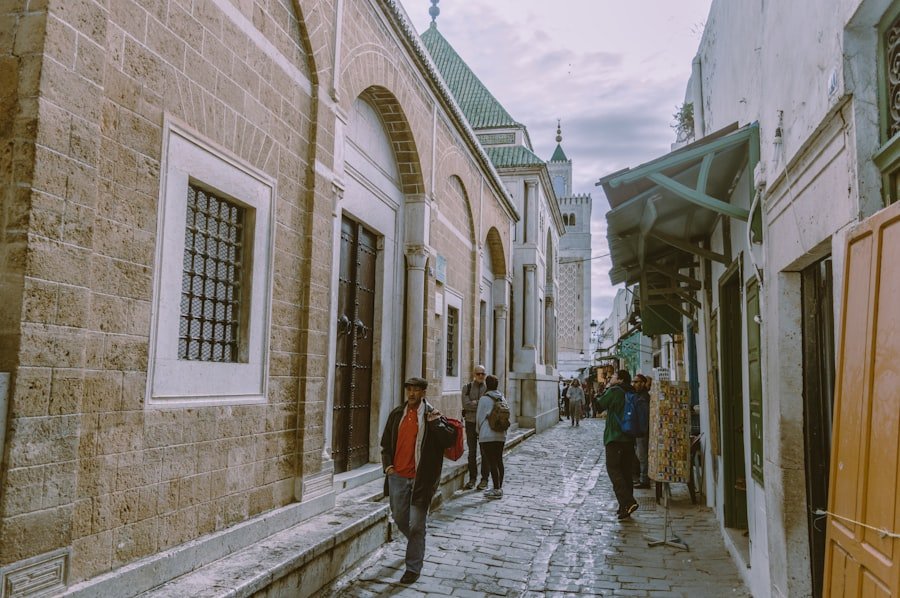
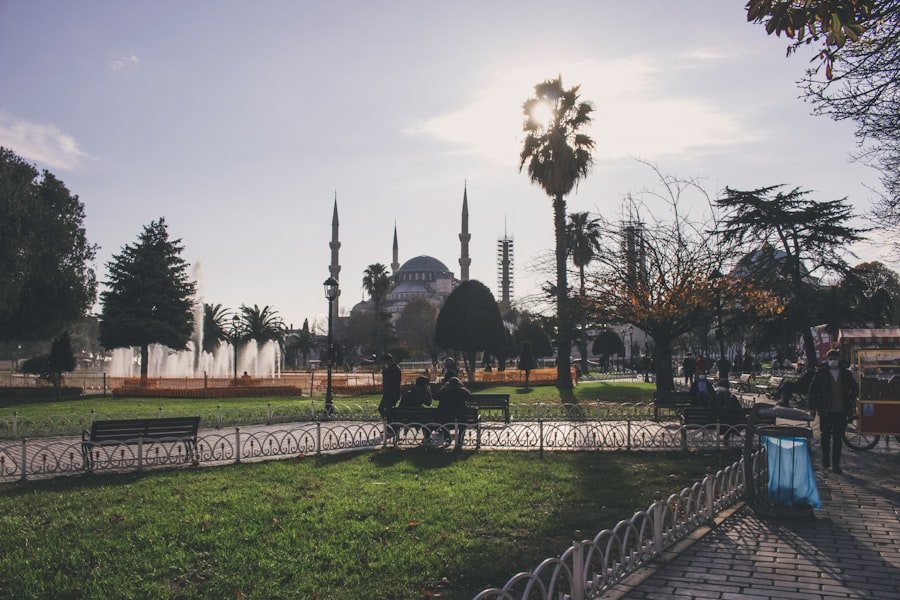
Fatih is home to some of Istanbul’s most iconic mosques, each with its own unique history and architectural style. The Blue Mosque, or Sultan Ahmed Mosque, is perhaps the most famous among them. Completed in 1616, it is celebrated for its stunning blue tiles that adorn its interior and its six minarets that reach towards the sky.
Visitors are often awestruck by the mosque’s grandeur and serene atmosphere, which invites reflection and contemplation. The harmonious blend of Islamic calligraphy and intricate floral patterns creates an ambiance that is both spiritual and artistic. Another significant mosque in Fatih is the Eyüp Sultan Mosque, located near the Golden Horn.
This mosque holds great religious importance for Muslims as it is believed to be the burial site of Abu Ayyub al-Ansari, a companion of the Prophet Muhammad. The mosque complex includes a beautiful courtyard and a cemetery filled with ornate tombstones. Pilgrims and visitors alike flock to this site not only for its spiritual significance but also for its stunning views of the surrounding area.
The Eyüp district itself has become a popular destination for those seeking to experience traditional Turkish culture. The Fatih district also features lesser-known mosques that are equally captivating. The Mihrimah Sultan Mosque, built in honor of Sultan Suleiman’s daughter, showcases exquisite tile work and an elegant design that reflects the influence of Mimar Sinan.
Each mosque tells a story of devotion and artistry, inviting visitors to explore their historical contexts while appreciating their architectural beauty.
Strolling through the Grand Bazaar
| Metrics | Data |
|---|---|
| Number of Shops | 4,000 |
| Size | 31,000 square meters |
| Visitors per day | 250,000 – 400,000 |
| History | Over 550 years old |
No visit to Fatih would be complete without wandering through the Grand Bazaar, one of the largest and oldest covered markets in the world. Established in the 15th century, this sprawling labyrinth of shops offers an unparalleled shopping experience steeped in history. With over 4,000 shops spread across 61 streets, visitors can find everything from intricate carpets and handmade jewelry to spices and traditional Turkish delights.
The vibrant colors and enticing aromas create an atmosphere that is both exhilarating and overwhelming. As one navigates through the bustling alleys of the Grand Bazaar, it becomes clear that this market is not just about commerce; it is a cultural hub where artisans showcase their craftsmanship. Many shopkeepers are eager to share their knowledge about their products, offering insights into traditional techniques passed down through generations.
Haggling is an integral part of the shopping experience here, adding an element of excitement as visitors engage with vendors to negotiate prices. Beyond shopping, the Grand Bazaar serves as a social space where locals gather to exchange stories and enjoy each other’s company over cups of Turkish tea or coffee. The market’s historical significance is palpable; it has witnessed centuries of trade and interaction between diverse cultures.
For many visitors, exploring the Grand Bazaar is not just about acquiring souvenirs but also about immersing themselves in the vibrant tapestry of Istanbul’s daily life.
Discovering the Charming Neighborhoods
Fatih is characterized by its charming neighborhoods, each with its own distinct personality and allure. One such neighborhood is Balat, known for its colorful houses and narrow streets that evoke a sense of nostalgia. Once home to a diverse community of Jews, Greeks, and Armenians, Balat retains its multicultural essence today.
Visitors can explore quaint cafes, vintage shops, and art galleries that reflect the neighborhood’s artistic spirit. The vibrant street art adorning many buildings adds a contemporary touch to this historic area. Another neighborhood worth exploring is Fener, which boasts a rich history tied to the Greek Orthodox community.
The Fener Greek Patriarchate is located here, making it an important religious site for Orthodox Christians worldwide. The area features beautiful churches with stunning architecture, such as the Church of St. George, which houses sacred relics and serves as a pilgrimage site for many believers.
Strolling through Fener allows visitors to appreciate not only its historical significance but also its picturesque streets lined with charming cafes and local shops. The neighborhoods of Fatih are also home to friendly locals who are often eager to share their stories and traditions with visitors. Engaging with residents can provide valuable insights into daily life in Istanbul and foster connections that transcend cultural boundaries.
Whether it’s enjoying a cup of tea at a local café or participating in community events, exploring these neighborhoods offers an authentic glimpse into the heart of Fatih.
Sampling Traditional Turkish Cuisine
A visit to Fatih would be incomplete without indulging in traditional Turkish cuisine, which reflects the region’s rich culinary heritage. The district is dotted with eateries ranging from street vendors to upscale restaurants, each offering delectable dishes that tantalize the taste buds. One cannot visit without trying kebabs—grilled meats marinated with aromatic spices—served with fresh bread and tangy sauces.
The famous döner kebab originated from this region and has become a beloved dish worldwide. Another must-try delicacy is meze—a selection of small dishes served as appetizers—often enjoyed with raki, an anise-flavored alcoholic beverage. Meze can include items such as hummus, stuffed grape leaves (dolma), and eggplant salad (babaganoush).
These dishes not only showcase Turkey’s diverse flavors but also encourage communal dining experiences where friends and family gather around shared plates. For those with a sweet tooth, Turkish delight (lokum) offers a delightful treat that comes in various flavors and textures. This confectionery has been enjoyed for centuries and remains a popular choice among locals and tourists alike.
Additionally, baklava—a rich pastry made with layers of filo dough filled with nuts and sweetened with syrup—provides a perfect ending to any meal. Fatih’s culinary scene also reflects its multicultural heritage; one can find influences from various regions within Turkey as well as neighboring countries. Exploring local markets reveals an abundance of fresh produce, spices, and herbs that contribute to the vibrant flavors found in Turkish dishes.
Dining in Fatih is not just about satisfying hunger; it is an opportunity to engage with local culture through food.
Exploring the Waterfront and Golden Horn
The waterfront area along the Golden Horn offers breathtaking views and opportunities for leisurely exploration in Fatih. This natural harbor has played a crucial role in Istanbul’s history as a center for trade and commerce since ancient times. Today, it serves as a picturesque setting for both locals and tourists seeking respite from the bustling city streets.
One popular activity along the Golden Horn is taking a ferry ride that provides stunning vistas of Istanbul’s skyline dotted with minarets and domes. As one glides across the water, it becomes apparent how integral this waterway has been to Istanbul’s development over centuries. The ferry ride offers unique perspectives on iconic landmarks such as Galata Tower and Topkapi Palace while allowing passengers to appreciate the beauty of both sides of the city.
The waterfront area also features parks and promenades where visitors can relax or enjoy outdoor activities such as cycling or jogging along scenic paths lined with trees. Cafes dotting the shoreline invite guests to savor traditional Turkish tea or coffee while soaking in views of passing boats and fishermen casting their lines into the water. Moreover, exploring neighborhoods like Eyüp along the Golden Horn reveals hidden gems such as historic cemeteries filled with ornate tombstones that tell stories from centuries past.
This area exudes tranquility amidst urban life—a perfect spot for reflection or simply enjoying nature’s beauty within an urban setting.
The Timeless Beauty of Fatih
Fatih stands as a remarkable embodiment of Istanbul’s historical richness and cultural diversity. From its Byzantine roots to Ottoman grandeur, every corner tells a story waiting to be discovered by those willing to explore its depths. The district’s mosques serve not only as places of worship but also as architectural masterpieces that reflect centuries of artistic achievement.
Wandering through neighborhoods like Balat and Fener reveals layers upon layers of history intertwined with modern life—a testament to resilience amidst change over time. The Grand Bazaar pulsates with energy while offering glimpses into traditional craftsmanship still thriving today. Culinary delights tantalize taste buds while waterfront views provide moments for reflection amidst bustling city life—each experience contributing uniquely towards understanding what makes Fatih so special within Istanbul’s vast landscape.
In essence, visiting Fatih transcends mere sightseeing; it invites individuals into an immersive journey through time where past meets present seamlessly—a timeless beauty that continues captivating hearts long after leaving its enchanting streets behind.
If you’re looking for a unique and immersive experience in Istanbul, consider taking a walking tour of Fatih. This historic district is filled with fascinating landmarks and cultural sites that offer a glimpse into the city’s rich past. As you explore the area, you’ll have the opportunity to visit stunning mosques, bustling markets, and charming cafes. For more travel inspiration, check out this article on exploring the delightful world of Asian melon here.
FAQs
What is a walking tour of Fatih?
A walking tour of Fatih is a guided tour on foot through the historic district of Fatih in Istanbul, Turkey. It typically includes visits to important landmarks, historical sites, and cultural attractions.
What are some popular attractions to visit on a walking tour of Fatih?
Some popular attractions to visit on a walking tour of Fatih include the Fatih Mosque, the Valens Aqueduct, the Church of St. George, the Zeyrek Mosque, and the historic neighborhoods of Fener and Balat.
How long does a walking tour of Fatih typically last?
A walking tour of Fatih can vary in length depending on the specific itinerary and the pace of the group, but it generally lasts around 3-4 hours.
What should I wear and bring on a walking tour of Fatih?
It is recommended to wear comfortable walking shoes and weather-appropriate clothing. It’s also a good idea to bring a bottle of water, sunscreen, and a camera for capturing the sights along the way.
Are there guided walking tours available for exploring Fatih?
Yes, there are guided walking tours available for exploring Fatih. These tours are led by knowledgeable guides who provide historical and cultural insights about the district and its attractions.