Tuscaloosa, Alabama, mixes college traditions, riverfront scenery, museums, outdoor recreation, Southern food, live music, and one of the country’s best-known college football settings. You can spend a weekend exploring The University of Alabama, walking beside the Black Warrior River, visiting local museums, eating barbecue, or getting outside at nearby lakes and parks.
Quick Answer
Some of the best things to do in Tuscaloosa include exploring The University of Alabama campus, walking the Tuscaloosa Riverwalk, visiting the Alabama Museum of Natural History, enjoying Lake Tuscaloosa or Lake Lurleen State Park, eating local barbecue, browsing downtown arts and markets, and attending Crimson Tide sporting events.
Key Takeaways
- The University of Alabama campus combines historic landmarks, museums, sports venues, and large green spaces that are easy to explore on foot.
- Lake Tuscaloosa is best known for boating, fishing, and scenic water views, while nearby Lake Lurleen State Park is the stronger choice for hiking and mountain biking.
- The roughly 4.5-mile Tuscaloosa Riverwalk offers one of the easiest ways to enjoy the Black Warrior River close to downtown.
- Football weekends can dramatically increase traffic and crowds, so visitors who are not attending a game may prefer non-game weekends.
- Several worthwhile activities, including walking the Riverwalk, exploring campus landmarks, browsing downtown, and visiting the Paul R. Jones Museum, can be free.
Explore The University of Alabama Campus
The University of Alabama is one of Tuscaloosa’s defining attractions even if you are not visiting as a student or attending a sporting event. The campus combines historic buildings, landscaped green spaces, museums, athletic facilities, and landmarks tied to the university’s history.
Start around the Quad, a 22-acre green space in the center of campus. Nearby Denny Chimes is a 115-foot tower built in 1929 in honor of former University President George H. Denny. According to the university, the tower rings every quarter hour and plays the alma mater daily at noon. You can learn more through the university’s 2025–2026 Profile of Excellence.
Around the base of Denny Chimes, the Walk of Fame preserves handprints and footprints from University of Alabama football captains. Other campus landmarks worth seeing include the President’s Mansion, Foster Auditorium, Malone-Hood Plaza, the Walk of Champions, and Bryant-Denny Stadium.
Pro Tip: If you mainly want architecture, museums, and campus photos, visit on a weekday or a non-football weekend. Home-game Saturdays can bring major traffic, parking restrictions, and much larger crowds.
Enjoy Outdoor Activities at Lake Tuscaloosa
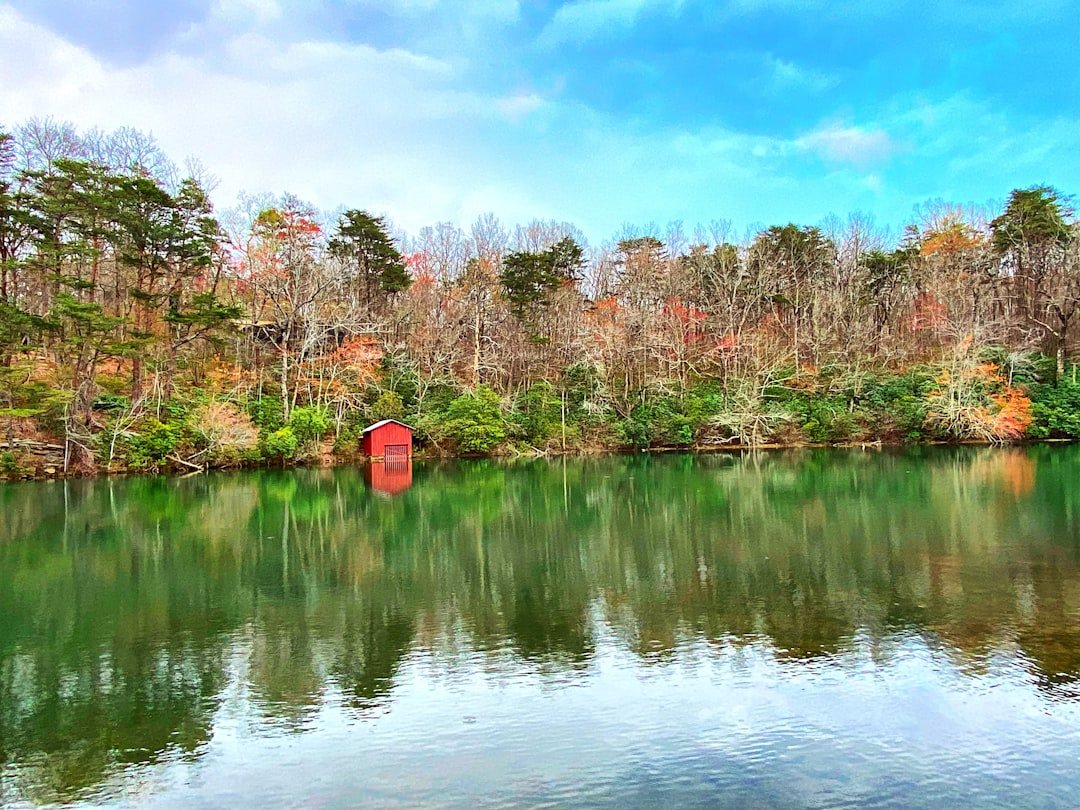
Lake Tuscaloosa is a 5,885-acre reservoir north of the city with about 177 miles of shoreline. It was built as a water-supply reservoir and remains Tuscaloosa’s primary source of drinking water while also supporting recreation. Official information is available from the City of Tuscaloosa Lakes Division and Outdoor Alabama.
Boating and fishing are among the lake’s most established recreational uses. Public boat launches include Binion Creek, Rock Quarry, and Sharps Landing. Anglers may encounter species such as Alabama spotted bass, largemouth bass, bluegill, crappie, and catfish.
Lake Tuscaloosa covers 5,885 acres and is both a major recreation area and Tuscaloosa’s primary drinking-water reservoir.
Do not assume that Lake Tuscaloosa has the same public trail network as a state park. If hiking or mountain biking is your priority, nearby Lake Lurleen State Park is a better fit. The Alabama State Parks system lists more than 23 miles of multi-use trails there, along with fishing, swimming, paddling, picnicking, and playgrounds.
Warning: Conditions, access points, boating rules, weather, and water conditions can change. Check current lake or park information before swimming, launching a boat, or planning a long outdoor outing, and use extra caution during Alabama’s hottest summer afternoons.
Visit the Tuscaloosa Riverwalk and Mercedes-Benz Amphitheater

The Tuscaloosa Riverwalk follows the Black Warrior River close to downtown. Current tourism information describes the main southern Riverwalk as approximately 4.5 miles, providing a paved route for walking, jogging, cycling, picnics, and casual sightseeing. See the current overview from Visit Tuscaloosa.
Benches, river views, shade, and nearby parks make the route suitable for anything from a short stroll to a longer walk. The riverfront is especially pleasant when temperatures are lower in the morning or near sunset.
Beside the riverfront is the Mercedes-Benz Amphitheater, the current name of the city’s large outdoor entertainment venue. It hosts concerts and community events within easy reach of downtown.
If you are attending an event, check the venue’s current rules before leaving. The amphitheater is cashless, uses a clear-bag policy, limits on-site parking, and generally holds events rain or shine. Accessible seating and limited ADA parking are available, while free downtown parking and event shuttles may also be offered according to current venue policies.
Note: The amphitheater warns that it is not a lightning- or tornado-safe facility. Check the event forecast and official venue updates when severe weather is possible.
Discover Alabama’s Natural History
The Alabama Museum of Natural History is located in Smith Hall on The University of Alabama campus. Rather than focusing only on Tuscaloosa history, its exhibits explore hundreds of millions of years of Alabama’s geological, biological, archaeological, and cultural story.
| Exhibit or Highlight | What You Can See | Why It Stands Out |
|---|---|---|
| Basilosaurus | A roughly 60-foot skeleton of an ancient toothed whale | Basilosaurus is Alabama’s state fossil and lived when much of the region was covered by ocean. |
| Coal Age Alabama | Plant fossils and ancient footprints | The display includes fossils approximately 320 million years old. |
| Ice Age Alabama | Mammoth, mastodon, bison, deer, and other Pleistocene material | It helps visitors understand animals that lived in Alabama during repeated Ice Age periods. |
| Cretaceous Alabama | Mosasaurs, marine reptiles, fish, turtles, and dinosaur material | The exhibits show what Alabama was like when much of the state lay beneath ancient seas. |
| Autherine Lucy Foster Exhibition | A 2026 exhibition connected to the integration of The University of Alabama | Smith Hall witnessed events surrounding Autherine Lucy Foster’s enrollment in 1956. |
The museum’s Grand Gallery is particularly memorable because large fossils are displayed within the historic architecture of Smith Hall. Exhibitions and programs can change, so check the museum’s official exhibits page before visiting.
Sample Tuscaloosa’s Local Food and Craft Beer
Tuscaloosa has dining options ranging from traditional Southern food and barbecue to seafood, international restaurants, cafés, and contemporary dining. One of the city’s best-known institutions is Dreamland BBQ. The original Tuscaloosa location dates to 1958 and remains especially associated with ribs and its signature barbecue sauce.
Visitors interested in local craft beer can also consider Druid City Brewing Company, which opened in 2012 and is recognized locally as Tuscaloosa’s original craft brewery. Its taproom provides a casual place for adults of legal drinking age to try locally produced beer.
Downtown Tuscaloosa has enough restaurants and cafés that you can pair dinner with the Riverwalk, a gallery visit, a concert, or an evening walk without spending the whole day driving between attractions.
Attend a Game at Bryant-Denny Stadium or Coleman Coliseum

College sports are central to Tuscaloosa’s visitor experience. Bryant-Denny Stadium, home of Alabama football, has an official capacity of 100,077. Its playing surface is named Saban Field.
Even without a ticket, football fans can walk around the stadium exterior and see the Walk of Champions. On home-game weekends, however, the surrounding streets, restaurants, hotels, and parking areas become much busier.
Coleman Coliseum is used for men’s and women’s basketball and gymnastics. Its main arena holds 13,474 spectators, making it another strong option for visitors who want an Alabama athletics experience outside football season.
Pro Tip: If attending a sporting event is the main reason for your trip, reserve lodging early. If sports are not part of your plan, a non-game weekend usually makes sightseeing, restaurant reservations, and parking easier.
Shop, Browse the Farmers Market, and See Downtown Art
Downtown Tuscaloosa combines restaurants, independent businesses, galleries, cultural venues, and riverfront attractions within a relatively compact area.
The Tuscaloosa River Market at 1900 Jack Warner Parkway hosts the city’s farmers market. In 2026, the city continues to describe weekly Saturday morning markets, with additional Tuesday markets during June and July. Vendor lists and special events change throughout the year, so check the city’s current schedule before planning your visit.
For visual art, visit the Paul R. Jones Museum at 2308 Gary Fitts Street. The museum preserves and exhibits works connected to the Paul R. Jones Collection of American Art, with a particular legacy of supporting and preserving African American art. Admission is free according to current university information.
The nearby Dinah Washington Cultural Arts Center also contains gallery spaces used by The Arts Council and The University of Alabama, along with performance and community-event facilities.
Experience Tuscaloosa’s Music and Performing Arts
The Mercedes-Benz Amphitheater is one of Tuscaloosa’s largest entertainment venues and hosts national touring acts as well as community events. Because schedules change from season to season, check the venue calendar rather than assuming a particular artist or festival will be available during your trip.
The Tuscaloosa Symphony Orchestra provides another side of the city’s music scene. Its history traces back to the Tuscaloosa Area Community Orchestra, founded in 1979. In 1984, the organization became the professional Tuscaloosa Symphony Orchestra. Most of its regular season performances have traditionally taken place in The University of Alabama’s Moody Concert Hall.
Tuscaloosa’s cultural scene extends well beyond football, with university museums, downtown galleries, a professional symphony, theater, public art, and large outdoor concerts.
Find More Outdoor Adventure at Lake Lurleen State Park
If hiking and biking are high on your list, Lake Lurleen State Park is one of the strongest outdoor options near Tuscaloosa. The official Alabama State Parks site lists more than 23 miles of multi-use trails open to hikers and mountain bikers.
The park also offers fishing, swimming, paddling, picnic areas, playgrounds, camping, and other day-use activities. Because park fees, rentals, operating conditions, and individual facilities can change, confirm current information before traveling.
Free and Budget-Friendly Things to Do in Tuscaloosa
You do not need a large attraction budget to enjoy the city. Walking around The University of Alabama campus, seeing Denny Chimes and the stadium exterior, exploring the Riverwalk, browsing downtown, and visiting the Paul R. Jones Museum can all be inexpensive or free.
The City of Tuscaloosa also operates a free downtown parking deck at 2230 7th Street. This can be useful when combining downtown restaurants, galleries, Government Plaza, and nearby attractions, although event-day restrictions and congestion may affect your plans.
Family-Friendly and Rainy-Day Ideas
Families can combine indoor and outdoor attractions depending on the weather. The Alabama Museum of Natural History is one of the strongest indoor choices for children interested in fossils, prehistoric animals, rocks, and science. Outside, the Riverwalk, Lake Lurleen State Park, playgrounds, and picnic areas provide room to explore.
The Children’s Hands-On Museum of Tuscaloosa is no longer a current visitor option. CHOM closed to the public after August 1, 2026. It is expected to return in a new form as IGNITE Science Center at the Saban Center, with the current plan calling for a late-2027 opening.
For a rainy day, consider the Alabama Museum of Natural History, Paul R. Jones Museum, downtown galleries, or an indoor university sporting event if one is scheduled.
Best Time to Visit Tuscaloosa
Spring and fall are usually convenient seasons for combining outdoor sightseeing with downtown and campus activities. Summer can be hot and humid, so morning and evening are often more comfortable for the Riverwalk, lake visits, and long campus walks.
Fall also brings Alabama football, which creates a very different visitor experience. A home-game weekend can be exciting if football is part of your trip, but it can also mean heavier traffic, higher lodging demand, crowded restaurants, and parking restrictions.
Before traveling, check university athletics schedules, museum hours, farmers-market dates, concert calendars, and weather forecasts. Those details can change more quickly than the attractions themselves.
Getting Around and Parking
Downtown Tuscaloosa and the riverfront can be combined efficiently, while The University of Alabama campus forms another major sightseeing cluster nearby. Driving is useful when adding Lake Tuscaloosa or Lake Lurleen State Park.
The City of Tuscaloosa operates a free four-story downtown parking deck at 2230 7th Street. The Mercedes-Benz Amphitheater also encourages many concertgoers to use downtown parking because on-site parking is limited.
On major event days, allow extra travel time and follow temporary traffic and parking instructions rather than relying only on your normal navigation route.
A Simple One-Day Tuscaloosa Itinerary
Morning: Start at The University of Alabama. Walk around the Quad, see Denny Chimes, visit the Walk of Champions, and tour the Alabama Museum of Natural History.
Lunch: Try a local barbecue restaurant or another Tuscaloosa favorite.
Afternoon: Head downtown to the Paul R. Jones Museum and Dinah Washington Cultural Arts Center, then browse shops or visit the River Market if it is a market day.
Late afternoon: Walk part of the Tuscaloosa Riverwalk and enjoy views of the Black Warrior River.
Evening: Choose a local restaurant, Alabama sporting event, symphony performance, or Mercedes-Benz Amphitheater concert if something is scheduled.
Frequently Asked Questions
What are some popular attractions in Tuscaloosa?
Popular attractions include The University of Alabama campus, Denny Chimes, Bryant-Denny Stadium, the Alabama Museum of Natural History, Tuscaloosa Riverwalk, Mercedes-Benz Amphitheater, Lake Tuscaloosa, Paul R. Jones Museum, and nearby Lake Lurleen State Park.
What outdoor activities are available in Tuscaloosa?
You can walk or cycle the Tuscaloosa Riverwalk, fish or boat on Lake Tuscaloosa, and hike or mountain bike at Lake Lurleen State Park. Lake Lurleen also offers swimming, fishing, paddling, picnicking, and playgrounds.
What cultural experiences can I find in Tuscaloosa?
Cultural options include the Paul R. Jones Museum, Dinah Washington Cultural Arts Center, Alabama Museum of Natural History, Tuscaloosa Symphony Orchestra, university performances, gallery exhibitions, and concerts at the Mercedes-Benz Amphitheater.
Are there sports-related activities in Tuscaloosa?
Yes. Alabama football plays at Bryant-Denny Stadium, while men’s and women’s basketball and gymnastics use Coleman Coliseum. University athletics schedules vary by season, so check the official Crimson Tide schedule before traveling.
What family-friendly activities are available in Tuscaloosa?
Families can visit the Alabama Museum of Natural History, walk the Riverwalk, use local playgrounds, picnic outdoors, or spend a day at Lake Lurleen State Park. The former Children’s Hands-On Museum closed after August 1, 2026 and is expected to return as IGNITE Science Center at the Saban Center in late 2027.
What are the best free things to do in Tuscaloosa?
Good free options include walking the Tuscaloosa Riverwalk, exploring much of The University of Alabama campus, seeing Denny Chimes and the exterior of Bryant-Denny Stadium, browsing downtown, and visiting the Paul R. Jones Museum.
Is Tuscaloosa worth visiting if I am not interested in football?
Yes. Tuscaloosa also offers museums, riverfront walking, lakes, hiking, art galleries, live music, local restaurants, farmers markets, university history, and performing arts. Visiting on a non-game weekend can make these attractions easier to enjoy.
How can I avoid football game-day traffic in Tuscaloosa?
If you are not attending the game, schedule your trip for a non-home-game weekend when possible. If you are visiting on game day, arrive early, expect temporary road and parking changes, and follow official city and university transportation guidance.
Sources
- The University of Alabama — Profile of Excellence 2025–2026 — Denny Chimes, the Quad, campus landmarks, and university history.
- City of Tuscaloosa — Lakes Division — Lake Tuscaloosa size, drinking-water role, and recreation.
- Alabama Museum of Natural History — Exhibits — current fossils, natural-history exhibits, and 2026 museum information.
- Mercedes-Benz Amphitheater — General Information and FAQ — current venue name, accessibility, parking, weather, bag, and payment policies.
- Tuscaloosa Symphony Orchestra — About Us — orchestra history and development from TACO to TSO.
- Alabama State Parks — Lake Lurleen State Park — trails and outdoor recreation near Tuscaloosa.