

Nestled in the heart of the Swiss Alps, the Eiger Trail is a breathtaking hiking route that offers an unparalleled experience for nature enthusiasts and photography aficionados alike. Stretching approximately 6 kilometers from the Eigergletscher station to Alpiglen, this trail provides a front-row seat to one of the most iconic mountains in the world: the Eiger. Towering at 3,967 meters, the Eiger is renowned not only for its sheer vertical north face, which has become a legendary challenge for climbers, but also for its stunning beauty that captivates visitors year-round.
The trail itself is well-marked and accessible, making it suitable for hikers of varying skill levels, from casual walkers to seasoned trekkers.
The Eiger Trail is not merely a path through the mountains; it is a sensory experience that engages sight, sound, and even smell.
The crisp mountain air invigorates the lungs, while the sounds of rustling leaves and distant waterfalls create a serene soundtrack. Along the way, hikers are treated to panoramic views of the surrounding peaks, lush valleys, and charming villages that dot the landscape. This trail is a testament to nature’s artistry, where every turn reveals a new perspective of the Eiger and its majestic surroundings.
Key Takeaways
- The Eiger Trail offers stunning views of the Eiger Mountain and the Grindelwald Valley.
- The trail is dotted with charming alpine villages, lush meadows, and crystal clear lakes and waterfalls.
- There are numerous photo spots along the trail, perfect for capturing the beauty of the Eiger and the surrounding landscape.
- Tips for taking the best photos on the Eiger Trail include using a wide-angle lens, capturing the changing light, and experimenting with different angles.
- The Eiger Trail is a photographer’s paradise, offering endless opportunities to capture the natural beauty of the Swiss Alps.
The Best Photo Spots Along the Eiger Trail
The Eiger Trail is a photographer’s paradise, offering numerous vantage points that showcase the mountain’s grandeur and the surrounding alpine beauty. One of the most popular spots is at the Eigergletscher station, where hikers can capture stunning images of the Eiger’s north face. The dramatic cliffs and jagged ridges create a striking contrast against the azure sky, particularly during sunrise or sunset when the light casts a warm glow on the rocky surfaces.
Photographers often flock to this location to capture the interplay of light and shadow, which adds depth and dimension to their images. As you continue along the trail, another noteworthy photo opportunity arises at the viewpoint near the Männlichen cable car station. From this elevated position, you can capture sweeping vistas of both the Eiger and its neighboring peaks, including the Mönch and Jungfrau.
The expansive views are particularly breathtaking during the summer months when the surrounding meadows are in full bloom, providing a vibrant foreground to your shots. Additionally, this area is often less crowded than other viewpoints, allowing for more intimate photography sessions without the distraction of fellow hikers.
Capturing the Magnificent Eiger Mountain
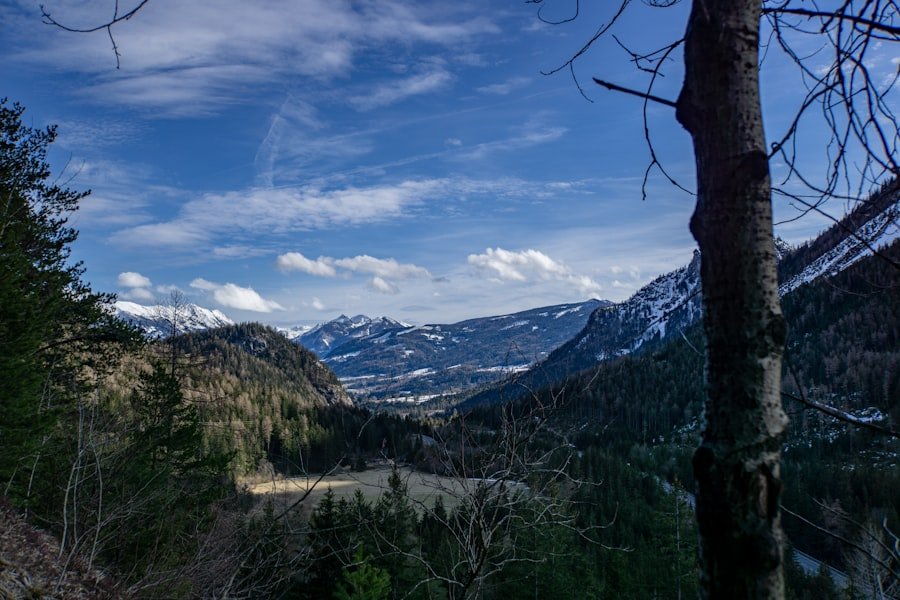
Photographing the Eiger itself requires an understanding of both composition and lighting. The mountain’s imposing presence can be best captured by framing it against contrasting elements in the foreground. For instance, incorporating wildflowers or rocky outcrops can add layers to your photographs, creating a sense of depth that draws viewers into the scene.
Early morning light is particularly advantageous for capturing the Eiger; as dawn breaks, the soft hues illuminate its rugged features, revealing textures that might otherwise go unnoticed in harsher midday light. Moreover, experimenting with different angles can yield unique perspectives of this iconic peak. For instance, shooting from below while looking up at the mountain can emphasize its towering stature and evoke a sense of awe.
Conversely, capturing it from a distance allows for a broader context of its surroundings, showcasing how it dominates the landscape. Utilizing a wide-angle lens can enhance this effect, allowing photographers to include more of the dramatic sky or surrounding valleys in their frame.
The Stunning Views of Grindelwald Valley
| Location | Elevation | Distance |
|---|---|---|
| Grindelwald First | 2168 meters | 10 km from Grindelwald |
| Maennlichen | 2343 meters | 7 km from Grindelwald |
| Schynige Platte | 1967 meters | 8 km from Grindelwald |
As you traverse the Eiger Trail, you will be treated to breathtaking views of Grindelwald Valley, which lies nestled beneath the towering peaks. This picturesque valley is characterized by its lush greenery and charming wooden chalets that dot the landscape. The contrast between the vibrant valley floor and the stark mountain faces creates a visual feast for photographers.
One particularly striking viewpoint is located just before reaching Alpiglen, where you can capture sweeping panoramas that encompass both the valley and the majestic Eiger. The changing seasons also offer diverse photographic opportunities in Grindelwald Valley. In spring and summer, wildflowers blanket the meadows in a riot of colors, while autumn brings a golden hue as leaves change and fall.
Winter transforms the valley into a serene wonderland, with snow-capped peaks reflecting in frozen lakes. Each season presents its own unique charm and character, allowing photographers to return time and again to capture different moods and atmospheres.
The Charming Alpine Villages
The Eiger Trail is not just about breathtaking landscapes; it also leads hikers through charming alpine villages that embody Swiss culture and hospitality. One such village is Grindelwald itself, known for its traditional wooden chalets and stunning backdrop of mountains. The village offers numerous opportunities for candid photography, from locals going about their daily routines to tourists enjoying local delicacies at outdoor cafés.
Capturing these moments can provide a narrative element to your photography, showcasing life in this idyllic alpine setting. Another village worth exploring is Wengen, which is accessible via a short detour from the Eiger Trail. Perched on a plateau above Lauterbrunnen Valley, Wengen offers stunning views of both the Eiger and surrounding peaks.
The village’s car-free policy adds to its charm, allowing visitors to wander through its quaint streets without distraction. Photographers can capture images of traditional Swiss architecture set against dramatic mountain backdrops, creating a juxtaposition that highlights both human craftsmanship and natural beauty.
The Lush Alpine Meadows and Wildflowers
One of the most enchanting aspects of hiking along the Eiger Trail is encountering lush alpine meadows adorned with vibrant wildflowers. These meadows are not only visually stunning but also serve as vital ecosystems that support diverse flora and fauna. As you walk through these colorful expanses, you may come across species such as edelweiss, gentian, and alpine asters, each adding their unique touch to the landscape.
Photographers can take advantage of these natural elements by incorporating them into their compositions, creating foreground interest that enhances images of distant mountains. To capture these wildflowers effectively, consider using macro photography techniques that allow you to focus on individual blooms while blurring out distracting backgrounds. This approach highlights their intricate details and vibrant colors, drawing attention to their beauty amidst the vastness of the alpine landscape.
Additionally, shooting during golden hour—shortly after sunrise or before sunset—can add warmth to your images and create a magical atmosphere that enhances the overall impact of your photographs.
The Crystal Clear Lakes and Waterfalls
The Eiger Trail is also home to several crystal-clear lakes and cascading waterfalls that provide additional opportunities for stunning photography. One notable lake is Lake Bachalpsee, which lies just off the main trail and offers breathtaking reflections of surrounding peaks on its tranquil surface. This lake is particularly photogenic during early morning hours when calm waters mirror the sky and mountains perfectly.
Photographers can experiment with long exposure techniques to create ethereal images that capture both movement in nearby waterfalls and stillness in lake reflections. Waterfalls along the trail also present unique challenges and opportunities for photographers. The sound of rushing water creates an immersive experience as you approach these natural wonders.
Positioning yourself at different angles can also yield varied compositions—whether framing a waterfall with overhanging branches or capturing it from below to emphasize its height.
Tips for Taking the Best Photos on the Eiger Trail
To make the most of your photographic journey along the Eiger Trail, consider several practical tips that can enhance your experience and results. First and foremost, invest time in understanding your camera settings before hitting the trail. Familiarize yourself with manual mode to gain control over exposure settings such as aperture, shutter speed, and ISO—this knowledge will empower you to adapt quickly to changing light conditions throughout your hike.
Additionally, consider carrying a lightweight tripod for stability when photographing landscapes or low-light scenes such as waterfalls or lakes at dawn or dusk. A tripod allows for longer exposure times without introducing camera shake, resulting in sharper images with greater detail. Moreover, don’t hesitate to explore different perspectives; sometimes stepping off the main path or finding an elevated viewpoint can lead to unexpected compositions that elevate your photography.
Lastly, patience is key when capturing nature’s beauty. Take your time at each location; observe how light interacts with different elements in your frame before pressing the shutter button. Waiting for clouds to part or for wildlife to appear can make all the difference in achieving that perfect shot.
By immersing yourself fully in your surroundings and being mindful of your photographic approach, you will undoubtedly leave with not only stunning images but also cherished memories of your adventure along the Eiger Trail.
If you’re planning a visit to the Eiger Trail and are eager to capture the best photo spots, you might also be interested in exploring other delightful experiences. For instance, after a day of hiking and photography, you could unwind by diving into the culinary world with a refreshing treat. Check out this article on exploring the delightful world of Asian melon. It offers insights into a unique and flavorful fruit that can be a perfect addition to your travel snacks, providing both hydration and a burst of sweetness.
FAQs
What is the Eiger Trail?
The Eiger Trail is a famous hiking trail in the Swiss Alps that offers stunning views of the Eiger mountain and surrounding scenery. It is a well-maintained and popular trail for hikers of all levels.
Where is the Eiger Trail located?
The Eiger Trail is located in the Bernese Oberland region of Switzerland, near the town of Grindelwald. It offers breathtaking views of the Eiger, Mönch, and Jungfrau mountains.
What are the best photo spots along the Eiger Trail?
Some of the best photo spots along the Eiger Trail include the Eiger North Face viewpoint, Kleine Scheidegg, and the Eiger Glacier. These locations offer stunning views of the Eiger mountain and the surrounding landscape.
Are there any safety considerations for hiking the Eiger Trail?
Hikers should be aware of the weather conditions and terrain along the Eiger Trail, as it can be steep and rocky in some sections. It is important to wear appropriate footwear and clothing, and to be prepared for changing weather conditions. Additionally, hikers should stay on designated trails and follow any posted safety guidelines.
When is the best time to visit the Eiger Trail for photography?
The best time to visit the Eiger Trail for photography is during the summer months, when the weather is generally clear and the wildflowers are in bloom. However, the trail is also accessible in the spring and fall, with each season offering its own unique photographic opportunities.