

Alabama’s history is a tapestry woven with threads of struggle, resilience, and transformation. The state played a pivotal role in the Civil Rights Movement during the 1950s and 1960s, serving as a battleground for the fight against racial segregation and injustice. Key events unfolded in cities like Montgomery, where the Montgomery Bus Boycott, initiated by Rosa Parks in 1955, became a catalyst for change.
This act of defiance against racial discrimination not only sparked a nationwide movement but also brought national attention to the injustices faced by African Americans in the South. The Selma to Montgomery marches in 1965 further highlighted the struggle for voting rights, culminating in the Voting Rights Act of 1965, which aimed to eliminate barriers that prevented African Americans from exercising their right to vote. Beyond its tumultuous past, Alabama is also known for its Southern charm and hospitality.
The state is rich in cultural heritage, influenced by Native American tribes, European settlers, and African American traditions. This blend is evident in its music, art, and festivals that celebrate the diverse history of its people. From the soulful sounds of blues and jazz that originated in the Deep South to the vibrant folk art that adorns local galleries, Alabama’s cultural landscape reflects a unique narrative that continues to evolve.
The state’s historical landmarks, such as the Civil Rights Institute in Birmingham and the Dexter Avenue Baptist Church in Montgomery, serve as reminders of the struggles endured and the progress made, inviting visitors to engage with Alabama’s complex history.
Key Takeaways
- Alabama has a rich history, from being a key player in the Civil Rights Movement to its charming southern hospitality.
- The natural beauty of Alabama’s landscapes, from the Gulf Coast beaches to the stunning mountains and forests, is a sight to behold.
- Alabama’s unique cuisine, including dishes like fried green tomatoes and shrimp and grits, offers a delightful culinary experience.
- The state’s cultural gems, including museums, music, and arts, showcase the diverse and vibrant heritage of Alabama.
- Outdoor enthusiasts can enjoy hiking, fishing, and wildlife spotting in Alabama’s picturesque outdoor settings.
Natural Wonders: The Beauty of Alabama’s Landscapes
Alabama’s natural beauty is as diverse as its history, offering a stunning array of landscapes that range from rolling hills to pristine beaches. The state is home to several national and state parks that showcase its rich biodiversity and scenic vistas. For instance, the Bankhead National Forest, located in the northwestern part of the state, features lush forests, cascading waterfalls, and an extensive network of hiking trails.
The Sipsey Wilderness Area within the forest is particularly renowned for its rugged terrain and breathtaking views, attracting outdoor enthusiasts seeking adventure and tranquility alike. In addition to its forests, Alabama boasts a remarkable coastline along the Gulf of Mexico.
The coastal region is also home to unique ecosystems such as wetlands and estuaries that support a variety of wildlife.
This juxtaposition of mountainous terrain and coastal beauty makes Alabama a hidden gem for nature lovers.
Culinary Delights: Exploring Alabama’s Unique Cuisine

Alabama’s culinary scene is a reflection of its rich cultural heritage, blending traditional Southern cooking with influences from various regions. The state’s cuisine is characterized by bold flavors and hearty ingredients, with dishes that tell stories of its history and people. Barbecue is perhaps one of Alabama’s most famous culinary contributions, with each region boasting its own style.
The city of Birmingham is known for its smoked meats slathered in tangy sauces, while the northern part of the state leans towards a sweeter barbecue style. Festivals celebrating barbecue culture are common throughout the state, drawing food enthusiasts eager to sample local specialties. In addition to barbecue, Alabama is famous for its seafood, particularly along the Gulf Coast.
Fresh catches such as shrimp, oysters, and fish are staples in coastal restaurants, often prepared with a Southern twist. Dishes like shrimp and grits or fried catfish are beloved by locals and visitors alike. Furthermore, Alabama’s agricultural landscape contributes to its culinary diversity; farmers’ markets across the state showcase seasonal produce that inspires chefs to create farm-to-table experiences.
The emphasis on local ingredients not only supports regional farmers but also enhances the flavors found in Alabama’s kitchens.
Cultural Gems: Museums, Music, and Arts in Alabama
| City | Museum | Music Venue | Art Gallery |
|---|---|---|---|
| Birmingham | Birmingham Museum of Art | Iron City | Naked Art Gallery |
| Mobile | Mobile Museum of Art | Soul Kitchen | Mobile Arts Council |
| Montgomery | Montgomery Museum of Fine Arts | Capitol Oyster Bar | Gallery One Fine Art |
Alabama’s cultural landscape is rich with museums, music venues, and artistic expressions that reflect its diverse heritage. The state is home to several notable museums that preserve and celebrate its history. The Birmingham Civil Rights Institute stands out as a powerful institution dedicated to educating visitors about the Civil Rights Movement through interactive exhibits and historical artifacts.
Similarly, the Alabama Department of Archives and History in Montgomery houses an extensive collection of documents and artifacts that chronicle the state’s past from prehistoric times to modern-day. Music is another vital aspect of Alabama’s cultural identity. The state has produced numerous influential musicians across various genres, including blues, country, and rock ‘n’ roll.
Muscle Shoals, a small town in northwest Alabama, gained international acclaim as a recording hub during the 1960s and 1970s. Legendary artists such as Aretha Franklin and The Rolling Stones recorded some of their most iconic tracks there. Today, visitors can explore the Muscle Shoals Sound Studio and learn about its impact on American music history.
Festivals celebrating local music are prevalent throughout the year, showcasing emerging talent alongside established artists.
Outdoor Adventures: Hiking, Fishing, and Wildlife in Alabama
For outdoor enthusiasts, Alabama offers an abundance of activities that cater to various interests. The state’s diverse ecosystems provide ample opportunities for hiking, fishing, and wildlife observation. With over 1 million acres of protected land in national forests and state parks, there are countless trails winding through picturesque landscapes.
The Pinhoti Trail stretches over 300 miles through Alabama’s mountainous regions, offering hikers breathtaking views and encounters with native flora and fauna. Fishing enthusiasts will find Alabama’s rivers and lakes teeming with opportunities for angling. The Coosa River is renowned for its bass fishing, attracting anglers from across the country during tournament season.
Additionally, Lake Guntersville is celebrated for its diverse fish population and scenic beauty, making it a popular destination for both recreational fishing and boating. Wildlife watchers can explore areas like the Mobile-Tensaw Delta, one of the largest river delta systems in North America, where they can spot alligators, herons, and other native species in their natural habitats.
Small Town Charm: Discovering the Quaint Communities of Alabama
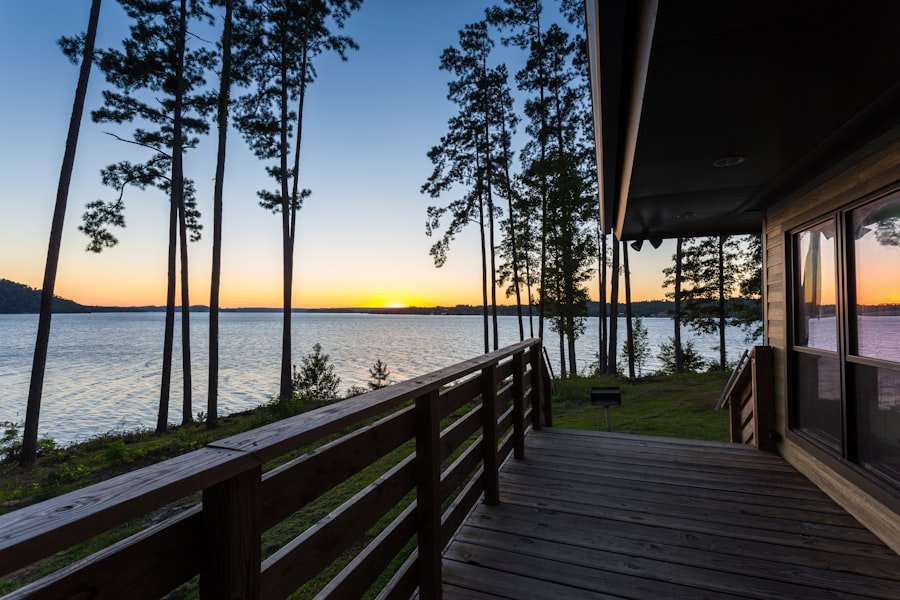
Alabama’s small towns exude charm and character that reflect the state’s rich history and close-knit communities. Each town has its own unique story to tell through its architecture, local businesses, and annual events. For instance, Fairhope on the eastern shore of Mobile Bay is known for its picturesque streets lined with blooming azaleas and quaint shops selling handmade crafts.
The town hosts an annual arts festival that attracts artists from across the region, showcasing local talent while fostering a sense of community pride. Another gem is Eufaula, often referred to as the “Queen City of the Chattahoochee.” This town boasts stunning antebellum architecture and a vibrant downtown area filled with antique shops and eateries. Eufaula’s annual Pilgrimage Tour allows visitors to explore historic homes while learning about the town’s rich heritage.
These small towns not only offer a glimpse into Alabama’s past but also provide opportunities for visitors to engage with locals who are eager to share their stories.
Urban Exploration: Birmingham, Montgomery, and Mobile
Alabama’s urban centers are vibrant hubs of culture, history, and innovation. Birmingham stands out as the largest city in the state and serves as an economic powerhouse with a rich industrial past. The city is home to several cultural institutions such as the Birmingham Museum of Art and the Alabama Theatre, which host performances ranging from classical music to contemporary theater.
Additionally, Birmingham’s culinary scene has gained recognition for its diverse offerings—from upscale dining establishments to beloved hole-in-the-wall eateries serving Southern comfort food. Montgomery holds significant historical importance as the birthplace of the Civil Rights Movement. Visitors can explore landmarks such as the Rosa Parks Museum and the Civil Rights Memorial Center to gain insight into this pivotal era in American history.
Montgomery also boasts a thriving arts scene with galleries showcasing local artists’ work alongside theaters offering live performances. Meanwhile, Mobile offers a unique blend of Southern charm and coastal culture; it is famous for its Mardi Gras celebrations—one of the oldest in the United States—drawing revelers from near and far.
Road Trip Worthy: Navigating Alabama’s Scenic Byways and Historic Trails
Alabama’s scenic byways offer travelers an opportunity to experience the state’s breathtaking landscapes while exploring its rich history along the way. One notable route is the Natchez Trace Parkway, which stretches through northern Alabama and connects several historic sites along its path. This ancient trail was originally used by Native Americans before becoming a vital route for early settlers traveling westward.
Today, travelers can enjoy picturesque views while stopping at interpretive centers that share stories about the region’s past. Another must-see route is the Selma to Montgomery National Historic Trail, which commemorates the march for voting rights led by Martin Luther King Jr. in 1965.
This trail not only highlights significant landmarks associated with this historic event but also serves as a reminder of the ongoing struggle for civil rights across America. Along this route, visitors can engage with exhibits that detail the events leading up to this monumental march while reflecting on its impact on contemporary society. Alabama’s scenic byways are more than just roads; they are pathways through time that connect travelers with both natural beauty and historical significance.
Whether exploring charming small towns or delving into urban culture, each journey through Alabama reveals layers of stories waiting to be discovered.
If you’re planning a trip to Alabama and looking for ways to explore the state, you might also be interested in discovering some unique culinary experiences along the way. One such experience could be trying out local recipes or enjoying fresh produce. For instance, you can delve into the delightful world of Asian melon, which might be a refreshing treat during your travels. To learn more about this exotic fruit and how it can add a unique twist to your journey, check out this related article: Exploring the Delightful World of Asian Melon. This could be a great way to enhance your Alabama adventure with some delicious and healthy food options.
FAQs
What are the main modes of transportation in Alabama?
The main modes of transportation in Alabama include driving, public transit, biking, walking, and flying.
Is there public transportation available in Alabama?
Yes, Alabama offers public transportation options such as buses, trolleys, and trains in certain cities and regions.
Are there ride-sharing services available in Alabama?
Yes, ride-sharing services like Uber and Lyft operate in major cities and towns across Alabama.
What are the major airports in Alabama?
The major airports in Alabama include Birmingham-Shuttlesworth International Airport, Huntsville International Airport, and Mobile Regional Airport.
Are there bike-friendly areas in Alabama?
Yes, some cities and towns in Alabama have designated bike lanes and trails, making them bike-friendly areas.
What are the major highways in Alabama?
Major highways in Alabama include I-65, I-20, I-85, and I-10, which connect the state to other parts of the country.