

Alabama, often celebrated for its warm climate and rich history, transforms into a vibrant tapestry of colors each autumn. One of the most breathtaking locations to witness this seasonal spectacle is the Cheaha State Park, the highest point in Alabama. As the leaves change, the park’s rolling hills and rugged terrain become a canvas painted with hues of red, orange, and gold.
Visitors can hike along the numerous trails that wind through the park, offering panoramic views of the surrounding landscape. The Bunker Tower, a stone structure that provides an elevated vantage point, is particularly popular for capturing the stunning vistas of fall foliage. Another remarkable destination is the Bankhead National Forest, which boasts a diverse array of trees, including oaks, maples, and sweetgum.
The forest’s extensive network of trails allows for immersive exploration among the vibrant colors. The Sipsey Wilderness Area within the forest is especially noteworthy, as it features cascading waterfalls and serene streams that reflect the brilliant autumn colors. The combination of water features and foliage creates a picturesque setting that is perfect for both hiking and photography enthusiasts.
Key Takeaways
- The best places to see fall foliage in Alabama include Cheaha State Park, Little River Canyon National Preserve, and Oak Mountain State Park.
- Tips for planning your fall foliage adventure in Alabama include checking peak foliage times, packing layers for changing weather, and booking accommodations in advance.
- The most photogenic spots for capturing Alabama’s fall foliage are Noccalula Falls Park, DeSoto State Park, and the Talladega National Forest.
- The science behind Alabama’s vibrant fall colors involves the changing pigments in leaves, including chlorophyll, carotenoids, and anthocyanins.
- Outdoor activities to enjoy among Alabama’s fall foliage include hiking, birdwatching, and picnicking in the scenic surroundings.
- Where to find the most colorful trees in Alabama includes the maple, oak, and hickory trees that display vibrant hues of red, orange, and yellow.
- The best times to visit Alabama for peak fall foliage are typically in late October to early November, varying by region and elevation.
- How to preserve and enjoy Alabama’s fall foliage for years to come involves pressing leaves, creating leaf art, and photographing the vibrant displays.
Tips for Planning Your Fall Foliage Adventure in Alabama
When planning a fall foliage adventure in Alabama, timing is crucial. The peak season typically occurs from mid-October to early November, but this can vary based on weather conditions. To maximize your experience, it’s advisable to monitor local foliage reports and weather forecasts leading up to your trip.
This will help you identify the best times to visit specific locations, ensuring you witness the most vibrant colors. In addition to timing, consider your mode of transportation. While many of Alabama’s scenic spots are accessible by car, some areas may require hiking or off-road vehicles to reach the best viewpoints.
If you plan to hike, ensure you have appropriate gear and check trail conditions beforehand.
Engaging with local tourism boards or joining guided tours can also provide valuable insights into hidden gems and lesser-known spots that showcase Alabama’s fall beauty.
The Most Photogenic Spots for Capturing Alabama’s Fall Foliage
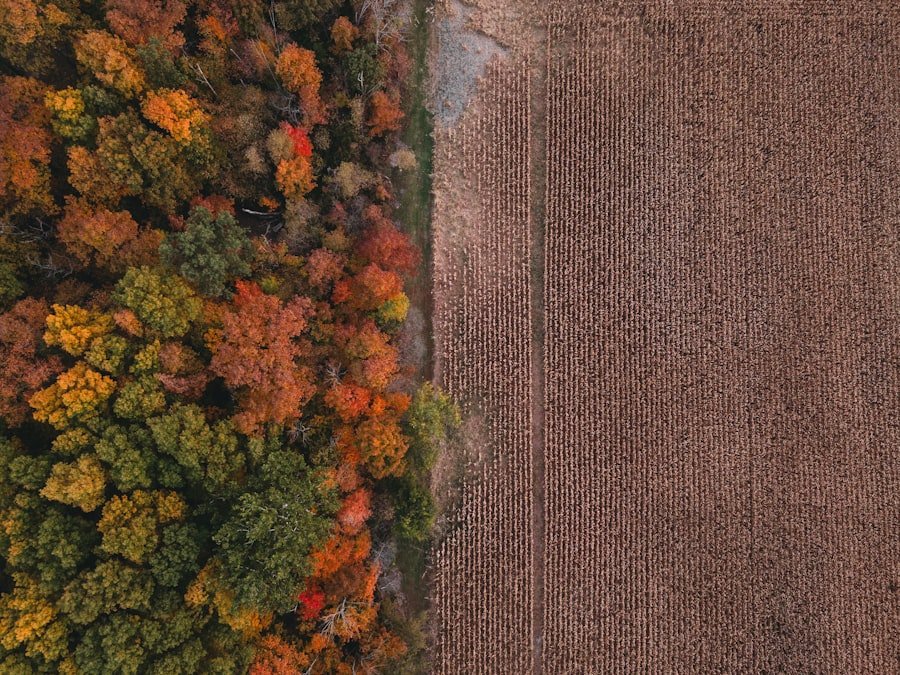
For photography enthusiasts, Alabama offers a plethora of stunning backdrops to capture the essence of fall. One such location is the Little River Canyon National Preserve, where dramatic cliffs and lush forests create a striking contrast against the vibrant foliage. The canyon’s overlooks provide breathtaking views that are particularly captivating during sunrise or sunset when the light enhances the colors of the leaves.
Another photogenic spot is the historic town of Mentone, nestled atop Lookout Mountain. The charming architecture combined with the surrounding natural beauty makes it an ideal location for capturing autumn scenes.
Whether you’re capturing wide landscapes or intimate close-ups of leaves, these locations offer endless opportunities for stunning fall photography.
The Science Behind Alabama’s Vibrant Fall Colors
| Factor | Impact |
|---|---|
| Temperature | Cooler temperatures trigger the production of anthocyanins, leading to vibrant red and purple colors in leaves. |
| Daylight | Shorter days and longer nights signal to trees to stop producing chlorophyll, allowing other pigments to show through. |
| Tree Species | Alabama’s diverse tree species, including maples, oaks, and hickories, contribute to the variety of fall colors. |
| Moisture | The right balance of moisture is important for vibrant fall colors, as drought can lead to early leaf drop. |
The vibrant colors of fall foliage in Alabama are a result of complex biochemical processes within trees. As daylight hours shorten and temperatures drop in autumn, chlorophyll—the pigment responsible for the green color in leaves—begins to break down. This process reveals other pigments that have been present in the leaves all along but masked by chlorophyll during the growing season.
Carotenoids produce yellow and orange hues, while anthocyanins contribute to red and purple shades. The intensity of these colors can be influenced by various environmental factors, including temperature fluctuations and moisture levels. For instance, warm days followed by cool nights can enhance anthocyanin production, leading to more vivid reds.
Additionally, a dry summer can stress trees and result in more brilliant colors in the fall. Understanding these scientific principles not only deepens appreciation for the beauty of fall foliage but also highlights the delicate balance of nature that contributes to this seasonal transformation.
Outdoor Activities to Enjoy Among Alabama’s Fall Foliage
Alabama’s fall foliage provides an excellent backdrop for a variety of outdoor activities that allow visitors to immerse themselves in nature. Hiking is one of the most popular ways to experience the changing leaves up close. Trails in locations such as Oak Mountain State Park offer varying levels of difficulty, catering to both novice hikers and seasoned adventurers.
As you traverse these paths, you can enjoy not only the stunning views but also the crisp autumn air and sounds of nature. For those seeking a more leisurely experience, picnicking amidst the colorful foliage can be a delightful way to spend an afternoon. Many parks have designated picnic areas equipped with tables and grills, allowing families and friends to gather and enjoy meals surrounded by nature’s beauty.
Additionally, birdwatching becomes particularly rewarding during this time as migratory birds pass through Alabama on their way south for winter. Bringing binoculars can enhance this experience as you observe various species against a backdrop of vibrant leaves.
Where to Find the Most Colorful Trees in Alabama
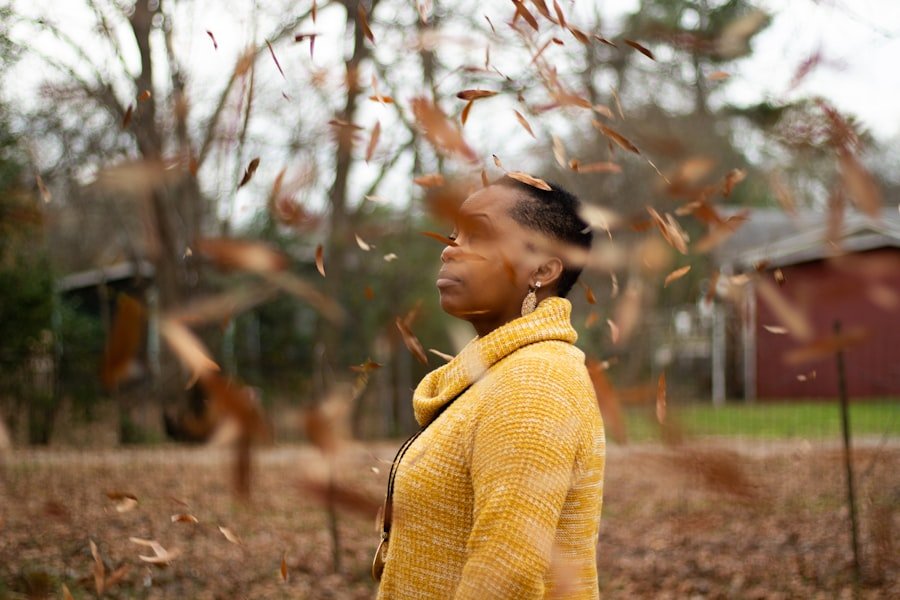
While many areas in Alabama showcase beautiful fall colors, certain locations are renowned for their particularly colorful trees. The Talladega National Forest is one such area where visitors can find an impressive variety of deciduous trees that display brilliant autumn hues. The forest is home to numerous species such as sugar maples and sweetgum trees, which are known for their striking red and orange leaves.
Another notable location is the city of Birmingham, where urban parks like Railroad Park and Ruffner Mountain Nature Preserve feature a mix of native trees that contribute to a colorful urban landscape during fall. These parks not only provide opportunities for leaf-peeping but also offer recreational facilities such as walking trails and playgrounds, making them ideal for family outings. Exploring these areas allows visitors to appreciate both natural beauty and community spaces during this vibrant season.
The Best Times to Visit Alabama for Peak Fall Foliage
To fully experience Alabama’s fall foliage at its peak, timing your visit is essential. Generally, mid-October through early November marks the prime window for viewing vibrant colors across much of the state. However, specific regions may peak at different times due to variations in elevation and climate conditions.
For instance, higher elevations like Cheaha State Park may see color changes earlier than lower-lying areas. Local festivals often coincide with peak foliage times, providing additional reasons to visit during this season. Events such as the Mentone Colorfest celebrate autumn with arts and crafts vendors, live music, and delicious food options while showcasing the stunning backdrop of fall colors.
Planning your trip around these events can enhance your experience by combining natural beauty with cultural festivities.
How to Preserve and Enjoy Alabama’s Fall Foliage for Years to Come
Capturing the essence of Alabama’s fall foliage can extend beyond simply enjoying it in person; there are several ways to preserve its beauty for years to come. One popular method is pressing leaves between heavy books or using a flower press to create beautiful keepsakes that can be framed or used in crafts. This technique allows you to maintain a tangible memory of your autumn adventures.
Additionally, taking photographs during your visits can serve as a lasting reminder of Alabama’s stunning landscapes in fall. Creating a photo album or scrapbook dedicated to your experiences can be a wonderful way to relive those moments each year as you look back on your adventures among the colorful trees. Sharing these memories with friends and family can also inspire others to explore Alabama’s natural beauty during this enchanting season.
As the vibrant hues of autumn sweep across Alabama, the state becomes a picturesque haven for nature enthusiasts and travelers alike. The fall season in Alabama is not only about the stunning foliage but also about indulging in seasonal delights. For those looking to explore unique flavors this fall, consider diving into the delightful world of Asian melon. This fruit, with its sweet and refreshing taste, can be a perfect addition to your autumn culinary adventures. To learn more about this intriguing fruit, check out this related article: Exploring the Delightful World of Asian Melon.
FAQs
What is the weather like in Alabama during the fall?
During the fall, Alabama experiences mild and pleasant weather with average temperatures ranging from 60°F to 75°F. The humidity levels are lower, and there is less rainfall compared to the summer months.
What are the best outdoor activities to do in Alabama during the fall?
Some popular outdoor activities in Alabama during the fall include hiking in the state parks, visiting the botanical gardens to see the fall foliage, attending fall festivals, and exploring the scenic drives to admire the changing colors of the leaves.
What are the must-visit places in Alabama during the fall?
Some must-visit places in Alabama during the fall include Little River Canyon National Preserve, Oak Mountain State Park, Cheaha State Park, and the Noccalula Falls Park. These places offer stunning views of the fall foliage and various outdoor activities.
What are the typical fall foliage colors in Alabama?
During the fall, Alabama showcases a beautiful array of foliage colors including vibrant shades of red, orange, yellow, and gold. The changing colors of the leaves create picturesque landscapes across the state.
Are there any fall festivals or events in Alabama?
Yes, Alabama hosts numerous fall festivals and events including the National Shrimp Festival in Gulf Shores, the Alabama Coastal BirdFest, the Kentuck Festival of the Arts in Northport, and the Bluff Park Art Show in Hoover. These events feature art, music, food, and various activities for visitors to enjoy.