Visiting Switzerland is notoriously hard on the wallet, but exploring the cultural capital of the Upper Rhine does not have to drain your savings. Situated where the Swiss, French, and German borders converge, Basel combines world-class art, preserved medieval quarters, and a vibrant riverside lifestyle with surprising opportunities for cost-conscious travelers. By taking strategic advantage of the city’s complimentary guest transit card, targeting free museum hours, and tapping into local open-air traditions like swimming the Rhine, you can experience the best of this historic city on a modest budget.
Quick Answer
To visit Basel on a budget, book at least one night in an official hotel or hostel to receive the complimentary BaselCard, granting free public transit (including EuroAirport Bus 50) and 50% off all 40 museums. Eat from supermarket delis (Coop, Migros, Denner) or Markthalle stalls, drink free water from over 170 public fountains, and take advantage of free museum evenings and riverside swimming.
Key Takeaways
- Free Transit Included: Every guest staying in registered Basel accommodation receives a free BaselCard covering all local trams, buses, and 50% admission to major museums.
- Free Potable Water: Basel has more than 170 historic stone fountains flowing with pure, drinkable spring water—carry a reusable bottle to eliminate beverage expenses.
- Eat Smart: Swap pricey sit-down dinners for supermarket takeaway counters (Coop, Migros, Denner), Markthalle international stalls, or cross-border dining.
- Museum Timing: World-class institutions like the Kunstmuseum Basel offer free admission during designated evening happy hours and on the first Sunday of each month.
- Quintessential Free Leisure: In warm months, Rhine swimming (Rheinschwimmen) and visits to botanical gardens offer premier local entertainment at zero cost.
- Tri-National Day Trips: Economical local trams and regional trains take you across international borders to Weil am Rhein, Saint-Louis, Freiburg, or Colmar in under an hour.
Budget-Friendly Accommodation & The Free BaselCard Perk
Accommodation represents the single largest upfront expense when visiting Basel. Fortunately, the city offers high-standard budget lodging, ranging from boutique hostels to independent guesthouses, all integrated into the municipal guest pass system.
Recommended Hostels and Budget Stays
Properties such as the Basel Backpack in the creative Gundeldingen quarter and the architectural award-winning Youth Hostel Basel in the historic St. Alban district provide clean dormitory beds and affordable private rooms. Both feature guest kitchens, allowing you to prepare your own meals and cut dining costs dramatically. If traveling as a couple or small group, budget design chains like Motel One and easyHotel in central Kleinbasel frequently undercut standard Swiss hotel rates while maintaining high comfort standards.
Warning: Avoid visiting Basel without advance reservations during major trade fairs, especially Art Basel (held annually in mid-June). During this week, accommodation prices routinely spike by 300% to 500%, and budget hostels book out up to a year in advance.
Pro Tip: Do not buy a transit pass before checking into your hotel. Your accommodation booking confirmation serves as a valid transit ticket on all local buses and trams (including Bus 50 from EuroAirport) directly to your accommodation on your arrival day.
How the BaselCard Cuts Travel Costs in Half
Upon check-in at any official hotel, hostel, or registered bed-and-breakfast in Basel, every guest automatically receives the personal, complimentary BaselCard. This digital or physical guest pass provides:
- Unlimited free travel on the entire public transit network in TNW zones 10, 11, 13, 14, and 15 (covering all city trams, buses, and the EuroAirport shuttle).
- A 50% discount on standard admission to all 40 municipal and private museums in Basel.
- A 50% discount on entry to the Basel Zoo (Zolli) and official guided city walking tours.
- A 50% discount on scheduled scheduled passenger cruises operated by the Basler Personenschifffahrt on the Rhine.
- Complimentary access to citywide guest Wi-Fi hotspots located across major public squares and transit hubs.
Budget-Friendly Dining & Supermarket Hacks
Dining at traditional Swiss sit-down restaurants can quickly drain your travel funds, with standard dinner entrees often priced between 30 and 48 CHF. However, eating well in Basel does not require a luxury budget if you adopt local shopping habits.
Navigating Supermarket Hot Counters and Discounters
Major Swiss supermarket chains like Coop and Migros operate large in-store hot delis and takeaway counters offering rotisserie chicken, salad bars, hearty sandwiches, and daily pasta dishes for 8 to 13 CHF. In department store branches (such as the Coop City Pfauen on Freie Strasse or Manor Food on Greifengasse), cafeteria-style self-service restaurants serve freshly grilled meats, fish, and extensive vegetable buffets at a fraction of standard restaurant bills.
For everyday pantry staples, snacks, and trail food, skip the high-end convenience shops and head to deep discounters: Denner (Switzerland’s discount grocer), Aldi Suisse, or Lidl. These chains sell bread, cheese, fresh fruit, and drinks at 25% to 40% below standard supermarket retail rates.
Note: Assemble lunch supplies from a grocery deli and head directly to the Rheinbord—the stone promenade lining the sunny Kleinbasel riverbank. Joining the locals for an open-air river picnic is both the most atmospheric and the most affordable way to dine in Basel.
Affordable Street Food at Markthalle Basel
The historic Markthalle Basel, located steps from the Basel SBB central train station, houses a bustling global food hall beneath an impressive concrete dome. Independent kitchen stalls serve authentic street food from across the globe—including Afghan dumplings, Vietnamese pho, Syrian flatbreads, Spanish empanadas, and regional Swiss cheese specialties. Most stalls offer substantial lunch portions ranging from 12 to 18 CHF, making it the premier indoor option for budget-conscious food lovers.
“Basel’s 170+ historic stone fountains pump pure, ice-cold drinking water from local natural springs 24 hours a day. Carrying a reusable water bottle saves 4 to 8 CHF every single day.”
Free and Low-Cost Attractions
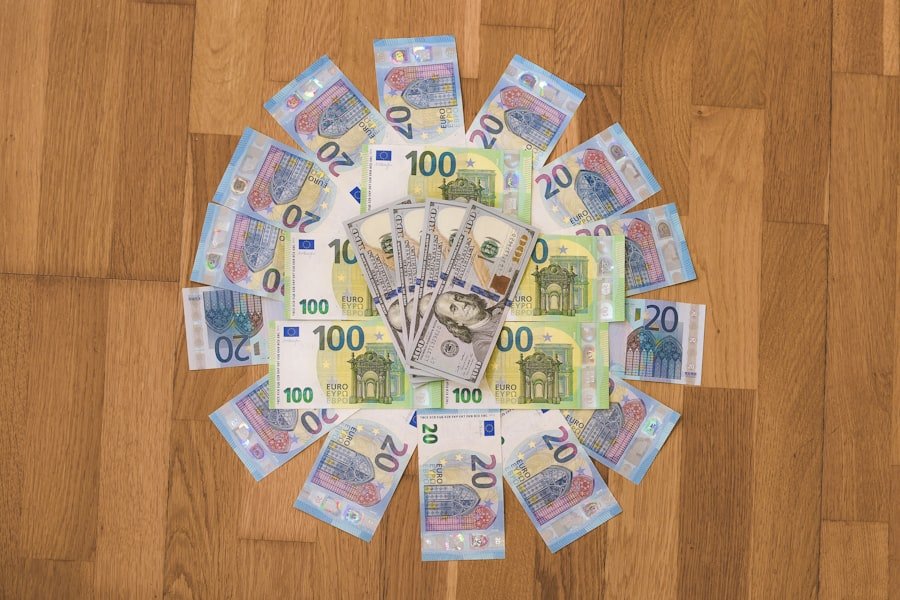
Basel is uniquely rewarding for walkers. Because the city’s architectural treasures have been meticulously preserved for centuries, the most visually stunning sights require no entrance ticket.
Historic Architecture & Public Squares
- Basel Minster (Basler Münster): Constructed from vibrant red sandstone with distinctive diamond-glazed roof tiles, this 800-year-old former cathedral is completely free to enter. Behind the choir, step out onto the Pfalz—a scenic stone terrace raised high above the Rhine that provides sweeping vistas of the river, the Black Forest foothills, and the Vosges mountains.
- Rathaus (City Hall): Dominating the central Marktplatz, this 500-year-old seat of cantonal government features a courtyard adorned with Renaissance frescoes, open to independent visitors free of charge during weekdays.
- Tinguely Fountain (Fastnachtsbrunnen): Situated on Theaterplatz, Jean Tinguely’s famous kinetic fountain features ten mechanical steel sculptures playfully spraying jets of water. It operates continuously outdoors with zero admission fee.
- Spalentor (Gate of Spalen): One of the most imposing 14th-century city gates remaining in Europe, this fortified tower marks the historic boundary of old Grossbasel and makes for an iconic photo stop.
Free Botanical Sanctuaries
Few travelers realize that two of the region’s finest horticultural gardens charge absolutely zero admission:
- University of Basel Botanical Garden: Established in 1589, the Botanischer Garten der Universität Basel is one of the oldest in the world. Located right next to the Spalentor, its Victorian greenhouse complexes, tropical rainforest dome, and alpine rock gardens are entirely free to explore daily.
- Merian Gärten: Situated just south of the city center in Brüglingen, the Merian Gärten estate spans historic English landscape grounds, historic watermills, and European-renowned iris and rhododendron collections, welcoming the public free of charge year-round.
Museum Happy Hours & Discount Windows
Basel is renowned for its 40 museums, but you do not need to pay full price to explore them. The crown jewel, the Kunstmuseum Basel, houses one of the world’s oldest municipal public art collections, featuring masterpieces from Holbein to Picasso. Standard tickets cost 16 to 26 CHF, but admission to the vast permanent collection is completely free during Happy Hour:
- Tuesday, Wednesday, Friday, Saturday, and Sunday from 17:00 to 18:00
- Thursday evening extended happy hour from 17:00 to 20:00
- The first Sunday of every month (all day)
For modern and contemporary art outside the historic center, the world-famous Fondation Beyeler in suburban Riehen charges entry to its galleries, but its manicured public sculpture park, historic water-lily ponds, and historic villa grounds are accessible without a ticket.
The Quintessential Free Activity: Swimming the Rhine (Rheinschwimmen)
If you visit Basel between June and September, the most authentic and exhilarating local experience costs nothing at all. Floating down the clean, brisk current of the Rhine alongside hundreds of residents is a defining cultural tradition.
Pro Tip: Invest in a Wickelfisch—a waterproof, fish-shaped dry bag invented in Basel. You pack your clothes, phone, shoes, and wallet inside, roll the top closed to trap air, and use it as a buoyant float while drifting downriver. You can purchase one at local tourist offices, kiosks, or pharmacies for around 25 to 30 CHF as both a practical swim tool and an authentic souvenir.
How to Do the Rhine Swim Safely
- Entry Point: Walk upriver along the Kleinbasel bank (Schaffhauserrheinweg) to the grassy bank just below the Museum Tinguely. This is the official starting zone.
- The Float: Slip into the river and let the steady current carry you downstream for roughly two kilometers. Enjoy sweeping views of the medieval Basel Minster perched high on the cliff above Grossbasel.
- Safe Exits: Always stay on the right (Kleinbasel) side of the river. The natural exit points are marked by wooden steps, safety ropes, and pebble beaches just before the historic Mittlere Brücke or the modern Dreirosenbrücke. Never swim past the Dreirosenbrücke, as industrial shipping lanes begin beyond this boundary.
- Bathhouses: For changing stalls, lockers, and cold showers, take advantage of the historic wooden Rhine bathhouses—such as the Rheinbad St. Johann or Rheinbad Breite—which charge only nominal admission fees (around 3 to 6 CHF).
Public Transportation & Local River Crossings
Basel’s pristine green trams and electric buses, managed by Basler Verkehrs-Betriebe (BVB), are fast, frequent, and easy to navigate. Because overnight guests receive unlimited transit via the BaselCard, you will rarely need to purchase individual tickets.
| Transit Option | Cost (CHF) | Coverage & Best Use Case |
|---|---|---|
| BaselCard | Free | Unlimited travel across TNW Zones 10, 11, 13, 14, 15 (includes EuroAirport Bus 50 and cross-border tram stops). |
| Rhine Ferry (Fähri) | 2.00 | Traditional motorless current-driven wooden boats connecting Grossbasel and Kleinbasel across 4 routes. |
| Bike Sharing / Rental | App-based | Bicycle-friendly paths line both banks of the Rhine and connect to neighboring French and German border communities. |
| TNW Single Ticket (1–2 Zones) | ~3.80 – 4.70 | Only required for day visitors not staying overnight in registered Basel accommodations. |
One transit journey you should gladly pay for out-of-pocket is the historic Rhine Ferry (Fähri). Four non-motorized wooden passenger boats—named Wild Maa, Leu, Vogel Gryff, and Ueli—glide across the water attached to an overhead steel cable, pushed solely by the river’s natural flow. At just 2.00 CHF per adult (cash paid directly to the ferryman), it serves as a serene, historic mini-cruise between Grossbasel and Kleinbasel.
Money-Saving Passes & Discount Concessions
Because the free BaselCard covers local transportation and halves museum admission prices, commercial third-party tourist passes are rarely worth purchasing for short visits. However, specific concessions can generate additional savings:
- Swiss Museum Pass: If your journey extends across Switzerland, this national pass covers free admission to over 500 museums, including almost all major Basel institutions. Holders of the Swiss Travel Pass also receive this benefit automatically.
- Youth & Student Concessions: Visitors under 26 and enrolled university students can access substantial discounts—frequently 50% to 70% below regular adult ticket prices—by presenting a valid student ID card at cultural ticket desks.
- Cross-Border Tram Network: BVB Tram Line 8 crosses into Germany (terminating at Weil am Rhein Bahnhof/Zentrum), while Tram Line 3 crosses directly into Saint-Louis, France. BaselCard transit validity covers these routes directly to the border zone stations, allowing for economical cross-border exploration.
Affordable Souvenirs & Flea Markets
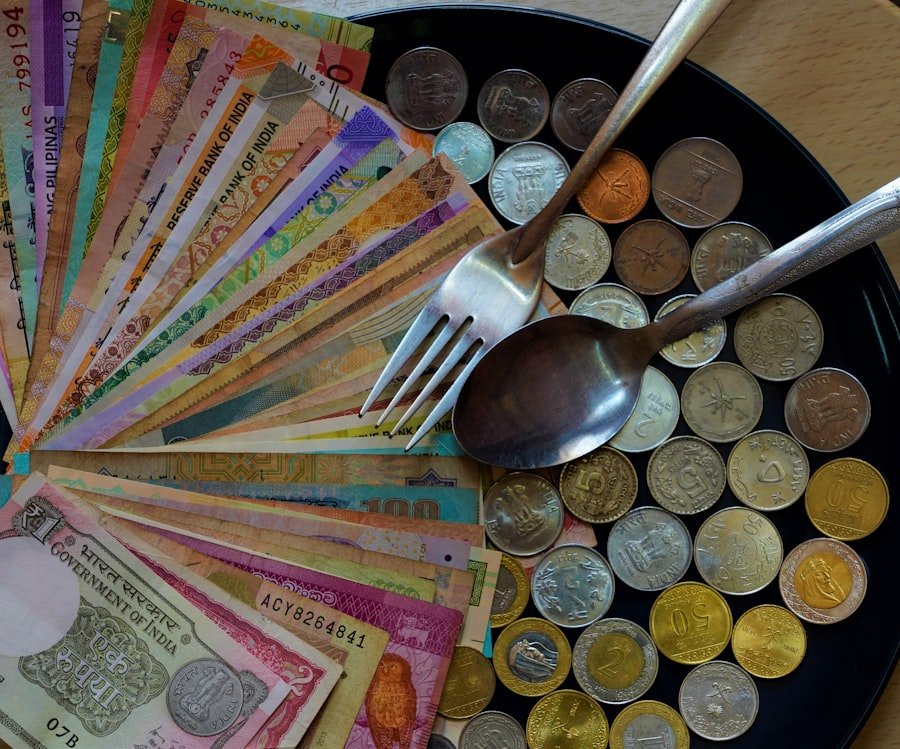
Specialty tourist boutiques clustered around Barfüsserplatz and Münsterplatz charge steep tourist premiums for Swiss souvenirs. Smart shoppers focus instead on local neighborhood markets and everyday retail outlets.
Supermarket Chocolate Over Boutique Confectioneries
You do not need to spend 12 to 20 CHF on artisanal boxes to take home world-class Swiss chocolate. Everyday Swiss supermarkets like Coop and Migros carry extensive chocolate aisles featuring premium national brands like Cailler, Lindt, Ragusa, and Frey. Standard 100g chocolate bars sell for 2.00 to 4.50 CHF, and supermarkets frequently run “buy-two-get-one-free” multipack promotions that make excellent gifts.
For a traditional Basel baked specialty, pick up Basler Läckerli—a dense, spiced gingerbread made with honey, candied orange and lemon peel, and almonds. Instead of purchasing oversized gift tins, stop by historic bakeries like Confiserie Schiesser on Marktplatz or local grocery biscuit aisles to purchase small, freshly baked bags.
Secondhand Treasures and Petersplatz Flea Market
In vibrant Kleinbasel along Feldbergstrasse and Klybeckstrasse, independent secondhand thrift shops known as Brockenhäuser (or *Brockis*) sell vintage Swiss homewares, mid-century pottery, art books, and retro apparel at bargain prices.
If you are in town on a Saturday, visit the open-air Flohmarkt Petersplatz (Petersplatz Flea Market). Operating weekly from morning until mid-afternoon under shady trees, local residents sell vintage watches, antique maps, secondhand clothing, and unique curios directly to shoppers with room for friendly haggling.
Budget-Friendly Day Trips from Basel
Basel’s unique position at the Dreiländereck (the tri-border meeting point of Switzerland, France, and Germany) makes it an economical launchpad for international excursions using cheap local transit rather than high-speed intercity trains.
- Weil am Rhein (Germany): Just a 15-minute ride on BVB Tram Line 8 brings you directly to Weil am Rhein. Beyond touring the world-famous public architecture on the Vitra Campus, visiting German grocery stores, drugstores (like dm), and bakeries allows you to restock travel supplies at substantially lower EU price points.
- Saint-Louis (France): Accessible in under 20 minutes via BVB Tram Line 3 from central Basel, Saint-Louis offers authentic French patisseries, regional bakeries, and traditional bistros serving affordable midday lunch menus.
- Freiburg im Breisgau (Germany): Located roughly 40 minutes north via affordable Deutsche Bahn regional trains from Basel Badischer Bahnhof (Basel Bad Bf), Freiburg is a charming Black Forest university city. Known for its medieval cathedral and narrow water canals (Bächle), dining and entertainment costs here run roughly 40% lower than in Switzerland.
- Colmar & Alsace (France): Reached in roughly 45 minutes via regional SNCF TER trains from Basel SBB, Colmar boasts fairytale half-timbered houses and canal quarters. French bistros offer prix-fixe lunch menus (Formule du Midi) for 15 to 20 EUR, delivering an upscale three-course experience at the price of a Swiss fast-food combo.
Tips for Saving on Entertainment & Nightlife
Experiencing Basel’s evening social scene does not require spending 25+ CHF on cocktails in luxury hotel bars. By following the habits of local university students and arts communities, you can enjoy memorable nights out on a modest budget.
Warning: Upscale river-facing hotel terraces frequently charge upwards of 28 to 35 CHF for mixed drinks. Instead, purchase local Feldschlösschen craft beer or regional wine from a neighborhood grocery store and join the social gatherings on the public stone steps along the Kleinbasel riverbank.
Riverside Buvetten Culture
From late spring through early autumn, pop-up seasonal beverage shacks called Buvetten open along the riverbank in Kleinbasel. These casual kiosks serve draft beer, regional wines, spritzers, and simple grilled panini at accessible prices. You are also welcome to sit beside them on the public promenade steps with your own supermarket refreshments.
Alternative Arts and Student Hubs
For live music, theater, and social events, explore Kaserne Basel—a former 19th-century military barracks in Kleinbasel revitalized into an energetic municipal cultural center. Kaserne frequently hosts open-air film screenings, live concerts, and seasonal festivals that are free or pay-what-you-can. Similarly, the Sud cultural center in the historic Warteck brewery complex hosts affordable indie music gigs, community readings, and vintage record fairs.
Sample Daily Budget Breakdown
To help you structure your travel funds, this realistic daily breakdown demonstrates how a cost-conscious traveler can explore Basel comfortably without missing key highlights:
| Expense Category | Backpacker Budget (CHF) | Moderate Budget (CHF) | Cost-Saving Strategy |
|---|---|---|---|
| Accommodation | 38.00 – 55.00 | 75.00 – 110.00 | Dorm bed at Youth Hostel Basel vs. private room at Motel One. |
| Local Transportation | 0.00 | 2.00 | Free via hotel BaselCard; optional 2 CHF Rhine ferry crossing. |
| Food & Dining | 15.00 – 22.00 | 30.00 – 42.00 | Supermarket deli & picnic vs. Markthalle global street food stalls. |
| Water & Drinks | 0.00 | 6.00 – 9.00 | Free public fountains; riverside beer from supermarket kiosks. |
| Activities & Sightseeing | 0.00 | 12.00 – 16.00 | Rhine swim, Minster, & free gardens vs. 50% BaselCard museum ticket. |
| Estimated Daily Total | 53.00 – 77.00 CHF | 125.00 – 179.00 CHF | Substantially below typical Swiss travel averages of 250+ CHF. |
Frequently Asked Questions
What are the best free things to do in Basel?
The top free activities include wandering the medieval Old Town, visiting the red-sandstone Basel Minster and Town Hall courtyards, admiring the kinetic Tinguely Fountain, and walking through the University Botanical Garden and Merian Gärten. In summer, floating down the Rhine with a waterproof Wickelfisch dry bag is the city’s signature free activity, while world-renowned museums like the Kunstmuseum Basel offer free admission during evening happy hours.
How can I eat cheaply in Basel?
To eat cheaply, avoid traditional sit-down restaurants during evening dinner service. Instead, pick up freshly prepared hot meals, sandwiches, and salads from Coop or Migros supermarket delis for 8 to 13 CHF, or purchase staples from discount grocers like Denner, Aldi, and Lidl. For warm restaurant meals, visit the international food stalls at Markthalle Basel or take Tram Line 3 or 8 across the border into France or Germany for lower-priced EU dining.
How do I get budget accommodation in Basel?
Book well in advance at reputable hostels such as the Youth Hostel Basel in St. Alban or Basel Backpack in Gundeldingen. Every registered accommodation in Basel automatically includes the free BaselCard, which completely covers local public transit and provides 50% discounts on museum admissions. Be sure to avoid visiting during Art Basel in mid-June when room rates quadruple.
Are museums in Basel free to visit?
While most museums charge admission, the complimentary BaselCard provided with your accommodation grants a 50% discount to all 40 municipal and private museums. Additionally, the Kunstmuseum Basel offers free admission to its permanent collection during Happy Hour (Tuesday, Wednesday, Friday, Saturday, and Sunday from 17:00 to 18:00, Thursday from 17:00 to 20:00) and all day on the first Sunday of each month.
What is the most cost-effective way to get around Basel?
The most cost-effective transportation is public transit using your complimentary BaselCard, which provides unlimited free rides on all city trams and buses within central TNW zones (including the EuroAirport Line 50 shuttle). Your hotel reservation confirmation also acts as a free transit pass on your arrival day. Furthermore, Basel is exceptionally compact, making walking and cycling very easy.
Can you drink the tap water from Basel fountains?
Yes. Basel features more than 170 public stone fountains supplying clean, natural drinking water 24 hours a day. The water is tested regularly and is entirely safe to drink unless a specific sign explicitly notes “Kein Trinkwasser” (No Drinking Water). Carrying a refillable bottle eliminates all water purchase costs during your stay.
Sources
- Basel Tourism — Official guest card benefits, BaselCard transportation coverage, and municipal visitor guides
- Kunstmuseum Basel — Official visitor hours, free collection happy hour schedules, and exhibition ticketing
- Basler Verkehrs-Betriebe (BVB) — Public transit network maps, cross-border routes, and EuroAirport Line 50 schedules
- Botanischer Garten der Universität Basel — Historic garden collections, greenhouse visiting hours, and free public admission policies
- Fondation Beyeler — Museum park grounds, exhibition pricing, and cross-border visitor information