

Birmingham, Alabama, has long been a focal point in the narrative of civil rights in the United States. The city’s history is marked by a series of events that highlight the struggle for racial equality, beginning in the early 20th century. During this period, Birmingham was characterized by its industrial growth, which attracted a diverse population, including a significant number of African Americans seeking employment opportunities.
However, this economic boom was accompanied by systemic racism and segregation, which were deeply entrenched in the social fabric of the city. The Jim Crow laws enforced racial segregation in public spaces, schools, and transportation, creating a stark divide between white and black citizens. The civil rights movement in Birmingham gained momentum in the 1950s and 1960s, catalyzed by the growing discontent among African Americans regarding their treatment and the lack of basic civil liberties.
The formation of organizations such as the Alabama Christian Movement for Human Rights (ACMHR) in 1956 marked a pivotal moment in the fight against racial injustice. Activists organized protests, boycotts, and sit-ins to challenge segregationist policies. The city became a battleground for civil rights activists who faced violent opposition from law enforcement and white supremacist groups.
Events such as the Birmingham Campaign in 1963, led by figures like Martin Luther King Jr. and Fred Shuttlesworth, brought national attention to the struggle for civil rights, highlighting the brutal realities of segregation and discrimination.
Key Takeaways
- Birmingham played a significant role in the Civil Rights Movement, with key events such as the Birmingham Campaign and the 16th Street Baptist Church bombing.
- Must-see civil rights sites in Birmingham include the Birmingham Civil Rights Institute, 16th Street Baptist Church, and Kelly Ingram Park.
- The legacy of civil rights activists in Birmingham, such as Fred Shuttlesworth and Rev. Martin Luther King Jr., continues to inspire and influence the fight for equality.
- Birmingham’s civil rights sites are preserved and maintained through the efforts of organizations like the Birmingham Historical Society and the National Park Service.
- The impact of Birmingham’s Civil Rights Movement on the nation is evident in the progress made towards racial equality and social justice, as well as the inspiration it provides for ongoing activism.
The Role of Birmingham in the Civil Rights Movement
Birmingham’s significance in the civil rights movement cannot be overstated; it was often referred to as “Bombingham” due to the frequent bombings targeting African American homes and churches. This violent backdrop galvanized activists and drew national attention to their cause. The Birmingham Campaign of 1963 was particularly crucial, as it employed nonviolent direct action to confront segregationist policies.
Activists organized mass protests, including marches and sit-ins, to challenge discriminatory practices in public accommodations. The response from local authorities was swift and brutal; police chief Bull Connor infamously unleashed fire hoses and police dogs on peaceful demonstrators, shocking the nation and drawing widespread condemnation. The events in Birmingham served as a catalyst for change at both local and national levels.
The televised images of violence against peaceful protesters prompted President John F. Kennedy to take a more active role in advocating for civil rights legislation. The campaign culminated in the historic March on Washington later that year, where Martin Luther King Jr.
delivered his iconic “I Have a Dream” speech. Birmingham’s role as a crucible for civil rights activism not only highlighted the urgent need for reform but also inspired similar movements across the country, making it a pivotal chapter in American history.
Must-See Civil Rights Sites in Birmingham
Visitors to Birmingham can explore several significant sites that commemorate the city’s rich civil rights history. One of the most notable is the Birmingham Civil Rights Institute, which serves as both a museum and a research center dedicated to educating the public about the struggle for civil rights. The institute features powerful exhibits that chronicle the history of segregation and the civil rights movement, including artifacts, photographs, and multimedia presentations that bring to life the stories of those who fought for justice.
Another essential site is the 16th Street Baptist Church, which became a symbol of the civil rights struggle after a tragic bombing in 1963 killed four young girls attending Sunday school. The church stands as a memorial to those lost and serves as a reminder of the violence that accompanied the fight for equality. Visitors can attend services or participate in guided tours that provide insight into the church’s historical significance and its role in the movement.
The Kelly Ingram Park is also worth visiting; it was a central gathering place for civil rights demonstrations during the 1960s. The park features several sculptures and monuments that honor the sacrifices made by activists. One notable installation is “The Four Spirits,” which commemorates the four girls killed in the 16th Street Baptist Church bombing.
Each site offers a unique perspective on Birmingham’s civil rights history, allowing visitors to engage with the past while reflecting on its implications for the present.
The Legacy of Civil Rights Activists in Birmingham
| Activist | Contribution | Impact |
|---|---|---|
| Martin Luther King Jr. | Led nonviolent protests and marches | Played a key role in desegregation and voting rights |
| Rosa Parks | Refused to give up her bus seat | Sparked the Montgomery Bus Boycott and inspired civil rights movement |
| Fred Shuttlesworth | Co-founded the Southern Christian Leadership Conference | Organized protests and fought for desegregation in Birmingham |
| John Lewis | Organized sit-ins and freedom rides | Became a prominent leader in the civil rights movement and later a congressman |
The legacy of civil rights activists in Birmingham is profound and enduring. Figures such as Martin Luther King Jr., Fred Shuttlesworth, and Diane Nash played pivotal roles in shaping the movement and advocating for social justice. Their courage and commitment to nonviolent protest inspired countless individuals to join the fight against racial injustice.
King’s leadership during the Birmingham Campaign exemplified his philosophy of nonviolent resistance, which sought to confront oppression without resorting to violence. Activists like Shuttlesworth were instrumental in organizing grassroots efforts that mobilized communities to demand change. His work with the ACMHR laid the groundwork for many of the protests that would follow, emphasizing the importance of local leadership in the broader civil rights movement.
Nash’s contributions as a student leader highlighted the role of young people in advocating for change; her involvement in sit-ins and other forms of direct action demonstrated that youth could be powerful agents of social transformation. The impact of these activists extends beyond their immediate achievements; their stories continue to inspire new generations of advocates for social justice. Educational programs and community initiatives in Birmingham honor their legacy by promoting awareness of civil rights issues and encouraging civic engagement among young people.
This ongoing commitment to activism reflects a deep-seated belief that the fight for equality is far from over.
How Birmingham’s Civil Rights Sites are Preserved and Maintained
Preserving Birmingham’s civil rights sites is essential for ensuring that future generations understand and appreciate the significance of this history. Organizations such as the Birmingham Civil Rights Institute play a crucial role in maintaining these sites through educational programming, community outreach, and preservation efforts. The institute collaborates with local historians, educators, and community leaders to develop initiatives that promote awareness of civil rights issues while honoring those who fought for justice.
In addition to institutional efforts, grassroots movements have emerged to advocate for the preservation of historical sites related to civil rights. Community members often organize events, fundraisers, and awareness campaigns aimed at maintaining these locations as living memorials to those who struggled for equality. For instance, local activists have worked tirelessly to ensure that sites like the 16th Street Baptist Church remain accessible to visitors while also serving as active places of worship.
Moreover, preservation efforts are often supported by government initiatives at both state and federal levels. Designations such as National Historic Landmarks or inclusion on the National Register of Historic Places help secure funding and resources necessary for maintenance and restoration projects.
The Impact of Birmingham’s Civil Rights Movement on the Nation
The impact of Birmingham’s civil rights movement reverberated throughout the United States, influencing both public opinion and policy changes regarding racial equality. The events that unfolded in Birmingham during the early 1960s served as a microcosm of the larger struggle for civil rights across the nation. The brutal response from law enforcement during peaceful protests shocked many Americans who had previously been indifferent or unaware of racial injustices.
The national media played a pivotal role in amplifying these events; images of police brutality against demonstrators were broadcast across television screens, prompting widespread outrage and calls for action.
As a result, President Lyndon Johnson was able to push through landmark legislation such as the Civil Rights Act of 1964 and the Voting Rights Act of 1965.
Birmingham’s influence extended beyond legislative changes; it also inspired grassroots movements across various communities throughout America. Activists drew lessons from Birmingham’s strategies, employing similar tactics such as nonviolent protests, boycotts, and sit-ins to challenge segregationist policies in their own cities. The legacy of Birmingham thus lies not only in its historical significance but also in its role as a catalyst for broader social change across the nation.
The Continued Fight for Civil Rights in Birmingham
Despite significant progress since the height of the civil rights movement, challenges remain in Birmingham and across America regarding racial equality and social justice. Contemporary issues such as economic disparity, police violence, and systemic racism continue to affect marginalized communities within Birmingham. Activists today draw upon the lessons learned from their predecessors while adapting their strategies to address modern challenges.
Organizations dedicated to civil rights advocacy remain active in Birmingham, focusing on issues such as affordable housing, education equity, and criminal justice reform. These groups often collaborate with local government officials, community leaders, and residents to develop comprehensive solutions aimed at dismantling systemic barriers that perpetuate inequality. For instance, initiatives aimed at improving access to quality education for all children reflect an understanding that education is a critical component of achieving long-term social change.
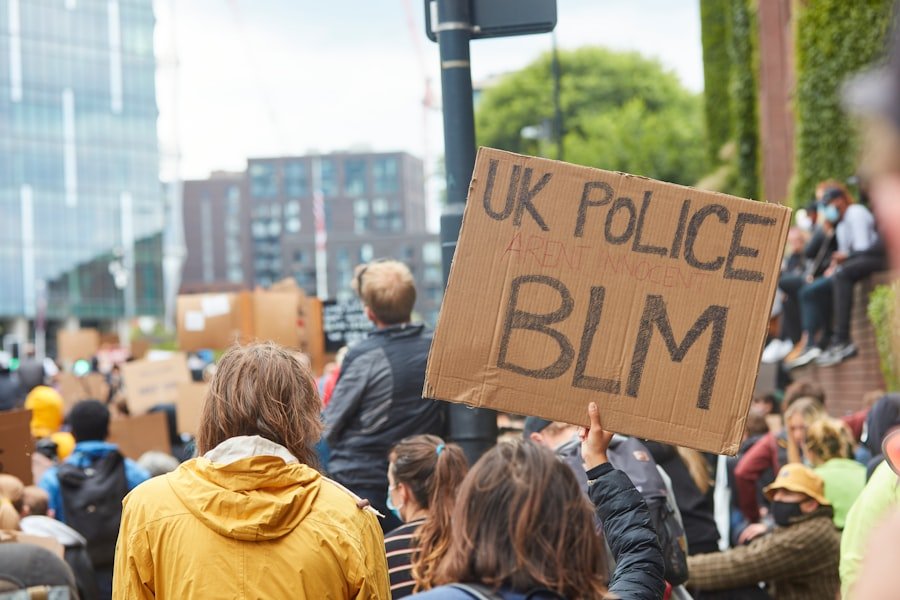
Moreover, younger generations are increasingly involved in activism, utilizing social media platforms to raise awareness about ongoing injustices and mobilize support for various causes. This digital engagement allows activists to reach broader audiences while fostering connections between local struggles and national movements such as Black Lives Matter. The continued fight for civil rights in Birmingham underscores an enduring commitment to justice that resonates with both historical significance and contemporary relevance.
How Visitors Can Engage with Birmingham’s Civil Rights History
Visitors to Birmingham have numerous opportunities to engage with its rich civil rights history through immersive experiences that foster understanding and reflection. One way is by participating in guided tours led by knowledgeable local historians who provide context and personal narratives related to key events and figures from the civil rights movement. These tours often include visits to significant sites such as Kelly Ingram Park, where participants can learn about pivotal demonstrations while standing on hallowed ground.
Additionally, educational programs offered by institutions like the Birmingham Civil Rights Institute provide workshops, lectures, and discussions that delve deeper into specific aspects of civil rights history. These programs encourage participants to reflect on how past struggles inform current social justice issues while fostering dialogue about ways individuals can contribute positively to their communities today. Visitors can also engage with local organizations dedicated to preserving civil rights history through volunteer opportunities or participation in community events focused on social justice advocacy.
By actively engaging with these initiatives, individuals not only honor those who fought for equality but also contribute to ongoing efforts aimed at creating a more just society. In conclusion, Birmingham stands as a testament to both the struggles faced during the civil rights movement and the ongoing fight for equality today. Through its historical sites, dedicated activists, and engaged community members, Birmingham continues to inspire individuals seeking justice while reminding us all of our shared responsibility to uphold civil rights for everyone.
While Birmingham’s civil rights sites stand as powerful reminders of the struggle for equality and justice, they also serve as a testament to the resilience and courage of those who fought for change. These historic locations, such as the 16th Street Baptist Church and the Birmingham Civil Rights Institute, offer profound insights into the civil rights movement’s impact on American society. For those interested in exploring more cultural and historical narratives, you might find the article on the delightful world of Asian melon intriguing. It delves into the rich history and cultural significance of this fruit in various Asian countries. You can read more about it here.
FAQs
What are some important civil rights sites in Birmingham?
Some important civil rights sites in Birmingham include the Birmingham Civil Rights Institute, 16th Street Baptist Church, Kelly Ingram Park, and the A.G. Gaston Motel.
What is the significance of the Birmingham Civil Rights Institute?
The Birmingham Civil Rights Institute is a museum and research center that documents the struggles of the civil rights movement in Birmingham. It provides educational programs and exhibits that highlight the history of the movement.
Why is the 16th Street Baptist Church important in the civil rights movement?
The 16th Street Baptist Church was the site of a bombing in 1963 that killed four young African American girls. This event galvanized support for the civil rights movement and brought national attention to the struggle for racial equality.
What is the significance of Kelly Ingram Park?
Kelly Ingram Park was the site of numerous civil rights protests and demonstrations, including the Children’s Crusade in 1963. The park features sculptures and memorials that commemorate the struggle for civil rights in Birmingham.
What role did the A.G. Gaston Motel play in the civil rights movement?
The A.G. Gaston Motel was a hub for civil rights leaders and activists during the 1960s. It served as a meeting place and temporary headquarters for the movement, and was the site of important strategic planning sessions.