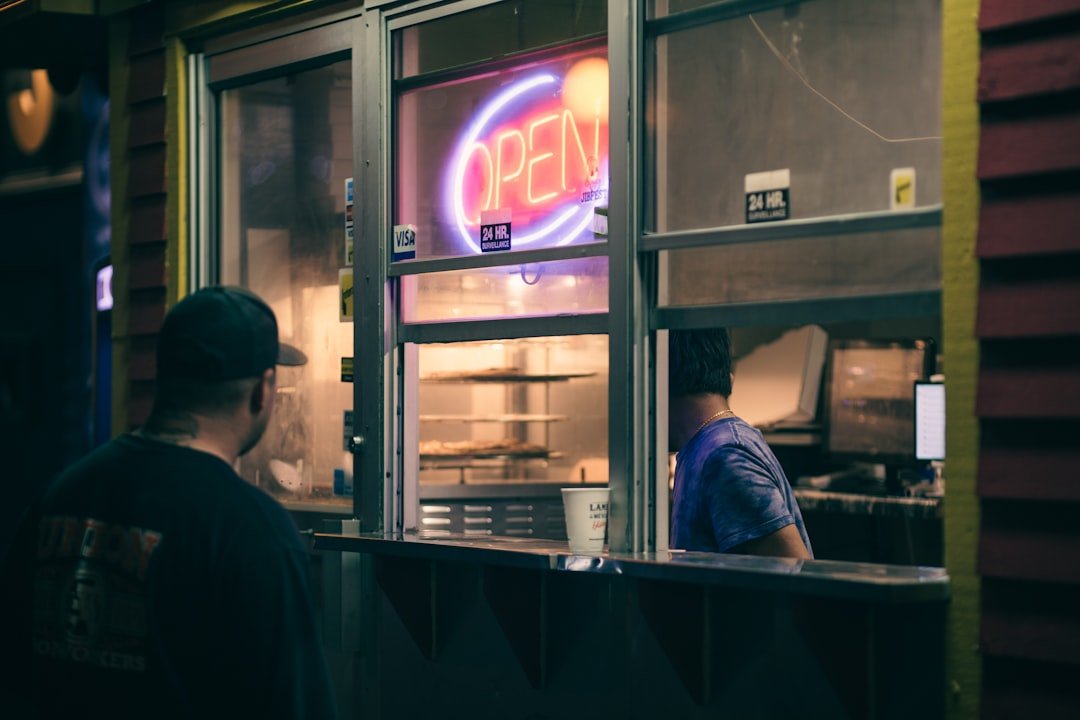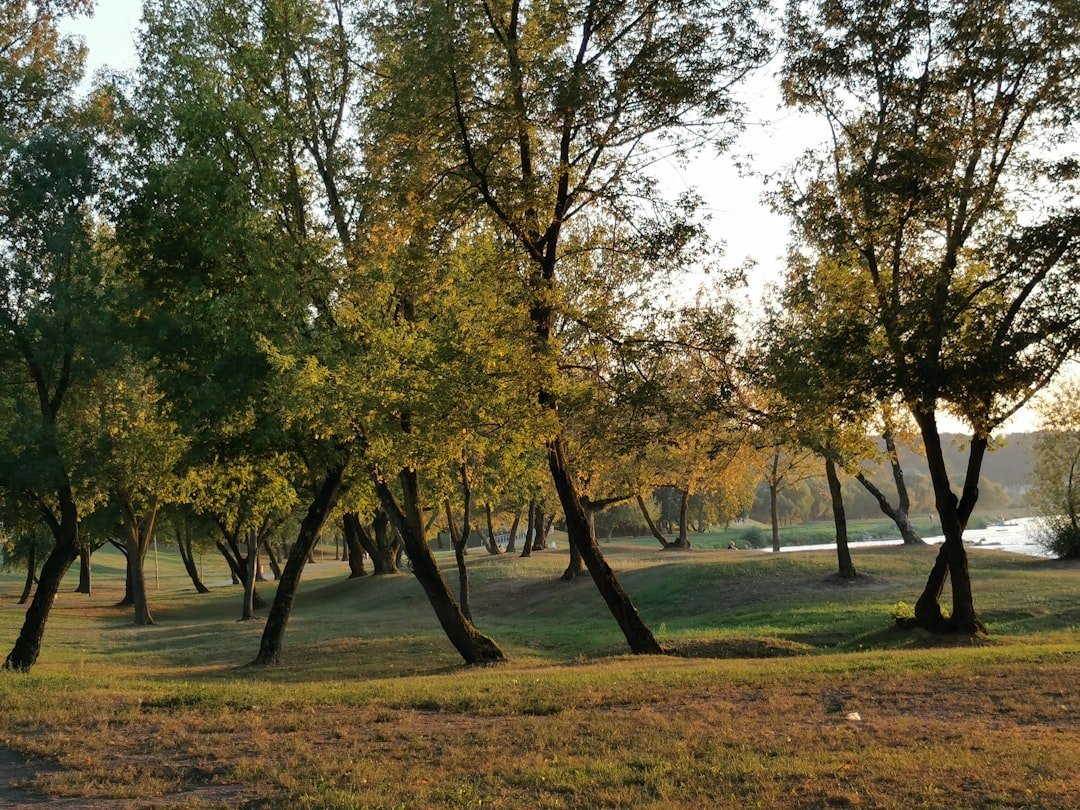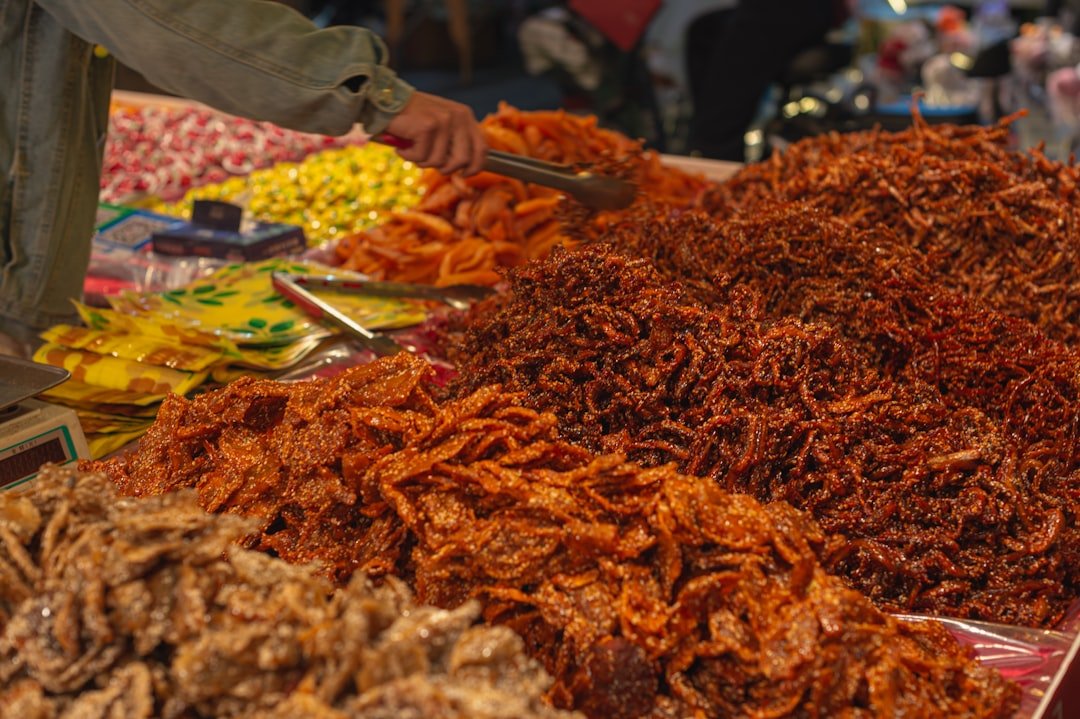
Büyükada, the largest of Istanbul’s Princes’ Islands, is known for its historic pier, wooden mansions, waterfront setting, cafés, seafood, and relaxed island atmosphere. Food is part of that experience, but visitors should think of Büyükada street food as a mix of familiar Istanbul snacks, takeaway dishes, bakery foods, shellfish, and seasonal treats rather than a completely separate island cuisine.
Quick Answer
For street food in Büyükada, start around the ferry pier, bazaar square, waterfront, and central shopping streets. Look for simit, börek, gözleme, midye dolma, kokoreç, ice cream, pastries, and other quick Turkish foods. Seafood is especially relevant to the island, while individual stalls and opening hours can change by season and day.
Key Takeaways
- Büyükada combines Istanbul street-food staples with a strong waterfront, shellfish, seafood, bakery, and café culture.
- Simit, börek, gözleme, midye dolma, kokoreç, sweets, and other quick foods may be available, although the exact selection changes.
- The ferry pier, bazaar square, waterfront, and nearby central streets are the easiest areas to explore on foot.
- Do not rely on old online vendor hours or assume a particular stall will operate every day; island businesses can be seasonal.
- For seafood and other perishable foods, favor clean, busy sellers that handle food carefully and keep it at appropriate temperatures.
The History of Street Food in Büyükada
Büyükada’s wider history is easier to document than the exact beginnings of its street-food trade. The Princes’ Islands were used during the Byzantine period as places of retreat, exile, and summer residence. In later centuries, improved boat connections made the islands increasingly accessible to Istanbul residents and visitors.
The Adalar District Governor’s historical overview describes the islands’ long role as summer destinations, while Büyükada developed a distinctive landscape of mansions, religious buildings, hotels, cafés, and leisure spaces. That visitor culture naturally created demand for convenient food as well as sit-down dining.
It is safer, however, not to claim that a specific Büyükada street-food tradition began at one particular moment in the Ottoman period. Today’s casual food scene is better understood as part of Istanbul’s wider food culture, adapted to an island filled with day-trippers, residents, cafés, bakeries, takeaway counters, seafood restaurants, and seasonal sellers.
Must-Try Street Food Dishes in Büyükada
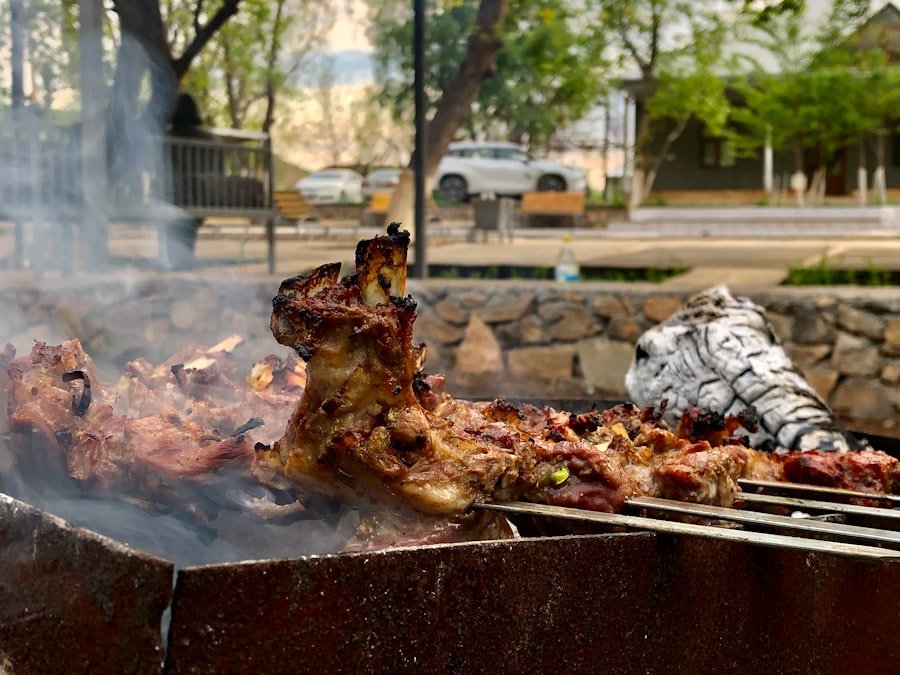
One of the easiest foods to try is simit, the sesame-coated ring bread sold throughout Istanbul. It works well as a light breakfast or snack and is commonly paired with Turkish tea.
Midye dolma, or stuffed mussels, is another classic Istanbul street food that suits Büyükada’s waterfront setting. The mussel shell holds a seasoned rice mixture and is normally finished with fresh lemon. GoTürkiye lists stuffed mussels among Istanbul’s best-known street foods, and Büyükada’s official tourism information specifically notes shellfish as part of the island’s dining scene.
Börek is a practical choice if you prefer something baked. Depending on the bakery or seller, the flaky pastry may contain cheese, meat, spinach, or other fillings. Gözleme, a thin filled flatbread cooked on a hot surface, is another simple meal when available.
Visitors may also encounter kokoreç, a strongly seasoned dish made from lamb offal. It is often chopped and served in bread. Its flavor and texture are much stronger than simit or börek, so it is a good option for travelers who want to try a more adventurous Turkish street food.
Kumpir is a baked potato whose soft center is mixed with ingredients such as butter and cheese before toppings are added. It is part of Istanbul’s broader casual-food culture, although Ortaköy—not Büyükada—is the city location most famously associated with kumpir. If you find it on the island, treat it as an Istanbul favorite rather than a uniquely Büyükada dish.
For something sweet, look for foods such as lokma, pastries, baklava, or Turkish-style ice cream when available. Selection changes between shops, stalls, weekends, and seasons.
Where to Find Street Food in Büyükada
| Area | What to Look For | Why Start Here |
| Ferry pier and bazaar square | Simit, bakery foods, takeaway snacks, sweets, cafés, and quick meals | This is the island’s busiest arrival area and an easy place to compare several options. |
| Waterfront | Shellfish, seafood, casual takeaway food, drinks, and desserts | Büyükada is particularly known for its waterfront food scene and fish restaurants. |
| Central shopping streets | Börek, gözleme, sandwiches, pastries, ice cream, and small takeaway dishes | Walking a few streets beyond the pier can reveal quieter bakeries, cafés, and local businesses. |
The area immediately around the ferry terminal is the simplest starting point. Büyükada’s official tourism information describes a historic pier, large bazaar square, tea gardens, cafés, shellfish, and fish restaurants, so the center gives visitors a broad introduction to the island’s food scene.
Walk along the waterfront and then through the streets behind the square rather than buying from the first place you see. Menus, stalls, and takeaway counters change throughout the year, especially between quiet weekdays and busy summer weekends.
Pro Tip: Buy small portions from several places instead of making your first snack a full meal. It is an easy way to compare simit, pastries, seafood, and sweets without getting full too quickly.
Exploring the Local Market for Fresh Ingredients
Büyükada has a designated market area, and local market activity forms part of everyday island life. It is a useful place to see produce and household goods beyond the tourist-focused waterfront.
However, market schedules should not be treated as permanent. Days, operating times, and services can change. Adalar Municipality publishes current announcements and has referred to the Büyükada Pazar Alanı in its public information, so travelers who specifically want to visit the market should check current municipal information rather than relying on an old fixed weekday.
Fresh vegetables, herbs, cheeses, olives, fruit, bread, and similar ingredients are important across Turkish cooking. They also help explain why simple foods such as gözleme, börek, salads, breakfast plates, and sandwiches can be so satisfying. What should not be assumed is that every street seller on Büyükada buys directly from farms or from the island market unless that seller says so.
The Influence of Different Cultures on Büyükada’s Street Food
Büyükada has a genuinely multicultural history. Greek, Armenian, Turkish, and other communities have all contributed to the island’s architecture, religious life, neighborhoods, and social history. Nineteenth-century mansions built by wealthy Greek and Armenian residents remain among the visible reminders of that past.
Food also reflects the broader history of Istanbul and the eastern Mediterranean, but it is easy to oversimplify culinary origins. Dishes such as börek, simit, seafood preparations, pastries, and filled breads have long histories that cross modern national and community boundaries.
Instead of assigning each street food to a single community, it is more useful to see Büyükada as one part of Istanbul’s wider culinary network. Ferry connections bring residents and visitors back and forth, while the island’s historic communities, waterfront setting, tourism, bakeries, cafés, and restaurants all shape what people eat today.
Unique Flavors and Ingredients in Büyükada’s Street Food
The clearest local influence is Büyükada’s relationship with the Sea of Marmara. Official tourism information highlights shellfish and fish restaurants as part of the island’s food identity. Depending on the seller and season, visitors may find seafood served simply with bread, greens, herbs, or lemon.
Lemon is especially familiar with midye dolma, while herbs, pepper, sumac, pickles, olives, cheese, yogurt, and tomato-based accompaniments appear throughout Turkish casual dining. Individual recipes vary considerably.
Pomegranate molasses can also appear in Turkish salads and meat dishes, but it should not be described as a defining Büyükada street-food ingredient without evidence from a particular seller or recipe. The same caution applies to claims about locally grown figs, olives, herbs, or other produce: they may be available, but not every ingredient sold on the island is necessarily grown there.
The Role of Street Food in Büyükada’s Culinary Culture
Quick food is valuable on Büyükada because many visitors arrive for only a day. A simit, pastry, stuffed mussel, sandwich, ice cream, or other takeaway item fits naturally between a ferry ride, a walk through the historic streets, a bicycle trip, or time by the waterfront.
Street food also offers a lower-commitment alternative to a full seafood restaurant meal. Travelers can taste several familiar Istanbul foods while continuing to explore the island.
That does not mean every resident gathers around street-food stalls in the same way or that every seller follows an old family recipe. Those details vary from business to business. What can be said safely is that casual food, cafés, bakeries, shellfish, and seafood are part of Büyükada’s visitor experience, particularly around the busy center.
Tips for Exploring Büyükada’s Street Food Scene
Start near the ferry pier and browse before choosing. The highest concentration of visitors is usually around the central arrival area, but walking farther into the nearby streets can provide more options.
Busy periods can be useful when choosing freshly prepared food because stock tends to move quickly. At the same time, popular weekends and summer days may bring queues, so avoid planning your entire visit around one particular stall.
Ask sellers what was prepared recently, what is popular that day, and what ingredients are used. This is particularly useful if you have allergies, avoid meat, or need to know whether a pastry contains cheese, egg, butter, nuts, or another ingredient.
Warning: Use extra care with seafood, stuffed mussels, meat, dairy, and other perishable foods. Choose clean-looking sellers, avoid food that appears to have been sitting at an unsafe temperature, and favor items that are freshly cooked or properly chilled. The World Health Organization recommends cleanliness, thorough cooking, safe temperatures, separation of raw and cooked foods, and safe ingredients as basic food-safety principles.
If you are trying several foods, share portions with a companion or order the smallest available size. This lets you sample more without wasting food.
Dietary and Allergy Considerations
Vegetarian travelers can often find simit, cheese or spinach börek, some gözleme fillings, salads, pastries, and potato-based foods. However, recipes differ, and animal fat, butter, cheese, or meat stock may be used even when a dish does not look meat-heavy.
Travelers with shellfish allergies should avoid midye dolma and ask about shared preparation surfaces. People avoiding gluten should be cautious with simit, bread, börek, gözleme, and most pastries. Desserts may contain dairy, nuts, sesame, or gluten, so asking before ordering is important.
Meeting Local Food Sellers and Learning Their Stories
One of the most enjoyable parts of eating on Büyükada can be speaking directly with the people preparing or selling the food. A short conversation may tell you which item is freshest, what locals usually order, or whether a recipe changes by season.
The most useful food story is the one a real seller tells you directly—not an invented anecdote about a vendor you may never meet.
Some businesses may have long family histories, while others are newer operations serving day-trippers. Let the seller explain that background rather than assuming that every recipe has been passed down for generations.
A few simple Turkish phrases can make the interaction easier. Even asking what is fresh or popular that day can lead to a better choice than ordering only from a photograph or an old online recommendation.
Enjoying Büyükada’s Street Food with a View
Büyükada’s setting is one of the best reasons to combine casual food with sightseeing. The ferry area and waterfront provide views across the Sea of Marmara, while the island’s historic streets, trees, mansions, and public spaces make an easy backdrop for a snack.
You might take a simit or pastry for a short walk, stop for ice cream near the center, or choose seafood close to the water. When eating outdoors, use public seating where permitted and dispose of packaging responsibly.
The atmosphere changes through the day. Mornings can suit tea, simit, and bakery food. Midday brings day-trippers looking for quick meals, while the waterfront becomes particularly appealing later in the day.
Büyükada street food is therefore best approached as part of the wider island experience rather than as a checklist of supposedly famous stalls. Try familiar Istanbul favorites, pay attention to seafood and bakery foods that fit the setting, and leave room for whatever looks fresh and well prepared on the day of your visit.
For a sweet finish, choose something that fits the local Turkish food context, such as lokma, baklava, pastries, or ice cream when available. These are more useful additions to a Büyükada food itinerary than unrelated fruit or cottage-cheese recipes.
Frequently Asked Questions
What is street food in Büyükada?
Street food in Büyükada includes quick foods, bakery items, takeaway dishes, shellfish, snacks, sweets, and other casual foods sold around the island. Much of it belongs to Istanbul’s wider street-food tradition rather than being unique to Büyükada.
What are some popular street foods to try in Büyükada?
Depending on what is available, look for simit, midye dolma, börek, gözleme, kokoreç, pastries, ice cream, seafood, and other Turkish takeaway foods. Kumpir may also be available, although it is most strongly associated with Istanbul’s Ortaköy area.
Is street food in Büyükada safe to eat?
Safety depends on how food is stored, handled, and prepared rather than simply where it is sold. Choose clean, busy sellers, favor freshly cooked food, and be especially careful with shellfish, seafood, meat, and dairy that require safe temperature control.
Where are the best areas to look for street food in Büyükada?
Start around the ferry pier and bazaar square, then walk along the waterfront and through the nearby central shopping streets. These areas have the highest concentration of cafés, bakeries, takeaway food, seafood businesses, and seasonal sellers.
How much does street food cost in Büyükada?
Prices vary by food, portion size, season, and business. Türkiye has experienced frequent price changes, so fixed prices can become outdated quickly. Check the current menu or displayed price before ordering.
Is Büyükada street food available all year?
Some bakeries, cafés, and food businesses serve residents throughout the year, but the number of visitor-focused stalls and takeaway options can increase during warmer months, weekends, and busy tourism periods. Never assume an old online opening schedule is still current.
What can vegetarians eat in Büyükada?
Possible options include simit, cheese or spinach börek, some gözleme, salads, potato dishes, pastries, and desserts. Ask about ingredients because butter, cheese, eggs, meat stock, or animal fat may be used in some recipes.
Sources
- GoTürkiye — Büyükada — supports Büyükada’s status as the largest Princes’ Island and its historic pier, bazaar square, cafés, shellfish, and fish-restaurant scene.
- GoTürkiye — Istanbul Street Food — supports descriptions of Istanbul foods including midye dolma, kumpir, börek, and other casual dishes.
- Visit Istanbul — Street Delicacies — supports Istanbul street-food context, including simit and kumpir.
- T.C. Adalar Kaymakamlığı — History of the Islands — supports the documented Byzantine, Ottoman-era, retreat, exile, and summer-destination history of the Princes’ Islands.
- World Health Organization — Five Keys to Safer Food — supports the food-hygiene and safe-handling guidance.