Eiger Trail Difficulty: Quick Answer
Last updated: July 8, 2026
The Eiger Trail difficulty is moderate for most active hikers. The standard route runs from Eigergletscher station to Alpiglen station, covers about 6.1 km, and usually takes about 2 hours before photo stops or rest breaks. You do not need climbing gear, but you do need sturdy shoes, steady footing, and good weather.
The hike feels harder than its distance suggests because it descends about 779 m on mountain paths, scree, steep alpine pasture, and uneven ground below the Eiger North Face. Choose it if you are comfortable on rocky trails. Skip it in snow, ice, fog, storms, or if steep downhill walking bothers your knees.
Route sources: Jungfrau lists the Eiger Trail as a 2-hour hike from Eigergletscher, and Outdooractive/Grindelwald Tourism lists the route as 6.1 km with 78 m ascent and 779 m descent. Check current trail and transport status before you go: Jungfrau Eiger Trail and Outdooractive route details.
Eiger Trail Route Facts
| Route detail | What to expect |
|---|---|
| Standard direction | Eigergletscher to Alpiglen |
| Distance | About 6.1 km |
| Typical hiking time | About 2 hours, plus time for breaks and photos |
| Elevation change | About 78 m up and 779 m down |
| Highest and lowest points | Roughly 2,346 m down to 1,615 m |
| Difficulty | Moderate mountain hike with rocky and steep downhill sections |
Key Takeaways
- The Eiger Trail is a moderate Swiss Alps hike, not a technical climb.
- The usual route goes downhill from Eigergletscher to Alpiglen and takes about 2 hours.
- The main challenge is the long descent on uneven mountain terrain.
- Good hiking shoes matter more than speed because scree, pasture, and wet sections can be slippery.
- Check the weather and trail status before starting because fog, storms, snow, or ice can make the route unsafe.
- Plan extra time if you want photos of the Eiger North Face, Kleine Scheidegg, Grindelwald, and nearby peaks.
How Hard Is the Eiger Trail?
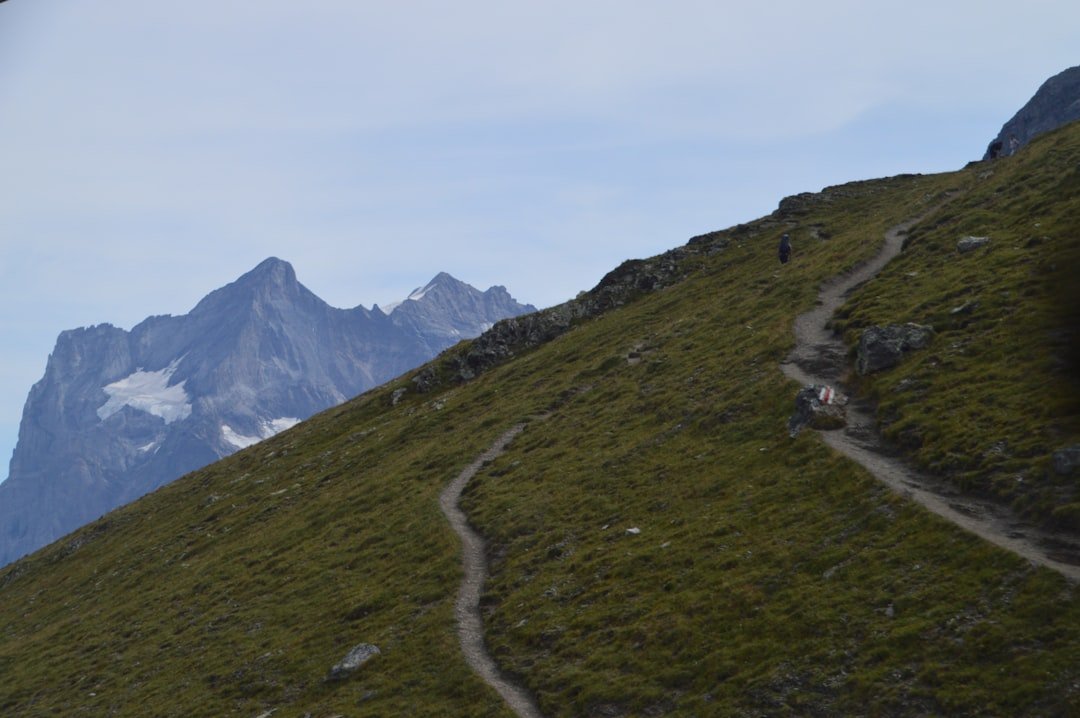
The Eiger Trail is best described as a moderate mountain hike. It is manageable for hikers with basic fitness, but it is not a flat sightseeing walk. The path follows the foot of the Eiger North Face and crosses steep alpine pasture, rocky sections, scree, wild streams, and exposed-feeling viewpoints.
The route does not require ropes, helmets, crampons, or climbing skills in normal summer conditions. Still, you should feel confident walking on uneven ground. The downhill direction can also tire your legs faster than expected, especially if you are not used to long descents.
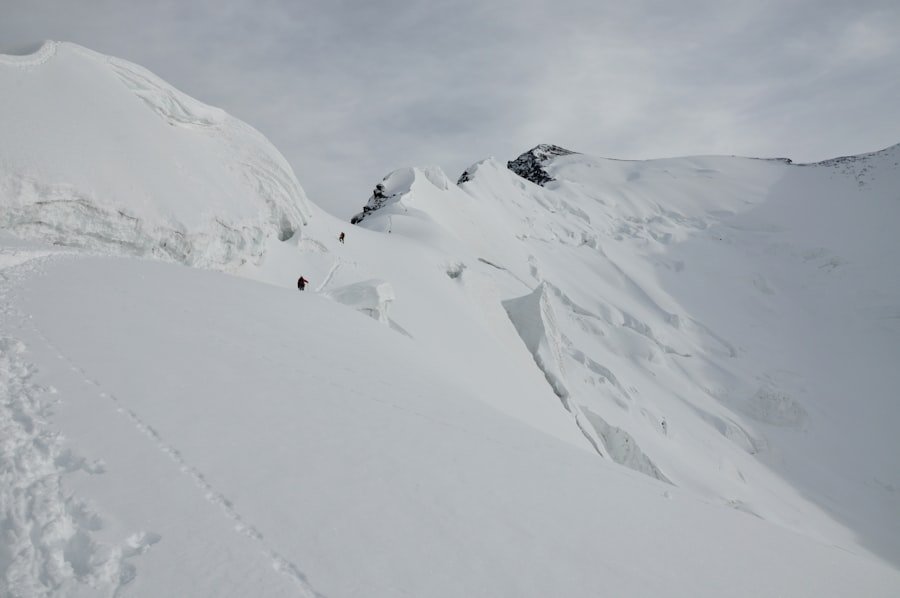
The hike becomes much harder in poor weather. Rain can make stones and grass slippery, fog can reduce visibility, and snow or ice can hide the trail surface. If the forecast looks unstable, choose a lower route or wait for clearer conditions.
What Affects the Difficulty of the Eiger Trail?
Several factors decide how difficult the Eiger Trail feels on the day you hike it. Fitness helps, but footing, weather, and direction matter just as much.
- Trail direction: Eigergletscher to Alpiglen is mostly downhill. Alpiglen to Eigergletscher adds a long climb and feels much harder.
- Downhill strain: The descent can be tough on knees, calves, and ankles.
- Surface: Scree, rocky path, and damp pasture require careful steps.
- Weather: Fog, rain, wind, snow, or ice can turn a moderate route into a risky one.
- Crowds: Summer traffic can slow narrow sections and make photo stops longer.
- Altitude: The high point is around 2,346 m, so some hikers may feel more breathless than usual.
How Long Does the Eiger Trail Take?
Most hikers complete the standard Eiger Trail from Eigergletscher to Alpiglen in about 2 hours. Plan closer to 2.5 to 3 hours if you stop often for photos, move slowly on descents, or hike during busy summer periods.
If you hike the route uphill from Alpiglen to Eigergletscher, allow more time. That direction adds a sustained climb and changes the hike from a scenic downhill route into a more demanding fitness effort.
| Pace | Estimated time | Best for |
|---|---|---|
| Steady hikers | About 2 hours | Experienced walkers with few stops |
| Relaxed hikers | 2.5 to 3 hours | Photo stops and scenic breaks |
| Uphill route | Longer and more strenuous | Fit hikers wanting a harder climb |
Which Direction Should You Hike?
For most visitors, the better direction is Eigergletscher to Alpiglen. You start high, get immediate views near the Eiger North Face, and finish at Alpiglen station, where you can return by train.
Hiking from Alpiglen to Eigergletscher is possible, but it is more demanding because you gain most of the same elevation that downhill hikers lose. Choose the uphill version only if you want a stronger workout and have enough time before your next train or cable car connection.
Who Is the Eiger Trail Suitable For?
The Eiger Trail suits active travelers who already enjoy mountain paths, uneven ground, and downhill walking. It is a good choice if you want close views of the Eiger North Face without attempting a technical climb.
You may want to skip it if you have knee problems, poor balance, fear of steep slopes, or limited hiking experience. Families with older children can consider it in good conditions, but it is not ideal for strollers, very young children, or anyone expecting a paved viewpoint walk.
Tips for Hiking the Eiger Trail
Start early if you want quieter trail conditions and clearer morning views. Afternoon clouds can build quickly in alpine areas, and the light often changes fast near the Eiger North Face.
Carry enough water and snacks, even though the hike is not long. The route is exposed in places, and the descent can still feel tiring. A slow, careful pace is better than rushing over loose stones.
- Check weather, trail status, and transport times before leaving.
- Use hiking shoes with strong grip.
- Bring a light rain layer, even in summer.
- Keep your phone charged for navigation and transport updates.
- Stay on the marked trail and avoid shortcuts across scree or grass.
Recommended Gear for Eiger Trail
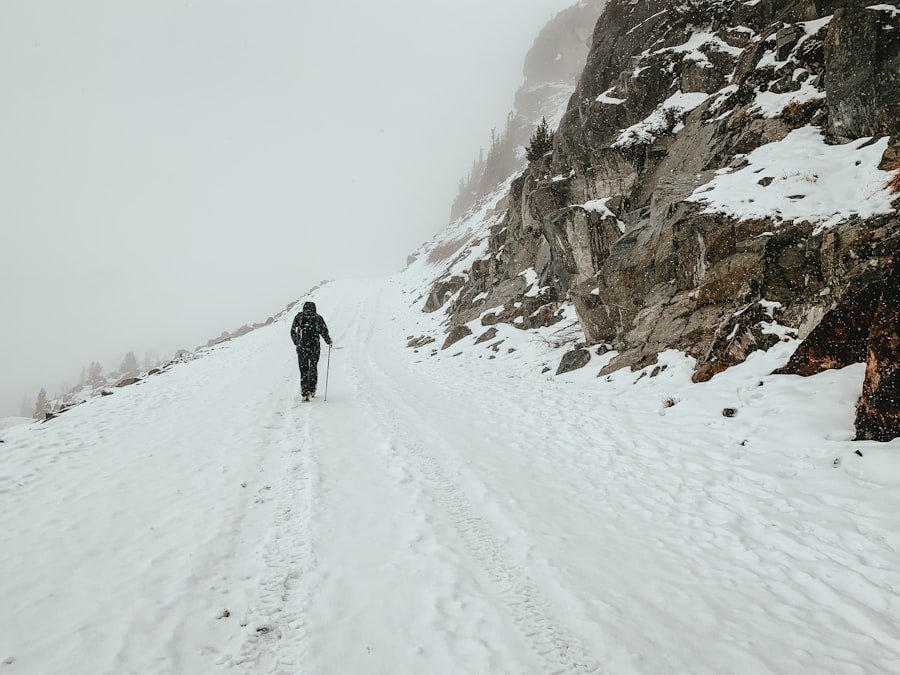
Good footwear is the most important gear choice for the Eiger Trail. Wear hiking shoes or boots with reliable traction. Smooth sneakers can slip on wet stones, dusty scree, or steep grass.
Dress in layers because the route starts high and weather can shift quickly. A breathable base layer, warm mid-layer, and waterproof shell give you flexibility without overpacking.
- Daypack of about 20 liters
- Sturdy hiking shoes or boots
- Weather-appropriate layers
- Rain jacket or shell
- Sun protection, sunglasses, and hat
- Water and snacks
- Small first aid kit
- Optional trekking poles for the descent
Safety Precautions for Hiking the Eiger Trail
Safety starts before you board the train or cable car. Check the forecast, current trail status, and your return transport options. Do not rely only on distance; mountain weather and downhill terrain can change the effort quickly.
Tell someone your plan if you are hiking alone. On the trail, watch for loose stones, wet sections, and changing visibility. If the path becomes icy, stormy, or hard to follow, turn back or choose a safer lower-level walk.
Stay on marked paths. The slopes below the Eiger may look open, but shortcuts can cross unstable ground and damage fragile alpine terrain.
Enjoying the Scenery Along the Eiger Trail
The Eiger Trail is popular because it brings you close to one of the most dramatic mountain walls in the Alps. The Eiger North Face rises above the route, while views open toward Kleine Scheidegg, Grindelwald, and the surrounding Bernese Oberland peaks.
Take breaks at safe viewpoints and look back often as the angle changes. On clear days, you may see waterfalls, wild streams, alpine flowers, and climbers on the wall through binoculars. The route rewards a slower pace, so build time into your plan instead of treating it like a quick transfer between stations.
Final Verdict: Is the Eiger Trail Difficult?
The Eiger Trail is moderately difficult. It is short enough for many active travelers, but the rocky terrain, steep descent, and alpine weather make it more serious than an easy valley walk.
Choose the downhill Eigergletscher-to-Alpiglen route if you want the classic experience with less climbing. Bring proper shoes, check conditions, and allow extra time for views. If the weather is poor or the path is snowy, save the hike for a clearer day.
FAQs
What is the Eiger Trail?
The Eiger Trail is a mountain hiking route in Switzerland’s Jungfrau Region. The standard hike runs from Eigergletscher station to Alpiglen station below the Eiger North Face.
What is the difficulty level of the Eiger Trail?
The Eiger Trail is moderate. It does not require climbing gear, but it includes rocky paths, steep alpine pasture, scree, and a long downhill section.
How long does it take to complete the Eiger Trail?
Most hikers take about 2 hours from Eigergletscher to Alpiglen. Plan 2.5 to 3 hours if you want frequent photo stops or a slower descent.
What is the best time of year to hike the Eiger Trail?
The best time is usually the snow-free hiking season, often summer through early autumn. Always check current trail conditions because snow, ice, fog, and storms can change the route quickly.
Do you need climbing gear for the Eiger Trail?
No. In normal summer conditions, the Eiger Trail is a hike, not a climb. You should still wear proper hiking shoes and carry weather protection.
Is the Eiger Trail good for beginners?
Fit beginners with good shoes and steady footing may enjoy it in clear, dry weather. It is not ideal for anyone uncomfortable on rocky downhill paths.