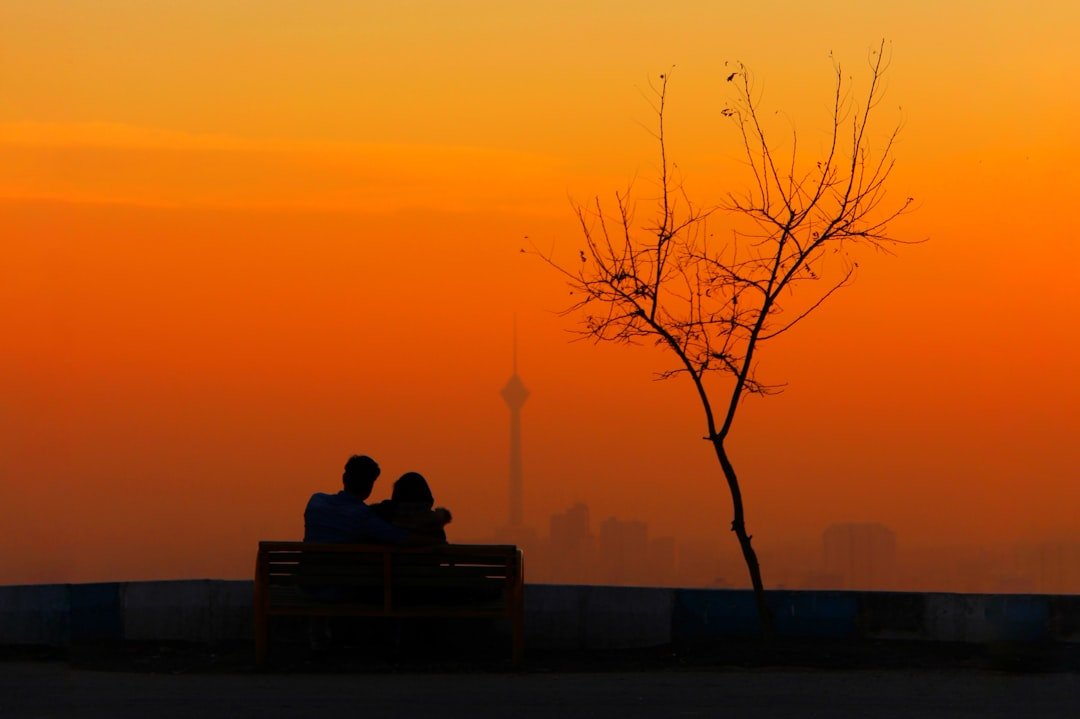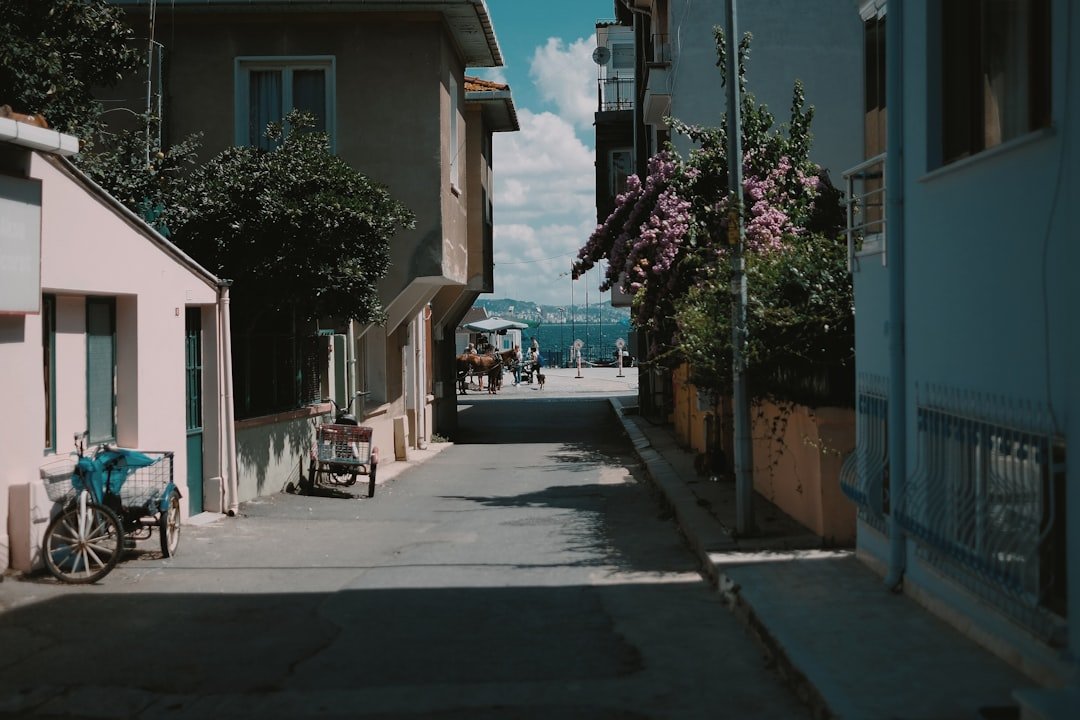
Heybeliada, the second-largest of Istanbul’s Princes’ Islands, is an excellent choice for travelers who want to explore pine-covered hills, historic religious sites, waterfront streets, old wooden houses, and quiet coastal scenery on foot. The island is close enough to Istanbul for a day trip, yet its slower pace and restricted private motor traffic make it feel noticeably different from the mainland.
A walking tour works especially well here because many of Heybeliada’s most interesting sights are connected by narrow streets and hillside roads. You can begin at the ferry pier, explore the historic center, climb toward the Halki Seminary area, continue through wooded sections of the island, and return to the waterfront for a meal or coffee.
Quick Answer
A Heybeliada walking tour can combine the ferry pier, historic wooden streets, the Halki Seminary and Aya Triada area, coastal viewpoints, Değirmenburnu, and the island’s waterfront. Allow about 3–5 hours for an unhurried visit, wear comfortable shoes, and check ferry schedules and attraction access before leaving Istanbul.
Key Takeaways
- Heybeliada is the second-largest of Istanbul’s Princes’ Islands and is well suited to walking, sightseeing, and relaxed day trips.
- Public ferries serve the island from several Istanbul piers, but travel time varies significantly by departure point and stopping pattern.
- Major historic sights include the Halki Seminary and Aya Triada Monastery area, Aya Yorgi Uçurum Monastery, historic naval buildings, and traditional island houses.
- Değirmentepe, at about 136 metres, is Heybeliada’s highest hill, while Değirmenburnu is one of its best-known coastal recreation areas.
- Private conventional motor traffic is heavily restricted, but regulated electric and service vehicles operate on the island.
- Comfortable footwear, water, sun protection, and a check of current ferry and access information make the trip much easier.
At a Glance
| Time Required | About 3–5 hours for a relaxed walking visit; longer if you stop for swimming, museums, or a full meal. |
| Difficulty | Easy to moderate around the waterfront; moderate on longer routes because several roads are steep. |
| Tools Needed | Comfortable walking shoes, water, sun protection, phone or map, and weather-appropriate clothing. |
| Cost | Variable. Budget for ferry transport, food and drinks, and optional museum, beach, bicycle, or other paid-entry costs. |
The History of Heybeliada
Heybeliada has a long history shaped by its position in the Sea of Marmara and by the Greek Orthodox, Ottoman, Turkish, educational, and maritime communities connected with the island. Its historical Greek name, Halki, is commonly associated with the Greek word halkos, meaning copper. Adalar Municipality links the name with mining activity that once took place around Çam Limanı.
The island later became especially important for religious and educational institutions. One of the best-known is the Halki Theological School, or Halki Seminary, founded in 1844 within the Aya Triada Monastery complex. The seminary trained generations of Orthodox clergy before its theological education ceased in 1971.
The seminary remains one of Heybeliada’s most important landmarks. Its status has also continued to attract attention. Renovation and discussions about a possible reopening were active during 2026, so visitors should not assume that it currently operates as a normal theological school or that every part of the complex is freely accessible.
Heybeliada also has a major place in Turkish naval-education history, although the story is more complicated than simply saying that a naval high school was founded on the island in 1773. The institution regarded as the foundation of today’s Turkish Naval Academy began in Kasımpaşa in 1773. Naval education later moved to Heybeliada, and the academy remained strongly associated with the island for generations. The Naval Academy moved to its modern Tuzla campus in 1985, after which the Heybeliada facilities were used by the Naval High School.
The island’s historic character can still be seen in religious buildings, former institutional campuses, waterfront architecture, wooded roads, and traditional houses. Heybeliada is also associated with important Turkish cultural and political figures, including writer Hüseyin Rahmi Gürpınar and İsmet İnönü, whose Heybeliada home is now used as a museum.
Getting to Heybeliada
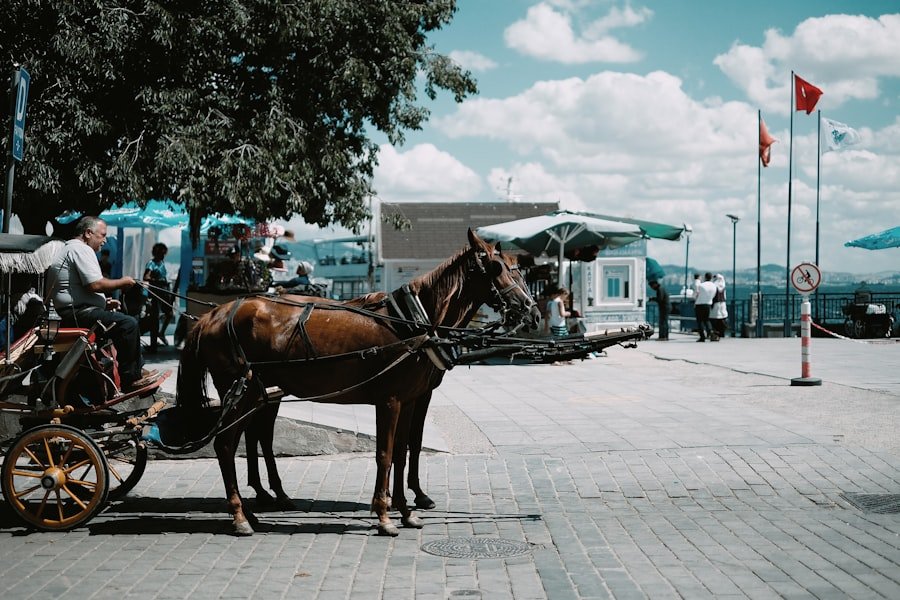
Heybeliada is reached by sea. İstanbul Şehir Hatları operates Princes’ Islands services that connect the islands with several mainland piers, including routes involving Kabataş, Beşiktaş, Kadıköy, Bostancı, and Maltepe.
Do not plan the trip around the assumption that Kabataş to Heybeliada takes only 20–30 minutes. Journey times vary according to the route and number of stops. On current Şehir Hatları schedules, many Kabataş sailings take roughly an hour and a half to reach Heybeliada, while some Asian-side departures can be substantially quicker.
Check the current Şehir Hatları Princes’ Islands timetable on the day of travel because schedules can change by season, weekday, holiday, and service pattern.
Pro Tip: Choose your departure pier based on where you are staying rather than automatically heading to Kabataş. From parts of Istanbul’s Asian side, Bostancı or Maltepe can make the overall journey much more efficient.
Private passenger-boat companies may also operate Princes’ Islands services. Departure points, fares, and seasonal timetables vary, so confirm the operator and return sailing before relying on one for a day trip.
When you arrive, Heybeliada’s pier places you directly beside the main waterfront settlement. Cafes, restaurants, small shops, and residential streets begin close to the landing area.
The island is famous for its low-traffic atmosphere, but “car-free” should not be taken literally. Conventional private motor traffic is heavily restricted, while regulated electric public transport and essential service vehicles operate. Walking remains one of the best ways to explore the central areas, and bicycles are also commonly used.
Note: Some island roads climb sharply. Travelers with limited mobility may want to focus on the flatter pier and waterfront area or use available public transport for steeper sections.
Must-See Landmarks and Attractions
| Landmark / Attraction | Why Visit | Visitor Note |
| Halki Seminary & Aya Triada Monastery | One of Heybeliada’s most important religious and educational landmarks, associated with the theological school founded in 1844. | Check current visitor access because renovation and reopening discussions have affected the complex. |
| Aya Yorgi Uçurum Monastery | A historic Greek Orthodox monastery believed to date to around the late 16th century, set in an elevated island landscape. | Dress respectfully and observe any posted restrictions at religious property. |
| Historic Naval Complex | Represents Heybeliada’s long connection with Turkish naval education. | Treat active or controlled military areas as restricted unless access is explicitly permitted. |
| İsmet İnönü Museum House | A historic house connected with Türkiye’s second president and with the island’s modern history. | Opening arrangements can vary; check current museum information before making it the centerpiece of your route. |
The Halki Seminary and Aya Triada complex is one of the strongest reasons to include the upper part of the island in a walking route. The seminary was founded in 1844, while the religious history of the site is considerably older. Its hilltop setting also gives the area a very different atmosphere from the busy ferry pier.
Aya Yorgi Uçurum Monastery is another notable Greek Orthodox site. Rather than dating only from the 19th century, official tourism information describes the monastery as having much older origins, believed to reach back to the late 16th century.
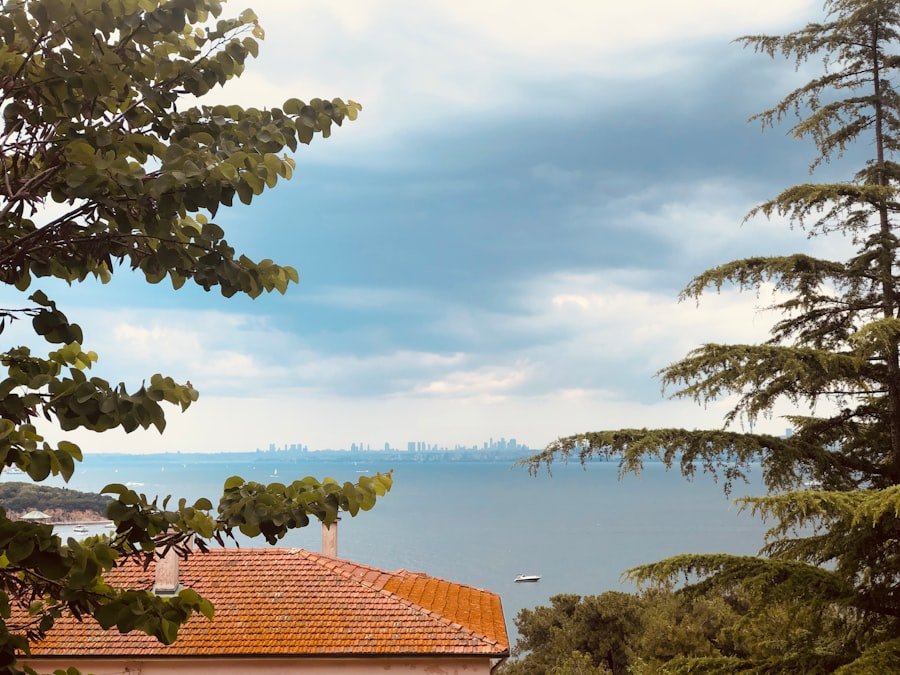
The waterfront itself is also an attraction. Old houses, boats, narrow streets, cafes, restaurants, and views across the Sea of Marmara make the pier area worth exploring slowly rather than treating it only as an arrival point.
Warning: Religious compounds, military property, museums, forests, and other protected areas may have changing opening rules. Never enter a closed gate, restricted military area, or signed-off trail simply because an online guide describes the site as an attraction.
Exploring Heybeliada’s Natural Beauty
Heybeliada is one of the greenest of the Princes’ Islands. Its wooded hills and coastal roads make it attractive for walking, cycling, photography, and picnics.
The island has four main hills. The highest is Değirmentepe, at about 136 metres. Ümit Tepesi, where the Halki Seminary is located, reaches roughly 85 metres. These elevations are modest in absolute terms, but the gradients can still feel demanding when you are walking in summer heat.
One of the best-known outdoor areas is Değirmenburnu, on the western side of Heybeliada. Adalar Municipality describes it as a coastal beach and recreation area, while official tourism information recommends exploring the surrounding nature on foot or by bicycle.
Other coastal names associated with Heybeliada include Akvaryum Koyu and Alman Koyu. Conditions, access arrangements, beach-club operations, and entry fees can change, so treat them as possible stops rather than assuming every facility will be open.
Swimming can be a pleasant addition to a summer walking tour, but use designated swimming areas and pay attention to local notices, weather, boat traffic, and sea conditions.
Warning: Forest access can be restricted during periods of high fire risk, particularly in hot and dry weather. Check current Adalar Municipality or İstanbul authorities’ announcements before planning a route through wooded areas.
The Local Cuisine and Dining Options
Heybeliada’s waterfront makes seafood an obvious choice for many visitors. Restaurant menus commonly include grilled or fried fish, calamari, meze, salads, and other dishes associated with Istanbul’s coastal dining culture. Availability depends on the season and individual restaurant.
Traditional Turkish dishes are also easy to work into a day trip. Depending on the restaurant or cafe, you may find pide, kebabs, mantı, breakfast dishes, pastries, ice cream, and simple snacks.
For dessert, baklava is a classic option, while Turkish tea or coffee provides an easy excuse to rest after climbing the island’s hills.
A waterfront meal is most enjoyable when you leave enough time before your return ferry; rushing through dinner because of a missed sailing can quickly spoil an otherwise relaxed island day.
Menus and prices can differ sharply between simple cafes and waterfront restaurants. Check the menu before ordering and ask about market-priced seafood when the price is not clearly listed.
Heybeliada’s Cultural and Artistic Scene
Heybeliada’s cultural character comes from more than monuments. Writers, religious communities, naval institutions, long-term island residents, museums, and seasonal cultural programming have all contributed to its identity.
Rather than relying on one supposed annual “Heybeliada Culture and Arts Festival,” check the current Adalar Municipality program. Verified 2026 events involving Heybeliada included the island-wide Adalar Mimoza Festival, with exhibitions, talks, music, workshops, and nature-related activities, as well as the SinemAda Film Festival, which brought film events to several Princes’ Islands including Heybeliada.
The municipality’s calendar changes throughout the year, so a traveler interested in concerts, film screenings, exhibitions, commemorations, or workshops should check shortly before visiting rather than relying on an old event listing.
Heybeliada is also associated with Turkish writer Hüseyin Rahmi Gürpınar, who lived on the island for many years. Literary history, historic houses, religious heritage, and everyday island life give the destination a cultural depth that is easy to miss if you visit only for lunch and the waterfront.
Guided Walking Tour Itinerary
A good Heybeliada walking route does not need to cover every road. The best approach is to combine the pier, historic residential streets, one or two major landmarks, a wooded or coastal section, and enough time to return comfortably for the ferry.
1. Start at Heybeliada Pier
Spend a few minutes getting oriented around the waterfront. Confirm your return ferry time before walking away from the pier. This also gives you an opportunity to buy water or a snack.
2. Walk Through the Historic Settlement
Continue into the streets behind the waterfront. Look for traditional houses, gardens, small local businesses, and changes in architecture as the road begins to climb.
3. Climb Toward Ümit Tepesi and the Halki Seminary Area
The climb toward the seminary introduces you to one of Heybeliada’s most historically significant areas. The Halki Theological School was established in 1844 within the Aya Triada Monastery complex.
Because the complex has undergone major renovation work and its institutional status has been changing, check current access rather than assuming you can tour every building.
4. Continue Toward the Island’s Wooded Roads
If weather, fire restrictions, and your fitness level allow, continue through one of the greener sections of Heybeliada. The island’s pine-covered landscape is a major part of its appeal, but some roads are steeper than they first appear.
5. Include Değirmenburnu
Değirmenburnu is a useful destination for travelers who want to mix sightseeing with nature. Depending on the season and current access rules, you can walk, relax, picnic, or spend time near the coast.
6. Return Along the Waterfront
Finish near the ferry area, where you can have tea, coffee, ice cream, meze, or a full meal. Aim to return well before your ferry rather than arriving at the pier at the last minute.
Pro Tip: Take a photo or screenshot of your planned return sailing before leaving the pier. Ferry frequency can change later in the day, and missing the sailing you expected may mean a much longer wait.
Tips for Exploring Heybeliada on Foot
Comfortable shoes matter. The central waterfront is easy to walk, but routes toward the upper parts of Heybeliada include inclines, uneven surfaces, and occasional rougher sections.
Carry water, especially from late spring through early autumn. Shade from pine trees helps on some roads, but exposed sections can become hot around midday.
Sun protection is also useful. Bring sunscreen, sunglasses, and a hat during warm weather.
Walk at a pace that leaves time to look at architecture, gardens, sea views, and neighborhood details. Heybeliada is better suited to slow exploration than to rushing through a checklist of attractions.
Respect residents’ privacy. Many attractive wooden houses are private homes rather than museums. Photograph streets and architecture thoughtfully without entering private gardens or photographing residents at close range without permission.
At churches and monasteries, keep voices low and dress respectfully. Services, restoration work, religious events, or private functions can affect visitor access.
Best Time to Visit Heybeliada
Spring and autumn are especially comfortable for a walking-focused visit because temperatures are usually easier for climbing than during the hottest part of summer. Spring also brings more greenery and flowering plants.
Summer is popular for beaches, waterfront dining, and longer daylight hours, but weekends can be busy and midday walking can be tiring. Starting earlier in the morning can give you cooler conditions and a calmer first few hours.
Winter offers a much quieter atmosphere. However, some seasonal businesses, beach facilities, and tourist-oriented services may operate on reduced schedules.
Weekdays are generally a better choice if your priority is peaceful walking rather than a lively summer atmosphere.
Getting Around and Accessibility
Walking is the most rewarding way to explore much of Heybeliada, but it is not the only form of transport. Private conventional motor traffic is heavily restricted on the Princes’ Islands, while regulated electric public vehicles and essential service vehicles operate.
Bicycles are also used on the island. Riders should remember that Heybeliada has steep sections, pedestrians share many of the same roads, and summer visitor traffic can make narrow areas busy.
Travelers using wheelchairs, mobility aids, or strollers should expect a mixed experience. The waterfront and pier area is relatively manageable compared with the hillier interior. Steep gradients can make a full walking circuit difficult.
If mobility is a concern, build the day around the waterfront and lower streets, then use available public transport where appropriate instead of trying to complete every hill on foot.
Shopping and Souvenir Options
Small shops near the waterfront and settlement area sell a mixture of practical items, gifts, crafts, food products, and island-themed souvenirs. Offerings vary by season and individual business.
Handmade ceramics, textiles, jewelry, art, and locally themed gifts can make more distinctive souvenirs than generic Istanbul merchandise. When buying handmade goods, ask where an item was produced if supporting local makers matters to you.
Food items such as olive products, honey, sweets, tea, coffee, or spices can also make easy-to-pack gifts. Check airline and customs rules before carrying liquids or agricultural products internationally.
Visitors interested in literature can also look for works connected with Turkish writers associated with the Princes’ Islands, including Hüseyin Rahmi Gürpınar.
Conclusion and Final Thoughts
Heybeliada rewards travelers who give it enough time to be more than a lunch stop. Its combination of ferry travel, historic streets, Orthodox heritage, naval history, pine-covered hills, waterfront scenery, museums, cafes, and coastal recreation makes it particularly well suited to a self-guided walking day.
The most important planning step is to stay flexible. Ferry schedules, museum hours, religious-site access, forest restrictions, beach operations, and the Halki Seminary complex can all change. Check the important details before leaving Istanbul, then allow enough unscheduled time to enjoy the island rather than racing from one landmark to another.
If you begin near the pier, explore the historic settlement, climb toward the seminary area, include a green or coastal section such as Değirmenburnu, and finish with food or coffee near the waterfront, you will experience a broad cross-section of what makes Heybeliada distinctive.
Frequently Asked Questions
What is a walking tour of Heybeliada?
A Heybeliada walking tour is a self-guided or guided route through the island’s waterfront, residential streets, historic landmarks, religious sites, wooded areas, and coastal scenery. A relaxed route normally takes about 3–5 hours, depending on stops.
What are the main attractions to see on Heybeliada?
Important sights include the Halki Seminary and Aya Triada Monastery area, Aya Yorgi Uçurum Monastery, historic naval buildings, traditional island houses, İsmet İnönü Museum House, Değirmenburnu, and the waterfront around Heybeliada Pier.
How long does a Heybeliada walking tour take?
Allow roughly 3–5 hours for a comfortable walking route with sightseeing and breaks. A short waterfront visit can take less time, while adding museums, a beach, lunch, or longer nature walks can easily turn it into a full-day trip.
How long is the ferry from Istanbul to Heybeliada?
There is no single journey time because it depends on the departure pier and ferry route. Current Şehir Hatları services from Kabataş can take around 90 minutes, while some Asian-side services are quicker. Always check the current timetable for your exact sailing.
Is Heybeliada completely car-free?
Conventional private motor traffic is heavily restricted, which gives Heybeliada its quieter character. However, regulated electric public transport and essential service vehicles operate, so visitors should not expect streets to be completely vehicle-free.
Is the Halki Seminary open to visitors?
The historic complex is one of Heybeliada’s most important landmarks, but access conditions can change. The seminary stopped theological education in 1971, and major renovation and reopening discussions were active in 2026. Check current access before planning a visit inside the complex.
What should I wear and bring for a walking tour?
Wear comfortable walking shoes and weather-appropriate clothing. Carry water, sun protection, and a phone or map. If you plan to enter religious sites, choose clothing that is respectful of the setting.
Can you swim on Heybeliada?
Yes, swimming is part of the summer experience, with coastal areas such as Değirmenburnu and coves around the island. Use designated swimming areas, check current access and sea conditions, and remember that some beaches or facilities may charge an entry fee.
Are there food and drink stops along the route?
Yes. The waterfront and central settlement have cafes and restaurants serving seafood, Turkish dishes, snacks, desserts, tea, and coffee. Opening hours and seasonal availability vary, so allow extra time if a particular meal is important to your day.
Sources
- İstanbul Şehir Hatları — Princes’ Islands Lines — current ferry routes and timetable information.
- Adalar Municipality — Heybeliada — island geography, hills, historic character, and local background.
- Adalar Municipality — Heybeliada Değirmenburnu — coastal recreation and beach information.
- GoTürkiye — Heybeliada Travel Guide — landmarks, natural areas, historic sites, and island tourism information.
- Ecumenical Patriarchate — Halki Theological School — seminary history, establishment in 1844, and its post-1971 status.
- Milli Savunma Üniversitesi — Naval Academy History — the naval institution’s 1773 origins, later move to Heybeliada, and transfer to Tuzla.