The Princes Islands (Adalar) sit in the Sea of Marmara off Istanbul and are reached by ferry from the mainland. According to Adalar Municipality, the district contains nine islands, while Büyükada, Heybeliada, Burgazada, and Kınalıada are the four islands most day-trippers commonly explore. Food is part of the experience, but it is better to think of the islands as places to enjoy Istanbul-style street snacks in a waterfront setting rather than as one single, fixed “street-food market.” What is available changes by island, season, time of day, and vendor.
Quick Answer
For a Princes Islands street-food day, look for simit, midye dolma, balık ekmek, fried mussels, corn, chestnuts, pastries, ice cream, and simple sweets around ferry piers and busy commercial streets. Büyükada usually gives you the widest choice, but availability varies, so buy from clean, busy vendors and check ferry times before you settle in.
Key Takeaways
- The Princes Islands district has nine islands; Büyükada, Heybeliada, Burgazada, and Kınalıada are the main islands most visitors use for a casual food-focused day trip.
- Classic Istanbul street foods such as simit, midye dolma, balık ekmek, fried mussels, corn, chestnuts, and pastries are better bets than assuming every island has a unique signature snack.
- Horse-drawn carriage transport was ended in 2020. Walking, bicycles, and regulated electric public-transport vehicles are now part of getting around the inhabited islands.
- Seafood and shellfish need extra care: choose a reputable, clean seller, avoid food that has been sitting warm for long periods, and ask about ingredients if you have allergies.
- Check the current Şehir Hatları timetable before your trip because ferry routes and departure times can change.
What Street Food Is Actually Like on the Princes Islands
Street food on the islands overlaps heavily with the wider Istanbul food scene. GoTürkiye’s Istanbul street-food guide lists simit, balık ekmek, midye dolma, kumpir, chestnuts, and other portable foods among Istanbul’s best-known street foods. On the islands, the appeal comes from eating familiar snacks beside the Marmara Sea, around a ferry pier, or while walking through a historic neighborhood.
That distinction matters because many foods described online as “Princes Islands specialties” are not exclusive to Adalar. A fish sandwich, tray of stuffed mussels, sesame-covered simit, or portion of fried mussels may be excellent on an island, but these are part of broader Istanbul and Turkish food culture.
Note: Street-vendor selection is seasonal. A food mentioned in this guide may be easy to find on one visit and absent on another, especially outside busy weekends and summer periods.
History of Street Food on Princes Islands
The islands have a long, multicultural history, but the original article went too far by presenting a detailed centuries-old street-food story without evidence. A safer picture starts with the growth of regular ferry access in the 19th century. Adalar Municipality notes that ferry services helped increase settlement and visitor activity on islands such as Büyükada, Heybeliada, and Kınalıada.
Greek, Armenian, Turkish, Jewish, and other communities have all been part of the islands’ social history at different times. That heritage is visible in architecture, religious sites, neighborhood life, bakeries, cafés, and home cooking. It is reasonable to see today’s food scene as part of that broader cultural mix, but specific claims about when individual street foods first appeared on the islands should be treated cautiously unless a documented local source supports them.
Modern tourism also shapes what visitors eat. Ferry arrivals concentrate foot traffic around piers and commercial streets, so portable foods naturally fit a day-trip rhythm: something quick after disembarking, a seafood snack near the water, or a sweet before the return ferry.
Must-Try Street Food on Princes Islands
Midye Dolma
Midye dolma is one of the clearest street-food choices to look for. Mussel shells are filled with seasoned rice, commonly with onion, herbs, and spices, and served with lemon. Türkiye’s Culture Portal documents a traditional version that includes rice, pine nuts, currants, mint, parsley, dill, cinnamon, black pepper, allspice, and olive oil. Recipes vary by producer.
Eat them one at a time and pay attention to freshness. Because mussels are bivalve shellfish, sourcing and temperature control matter more than they do for a dry snack such as simit.
Simit
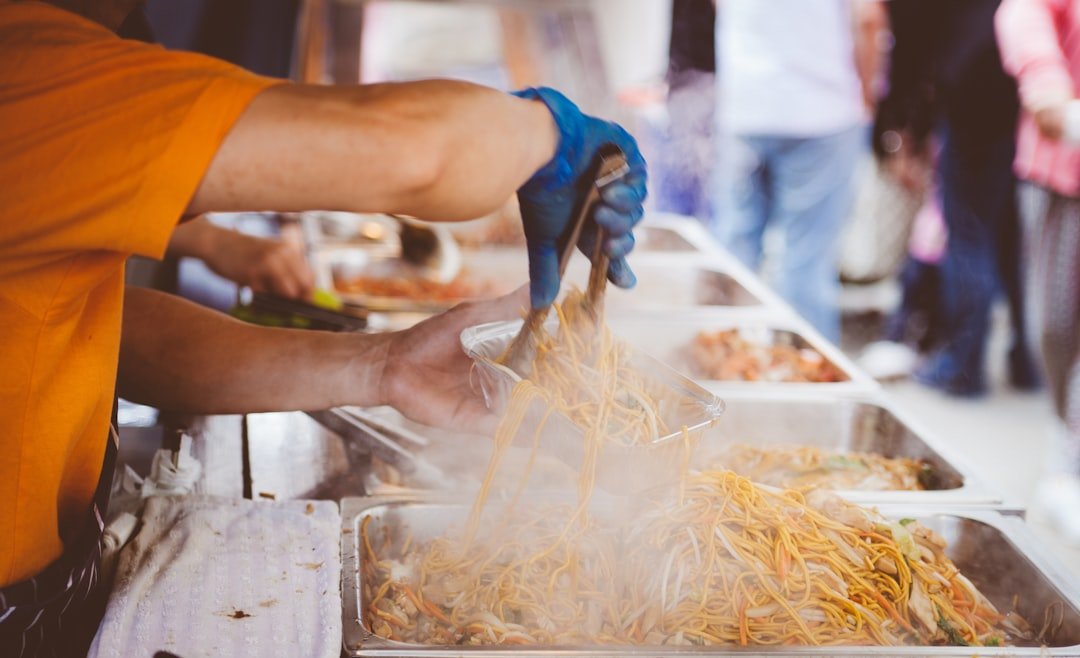
Simit is a sesame-coated bread ring sold across Istanbul and Türkiye. It is easy to carry, works for breakfast or a snack, and pairs well with tea, cheese, or ayran. It is also one of the most practical choices if you want something inexpensive-looking and simple before a longer walk, although the actual price varies by seller and date.
Balık Ekmek
Balık ekmek literally means fish and bread. A typical version uses cooked fish in bread with simple garnishes such as onion or greens. Waterfront surroundings make it an obvious choice on an island day, but do not assume the fish was caught immediately around the Princes Islands unless the seller specifically identifies its source.
Midye Tava
Midye tava is fried mussel, often served on skewers or as a portion with tarator-style sauce. GoTürkiye includes fried mussels among recognizable Istanbul street foods. It is richer than midye dolma and is best eaten hot from a vendor or food shop with visible turnover.
Kokoreç and Börek
Kokoreç is a strongly flavored meat dish made from cleaned sheep intestine, cooked and chopped with seasonings, then commonly served in bread. Börek is a flaky pastry that can contain cheese, meat, potatoes, or other fillings. Both are widely associated with Turkish casual eating, though availability on a particular island is never guaranteed.
Lokma, Dondurma, Corn, Chestnuts, and Salep
For something sweet or seasonal, look for lokma-style fried dough sweets, dondurma (Turkish ice cream), or bakery desserts. Boiled or roasted corn is more associated with warm-weather street snacking, while roasted chestnuts and hot salep are more natural in cooler weather. These items help round out a food walk if you do not want every stop to involve seafood.
Pro Tip: Do one slow walk around the ferry-pier and main commercial area before buying. You can compare freshness, queue size, menu choice, and price instead of choosing the first stall you see after leaving the ferry.
Unique Flavors and Ingredients in Princes Islands Street Food
| Food or Flavor | What to Know |
|---|---|
| Octopus Sandwich | You may encounter octopus in seafood restaurants or casual seafood venues, but an octopus sandwich should not be presented as a universal or defining Princes Islands street-food staple. |
| Mussels Dolma | Mussels filled with seasoned rice and served with lemon. Pine nuts, currants, herbs, and warm spices can appear in traditional recipes. |
| Lokma | Small pieces of fried dough finished with syrup. Sweetness and toppings vary by seller. |
| Midye Tava | Fried mussels commonly paired with a garlicky tarator-style sauce and best served hot. |
| Almond Tarator | Almond-based tarator can accompany seafood in some kitchens, but it is not a standard feature of every street-food stall. Ask what the sauce contains if nuts are a concern. |
Seafood is an obvious part of the islands’ dining identity because of their waterfront setting, but the phrase “locally caught” should not be used unless origin is confirmed. Fish and shellfish sold on the islands can come through wider commercial supply chains. The same caution applies to claims that vegetables came from “local farms”; many ingredients used by island businesses may be supplied from mainland Istanbul or elsewhere.
Herbs and seasonings such as parsley, dill, mint, sumac, paprika, black pepper, and allspice appear across Turkish cooking. Kumpir, for example, is a baked potato mixed with butter and cheese and finished with selectable toppings. It is a famous Istanbul street food, although Ortaköy—not the Princes Islands—is the location most strongly associated with rows of kumpir sellers.
Where to Find the Best Street Food on Princes Islands
There is no single permanent “best street food” zone that can be guaranteed year-round. A better strategy is to start near each island’s ferry pier and main commercial streets, then follow the busiest pedestrian flow. These are the places where cafés, bakeries, takeaway counters, ice-cream shops, and seasonal sellers are most likely to cluster.
Büyükada
Büyükada is the largest island and normally gives a day-tripper the broadest commercial choice. Start around the ferry landing and nearby çarşı streets. Compare bakeries, dessert counters, seafood options, and grab-and-go snacks before deciding where to eat.
Heybeliada
Heybeliada’s harbor area is a practical starting point for a food walk. Seafood may fit the setting, but descriptions such as “Heybeliada is famous for the best balık ekmek” are too strong without a specific, current source. Treat fish sandwiches as one possible choice rather than a guaranteed island specialty.
Burgazada
Burgazada is smaller and can feel quieter than Büyükada. Check the streets near the ferry and waterfront first, then explore side streets for bakeries, cafés, and casual food. The smaller scale means there may be fewer choices, especially outside peak periods.
Kınalıada
Kınalıada is another easy island for a shorter stop. Search around the ferry area and nearby neighborhood streets for simple snacks, bakery items, ice cream, and casual meals. As on the other islands, selection is affected by season and opening hours.
Transport Update: Istanbul Metropolitan Municipality records show that horse-drawn carriage transport was stopped in 2020 and public island transport shifted to electric vehicles, alongside walking and cycling. Before traveling, check the current Şehir Hatları Princes Islands timetable because ferry schedules can change.
Street Food Culture and Traditions on Princes Islands
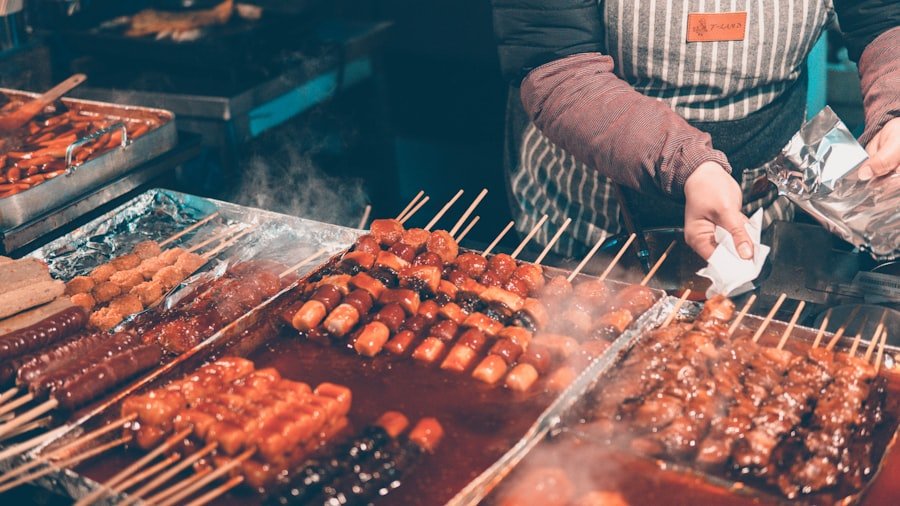
The social side of eating is one of the strongest parts of an island visit. People arrive by ferry, walk the waterfront, stop for tea or a snack, and share tables or benches with views toward the Marmara Sea. That relaxed rhythm makes portable food feel naturally connected to the trip even when the dish itself is common elsewhere in Istanbul.
The islands’ multicultural past also gives the wider food culture depth. Adalar Municipality documents long-standing Greek, Armenian, Turkish, Jewish, and other community histories through the district’s neighborhoods and historic religious buildings. That history should be respected without turning every modern snack into an undocumented “centuries-old island tradition.”
Summer weekends and holidays can bring much heavier visitor traffic. That can mean more open businesses and seasonal sellers, but also longer lines and crowded ferry areas. Quieter periods can be more relaxed, though some seasonal food options may be reduced.
Tips for Exploring Street Food on Princes Islands
- Check ferry times first. Plan your last food stop around the return sailing rather than assuming boats run at the same frequency all day.
- Start around the pier, then explore. Ferry areas are useful orientation points, but side streets may have quieter bakeries and cafés.
- Look for turnover. Busy sellers generally move cooked food faster than a stall with food sitting for long periods.
- For shellfish, be selective. Buy from a clean, reputable seller and avoid mussels that appear poorly stored or have been sitting warm.
- Ask about allergens. Sesame is central to simit; shellfish is an obvious concern with mussels; dairy can appear in kumpir and pastries; nuts may appear in sauces, sweets, or stuffed-mussel recipes.
- Do not rely on a fixed online price. Street-food prices change, and island, portion size, season, and seller all affect the total.
- Carry a backup payment method. Some small sellers may prefer cash even when many established businesses accept cards.
- Respect the setting. Dispose of shells, napkins, cups, and food packaging properly, especially along the waterfront and in wooded areas.
Warning: “Street food is generally safe” is too broad a promise. Türkiye requires food businesses to follow registration and hygiene rules, and bivalve shellfish are subject to specific production-area monitoring and hygiene controls. Use normal food-safety judgment and choose established, clean sellers—especially for mussels, seafood, meat, dairy, and foods that require temperature control.
The Culinary Delights of Princes Islands Street Food
A good Princes Islands food day is less about chasing one mythical local specialty and more about combining Istanbul’s familiar street flavors with the islands’ slower pace and waterfront atmosphere. A sesame-crusted simit after the ferry, a few midye dolma with lemon, hot fried mussels, a fish sandwich, ice cream, corn, chestnuts, or a bakery sweet can all fit naturally into the day.
The strongest approach is flexible: see what is fresh, busy, and genuinely available when you arrive. That gives you a better experience than relying on a rigid list of foods that may not be sold on every island or in every season. The islands’ sweet and savory options, historic streets, ferry culture, and Marmara views are what make the meal memorable.
Frequently Asked Questions
What is street food on the Princes Islands?
It is the quick, casual food sold from takeaway counters, bakeries, small food shops, carts, and seasonal stalls around the islands. Much of it overlaps with wider Istanbul street food rather than being unique to Adalar.
What are some popular street-food items to look for?
Good foods to look for include simit, midye dolma, balık ekmek, midye tava, börek, kokoreç, corn, chestnuts, dondurma, lokma-style sweets, and other bakery desserts. Not every item will be available on every island.
Is street food on the Princes Islands safe to eat?
It can be, but safety depends on the seller, hygiene, storage, and temperature control. Choose clean, reputable vendors with good food turnover. Be especially careful with shellfish, seafood, meat, dairy, and other perishable foods.
Where should I look for street food?
Start around the ferry piers and main commercial streets of Büyükada, Heybeliada, Burgazada, and Kınalıada. Then explore nearby side streets for bakeries, cafés, dessert shops, and takeaway food.
How much does street food cost on the Princes Islands?
There is no reliable single price because menus and inflation can change quickly. Compare posted prices on the day, confirm the portion or per-piece price before ordering, and expect waterfront or tourist-heavy locations to differ from small neighborhood businesses.
Are horse-drawn carriages still used for island transport?
No. Horse-drawn carriage transport was stopped in 2020. Public transport on the islands shifted to electric vehicles, while walking and bicycles remain important ways to move around.
Which Princes Island has the most food choices?
Büyükada is the largest and usually offers the broadest commercial selection for day visitors. Heybeliada also has a busy harbor area, while Burgazada and Kınalıada can feel smaller and quieter. Actual choice still depends on the season and day.
Sources
- Adalar Municipality — Geographic Status — island count, names, geography, and district context.
- Istanbul Metropolitan Municipality — Sustainable Transport and Infrastructure Systems — current island public-transport model and the 2020 transition from carriages to electric vehicles.
- Şehir Hatları — Princes Islands Ferry Timetable — current ferry connections for Büyükada, Heybeliada, Burgazada, and Kınalıada.
- GoTürkiye — Istanbul Street Food Experience Guide — recognized Istanbul street foods including midye dolma and kumpir.
- Türkiye Culture Portal — Midye Dolma — traditional ingredients and preparation of stuffed mussels.
- Republic of Türkiye Ministry of Agriculture and Forestry — Bivalve Mollusc Production-Area Instruction — official monitoring and hygiene framework for bivalve shellfish.