

The Colosseum, an iconic symbol of ancient Rome, stands as a testament to the architectural ingenuity and cultural significance of the Roman Empire. Commissioned by Emperor Vespasian in AD 70-72, the amphitheater was completed in AD 80 under his successor and heir, Titus. Originally known as the Flavian Amphitheater, it was designed to host a variety of public spectacles, including gladiatorial contests, animal hunts, and mock sea battles.
The structure could accommodate an estimated 50,000 to 80,000 spectators, showcasing the grandeur of Roman engineering with its intricate system of vaults and arches. Over the centuries, the Colosseum has endured significant wear and tear due to natural disasters, such as earthquakes, and the ravages of time. Its stones were repurposed for other buildings during the Middle Ages, leading to a decline in its original splendor.
Despite these challenges, the Colosseum has remained a focal point of Roman history and culture. In the 18th century, it became a site of Christian pilgrimage, with many believing that the blood of martyrs had been spilled within its walls. Today, it stands not only as a monument to ancient Rome but also as a UNESCO World Heritage Site, attracting millions of visitors each year who come to marvel at its historical significance.
Key Takeaways
- The Colosseum was originally known as the Flavian Amphitheater and was completed in 80 AD.
- The underground area of the Colosseum was used to house gladiators, animals, and machinery for the arena.
- Visitors can expect a unique and immersive experience when exploring the underground of the Colosseum.
- The significance of the underground lies in its role in the gladiator games and the engineering marvel it represents.
- The extra cost for the underground tour is worth it for those interested in a more in-depth and exclusive experience.
What Lies Beneath: Exploring the Underground
The Pre-Show Drama
Long before the audience took their seats, the drama began in the hypogeum. Gladiators waited anxiously for their turn to fight, while exotic animals were kept in holding pens, ready to be unleashed into the arena. The design of the hypogeum was a marvel in itself, featuring a complex system of trapdoors and lifts that allowed for dramatic entrances and exits during performances.
A Marvel of Engineering
The hypogeum’s trapdoors and lifts enabled the sudden appearance of animals, such as lions, into the arena, heightening the suspense for spectators. Additionally, the underground area included storage spaces for props and equipment used in various shows.
A Key Component of Ancient Roman Entertainment
The hypogeum not only facilitated the logistics of entertainment but also contributed to the overall spectacle that captivated audiences in ancient Rome. This underground world was a crucial component of the Colosseum’s success, allowing for the elaborate and thrilling performances that have become synonymous with ancient Roman culture.
The Experience: What to Expect
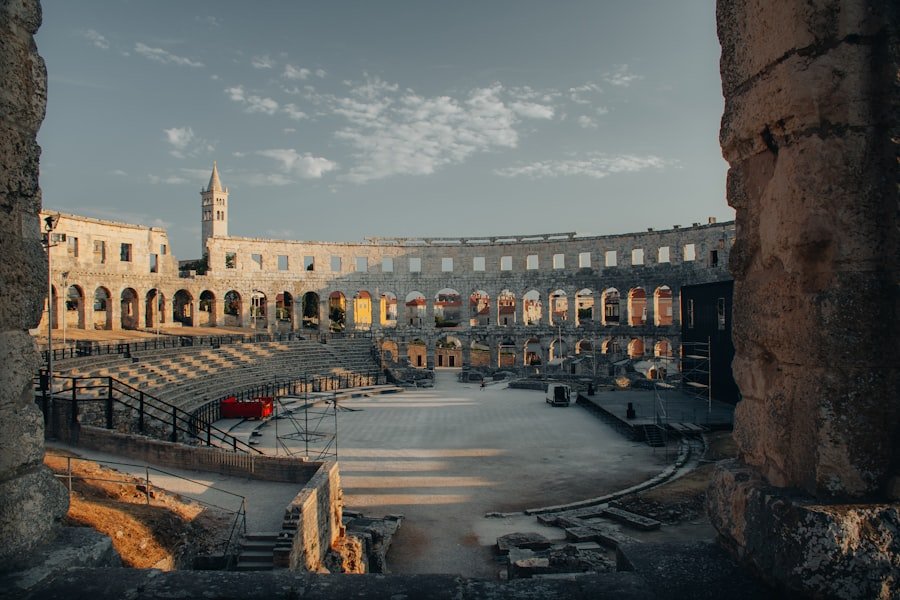
Visiting the Colosseum is an experience that transcends mere sightseeing; it is an immersion into the heart of Roman history. Upon arrival, visitors are greeted by the imposing façade of this ancient structure, with its three tiers of arches adorned with columns in different architectural styles—Doric, Ionic, and Corinthian. As one steps inside, the sheer scale of the arena becomes apparent.
The atmosphere is charged with echoes of past glories and tragedies. For those opting for an underground tour, the experience takes on an even deeper dimension. Guided by knowledgeable experts, visitors descend into the hypogeum where they can explore the very spaces that once buzzed with activity.
The dimly lit corridors evoke a sense of mystery as one walks through chambers that have remained largely untouched for centuries. Informative displays and engaging narratives bring to life the stories of gladiators and animals that once inhabited these spaces. The contrast between the bustling arena above and the quietude of the underground creates a profound appreciation for the complexities of Roman entertainment.
The Significance of the Underground
| Aspect | Metrics |
|---|---|
| Historical Importance | Number of significant events that took place underground |
| Cultural Impact | Number of artworks, music, and literature inspired by the underground |
| Transportation | Percentage of urban population using underground systems |
| Urban Development | Number of businesses and services located underground |
The underground chambers of the Colosseum are not merely an architectural curiosity; they hold immense historical significance that sheds light on Roman society and its values. The hypogeum was a reflection of the social hierarchy prevalent in ancient Rome. Gladiators, often slaves or prisoners of war, were trained to fight for their lives in front of thousands.
Their existence was fraught with danger and uncertainty, yet they were celebrated as heroes by some segments of society. The underground served as both a holding area and a training ground, emphasizing the brutal reality behind the spectacles that entertained the masses. Moreover, the hypogeum illustrates the Romans’ advanced understanding of engineering and stagecraft.
The use of trapdoors and lifts not only enhanced the theatricality of performances but also demonstrated a sophisticated approach to audience engagement. This ingenuity laid the groundwork for modern theatrical productions and event management. By studying these underground spaces, historians gain insights into how entertainment was intertwined with politics, culture, and social dynamics in ancient Rome.
Is It Worth the Extra Cost?
When planning a visit to the Colosseum, many travelers grapple with whether to invest in an underground tour or stick with standard admission. While standard tickets provide access to the main arena and upper levels, they do not include entry to the hypogeum. The additional cost for an underground tour can be seen as an investment in a more enriching experience.
For history enthusiasts and those seeking a deeper understanding of Roman culture, exploring the underground is invaluable. The guided tours often include fewer participants than standard admission groups, allowing for a more intimate experience with knowledgeable guides who can answer questions and provide context. Additionally, access to areas not available to general ticket holders enhances one’s appreciation for the complexity of this ancient structure.
For many visitors, walking through the same tunnels where gladiators once prepared for battle is an unforgettable experience that adds layers to their understanding of Roman history.
Tips for Visiting the Colosseum Underground
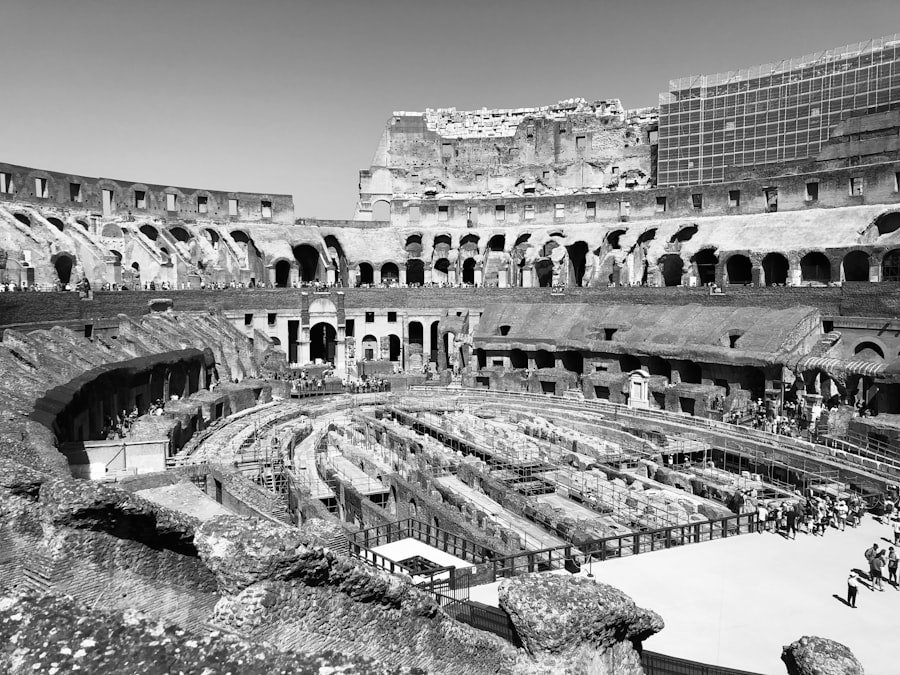
To make the most out of your visit to the Colosseum’s underground areas, planning ahead is essential. First and foremost, booking tickets in advance is highly recommended due to limited availability for underground tours. These tours often sell out quickly, especially during peak tourist seasons.
Arriving early can also provide an opportunity to explore other parts of the Colosseum before your scheduled tour begins. Dress comfortably and wear sturdy shoes; navigating through narrow passages and uneven surfaces is part of the adventure. Additionally, consider bringing a small water bottle to stay hydrated during your exploration.
While photography is allowed in many areas, be mindful of restrictions in certain parts of the hypogeum where flash photography may be prohibited to preserve the integrity of ancient structures. Lastly, engage with your guide—ask questions and share your thoughts; this interaction can significantly enhance your understanding and enjoyment of this remarkable site.
Comparing the Underground Tour to Standard Admission
When weighing standard admission against an underground tour at the Colosseum, several factors come into play that can influence your decision. Standard admission allows access to key areas such as the arena floor and upper tiers but lacks insight into what lies beneath. Visitors may find themselves gazing down at areas they cannot access or wondering about their historical significance without context.
In contrast, an underground tour offers a comprehensive narrative that connects various aspects of Roman life and entertainment. The opportunity to explore hidden chambers provides a unique perspective on how spectacles were orchestrated and experienced by both performers and spectators alike. For those who appreciate history or have a keen interest in archaeology, this deeper dive into the Colosseum’s past can transform a simple visit into an educational journey.
The Future of the Colosseum Underground
As interest in historical preservation grows alongside tourism demands, discussions about the future of the Colosseum’s underground areas are increasingly relevant. Ongoing restoration efforts aim to maintain structural integrity while enhancing visitor experiences without compromising historical authenticity. Innovations in technology may play a role in how these spaces are presented; augmented reality applications could offer immersive experiences that allow visitors to visualize ancient events as they explore.
Moreover, there is a growing emphasis on sustainable tourism practices that prioritize conservation while accommodating increasing visitor numbers. Balancing accessibility with preservation will be crucial as more people seek to experience this ancient wonder. The future may see expanded educational programs that delve deeper into Roman history through interactive exhibits or guided tours that highlight lesser-known aspects of life in ancient Rome.
In conclusion, as we look ahead to what lies beneath this monumental structure, it is clear that both preservation efforts and innovative approaches will shape how future generations engage with one of history’s most significant landmarks. The Colosseum’s underground remains a vital part of its story—a story that continues to evolve as we uncover more about its past while ensuring its legacy endures for years to come.
If you are considering taking a Colosseum underground tour, you may also be interested in reading about the delightful world of Asian melon. This article explores the different varieties of Asian melons and their unique flavors, making it a perfect read for food enthusiasts. Check it out