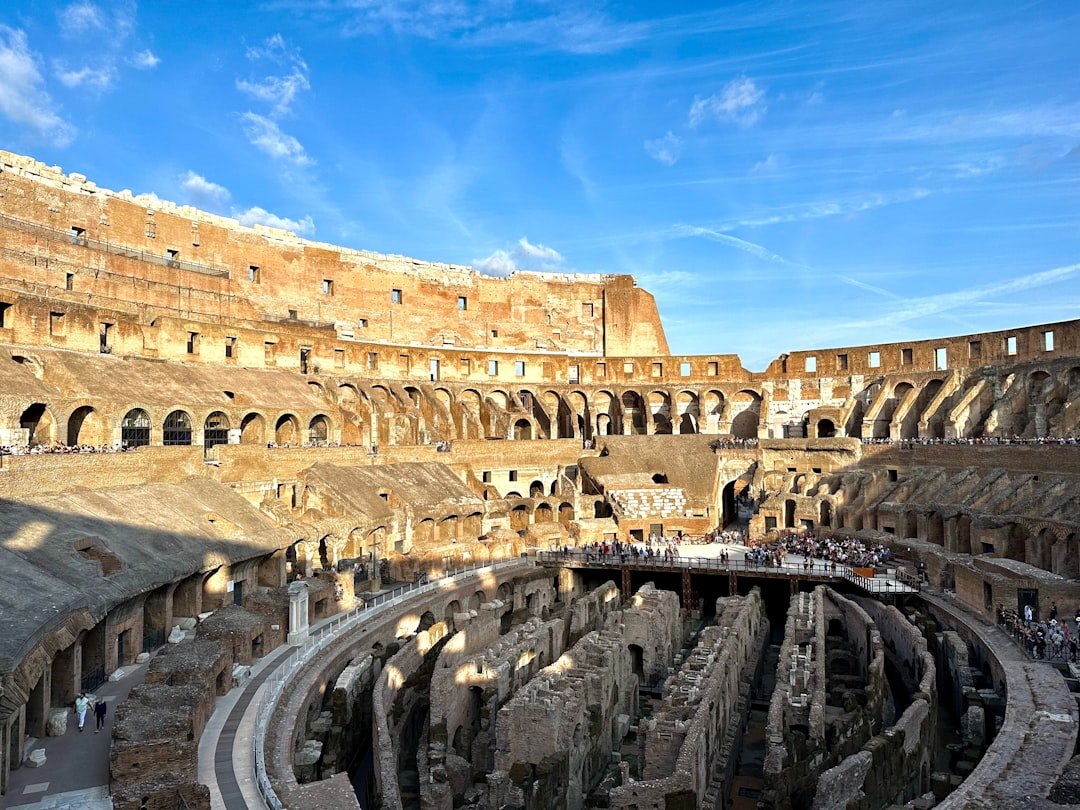
If you are deciding whether a Colosseum underground tour is worth the extra planning, the main question is what you want from the visit. The underground, called the hypogeum, shows the backstage system that made Roman spectacles possible: corridors, lift shafts, trapdoors, animal staging areas, and machinery hidden beneath the arena floor.
Quick Answer
Yes, the Colosseum underground tour is worth it for history-focused visitors who want to understand how the arena actually worked. In 2026, the official Full Experience Underground and Arena ticket costs €24, compared with €18 for standard admission, and adds the underground, arena floor, SUPER sites, and a longer 90-minute Colosseum visit.
Last checked: October 1, 2026. Dates and figures were verified against official sources.
Key Takeaways
- Standard €18 admission covers the regular first- and second-level route but does not include the arena floor or underground.
- The €24 Full Experience Underground and Arena ticket includes both restricted areas and allows up to 90 minutes inside the Colosseum.
- Official underground tickets go on sale 30 days before the visit date, are issued in the visitor’s name, and have stricter arrival rules than standard tickets.
- The hypogeum was a working backstage area, with 14 visible corridors and sophisticated lifting systems for people, animals, and scenery.
What Lies Beneath the Colosseum?
The Colosseum underground is the archaeological remains of the hypogeum, the service network beneath the ancient arena floor. According to the Colosseum Archaeological Park’s description of the underground levels, the surviving area covers roughly half a hectare and includes 14 visible corridors arranged around a large central passage.
The amphitheater itself was begun under Vespasian and completed under his son Titus in AD 80. The official Turismo Roma guide to the Colosseum places its capacity at about 50,000 spectators and describes the arena’s gladiatorial contests, animal hunts, and naval spectacles.
The Pre-Show Staging Area
The underground functioned much like the backstage area of a huge theater. People, animals, scenery, and equipment could be prepared out of sight before appearing in the arena above.
Gladiators and animals passed through service areas while workers operated the systems needed for the show. The audience mainly saw the final effect, not the extensive organization happening below the wooden, sand-covered arena floor.
A Complex System of Lifts and Trapdoors
The most impressive part of the hypogeum was its lifting machinery. Trapdoors, movable platforms, pulleys, and winches let arena crews bring animals, people, and scenery up from below with little warning to spectators.
The Archaeological Park’s research on the Colosseum’s elevators and platforms says the arena floor stood about six meters above the underground corridors. During the Flavian period, 28 windlasses operated freight elevators used for caged animals, and operating all 28 together required 224 people. Another 20 movable platforms in the central corridor lifted scenery and props.
Later modifications increased the machinery. In the Severan period, the earlier system was replaced in part by 60 smaller lifts capable of carrying people or animals.
From Wooden Underground to Masonry Hypogeum
The underground did not remain unchanged throughout the Colosseum’s history. The first subterranean structures were built in wood for the amphitheater’s AD 80 inauguration, while Emperor Domitian later developed the more permanent masonry system whose remains visitors see today.
This timing also explains the Colosseum’s famous water spectacles. Naval displays were possible during the early period, but once the arena and underground infrastructure became permanent masonry structures, flooding the performance space was no longer practical. A major fire in AD 217 damaged the hypogeum, which was later rebuilt and modified again.
The Colosseum Underground Tour Experience: What to Expect
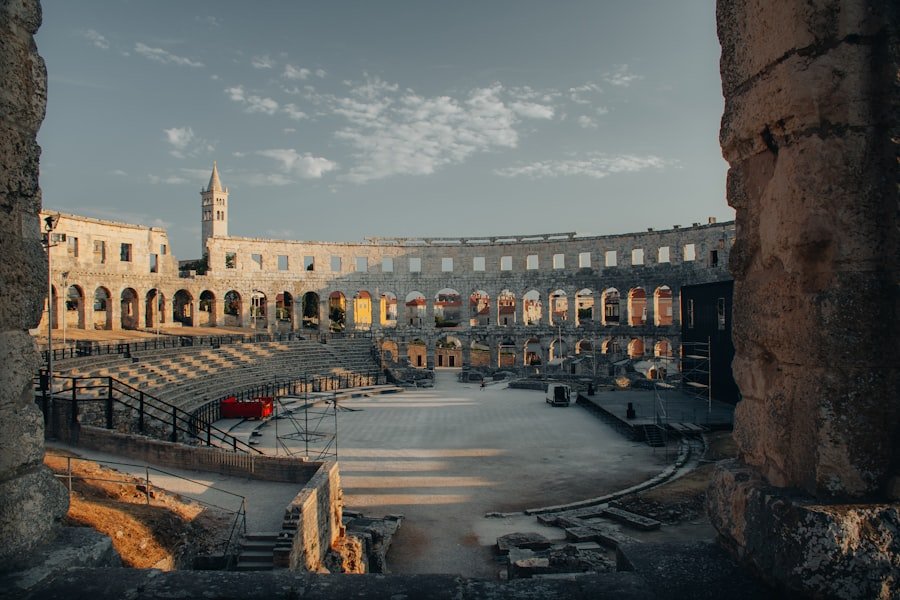
An underground visit gives you a closer view of the spaces that standard ticket holders mainly see from above. The route focuses less on panoramic views and more on understanding how the amphitheater worked behind the scenes.
One useful distinction is that underground access and a privately guided tour are not the same product. The Archaeological Park’s Full Experience Underground and Arena ticket lists full admission at €24 in 2026, while full admission with the Park’s educational tour costs €32.
The Full Experience ticket includes the underground, arena, Colosseum Museum, Roman Forum, Palatine Hill, and several SUPER sites. It is valid for two consecutive days, with one entry to the Colosseum at the reserved time and one entry to the Forum-Palatine archaeological area during the ticket’s validity.
The permitted stay inside the Colosseum is 90 minutes for this ticket type. Your Forum and Palatine visit is separate, so the complete experience can occupy a substantial part of a sightseeing day.
Once underground, the main attraction is context. Instead of simply looking down at ruined walls, you are close to the corridors, shafts, and structural remains that explain how the spectacles above were organized.
Why Is the Colosseum Underground Significant?
The underground matters because it changes the Colosseum from a ruined stadium into a working system you can understand. It reveals how thousands of spectators could watch carefully staged events while much of the preparation remained hidden below them.
| Aspect | Why It Matters |
|---|---|
| Backstage Operations | People, animals, scenery, and equipment could be prepared beneath the arena before appearing above. |
| Engineering | Winches, platforms, trapdoors, and elevators created controlled entrances during the spectacles. |
| Scale | The surviving hypogeum covers roughly half a hectare and contains 14 visible corridors. |
| Historical Development | The underground evolved from wooden structures in AD 80 to permanent masonry and later rebuilding after fire damage. |
The hypogeum also shows that Roman entertainment depended on workers and infrastructure that the audience rarely saw. The spectacular entrances of animals or scenery were carefully engineered effects rather than spontaneous events.
This is one reason the underground is especially rewarding for visitors interested in Roman technology. The remains make it easier to understand the relationship between architecture, crowd entertainment, stagecraft, and labor.
Is the Colosseum Underground Tour Worth the Extra Cost?
For most history-focused visitors, the official underground upgrade offers strong value. In 2026, the basic price difference is only €6: €24 for Full Experience Underground and Arena versus €18 for standard adult admission.
The standard Colosseum, Roman Forum and Palatine ticket allows 75 minutes inside the Colosseum and covers the regular first and second levels. It does not include either the arena floor or underground.
The underground option is most worthwhile if you care about gladiatorial history, ancient engineering, archaeology, or how the games were organized. You gain access to an area standard ticket holders can see only partially from above, and the Full Experience ticket also includes the arena floor.
It may be less worthwhile if your main priority is simply seeing the Colosseum’s architecture, taking wide interior photographs, or keeping your schedule as flexible as possible. Standard admission still lets you appreciate the amphitheater’s scale and look down into much of the exposed hypogeum.
- Choose the underground: if backstage history and engineering are major reasons for your visit.
- Choose standard admission: if you mainly want the classic Colosseum experience at the lowest official adult price.
- Consider the €32 educational option: if you want the Park’s own explanatory tour rather than access alone.
- Be cautious with expensive third-party packages: confirm that the exact option you select actually includes underground access, not only the arena floor.
Tips for Visiting the Colosseum Underground
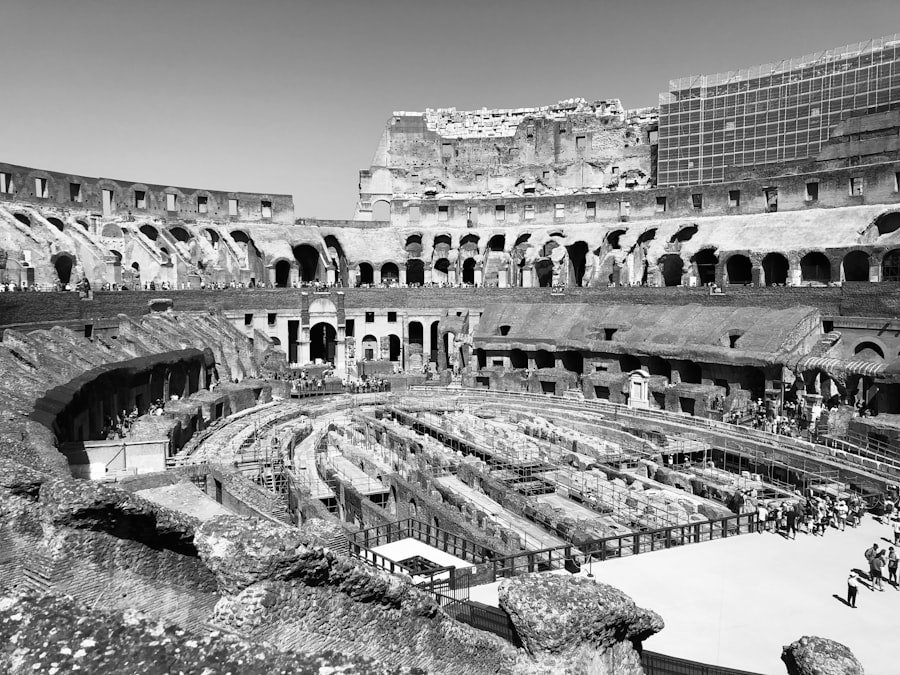
Successful underground visits depend more on timing and ticket rules than on special equipment. The restricted route has tighter entry requirements than the ordinary Colosseum ticket, so a few details can prevent an expensive mistake.
Book When the Official Sales Window Opens
Official Colosseum ticket sales with a reserved entry time open 30 days before the planned visit. The Archaeological Park’s current ticket information also states that tickets are issued in the holder’s name and visitors must have identification available at the entrance.
Underground availability is more limited than ordinary admission. If this part of the Colosseum is a priority, organize it before building the rest of your Rome sightseeing schedule around it.
Arrive Earlier Than You Would for Standard Admission
The rules are strict for Full Experience Underground and Arena tickets. The Park’s visitor regulations state that underground ticket holders should arrive at least 30 minutes before the reserved time, with no tolerance for delays.
Warning: Do not treat your underground time slot like a flexible museum reservation. Late arrival can cost you access to the Colosseum portion of the ticket, so plan to be at the entrance at least 30 minutes early.
Pack Light and Wear Suitable Shoes
The same regulations limit hand luggage to 30 × 40 × 15 cm and state that the Park has no cloakroom or luggage storage. Large backpacks, suitcases, trolleys, glass bottles, trekking poles, selfie sticks, and several other items are prohibited.
Closed footwear suitable for rough archaeological paths is recommended by the Park. This is sensible underground, where historic surfaces and walking routes can be less even than a modern museum floor.
For photography, leave tripods, professional optical equipment, drones, and selfie sticks behind unless you have the required authorization. These restrictions are clearer in the current regulations than the often-repeated claim that flash photography is specifically banned throughout the hypogeum.
Ask About Accessible Routing if You Have Mobility Needs
The Colosseum has accessibility provisions for visitors with mobility difficulties. The Park’s accessibility and services information says access to the underground levels is provided by a freight elevator, while dedicated elevators serve other levels of the monument.
Because archaeological routes can change, visitors who need step-free movement should make staff aware of their needs when entering rather than assuming every group follows an identical path.
Colosseum Underground Tour vs Standard Admission
The biggest differences are access, permitted visit time, ticket validity, and price. Standard admission is simpler and cheaper, while the Full Experience option adds the two areas many visitors cannot enter: the arena floor and hypogeum.
| Feature | Standard Admission | Full Experience Underground & Arena |
|---|---|---|
| Adult price in 2026 | €18 | €24 |
| Time inside Colosseum | 75 minutes | 90 minutes |
| Underground | No | Yes |
| Arena floor | No | Yes |
| Forum-Palatine validity | Within the 24-hour validity window | Two consecutive days |
| Best fit | Budget-conscious or time-limited visitors | Visitors interested in history, archaeology, gladiators, and Roman engineering |
Standard visitors can still look down into large sections of the exposed hypogeum. What you are paying extra for is the chance to enter that restricted archaeological space and connect its corridors and machinery with the arena directly above.
The arena floor and underground also provide different perspectives. The arena gives you the performer’s view toward the surrounding seating, while the underground explains the hidden systems that made those performances possible. The Full Experience Underground and Arena ticket combines both.
The Future of the Colosseum Underground
The future of underground access depends on balancing tourism with conservation. The hypogeum is an archaeological structure rather than a purpose-built visitor attraction, so controlled routes, timed admissions, restoration work, and occasional access changes are part of protecting it.
That is also why the current visitor experience is more structured than standard admission. Limiting the time spent inside and managing entry to restricted areas reduces pressure on the monument while still allowing visitors to understand how the Colosseum operated.
The underground has changed repeatedly during its roughly two-thousand-year history. Wooden structures were replaced with masonry, machinery evolved, fire led to rebuilding, and later centuries brought collapse, excavation, and restoration. Modern conservation is simply the latest stage in that long history.
For visitors, the practical takeaway is simple: if seeing the hypogeum is central to your Rome trip, use the official ticket details for your date and treat the underground as a specific reserved experience rather than an area automatically included with every Colosseum ticket.
For a completely different read, see the site’s
Sources
- Turismo Roma: The Flavian Amphitheatre: construction dates, capacity, spectacles, and historical background.
- Parco archeologico del Colosseo: The Underground Levels: hypogeum layout, 14 corridors, wooden and masonry phases, and naval spectacles.
- Parco archeologico del Colosseo: Elevators and Platforms: arena height, windlasses, elevators, workers, and movable platforms.
- Parco archeologico del Colosseo: Full Experience Underground and Arena: 2026 price, 90-minute visit, inclusions, educational tour, and two-day validity.
- Parco archeologico del Colosseo: Standard Admission: €18 price, 75-minute limit, and included areas.
- Parco archeologico del Colosseo: Opening Times and Tickets: 30-day sales window, named tickets, and identification requirements.
- Parco archeologico del Colosseo: Visitor Regulations: underground arrival time, luggage limits, footwear, security, and prohibited equipment.
- Parco archeologico del Colosseo: Accessibility Services: accessible routes, elevators, and underground access provisions.