

The Jungfrau Railway, a marvel of engineering and a testament to human ambition, has a rich history that dates back to the late 19th century. The idea of constructing a railway to the Jungfrau region emerged in the 1860s, driven by the growing interest in tourism and the breathtaking beauty of the Swiss Alps. The project was ambitious, aiming to connect the picturesque towns of Interlaken and Grindelwald to the majestic peaks of the Jungfrau massif.
Construction of the Jungfrau Railway itself began in 1896, with the goal of reaching the Jungfraujoch, often referred to as the “Top of Europe.” The project faced numerous challenges, including harsh weather conditions, difficult terrain, and financial constraints. Despite these obstacles, the railway was completed in 1912, with the final section from Kleine Scheidegg to Jungfraujoch being a remarkable feat of engineering.
The Jungfrau Railway not only opened up access to one of the most stunning regions in Switzerland but also played a crucial role in promoting tourism in the area, transforming it into a popular destination for travelers from around the globe.
Key Takeaways
- The Jungfrau Railway was completed in 1912 and is a historic cogwheel railway in Switzerland.
- The route includes stops at Kleine Scheidegg and Eigerwand, offering stunning views of the Eiger, Mönch, and Jungfrau mountains.
- Passengers can enjoy scenic views of the Aletsch Glacier, the Sphinx Observatory, and the Ice Palace at the Jungfraujoch summit.
- At the summit, visitors can engage in activities such as snow tubing, skiing, and visiting the Lindt Swiss Chocolate Heaven.
- To ensure a comfortable journey, travelers should dress warmly, wear sturdy shoes, and bring sunscreen and sunglasses for the high-altitude sun.
Route and Stops Along the Way
The Jungfrau Railway offers a captivating journey through some of Switzerland’s most breathtaking landscapes. The route begins at Interlaken Ost station, where passengers board the train that will take them on an unforgettable adventure. The first leg of the journey leads to Lauterbrunnen, a charming village nestled in a valley surrounded by towering cliffs and cascading waterfalls.
This stop is often a favorite for those looking to explore the stunning natural beauty of the region before continuing their ascent. As the train continues its ascent towards Grindelwald, passengers are treated to panoramic views of lush meadows and dramatic mountain peaks. The next significant stop is at Kleine Scheidegg, a mountain pass that serves as a gateway to the Jungfrau region.
Here, travelers can disembark and take in the breathtaking vistas of the Eiger, Mönch, and Jungfrau peaks. The station at Kleine Scheidegg is bustling with activity, as it serves as a hub for hikers and mountaineers eager to explore the surrounding trails. From this point, passengers can board the cogwheel train that will take them to Jungfraujoch, where they will experience one of the highest railway stations in Europe.
Scenic Views and Landmarks
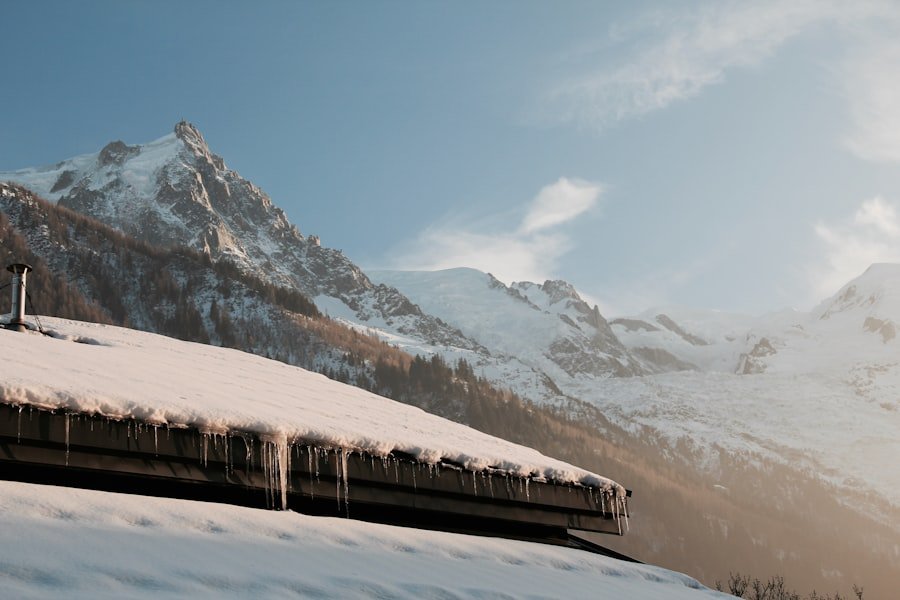
The journey on the Jungfrau Railway is not just about reaching a destination; it is an experience filled with awe-inspiring views and iconic landmarks. As the train climbs higher into the Alps, passengers are treated to sweeping panoramas that showcase Switzerland’s natural beauty. One of the most striking features along the route is the Eiger North Face, a sheer rock face that has captivated climbers and adventurers for decades.
The sight of this formidable mountain is both humbling and exhilarating, serving as a reminder of nature’s grandeur. Another highlight is the Aletsch Glacier, which is visible from various points along the journey. As Europe’s largest glacier, it stretches over 23 kilometers and is a UNESCO World Heritage site.
The glacier’s stunning blue ice and crevasses create a mesmerizing landscape that leaves an indelible impression on all who witness it. Additionally, passengers can spot charming alpine villages dotting the landscape, each with its own unique character and charm. These picturesque settlements are often framed by lush green pastures and vibrant wildflowers during the summer months, adding to the visual splendor of the journey.
Activities and Attractions at the Summit
| Activity/Attraction | Description |
|---|---|
| Hiking | Explore the scenic trails and enjoy breathtaking views |
| Wildlife Viewing | Spot various species of birds and animals in their natural habitat |
| Photography | Capture stunning landscapes and wildlife with your camera |
| Guided Tours | Learn about the history and ecology of the summit with knowledgeable guides |
| Picnicking | Relax and enjoy a meal surrounded by nature |
Upon reaching Jungfraujoch, visitors are greeted by an array of activities and attractions that make this destination truly special. The Jungfraujoch is not just a railway station; it is an entire experience designed to immerse travelers in the beauty of the Alps. One of the main attractions is the Ice Palace, an enchanting underground world carved from ice that features intricate sculptures and tunnels.
Visitors can wander through this frozen wonderland and marvel at the artistry created by nature. For those seeking adventure, there are opportunities for snow sports such as skiing and snowboarding on the slopes surrounding Jungfraujoch. The area boasts well-groomed runs suitable for various skill levels, making it an ideal destination for both beginners and seasoned athletes.
Additionally, visitors can partake in guided glacier hikes or take part in thrilling activities like sledding down designated slopes. The breathtaking views from this high-altitude location provide an unforgettable backdrop for any adventure.
Tips for a Comfortable and Enjoyable Journey
Traveling on the Jungfrau Railway can be an exhilarating experience, but preparation is key to ensuring a comfortable journey. First and foremost, it is advisable to check weather conditions before embarking on your trip. The weather in the Alps can change rapidly, so dressing in layers is essential.
Wearing moisture-wicking clothing and bringing a warm jacket will help you stay comfortable as temperatures fluctuate throughout the day. Another important tip is to book your tickets in advance, especially during peak tourist seasons. The Jungfrau Railway attracts visitors from around the world, and securing your tickets ahead of time can save you from long queues at stations.
Additionally, consider traveling early in the day to avoid crowds and enjoy a more serene experience as you ascend through the mountains. Bringing along snacks and water can also enhance your journey; while there are dining options available at various stops, having your own provisions allows for flexibility during your travels.
Dining and Shopping Options
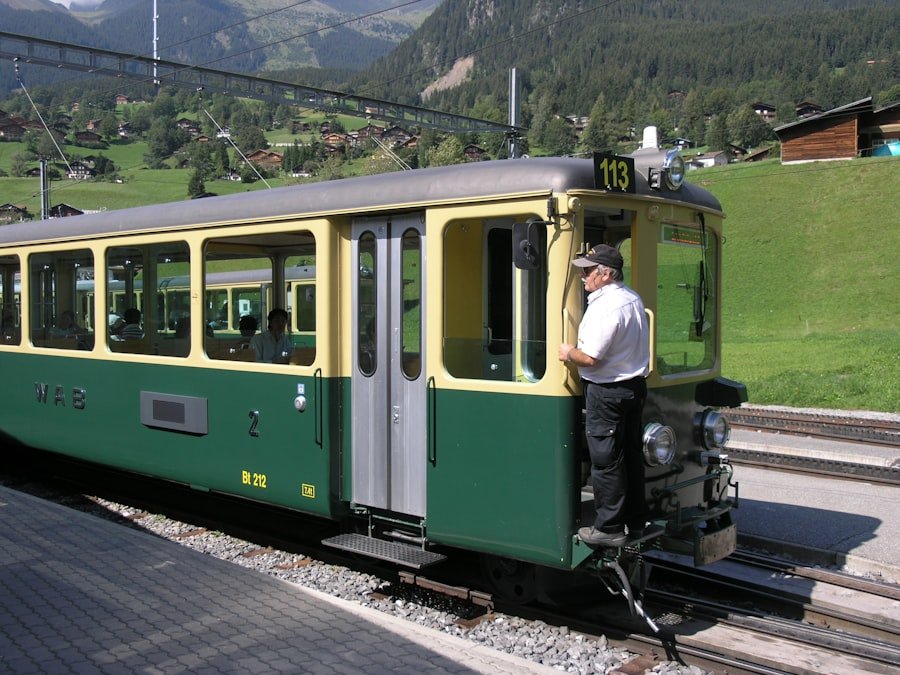
The Jungfrau region offers a variety of dining options that cater to different tastes and preferences. At Jungfraujoch itself, visitors can find several restaurants and cafes where they can enjoy meals while taking in stunning views of the surrounding peaks. One popular spot is the Restaurant Aletsch, which serves Swiss specialties such as fondue and rösti alongside international dishes.
Dining at such high altitudes adds a unique flavor to every meal, as guests savor their food while surrounded by breathtaking alpine scenery. In addition to dining options, there are also shopping opportunities at Jungfraujoch. Visitors can browse through souvenir shops offering a range of products from Swiss chocolates to traditional handicrafts.
These shops provide an excellent opportunity to pick up mementos of your journey or gifts for loved ones back home.
Accommodation and Overnight Stays
While many visitors opt for day trips to Jungfraujoch, staying overnight can enhance your experience significantly. There are several accommodation options available in nearby towns such as Grindelwald or Lauterbrunnen, each offering unique charm and easy access to the railway station. For those seeking a more immersive experience, there are also hotels located at higher altitudes that provide stunning views right from your room.
Staying overnight allows travelers to witness both sunrise and sunset over the majestic peaks—a truly magical experience that should not be missed. Many hotels offer packages that include meals or guided tours, making it easier for guests to explore all that this breathtaking region has to offer without feeling rushed. Whether you choose a cozy chalet or a luxurious hotel, spending an extra night in this alpine paradise will undoubtedly create lasting memories.
Sustainable Travel Options
As awareness of environmental issues grows, many travelers are seeking sustainable travel options when exploring destinations like Jungfrau. The Swiss railway system is renowned for its commitment to sustainability; trains are powered by renewable energy sources such as hydropower and solar energy. Choosing to travel by train instead of driving reduces carbon emissions significantly while allowing passengers to enjoy scenic views without contributing to road congestion.
Additionally, many local businesses in the Jungfrau region prioritize eco-friendly practices. From hotels that implement energy-saving measures to restaurants sourcing ingredients locally, there are numerous ways for visitors to support sustainable tourism initiatives during their stay. Engaging in outdoor activities such as hiking or biking instead of motorized excursions further minimizes environmental impact while providing an authentic experience of Switzerland’s natural beauty.
By embracing these sustainable travel options, visitors can enjoy all that Jungfrau has to offer while contributing positively to its preservation for future generations.
If you’re planning a trip on the Jungfrau Railway, you’re in for a breathtaking journey through the Swiss Alps. This iconic railway offers stunning views and a unique experience as it climbs to the Jungfraujoch, known as the “Top of Europe.” While you’re exploring the beauty of the Swiss landscape, you might also be interested in discovering some delightful culinary experiences. For instance, you can learn how to make a simple and healthy dish with a touch of homemade charm. Check out this related article on delicious homemade cottage cheese for a delightful recipe that complements your travel adventures.
FAQs
What is the Jungfrau Railway?
The Jungfrau Railway is a mountain railway in Switzerland that takes passengers from Kleine Scheidegg to the Jungfraujoch, which is the highest railway station in Europe.
What is the route of the Jungfrau Railway?
The Jungfrau Railway starts at Kleine Scheidegg and travels through a tunnel inside the Eiger and Mönch mountains before reaching the Jungfraujoch.
How long is the Jungfrau Railway route?
The Jungfrau Railway route is approximately 9 kilometers (5.6 miles) long.
What are the attractions along the Jungfrau Railway route?
Along the route, passengers can enjoy breathtaking views of the Eiger, Mönch, and Jungfrau mountains. At the Jungfraujoch, there are also attractions such as the Ice Palace and the Sphinx Observatory.
How long does the Jungfrau Railway journey take?
The journey on the Jungfrau Railway from Kleine Scheidegg to the Jungfraujoch takes approximately 50 minutes each way.
What is the highest point reached by the Jungfrau Railway?
The Jungfrau Railway reaches the Jungfraujoch, which is located at an altitude of 3,454 meters (11,332 feet) above sea level.
When was the Jungfrau Railway opened?
The Jungfrau Railway was officially opened in 1912 after 16 years of construction.