

Arnavutkoy, a charming district located on the European side of Istanbul, is a hidden gem that often escapes the attention of tourists flocking to the more famous landmarks of the city. Nestled along the shores of the Bosphorus, this picturesque neighborhood is characterized by its serene waterfront, lush greenery, and a rich tapestry of history that dates back centuries. The name “Arnavutkoy” translates to “Albanian Village,” a nod to the Albanian settlers who established their homes here in the past.
Today, it stands as a vibrant community that beautifully blends its historical roots with modern urban life. The district is not only known for its scenic beauty but also for its unique cultural identity. Arnavutkoy has managed to retain much of its traditional charm while adapting to the rapid changes that have swept through Istanbul in recent decades.
The juxtaposition of old wooden houses and contemporary buildings creates a fascinating landscape that tells the story of a neighborhood in transition. As one strolls through its narrow streets, it becomes evident that Arnavutkoy is a place where history and modernity coexist harmoniously, making it an intriguing destination for both locals and visitors alike.
Key Takeaways
- Arnavutkoy is a historic district in Istanbul, known for its rich cultural heritage and stunning architecture.
- The area has a long and diverse history, with origins dating back to ancient times and a strong influence from the Ottoman era.
- Arnavutkoy is home to a wealth of architectural landmarks, including historic mansions and waterfront buildings.
- In the modern era, Arnavutkoy has become a popular destination for locals and tourists alike, with a thriving culinary scene and vibrant art and cultural scene.
- Efforts are being made to preserve the heritage of Arnavutkoy, ensuring that its unique history and traditions are protected for future generations.
Early History and Origins
The origins of Arnavutkoy can be traced back to the Byzantine era, when it was known as a small fishing village. Its strategic location along the Bosphorus made it an ideal spot for trade and commerce, attracting various communities over the centuries. The area was initially inhabited by the Byzantines, who utilized its natural harbor for maritime activities.
However, with the rise of the Ottoman Empire in the 15th century, Arnavutkoy began to undergo significant transformations. The arrival of Albanian settlers in the 16th century marked a pivotal moment in the district’s history. These settlers brought with them their customs, traditions, and agricultural practices, which significantly influenced the local culture.
The Albanians established a close-knit community that thrived on fishing and farming, contributing to the economic development of Arnavutkoy. This early period laid the foundation for the district’s identity, as it became a melting pot of different cultures and traditions that would shape its future.
Ottoman Era and Cultural Influence
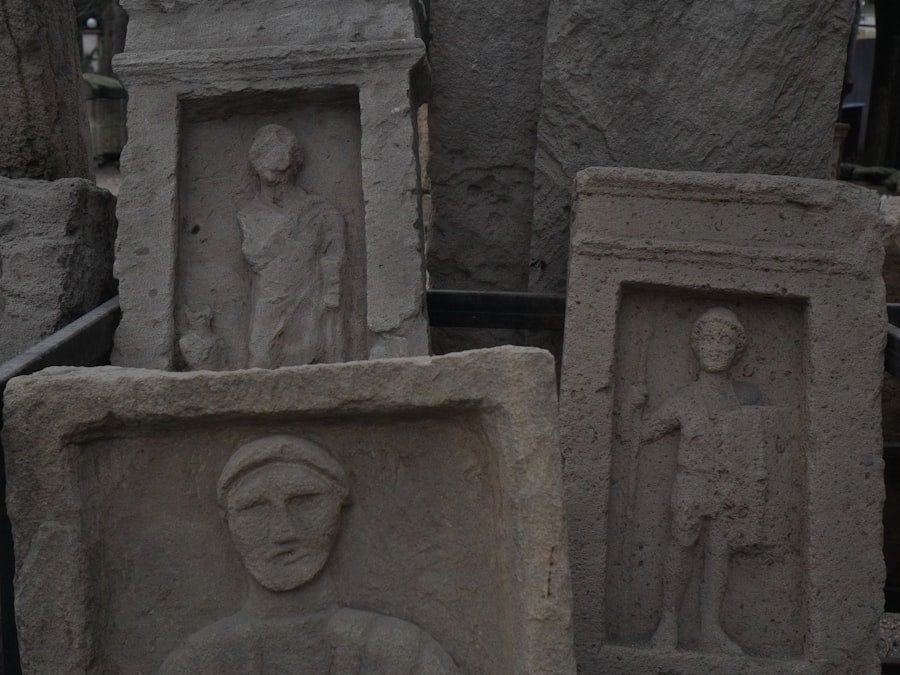
During the Ottoman era, Arnavutkoy flourished as a vibrant neighborhood within Istanbul. The Ottomans recognized the strategic importance of the Bosphorus and invested in infrastructure to enhance trade and transportation. This period saw the construction of various public buildings, mosques, and bridges that connected Arnavutkoy to other parts of the city.
The district became a popular retreat for wealthy Ottoman families who built lavish summer residences along the waterfront, further enhancing its status as an affluent area. Culturally, Arnavutkoy became a hub for artistic expression and intellectual discourse during this time. The influence of Ottoman architecture is evident in many of the buildings that still stand today, showcasing intricate designs and craftsmanship.
The district also became known for its vibrant social life, with coffeehouses and tea gardens serving as gathering places for locals to discuss politics, literature, and art. This cultural exchange fostered a sense of community that remains strong in Arnavutkoy today.
Architectural Heritage and Landmarks
| City | Landmark | Year Built | Architectural Style |
|---|---|---|---|
| Paris | Eiffel Tower | 1889 | Gothic Revival |
| Rome | Colosseum | 70-80 AD | Ancient Roman |
| New York City | Statue of Liberty | 1886 | Neoclassical |
Arnavutkoy is home to a wealth of architectural treasures that reflect its rich history and diverse cultural influences. One of the most notable landmarks is the Arnavutkoy Mosque, an exquisite example of Ottoman architecture that dates back to the 18th century. With its elegant minaret and beautifully adorned interior, the mosque serves as a focal point for the local community and a testament to the district’s religious heritage.
In addition to religious structures, Arnavutkoy boasts numerous historic wooden houses that line its streets. These charming residences, often adorned with colorful facades and intricate wooden details, provide a glimpse into the traditional lifestyle of its inhabitants. Many of these houses have been meticulously preserved or restored, allowing visitors to appreciate their architectural significance.
The juxtaposition of these historic homes against modern developments creates a unique visual narrative that captures the essence of Arnavutkoy’s evolution over time.
Arnavutkoy in the Modern Era
In recent years, Arnavutkoy has experienced significant changes as Istanbul continues to grow and evolve. The district has become increasingly popular among young professionals and families seeking a quieter alternative to the bustling city center. This influx of new residents has led to a revitalization of local businesses, with trendy cafes, boutiques, and art galleries emerging alongside traditional establishments.
The blend of old and new creates a dynamic atmosphere that attracts both locals and tourists. Despite modernization, Arnavutkoy has managed to retain its unique character and charm. Community events and festivals are regularly held throughout the year, celebrating local traditions and fostering a sense of belonging among residents.
The district’s waterfront remains a beloved gathering spot for families and friends, offering stunning views of the Bosphorus and opportunities for leisurely strolls along the promenade. As Arnavutkoy continues to adapt to contemporary demands, it remains committed to preserving its historical identity while embracing progress.
Local Cuisine and Culinary Traditions
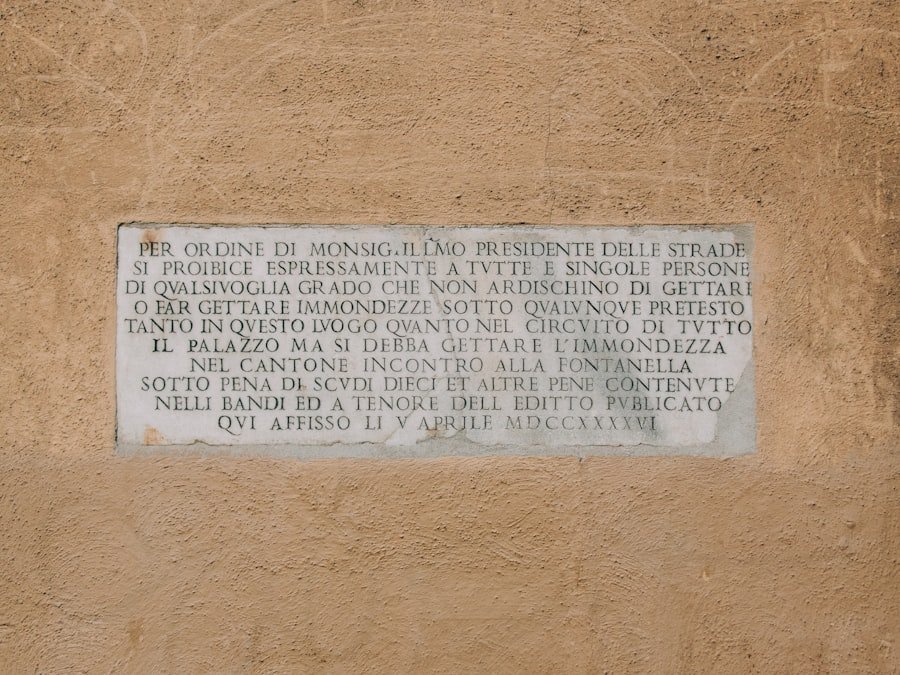
The culinary scene in Arnavutkoy is as diverse as its cultural heritage, offering a delightful array of flavors that reflect both traditional Turkish cuisine and Albanian influences. Local restaurants serve up an assortment of dishes that highlight fresh ingredients sourced from the surrounding region. Seafood is particularly prominent in Arnavutkoy’s culinary offerings, thanks to its proximity to the Bosphorus.
Grilled fish, calamari, and meze platters featuring an assortment of appetizers are popular choices among diners. In addition to seafood, visitors can savor traditional Albanian dishes that have become part of Arnavutkoy’s culinary landscape. One such dish is “tavë kosi,” a baked lamb and yogurt casserole that showcases the region’s agricultural bounty.
Another favorite is “flija,” a layered pastry made with thin sheets of dough and filled with cream or cheese—a dish often enjoyed during family gatherings or special occasions. The fusion of flavors from both Turkish and Albanian cuisines creates a unique dining experience that reflects the district’s rich cultural tapestry.
Art and Cultural Scene
Arnavutkoy’s art scene is vibrant and eclectic, reflecting the diverse backgrounds of its residents and their creative expressions. The district has become a haven for artists, musicians, and performers who seek inspiration from its picturesque surroundings and rich history. Local galleries showcase contemporary art alongside traditional crafts, providing a platform for emerging talents to exhibit their work.
Cultural events are regularly organized in Arnavutkoy, ranging from art exhibitions to music festivals that celebrate both local and international artists. These events foster community engagement and encourage collaboration among creatives from different disciplines. The annual “Arnavutkoy Art Festival” has gained popularity in recent years, attracting visitors from across Istanbul who come to experience live performances, art installations, and workshops that highlight the district’s artistic spirit.
Preserving the Heritage of Arnavutkoy
As Arnavutkoy continues to evolve in response to modern demands, efforts are being made to preserve its rich heritage for future generations. Local authorities and community organizations are actively involved in initiatives aimed at protecting historical sites and promoting cultural awareness among residents. Restoration projects for historic buildings are undertaken with care to maintain their architectural integrity while ensuring they remain functional spaces within the community.
Education plays a crucial role in preserving Arnavutkoy’s heritage as well. Schools in the area incorporate local history into their curricula, fostering a sense of pride among students about their cultural roots. Community workshops focused on traditional crafts such as woodworking or pottery are also organized to pass down skills from older generations to younger ones.
By engaging residents in these preservation efforts, Arnavutkoy not only honors its past but also cultivates a vibrant cultural identity that will endure in an ever-changing world.
If you are interested in learning more about the history of Arnavutkoy, you may also enjoy reading about the delightful world of Asian melon. This article explores the different varieties of Asian melon and their cultural significance. You can find the article here.
FAQs
What is the history of Arnavutkoy?
Arnavutkoy is a historic district located on the European side of Istanbul, Turkey. It has a rich history dating back to ancient times, with evidence of human settlement in the area dating back to the 6th century BC.
What are some notable historical landmarks in Arnavutkoy?
Arnavutkoy is home to several historical landmarks, including the Arnavutkoy Mosque, which was built in the 18th century during the Ottoman period. The district also features many well-preserved Ottoman-era wooden houses and waterfront mansions.
How has Arnavutkoy’s history influenced its culture and architecture?
The history of Arnavutkoy has greatly influenced its culture and architecture. The district’s diverse history, including influences from the Byzantine, Ottoman, and Turkish Republic periods, is reflected in its architecture and cultural traditions.
What role did Arnavutkoy play in the history of Istanbul?
Arnavutkoy has played a significant role in the history of Istanbul as a strategic location for trade and commerce. Its position along the Bosphorus has made it an important hub for maritime activities and transportation throughout history.
How has Arnavutkoy evolved over time?
Arnavutkoy has evolved from a small fishing village to a bustling district with a mix of historical and modern elements. The district has experienced urbanization and development while still preserving its historical charm and character.