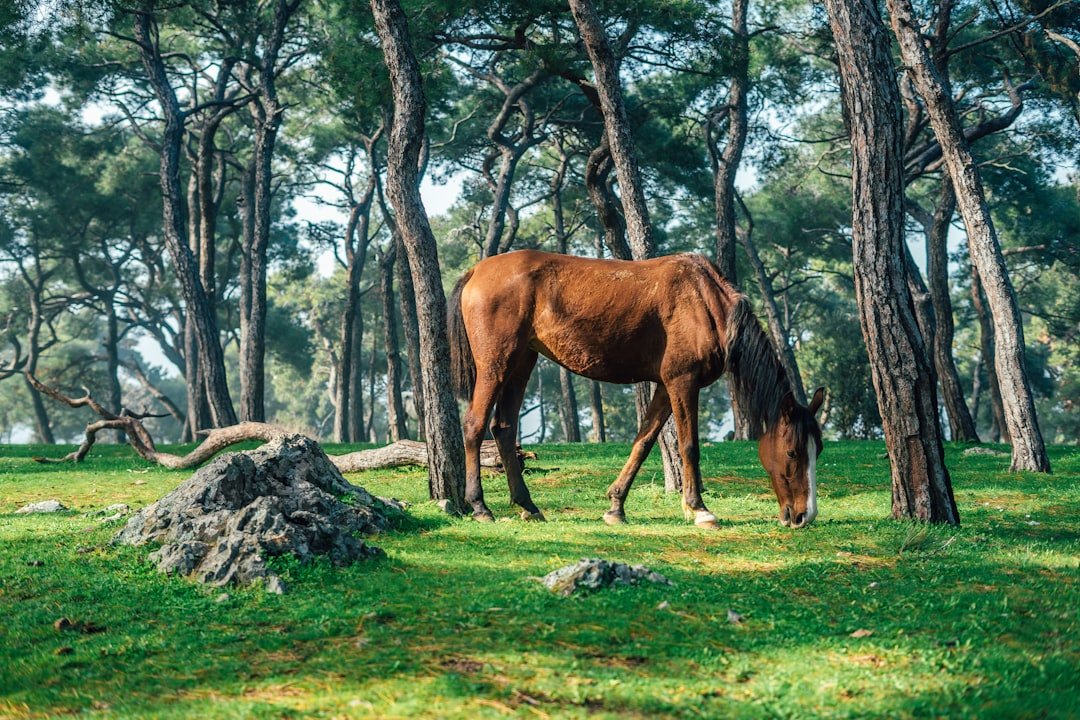
The Princes Islands, known in Turkish as Adalar, are a nine-island archipelago in the northeastern Sea of Marmara, just off Istanbul’s Asian coast. Büyükada, Heybeliada, Burgazada, and Kınalıada are the best-known islands for visitors. Their history brings together Byzantine monasteries and political exile, Ottoman-era summer life, multicultural communities, distinctive wooden architecture, writers and artists, and a landscape that remains closely tied to the sea.
Quick Answer
The history of the Princes Islands stretches from ancient settlement and Byzantine monasteries to Ottoman summer communities and modern Istanbul. The islands became especially famous as places of Byzantine exile, later developed into fashionable 19th-century retreats, and today preserve a layered heritage of churches, mosques, wooden mansions, literature, and protected natural landscapes.
Key Takeaways
- The Princes Islands consist of nine islands in the Sea of Marmara; Büyükada, Heybeliada, Burgazada, and Kınalıada are the best known.
- Their name is closely associated with Byzantine emperors, princes, nobles, and religious figures who were confined or exiled to island monasteries.
- “Prinkipo” is a historic name associated with Büyükada, not a correct historical name for the entire archipelago.
- Regular ferry connections in the 19th century helped transform the islands into fashionable summer communities with mansions, churches, mosques, schools, and hotels.
- The islands retain Greek Orthodox, Armenian, Muslim, and other layers of Istanbul’s multicultural history.
- Conventional private motor traffic is heavily restricted, but the islands are not literally free of motorized transport: electric public and service vehicles now operate there.
Early Settlement and Why They Are Called the Princes Islands
Human activity on the archipelago reaches back well before the modern city developed around it. Archaeological and historical research points to settlement and activity on Büyükada in antiquity, while the islands become much more visible in written history during the Byzantine period. Their location close to Constantinople but separated from it by water made them useful for monasteries, religious retreat, and political confinement.
The collective name Princes Islands is linked to the emperors, princes, nobles, patriarchs, and other prominent figures who were sent to or confined on the islands during the Byzantine era. Isolation made the islands convenient places to remove political rivals from the imperial capital without sending them to distant territories.
One documented example is Kınalıada, which Adalar Municipality identifies as a monastery island and a place of exile for emperors and empresses. After the Battle of Manzikert in 1071, the deposed Byzantine emperor Romanos IV Diogenes was eventually confined there.
Note: “Prinkipo” should not be used as a historical name for the entire island group. Academic research identifies Büyükada as Prinkipo, while Heybeliada was known as Halki, Burgazada as Antigoni, and Kınalıada as Proti.
This distinction matters because each island developed its own identity. The shared history of exile helps explain the archipelago’s modern name, but the individual islands had different settlements, monasteries, communities, and historical names.
Influence of the Byzantine and Ottoman Empires
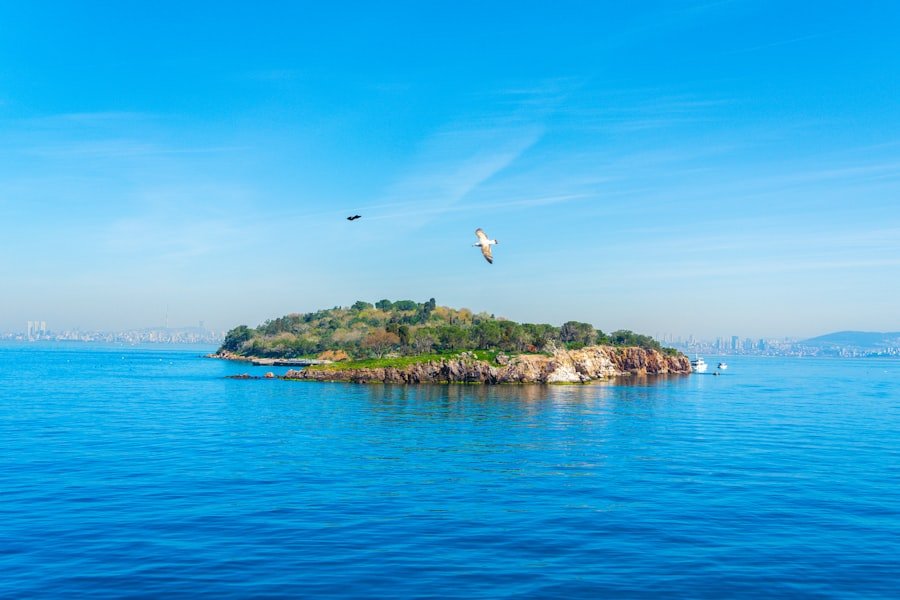
The Byzantine period left some of the deepest historical associations on the Princes Islands. Monasteries, churches, agricultural settlements, and places of confinement developed across the archipelago. Büyükada and Kınalıada in particular are closely tied to stories of imperial exile, while Heybeliada became known for its religious institutions.
After the Ottoman conquest of Constantinople in 1453, the islands remained inhabited rather than becoming a single-purpose imperial resort. Over time, their social life reflected the wider diversity of Ottoman Istanbul. Greek Orthodox, Armenian, Muslim, and other residents contributed to the built environment and community life that visitors still recognize today.
A major transformation came in the 19th century. Regular steam-ferry connections made the islands much easier to reach from Istanbul. Official histories of Büyükada and Heybeliada describe population growth after ferry service began, while wealthy residents increasingly built summer houses and villas. The islands developed into popular seasonal retreats without losing their religious institutions and older village character.
The resulting architecture mixed Ottoman building traditions with European-influenced styles. Timber construction, ornate balconies, decorative facades, gardens, hotels, churches, mosques, schools, and large waterfront houses gave the larger islands the distinctive appearance that remains central to their identity.
Role of the Princes Islands in Modern History
| Island | Verified Historical Association |
|---|---|
| Heybeliada | The Halki Theological School opened for Orthodox theological education in 1844 after an earlier monastery building was reconstructed. The island also grew rapidly after regular ferry connections began in the 19th century. |
| Büyükada | Russian revolutionary Leon Trotsky lived on Büyükada during four years of exile from 1929 to 1933, making the island part of 20th-century international political history. |
| Burgazada | Burgazada became closely associated with Turkish short-story writer Sait Faik Abasıyanık. His family residence later became the Sait Faik Museum. |
| Kınalıada | Its history includes Byzantine imperial exile and a strong Armenian presence during the Ottoman period; 19th-century ferry connections later encouraged wider settlement. |
Modern history brought profound demographic and political change. One point requires particular care: the Greek Orthodox population of Constantinople was exempt from the compulsory Greek-Turkish population exchange agreed in 1923. It is therefore misleading to describe the islands’ Greek population as simply departing because of the establishment of the Turkish Republic.
Instead, Istanbul’s Greek community declined through a longer and more complex process. Later political pressures were especially important, including the violence directed against the Greek Orthodox minority in September 1955 and expulsions in 1964. These events, together with subsequent emigration, sharply reduced a community that had played a major role in the social and architectural life of the islands.
The islands nevertheless continue to preserve visible traces of their multicultural past. Orthodox churches and monasteries, Armenian churches, mosques, historic schools, cemeteries, mansions, and place names all reveal different layers of Istanbul’s history rather than a single, uniform identity.
Architectural and Cultural Heritage
The architectural heritage of the Princes Islands is one of their most memorable features. Many surviving houses date from the late Ottoman and early Republican periods. Timber facades, bay windows, balconies, decorative woodwork, gardens, and narrow streets give the larger islands a character that is increasingly rare in central Istanbul.
Academic research on Büyükada describes a cultural landscape in which traditional Ottoman timber construction blended with eclectic European styles during the 19th and early 20th centuries. This period produced mansions, hotels, religious buildings, and public spaces designed for a growing seasonal population.
Important Heritage Sites and Institutions
- Aya Yorgi Church and Monastery, Büyükada: Located on Yücetepe, this long-established Orthodox religious site remains one of the island’s best-known landmarks.
- Hamidiye Mosque, Büyükada: Built during the reign of Sultan Abdülhamid II, it reflects the Muslim presence within the island’s diverse religious landscape.
- Halki Theological School, Heybeliada: The institution opened for theological education in 1844 and became internationally important within the Orthodox world.
- Historic Armenian and Orthodox churches on Kınalıada: These buildings and their surviving traces reflect the island’s religious and community history.
- Sait Faik Museum, Burgazada: The former family residence connects the island directly with one of Turkey’s most influential modern short-story writers.
- Late Ottoman timber mansions: Büyükada, Heybeliada, Burgazada, and Kınalıada contain numerous historic houses that reveal the islands’ former summer-resort culture.
Cultural life is not limited to old buildings. Religious observances, literary commemorations, concerts, exhibitions, neighborhood events, and seasonal festivals continue to take place. This living culture is important because the Princes Islands are not an open-air museum; they remain residential communities whose heritage continues to evolve.
The Princes Islands are a nine-island cultural and natural landscape where Byzantine exile, Ottoman summer life, religious diversity, literature, architecture, and modern conservation meet within a small part of the Sea of Marmara.
Famous Residents and Visitors
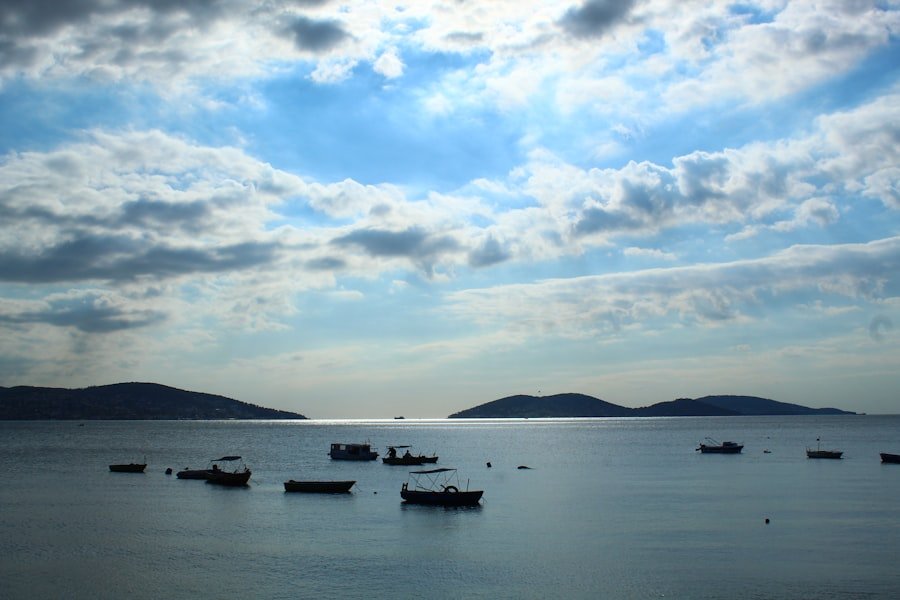
The islands have long attracted writers, artists, politicians, religious figures, and intellectuals. Their quiet setting and proximity to Istanbul made them suitable both for permanent residence and for long seasonal stays.
Halikarnas Balıkçısı, Cevat Şakir Kabaağaçlı, spent important formative years on Büyükada after his family moved there. He later became much more closely identified with Bodrum, but Büyükada formed part of his childhood and early cultural environment.
Fahrelnissa Zeid, one of Turkey’s major modern painters, also belonged to the Şakir Paşa family. Contrary to the original claim that she was an exile on Büyükada, she was born there in 1901. Her brother was Cevat Şakir, while other members of the family also became important figures in Turkish art.
Leon Trotsky provides one of the archipelago’s best-documented links to international political history. After his expulsion from the Soviet Union, he spent roughly four years on Büyükada between 1929 and 1933. Adalar Municipality still commemorates this period through cultural events devoted to his years on the island.
Sait Faik Abasıyanık became inseparable from Burgazada in Turkish literary memory. He spent summers at his family’s island home and drew on island people, fishermen, streets, animals, and everyday life in his writing. The residence later became a museum.
Mustafa Kemal Atatürk also visited Büyükada during his presidency. Official travel records document a visit on June 29, 1934, and another stay on May 25, 1935, when he spent the night at the island’s yacht club. These documented visits are more reliable than assigning an unverified personal motive such as “reflection” or “escape from public life.”
Environmental and Ecological Significance
The Princes Islands are environmentally important, but their role should be described precisely rather than saying that they alone preserve the ecological balance of the entire Sea of Marmara. The archipelago contains forest, maquis, grassland, and cliff ecosystems, along with habitats used by birds, bats, plants, and other wildlife.
The Turkish Ministry of Environment identifies all nine Princes Islands within the Marmara Sea and Islands Special Environmental Protection Area. The protected area was first declared on November 4, 2021. Its boundaries were revised on September 6, 2024, using scientific data from biodiversity research.
The ministry reports important populations of protected or threatened wildlife in the Princes Islands and identifies four main terrestrial ecosystem types. A two-year biodiversity research project involving 37 academics has also been completed for the wider protected area.
Conservation work is continuing rather than being a finished project. Programs begun in 2025 include monitoring seagrass, researching marine species and habitats, coral restoration, and preparation of an integrated land-coast-marine management plan scheduled for completion by the end of 2027.
Note: The environmental health of the Princes Islands is connected to the wider Sea of Marmara. Pollution, climate pressures, marine ecosystem change, tourism, construction, and habitat management therefore require regional as well as island-level conservation.
Preserving the Legacy of the Princes Islands
Protecting the Princes Islands means caring for both cultural heritage and the natural landscape. Historic wooden buildings are vulnerable to fire, neglect, inappropriate alterations, and the high cost of specialist restoration. Religious buildings, old schools, public spaces, gardens, and historic streets also require long-term maintenance rather than one-time repair projects.
At the same time, the islands face the pressures created by their popularity. Large numbers of summer and day visitors place extra demand on transport, waste collection, public spaces, water, coastlines, and natural areas. Conservation therefore involves balancing tourism with the everyday needs of residents.
Current environmental programs provide a more concrete picture of preservation than general statements about sustainability. Biodiversity monitoring, habitat research, protected-area management, and marine conservation are now part of an official long-term framework. Cultural preservation similarly depends on documenting historic structures, restoring significant buildings, and keeping local traditions and community spaces active.
Pro Tip: Visitors can help protect the islands by using established paths, respecting historic and religious sites, avoiding litter, following local fire and forest restrictions, and choosing walking, cycling, ferries, or official public transport instead of unauthorized vehicles.
Visiting the Princes Islands Today
Ferries remain the essential connection between Istanbul and the main islands. Current Şehir Hatları routes serve Büyükada, Heybeliada, Burgazada, and Kınalıada from several Istanbul piers. Because schedules can change by season and day of the week, travelers should check the official Şehir Hatları timetable before traveling.
Once ashore, walking and cycling remain popular because conventional private motor traffic is heavily restricted. However, describing the islands as having a complete “absence of motor vehicles” is no longer accurate.
Istanbul Metropolitan Municipality removed the regular horse-drawn phaeton system in 2020. IETT then introduced electric public-transport vehicles, and newer registered electric vehicles entered service in 2024. Electric service, municipal, emergency, and other authorized vehicles may therefore be seen on island roads.
Note: “Car-free” is still useful shorthand for the islands’ low-traffic atmosphere, but it should not be interpreted literally. Private conventional traffic is tightly controlled, while official electric and permitted service vehicles operate.
Conclusion
The Princes Islands preserve an unusually concentrated record of Istanbul’s history. Byzantine monasteries and imperial exile gave the archipelago its enduring historical associations; Ottoman-era communities and 19th-century ferry connections transformed the islands into fashionable summer settlements; and writers, artists, political figures, and religious institutions added further layers during the modern era.
Their importance today comes from this combination of history, architecture, community life, and nature. The islands are neither frozen relics nor simply quiet holiday destinations. They are living neighborhoods within Istanbul, shaped by centuries of migration and cultural exchange while also forming part of a formally protected environmental landscape.
For readers who want to explore the history in greater depth, the official municipal histories, academic research, transport authorities, and environmental sources below provide stronger context than unrelated internal content.
Frequently Asked Questions
What are the Princes Islands?
The Princes Islands are a group of nine islands in the northeastern Sea of Marmara, within Istanbul’s Adalar district. Büyükada, Heybeliada, Burgazada, and Kınalıada are the four best-known islands for residents and visitors.
Why are they called the Princes Islands?
The name is associated with the Byzantine emperors, princes, nobles, patriarchs, and other prominent people who were sent to or confined on the islands. Their isolation from Constantinople made island monasteries convenient places for exile and religious retreat.
Was the whole archipelago historically called Prinkipo?
No. Prinkipo is historically associated with Büyükada. Other major islands had different Greek names, including Halki for Heybeliada, Antigoni for Burgazada, and Proti for Kınalıada.
What is the history of the Princes Islands?
Their history includes ancient settlement, Byzantine monasteries and political exile, centuries of Ottoman rule, growth as multicultural summer communities after 19th-century ferry connections, and major demographic and political changes during the 20th century. Historic churches, mosques, schools, mansions, museums, and monasteries preserve evidence of these periods.
Which Princes Islands are most commonly visited?
Büyükada is the largest and usually the best-known destination. Heybeliada, Burgazada, and Kınalıada are also regularly served by ferries and each offers a different mix of historic buildings, residential streets, waterfront areas, religious heritage, and natural scenery.
Are cars and horse-drawn carriages used on the Princes Islands?
Conventional private motor traffic is heavily restricted, but the islands are not completely free of motorized vehicles. The regular horse-drawn phaeton system was removed in 2020 and replaced by electric public transport. Authorized electric, municipal, emergency, and service vehicles operate alongside people walking and cycling.
How can I visit the Princes Islands from Istanbul?
The main islands are reached by ferry. Şehir Hatları operates routes linking Istanbul piers with Kınalıada, Burgazada, Heybeliada, and Büyükada. Timetables vary, so checking the official schedule before departure is recommended.
Are the Princes Islands environmentally protected?
Yes. The nine Princes Islands are included within the Marmara Sea and Islands Special Environmental Protection Area. The designation dates from 2021, revised boundaries were approved in 2024, and biodiversity monitoring and management projects continue through the 2020s.
Sources
- Adalar Municipality — History of the Islands — island histories, Byzantine exile, religious institutions, settlement, and local heritage.
- Heritage — The Characteristics of Büyükada as a Cultural Landscape — academic research on historical names, settlement, architecture, and cultural landscape.
- Oxford Academic — The Turkish-Greek Population Exchange and International Law — the 1923 compulsory exchange and the exemption for Constantinople’s Greek community.
- IETT — Public Transportation in the Princes Islands — removal of the phaeton system and introduction of electric public transport.
- Republic of Türkiye Ministry of Environment — Marmara Sea and Islands Special Environmental Protection Area — protected-area status, biodiversity, ecosystems, and current conservation projects.
- Şehir Hatları — Princes Islands Ferry Timetables — current ferry connections between Istanbul and the main islands.