Oklahoma gardeners can grow a wide range of vegetables and fruits, but success depends on matching each crop to the season, location, soil, and available water. Cool-season crops such as lettuce, onions, peas, carrots, and spinach can go in early, while tomatoes, okra, squash, peppers, and melons need warmer conditions. Fruit choices require more care because several popular fruits are suited only to certain parts of the state.
Quick Answer
In Oklahoma, good choices include lettuce, spinach, onions, peas, carrots, potatoes, tomatoes, peppers, okra, squash, beans, and melons. Planting dates vary across the state, so use Oklahoma State University Extension ranges and local weather rather than relying on one statewide frost date.
Key Takeaways
- Plant most cool-season vegetables from mid-February into March, depending on the crop and your part of Oklahoma.
- Tomatoes are generally transplanted April 10-30, while okra, squash, peppers, and other heat-loving crops follow as soils warm.
- Strawberries and blackberries are strong fruit choices, while blueberries, raspberries, figs, and muscadines have important regional limitations.
- Good soil drainage, a soil test, reliable water, and correct crop timing matter as much as variety selection.
- Inspect plants regularly for pests and use cultural or mechanical controls before reaching for pesticides.
What Vegetables Thrive in Oklahoma’s Climate?
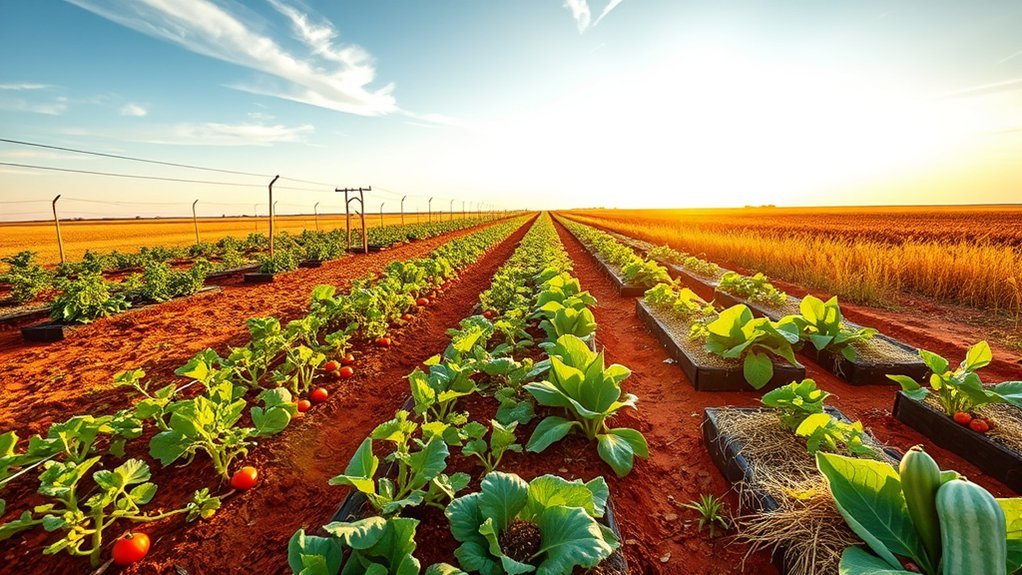
Oklahoma supports both cool-season and warm-season vegetables. The Oklahoma State University Extension Garden Planning Guide groups crops according to the temperatures in which they grow best. Cool-season crops perform best in cooler weather, while warm-season crops grow during Oklahoma’s warmer spring and summer conditions.
| Season | Good Oklahoma Choices | General Timing |
|---|---|---|
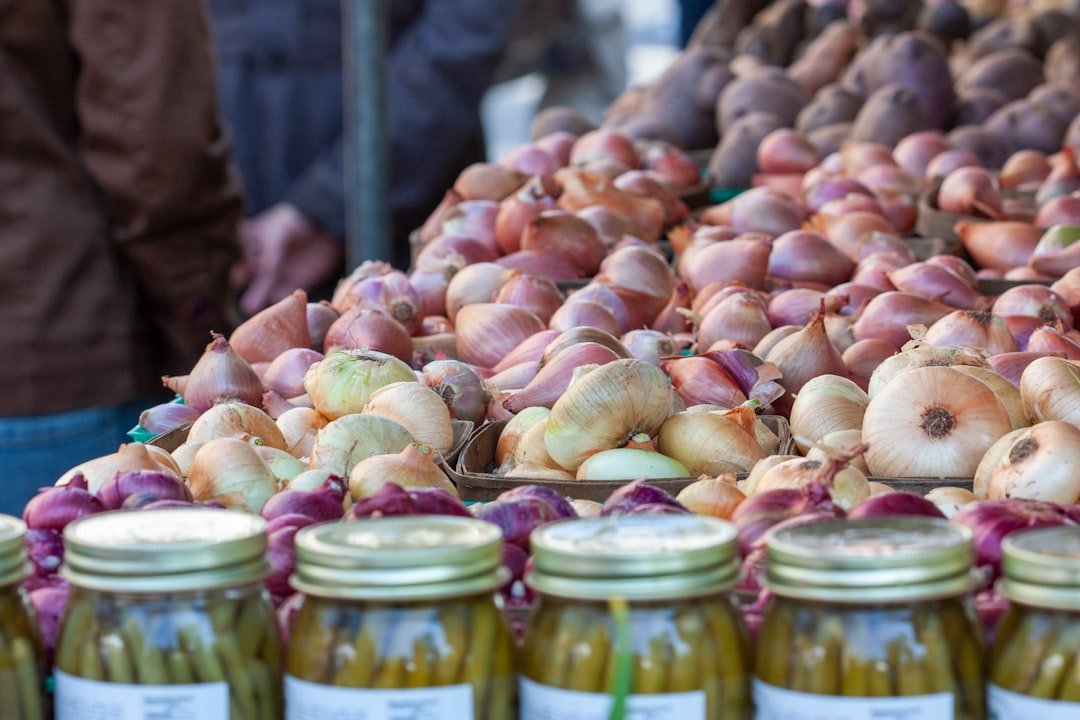
| Cool season | Lettuce, spinach, onions, peas, carrots, potatoes, broccoli, cabbage, Swiss chard | Mostly mid-February through March |
| Warm season | Tomatoes, peppers, okra, beans, cucumbers, summer squash, sweet potatoes, cantaloupe, watermelon | Mostly April through May, depending on the crop |
For lettuce, Black Seeded Simpson remains one of the varieties listed by OSU Extension for Oklahoma gardens. Kale varieties such as Red Russian and Vates are also listed, while Swiss chard choices include Bright Lights and Lucullus. For snow peas, Extension-listed choices include Norli, Oregon Giant, and Oregon Sugar Pod #2.
Tomatoes grow well in Oklahoma when planted at the right time and given adequate water. Instead of relying on a single variety, consider Oklahoma-listed options such as Celebrity, Better Boy, Heatwave, Jet Star, or other locally available disease-resistant cultivars. OSU’s vegetable variety guide provides a longer list of varieties that have performed successfully in Oklahoma trials or gardens.
Prepare Your Site, Soil, and Water
A productive garden starts before you plant a seed. Choose a site with good drainage, convenient access to water, and as much appropriate sunlight as your crops require. Oklahoma State Extension describes full or near-full sunlight and deep, fertile, well-drained soil as ideal for a vegetable garden.
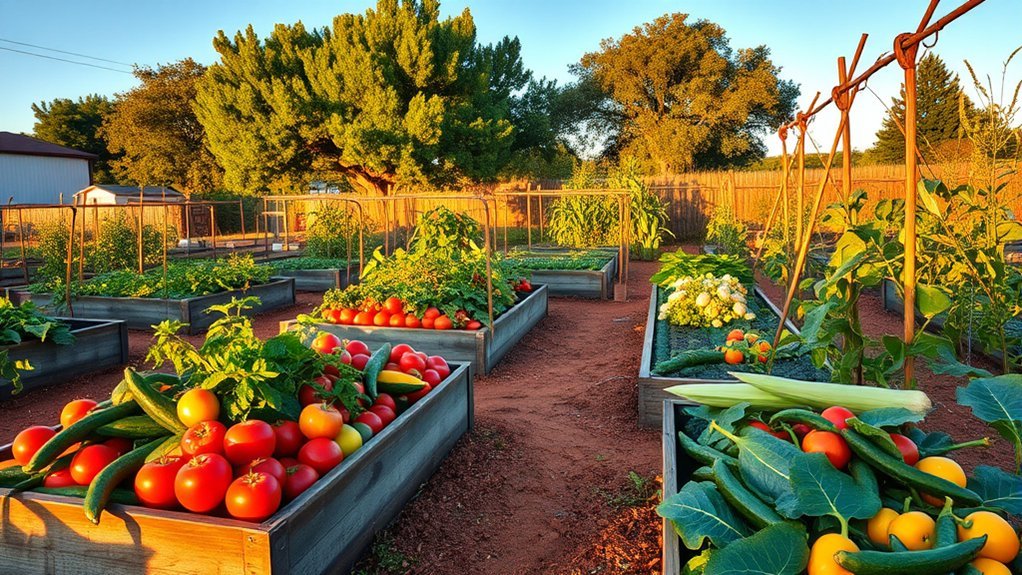
If your soil drains poorly or the topsoil is shallow, a raised bed or container garden may be easier to manage. Before adding fertilizer or lime, consider a soil test. Oklahoma State University’s vegetable soil-testing guidance explains that testing can measure pH and available nitrogen, phosphorus, and potassium. Many plant nutrients are most available in mildly acidic soil around pH 6.0-7.0, although individual crops have different requirements.
Pro Tip: Test your soil before routinely adding fertilizer, lime, or other amendments. A soil-test recommendation is more reliable than applying products according to a generic garden recipe.
When to Plant Your Seeds for Optimal Growth?
Planting time is one of the biggest factors in Oklahoma garden success. There is no single statewide last-frost date that works for every garden. OSU Extension’s planting ranges generally progress from earlier dates in southeastern Oklahoma toward later dates in northwestern Oklahoma, and actual weather can move planting forward or backward.
Ideal Planting Times
The following spring windows come from the Oklahoma State University Extension Garden Planning Guide. They are useful starting points, not guarantees for every address.
| Crop | OSU Spring Planting Window | Method |
|---|---|---|
| Leaf lettuce | Feb. 15-March 10 | Seed or plants |
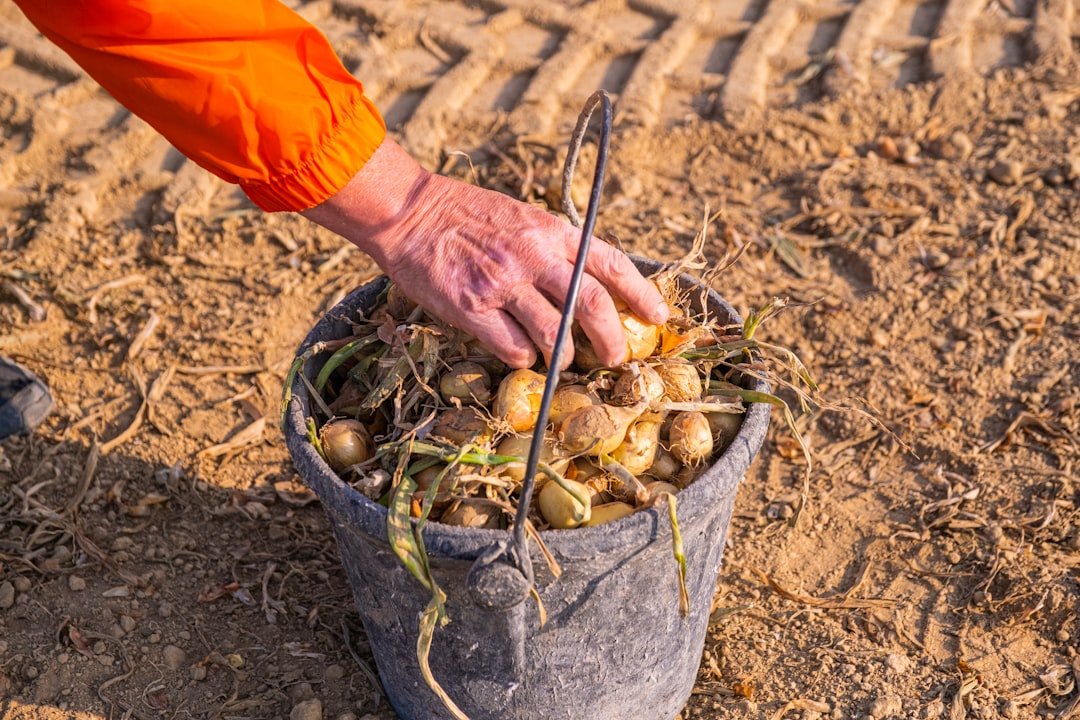
| Onions | Feb. 15-March 10 | Sets or plants |
| Green peas | Feb. 15-March 10 | Seed |
| Irish potatoes | Feb. 15-March 10 | Seed-potato pieces |
| Tomatoes | April 10-30 | Transplants |
| Okra | April 10-30 or later | Seed |
| Cantaloupe | May 1-20 | Seed or plants |
| Watermelon | May 1-20 | Seed |
Note: OSU says cool-season seedbeds should generally be at least 40°F at planting depth and warm-season seedbeds at least 50°F. Local weather, soil temperature, frost risk, and season-extension methods can all change the best date for your garden.
Seasonal Planting Guidelines
Spring is not your only opportunity. Oklahoma also supports productive fall gardens. According to OSU’s Fall Gardening guide, fall planting can begin as early as July for certain crops and continue into September or October for others.
Examples include carrots from July 15-Aug. 15, leaf lettuce from Aug. 1-15, peas from Aug. 15-Sept. 1, spinach from Sept. 5-25, and mustard from Sept. 10-Oct. 10. Summer-seeded fall gardens need close attention to moisture because Oklahoma’s July and August soils can become hot and dry quickly.
Tomato transplants are commonly started ahead of spring planting so they are ready for the April planting window. Other crops, including broccoli, cabbage, cauliflower, and lettuce, can also benefit from transplanting rather than direct seeding under some conditions.
Crop Rotation Strategies
Crop rotation helps limit the buildup of pests and diseases associated with particular plant families. Rather than following a rigid percentage formula, move related crops to a different part of the garden when practical.
- Tomato family: tomatoes, potatoes, peppers, and eggplant.
- Cole crops: cabbage, broccoli, cauliflower, kale, collards, turnips, and related crops.
- Legumes: peas, beans, and cowpeas.
- Carrot family: carrots, celery, celeriac, and parsley.
- Cucurbits: cucumbers, squash, pumpkins, cantaloupes, and watermelons.
Oklahoma State Extension advises against growing members of the same vegetable family in the same location in consecutive seasons when you have enough garden space to rotate them.
Ideal Fruits for Oklahoma Gardens
Fruit selection requires more regional planning than annual vegetables. The OSU Home Fruit Planting Guide notes that fruit crops need good drainage and generally perform best in full sun. It also warns that tree fruits and grapes usually require more disease and insect management than strawberries and blackberries.
| Fruit | Oklahoma Suitability | Important Consideration |
|---|---|---|
| Strawberries | Can be grown throughout Oklahoma | June-bearing cultivars are generally the most successful; good drainage and irrigation matter. |
| Blackberries | One of the better home-garden small-fruit choices | Choose an adapted cultivar and provide the training or trellis system required by its growth habit. |
| Blueberries | Region dependent | Highbush types are best adapted to northeastern Oklahoma; rabbiteye types are better suited to southeastern Oklahoma. Very acidic soil is required. |
| Raspberries | More difficult | OSU notes that raspberries are generally not highly productive because of fluctuating winter temperatures, although black raspberries may succeed with water and mulch. |
| Apples and peaches | Adapted cultivars are available | Require more pruning and pest or disease management than many small fruits. OSU lists cultivars such as Gala, Liberty, Golden Delicious, Redhaven, and Reliance. |
| Figs | Best in milder or protected locations | Brown Turkey and Ramsey are listed for milder southern counties, with protected plantings also possible farther north. |
| Muscadine grapes | Very limited regional adaptation | OSU lists muscadines as adapted to McCurtain and Choctaw counties only. Other bunch-grape cultivars are better options elsewhere. |
Cantaloupe and watermelon are also excellent warm-season garden crops in Oklahoma. They are managed as annual crops rather than permanent fruit plantings and are generally planted in May according to OSU’s vegetable planting calendar.
Easy-to-Grow Vegetables for Beginners
If you are new to gardening in Oklahoma, begin with a few crops instead of planting a large garden all at once. Choose vegetables that match your available space and season.
- Leaf lettuce: Fast-growing and suitable for garden beds or containers. Plant early because hot weather reduces quality.
- Swiss chard: A useful leafy crop that tolerates a wider temperature range than lettuce.
- Green onions: Require little space and can be planted early.
- Radishes: Mature quickly and are useful for learning basic seeding, thinning, and watering skills.
- Bush beans: Direct-seeded after soils warm and easy to harvest without a trellis.
- Okra: Well suited to Oklahoma heat once warm weather is established. Pick pods frequently while they are tender.
- Summer squash or zucchini: Productive in a small number of plants, although you should watch closely for squash bugs and other cucurbit pests.
Nutritional Benefits of Oklahoma-Grown Produce
Growing vegetables at home can make it easier to use a wider variety of fresh produce in meals. Nutrient content varies by cultivar, maturity, storage, and preparation, but the USDA FoodData Central database documents the vitamins, minerals, fiber, and other nutrients found in common vegetables.
| Vegetable | Notable Nutrients |
|---|---|
| Leaf lettuce | Provides vitamin K, carotenoids, folate, and other nutrients, with amounts differing among lettuce types. |
| Broccoli | Provides vitamin C, folate, fiber, and several minerals. |
| Carrots | Rich in carotenoids, including beta-carotene, which the body can convert to vitamin A. |
| Sweet potatoes | Orange-fleshed types provide beta-carotene along with fiber and potassium. |
| Peppers | Provide vitamin C and carotenoids, with nutrient amounts varying by color and maturity. |
The main advantage of growing these foods locally is not that homegrown produce has a special Oklahoma-only nutrient profile. It is that a productive garden can provide convenient access to fresh vegetables that you are more likely to harvest and eat regularly.
Identifying and Managing Common Garden Pests in Oklahoma
Oklahoma vegetable gardens can attract squash bugs, aphids, caterpillars, cucumber beetles, mites, and other pests. The best first step is identification. Oklahoma State Extension recommends inspecting representative plants at least twice a week during the growing season, including leaf undersides, stems, fruit, and plant crowns.
Common Garden Pests
- Squash bugs: Important pests of squash and pumpkins. Look for adults, gray nymphs, and clusters of bronze-colored eggs on leaves.
- Aphids: Small sap-feeding insects commonly found on leaf undersides. High populations can distort plants, and some aphids transmit plant viruses.
- Cabbage loopers and diamondback moth larvae: Common caterpillar pests of cabbage-family crops such as broccoli, cabbage, collards, and kale.
- Cucumber beetles: Common on cucumbers, melons, squash, and pumpkins.
- Spider mites: Can become troublesome during hot, dry weather and may cause stippling or bronzing of leaves.
Naturally occurring lady beetles, lacewings, spiders, parasitoid wasps, and other beneficial organisms can suppress some pest populations. Avoid spraying merely because you see an insect. Purchased beneficial-insect releases are available, but OSU Extension notes that mass releases have not proved consistently reliable in home gardens.
Effective Control Methods
| Control Method | How to Use It |
|---|---|
| Regular inspection | Catch small infestations before they become difficult to manage. |
| Row covers | Exclude certain insects from young crops. Remove covers when pollination is required unless the crop is self-pollinating or you provide another pollination method. |
| Hand removal | Remove large insects, caterpillars, squash-bug eggs, or badly infested leaves when practical. |
| Water spray | A directed stream of water can knock aphids and some mites from plants. |
| Insecticidal soap or horticultural oil | Useful for certain soft-bodied pests when the product is labeled for the crop and pest and applied with thorough coverage. |
| Neem-based products | May help with selected pests when the specific product label allows use on the crop. |
Warning: “Organic” does not mean risk-free. Before applying neem oil, insecticidal soap, horticultural oil, or any other pesticide, read the entire label. Confirm that the product is labeled for both your crop and target pest, follow the harvest interval and application rate, protect skin and eyes, and avoid exposing pollinators or other non-target organisms.
For Oklahoma-specific pest identification and treatment options, use OSU Extension’s Home Vegetable Garden Insect Pest Control guide.
Container Gardening Tips for Limited Spaces
Container gardening is useful when you have a patio, balcony, poor native soil, or limited ground space. Oklahoma State Extension’s Container Gardening guide emphasizes matching the container size, plant type, light exposure, and watering schedule.
- Choose the right crop: Compact tomatoes, peppers, lettuce, herbs, bush beans, and other smaller-growing vegetables are easier to manage in containers.
- Give roots enough room: A container should accommodate the mature root system. Larger plants need substantially more soil volume than lettuce or herbs.
- Provide drainage: Use a container that allows excess water to escape rather than leaving roots waterlogged.
- Use container-growing media: Garden soil alone can compact in pots. Use a quality potting or container mix suited to the crop.
- Match plants to sunlight: Fruiting crops such as tomatoes and peppers usually perform best in strong light, while leafy crops may tolerate somewhat less.
- Check moisture often: Small, porous, fabric, or sun-exposed containers can dry much faster than in-ground beds during Oklahoma summer weather.
- Use vertical space: Trellises can support pole beans, cucumbers, and other climbing crops where horizontal space is limited.
Gardening Challenges and Solutions
Oklahoma’s heat, wind, pests, and variable soils can challenge even experienced gardeners. Planning around those conditions is more effective than trying to correct stressed plants later.
- Summer heat: Keep plants adequately watered and use mulch to slow soil-moisture loss. Newly seeded fall rows may benefit from temporary shade material that moderates hot soil until seedlings emerge.
- Rapid drying: Drip irrigation or careful row watering can deliver water directly to the root zone and reduce waste.
- Wind: Secure tall plants and trellises well. A suitable windbreak can protect exposed gardens, but avoid placing vegetables where the windbreak creates excessive shade or root competition.
- Animal damage: Use fencing, netting, hardware cloth, or other physical barriers appropriate to the animal rather than relying on irritating home remedies around edible crops.
- Poor drainage: Raised beds can help where native soil stays wet or compacts badly.
- Weak growth or yellow leaves: Do not assume the problem is a fertilizer shortage. Poor drainage, incorrect pH, pests, disease, salts, or nutrient imbalance can produce similar symptoms. A soil test and correct diagnosis should come first.
In Oklahoma, planting the right crop at the right time is often more effective than trying to rescue a cool-season vegetable from summer heat or a warm-season crop from cold soil.
Frequently Asked Questions
What Are the Easiest Vegetables to Grow in Oklahoma?
Good beginner choices include leaf lettuce, radishes, green onions, Swiss chard, bush beans, summer squash, and okra. The easiest crop changes with the season: lettuce and radishes prefer cooler weather, while beans, squash, and okra need warmer soil and air temperatures.
What Is the 70/30 Rule in Gardening?
There is no standard Oklahoma Extension vegetable-growing rule that requires 70% dependable crops and 30% experimental crops. The term “70/30 rule” is used informally in several types of garden design. For an Oklahoma vegetable garden, base decisions on crop families, planting dates, soil conditions, available space, and locally adapted varieties instead.
What Should Not Be Planted Near Carrots?
Do not rely on rigid companion-planting lists that claim carrots must never be beside common vegetables such as potatoes or beets. Give carrots enough light, water, and spacing, and use crop rotation where possible. Oklahoma Extension groups carrots with celery, celeriac, and parsley for rotation purposes, so avoid repeatedly planting that family in the same location.
What Is the Easiest Fruit to Grow in Oklahoma?
Strawberries are one of the most practical choices because Oklahoma State Extension says they can be grown throughout the state. Blackberries are another strong option. Tree fruits such as peaches and apples generally require more pruning, pest management, and disease management.
When Should You Plant Tomatoes in Oklahoma?
Oklahoma State Extension lists April 10-30 as the general spring transplanting window for tomatoes. The earlier part of that range is more appropriate in warmer parts of the state, while cooler locations may need to wait. Check current local weather and frost risk before planting tender transplants.
Can You Grow Blueberries in Oklahoma?
Yes, but blueberries are not equally adapted across the state. OSU recommends highbush blueberries mainly for northeastern Oklahoma and rabbiteye blueberries for southeastern Oklahoma. Blueberries also need unusually acidic soil, around pH 5.0-5.2, plus dependable irrigation and mulch.
Conclusion
Oklahoma can support an excellent home garden when you match crops to the season and your part of the state. Start with well-drained soil, dependable water, and a realistic planting plan. Grow cool-season vegetables early, move to heat-loving crops in spring and summer, and consider a second round of vegetables for fall. For fruit, choose regionally adapted plants rather than assuming every berry, grape, or tree fruit performs equally well statewide. Regular observation, soil testing, crop rotation, and accurate pest identification will do more for long-term success than garden shortcuts or rigid rules.
Sources
- Oklahoma State University Extension: Oklahoma Garden Planning Guide — spring planting windows, crop seasons, site selection, spacing, and soil-temperature guidance.
- Oklahoma State University Extension: Home Fruit Planting Guide — regional fruit adaptation, cultivar guidance, site requirements, and fruit-management considerations.
- Oklahoma State University Extension: Fall Gardening — fall planting dates, irrigation, hot-soil challenges, and season-extension guidance.
- Oklahoma State University Extension: Home Vegetable Garden Insect Pest Control — pest identification, monitoring, biological controls, row covers, soaps, oils, neem products, and pesticide safety.
- Oklahoma State University Extension: Container Gardening — container sizing, drainage, light exposure, growing media, and watering considerations.
- USDA FoodData Central — authoritative food-composition and nutrient data for vegetables and fruits.