Disclosure: As an Amazon Associate, we earn from qualifying purchases. If you click a link on this page and make a purchase, we may receive a small commission at no extra cost to you.
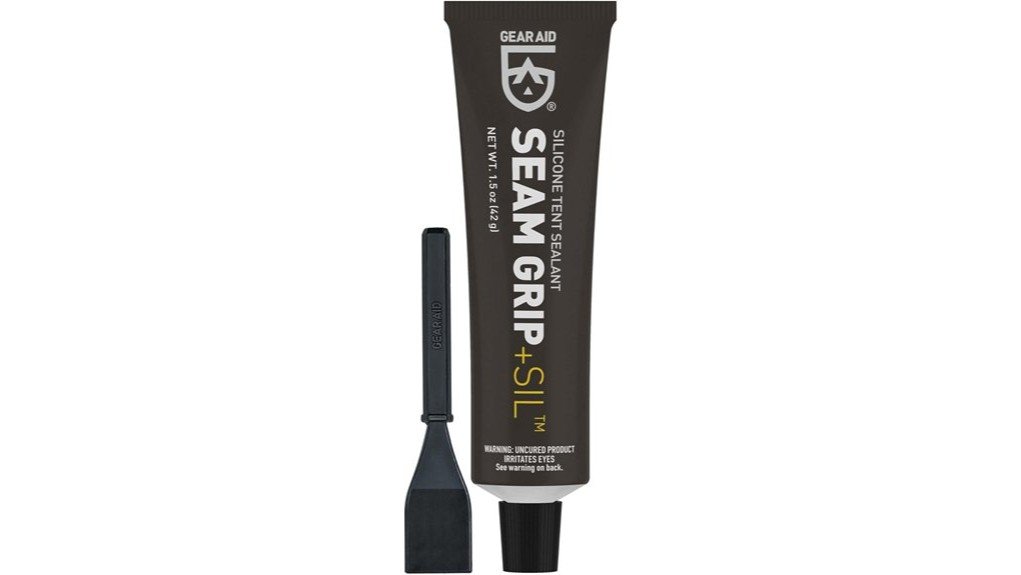
A leaking tent seam can ruin a trip, but the wrong sealant can create an equally frustrating mess. GEAR AID Seam Grip SIL Silicone Sealant is made for silnylon and other silicone-treated fabrics that standard polyurethane seam sealers may not bond to. This review explains its verified coverage, cure time, temperature limits, best uses, and application tradeoffs. Its strongest advantage is a clear, flexible silicone-rubber seal, while its main limitation is strict material compatibility.
Quick Verdict
Rating: 8.4/10
Best For: Owners of silnylon tents, silicone-coated tarps, ultralight shelters, and compatible backpacks that need seam sealing or small pinhole repairs.
Bottom Line: Seam Grip SIL creates a waterproof, elastic seal that flexes with lightweight silicone-treated gear. It is a focused repair product, not a universal fabric adhesive, and you must apply it within the recommended conditions and let it cure fully.
Key Takeaways
- GEAR AID Seam Grip SIL is formulated for silnylon, sil-poly, and other silicone-treated fabrics, not polyurethane-coated materials.
- The clear 1.5 oz tube covers up to 24 feet of seams when applied as a roughly 1/4-inch-wide line.
- It cures into a flexible silicone-rubber seal that can move with tents, tarps, and ultralight gear.
- The verified cure time is 3 to 6 hours, with humidity used as the cure method.
- GEAR AID lists an application range of 60°F to 100°F and a use range of -20°F to 180°F.
| Specification | Detail |
|---|---|
| Brand | GEAR AID |
| Product | Seam Grip SIL Silicone Tent Sealant |
| Model / part number | 10440 |
| ASIN | B0009RP8HO |
| Product type | Silicone seam sealant for outdoor gear |
| Material | Silicone rubber |
| Color | Clear |
| Tube size | 1.5 oz |
| Coverage | Up to 24 feet of seams at about 1/4 inch wide |
| Compatible materials | Silnylon, sil-poly, and silicone-treated fabrics |
| Common uses | Tent and tarp seams, ultralight shelters, compatible backpacks, pinholes, and small tears |
| Cure time | 3 to 6 hours |
| Cure method | Humidity |
| Application temperature | 60°F to 100°F |
| Use temperature | -20°F to 180°F |
| Storage | Store in a cool, dry place |
| Country of manufacture | Made in the USA |
What Is GEAR AID Seam Grip SIL Silicone Sealant?
GEAR AID Seam Grip SIL is a clear silicone-rubber sealant made for outdoor fabrics with a silicone coating. It was previously sold as SilNet and is now positioned as a seam sealer and small-repair product for silnylon tents, silicone-treated tarps, ultralight shelters, and compatible packs.
Its material match is the main selling point. Silicone-coated fabric can reject polyurethane-based seam sealers, so GEAR AID directs buyers with silnylon or sil-poly gear to this SIL formula. Once cured, the seal forms an elastic rubber layer that bends and stretches with the fabric instead of becoming a rigid strip.
The 1.5 oz tube is sized for seam work, pinholes, and small tears rather than full-panel recoating. Its stated coverage of up to 24 feet is enough for many targeted maintenance jobs, but actual coverage will drop if you apply a wider or thicker bead.
Who Should Buy It?
Best For
- You own a silnylon or sil-poly tent, tarp, shelter, or pack with leaking stitched seams.
- You need a flexible waterproof seal for pinholes or small tears in compatible silicone-treated fabric.
- You can complete the repair at home and leave the gear open and undisturbed for the full cure period.
Skip If
- Your gear uses polyurethane-coated fabric, canvas, leather, or another non-silicone surface.
- You need a structural repair for a large tear, failed stitching, broken hardware, or a damaged load-bearing point.
- You need an instant field repair and cannot wait 3 to 6 hours before packing or using the item.
Before You Buy: Confirm the coating on your gear, not just the base fabric name. A nylon or polyester shelter may use either a silicone or polyurethane coating, and Seam Grip SIL is only intended for silicone-treated surfaces.
Top Features of Seam Grip SIL for Outdoor Gear
Silicone-Treated Fabric Compatibility
Seam Grip SIL bonds to silicone-treated fabric, including silnylon and sil-poly. This targeted compatibility matters because the coating controls adhesion. Choosing the correct formula reduces the chance of peeling, weak bonding, or a repair that lifts when the fabric flexes.
Flexible Waterproof Seal
The cured material is an elastic silicone rubber. That flexibility suits tents and tarps that stretch under tension, flap in wind, and fold into small storage bags. It also makes the seal more practical around curved seams and moving fabric than a hard, brittle coating.
Clear Finish
The sealant dries clear, which helps it blend with most gear colors. A clear finish does not make poor application invisible, however. Thick ridges, drips, and uneven edges can still be noticeable, so a controlled bead matters when appearance is important.
Coverage for Seams and Small Repairs
GEAR AID rates the 1.5 oz tube for up to 24 feet of seams at about 1/4 inch wide. This makes it useful for sealing a tent fly, touching up a tarp, or covering several known leak points. It is not designed to recoat an entire tent floor or replace a large fabric panel.
Weather and Temperature Resistance
The manufacturer lists a service range from -20°F to 180°F after curing. That range supports normal outdoor use and storage across hot and cold conditions. Application is more limited, with a recommended range of 60°F to 100°F, so plan the repair before a trip rather than trying to apply it in freezing weather.
How to Apply Seam Grip SIL Correctly
Set up the tent, tarp, or shelter so the seam is easy to reach and held in its normal shape. The fabric should be clean, completely dry, and free from loose dirt or failing sealant. Follow the tube directions for surface preparation, and test a hidden area first when you are unsure about the coating or finish.
| Step | Action | Why It Matters |
|---|---|---|
| 1. Confirm | Verify that the surface is silnylon, sil-poly, or another silicone-treated fabric. | The sealant will not reliably bond to polyurethane-coated material. |
| 2. Prepare | Clean and dry the seam, then hold the fabric flat or lightly tensioned. | Dirt, moisture, folds, and slack fabric can create gaps or uneven coverage. |
| 3. Apply | Run a thin, controlled bead over the stitching and work it into needle holes. | A thin layer is easier to control and uses less of the 1.5 oz tube. |
| 4. Cure | Leave the item open and undisturbed for 3 to 6 hours within the recommended temperature range. | Packing or folding too early can transfer sealant or damage the new bead. |
| 5. Inspect | Check the full seam for missed stitches, bubbles, thin spots, or lifted edges. | A visual check can catch a small gap before the next wet trip. |
Pro Tip: Turn a rainfly inside out and pitch or tension it before sealing. This exposes the seams, keeps the fabric from bunching, and makes it easier to apply a narrow, even line.
How It Performs in Real Use
For Tent and Shelter Seams
Seam Grip SIL is most useful where water follows stitching holes through a silicone-coated fly or shelter panel. A continuous bead can close those leak paths while keeping the seam flexible enough to fold and pack. Coverage depends on seam width, so a large multi-panel shelter may use most or all of one tube.
For Tarps and Tie-Out Areas
Silicone-treated tarps move under wind and line tension, which makes flexibility important. The sealant can protect stitched hems and reinforce waterproofing around compatible tie-out stitching. It cannot replace torn webbing, failed bar tacks, or damaged fabric at a load-bearing point.
For Pinhole Leaks and Small Tears
GEAR AID lists pinholes and small tears among the intended uses. For a tiny defect, the clear silicone can bridge the damaged area and keep water out after curing. Larger tears may need a compatible patch or sewing repair before sealant is added around the edges.
For Ultralight Backpacks and Rain Gear
On compatible silicone-treated packs or rainwear, Seam Grip SIL can target stitched seams and small leak-prone areas without adding a large repair panel. It does not turn a non-waterproof pack into a dry bag, so use a pack liner or other backup when complete water protection matters.
Compatibility and Safety
Material identification is the main safety and performance check. Seam Grip SIL is for silicone-treated textiles, while GEAR AID directs polyurethane-coated fabrics to products such as Seam Grip WP, FC, or TF. Check the care label, manufacturer specifications, or coating description before opening the tube.
Apply the product in a clean, ventilated work area and follow the warnings on the package. Avoid contact with eyes and skin, and keep uncured sealant away from children, pets, food-contact surfaces, and open flames. Do not use it as a substitute for professional repair on climbing gear, life-support equipment, or another safety-critical item.
Common Mistakes to Avoid
- Choosing by base fabric alone: Nylon and polyester can have different coatings, so confirm that the surface is silicone-treated.
- Applying outside the recommended range: GEAR AID lists 60°F to 100°F for application.
- Using a thick bead: Excess sealant wastes coverage, looks uneven, and can take longer to settle.
- Folding before curing: Give the repair the full 3 to 6 hours and test that it is dry before packing.
- Expecting structural repair: Sealant can close pinholes and small tears, but it cannot restore broken stitching or a torn load-bearing panel.
Pros and Cons
Pros
- Made specifically for silnylon, sil-poly, and silicone-treated fabrics.
- Cures into a flexible, elastic silicone-rubber seal.
- Clear finish works across many gear colors.
- One 1.5 oz tube covers up to 24 feet of seams.
- Suitable for seams, pinholes, and small tears in compatible outdoor gear.
Cons
- Will not suit polyurethane-coated or general-purpose fabric repairs.
- Neat application can require practice, especially on long exposed seams.
- Needs 3 to 6 hours of cure time and cannot replace structural stitching or patching.
Troubleshooting Common Sealant Issues
If the sealant lifts or peels, first confirm that the fabric has a silicone coating. Poor material compatibility is a more serious problem than bead thickness. If the material is correct, remove loose contamination, let the area dry, and follow the product directions before applying a small touch-up.
If the bead stays uneven, looks cloudy, or transfers when folded, it may have been applied too heavily or packed before curing. Keep repaired surfaces separated until dry. For missed needle holes or thin sections, add only enough product to close the gap instead of recoating the entire seam.
Is It Worth the Price?
Seam Grip SIL offers strong value for the price when you already own silicone-treated gear. The 1.5 oz tube can seal up to 24 feet of seams, so one repair can cost far less than replacing a working tent, tarp, or shelter because of small leaks.
The value drops when you are unsure about the coating or need a general adhesive. It is also less suitable for a major tear that requires a compatible patch, sewing, or manufacturer repair. This product makes the most sense as a focused maintenance tool for gear you know is silnylon, sil-poly, or silicone-coated.
How It Compares to Alternatives
GEAR AID Seam Grip WP is the closer choice for many nylon, canvas, vinyl, and polyurethane-coated outdoor fabrics, while Seam Grip FC is aimed at faster seam sealing on compatible non-silicone materials. Seam Grip TF is intended for restoring worn polyurethane coatings rather than sealing silicone-treated seams.
For silicone-coated gear, Seam Grip SIL is the better match because its silicone-rubber formula is designed to adhere to that surface. A silnylon patch kit may be more useful for a larger hole, while SIL remains the practical choice for stitched seams, pinholes, and small edge repairs.
Frequently Asked Questions
What fabrics can GEAR AID Seam Grip SIL seal?
It is made for silnylon, sil-poly, and other silicone-treated fabrics. It is not the correct formula for polyurethane-coated material, so confirm the coating before use.
How long does Seam Grip SIL take to cure?
GEAR AID lists a cure time of 3 to 6 hours. Keep the treated surfaces separated and do not fold or pack the gear until the seal feels fully dry.
How much seam can one 1.5 oz tube cover?
The manufacturer rates one tube for up to 24 feet of seams at about 1/4 inch wide. Thick beads, wide seams, and repeated touch-ups will reduce that coverage.
Can it repair a torn tent or tarp?
It can seal pinholes and small tears in compatible silicone-treated fabric. A larger or load-bearing tear may need stitching, a silnylon patch, or professional repair before the edges are sealed.
What temperature should I use it in?
GEAR AID lists an application temperature of 60°F to 100°F. After curing, the listed use range is -20°F to 180°F.
Can I use Seam Grip SIL on polyurethane-coated fabric?
No. GEAR AID states that SIL is for silicone-treated fabric and recommends other Seam Grip formulas for polyurethane-coated materials. Using the wrong formula can cause poor adhesion or peeling.
How should I store an opened tube?
Wipe the opening, close the cap tightly, and store the tube in a cool, dry place as directed by GEAR AID. Check the sealant before a trip because air exposure and poor storage can shorten the usable life of an opened tube.
Who should skip Seam Grip SIL?
Skip it when your gear is not silicone-treated, you need an instant no-cure repair, or the damage affects stitching, hardware, or a safety-critical load point. It is a seam sealer and small-repair product, not a universal structural adhesive.
The Bottom Line
GEAR AID Seam Grip SIL is a strong choice for sealing seams, pinholes, and small tears on verified silnylon, sil-poly, and silicone-treated outdoor gear. Buy it when you need a clear, flexible waterproof seal and can allow 3 to 6 hours for curing. Skip it for polyurethane-coated fabrics, major structural damage, or urgent field repairs that must be packed immediately.