

Giant okra, scientifically known as Abelmoschus esculentus, is a remarkable variety of the common okra that has gained popularity for its impressive size and unique culinary applications. This vegetable, often referred to as “ladies’ fingers” in many parts of the world, is characterized by its elongated pods that can grow up to a foot long. The plant itself is a member of the Malvaceae family, which also includes hibiscus and cotton.
With its vibrant green color and distinctive ridges, giant okra not only adds visual appeal to gardens but also serves as a versatile ingredient in various dishes. The cultivation of giant okra is becoming increasingly popular among home gardeners and chefs alike, thanks to its ease of growth and adaptability to different climates. Its robust nature allows it to thrive in warm weather, making it an ideal choice for regions with long growing seasons.
As more people discover the culinary potential of this vegetable, it is being embraced not just for its size but also for its flavor and texture, which can enhance a wide range of recipes.
Key Takeaways
- Giant okra is a versatile and nutritious vegetable that can be enjoyed in various dishes.
- The history and origin of giant okra dates back to ancient African and Asian civilizations.
- Growing giant okra in your garden is easy and requires minimal maintenance.
- Giant okra is packed with essential nutrients and offers numerous health benefits.
- From soups to stir-fries, there are countless delicious recipes that feature giant okra as a key ingredient.
History and Origin of Giant Okra
The history of giant okra can be traced back to ancient civilizations in Africa and Asia, where it was first cultivated for its edible pods and seeds. The plant is believed to have originated in Ethiopia, where it was domesticated over 3,000 years ago. From Africa, okra made its way to the Middle East and eventually to the Americas through the transatlantic slave trade.
In the United States, particularly in the southern states, okra became a staple ingredient in Creole and Cajun cuisines, where it was often used in gumbo and other hearty dishes. Giant okra, specifically, is thought to have been developed through selective breeding practices aimed at producing larger pods that are still tender and flavorful. This variety has gained traction in recent years due to its impressive size and the novelty it brings to traditional recipes.
As agricultural practices evolve and the demand for unique produce increases, giant okra has found its place in both home gardens and commercial farms, showcasing the enduring legacy of this ancient vegetable.
Nutritional Benefits of Giant Okra
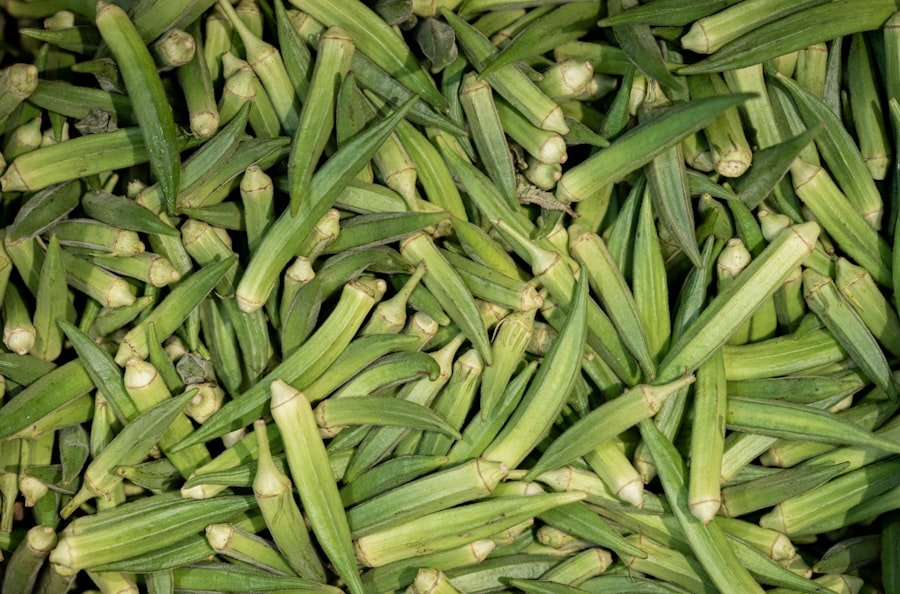
Giant okra is not only a visually striking vegetable but also a nutritional powerhouse.
A typical serving of giant okra provides a significant amount of dietary fiber, which aids in digestion and helps maintain a healthy gut.
Additionally, it is an excellent source of vitamin C, which plays a crucial role in boosting the immune system and promoting skin health. Moreover, giant okra contains important antioxidants such as flavonoids and polyphenols that help combat oxidative stress in the body. These compounds are known for their anti-inflammatory properties and may contribute to reducing the risk of chronic diseases such as heart disease and diabetes.
The presence of folate in giant okra is also noteworthy; this B-vitamin is essential for cell division and is particularly important for pregnant women to support fetal development.
How to Grow Giant Okra in Your Garden
| Okra Variety | Days to Maturity | Soil Temperature | Spacing |
|---|---|---|---|
| Clemson Spineless | 50-65 days | 70-95°F (21-35°C) | 12-18 inches apart |
| Red Burgundy | 55-70 days | 70-95°F (21-35°C) | 12-18 inches apart |
| Emerald | 50-60 days | 70-95°F (21-35°C) | 12-18 inches apart |
Growing giant okra in your garden can be a rewarding experience, especially for those who enjoy cultivating their own vegetables. The first step in successful cultivation is selecting a suitable location that receives full sunlight for at least six hours a day. Giant okra thrives in well-drained soil with a pH level between 6.0 and 7.0.
Before planting, it is advisable to amend the soil with organic matter such as compost or well-rotted manure to enhance fertility. Once the soil is prepared, seeds can be sown directly into the ground after the last frost date in your area. Planting should be done at a depth of about one inch, with seeds spaced approximately 12 inches apart to allow ample room for growth.
Regular watering is essential during the germination phase; however, care should be taken not to overwater, as this can lead to root rot. As the plants grow, they may require staking or support due to their height and weight, especially when bearing large pods.
Cooking and Recipes Using Giant Okra
The culinary versatility of giant okra makes it an exciting ingredient for home cooks and professional chefs alike. One popular method of preparation is frying, where the pods are sliced into rounds, coated in cornmeal or batter, and deep-fried until golden brown. This method enhances the natural flavor of the okra while providing a satisfying crunch that pairs well with dipping sauces.
Another delightful way to enjoy giant okra is by incorporating it into stews or curries. The pods can be chopped into bite-sized pieces and added to dishes like gumbo or vegetable curry, where they absorb flavors from spices and other ingredients while maintaining their unique texture. Roasting giant okra with olive oil, garlic, and herbs is another simple yet delicious option that brings out its natural sweetness while adding depth to any meal.
Health Benefits of Consuming Giant Okra
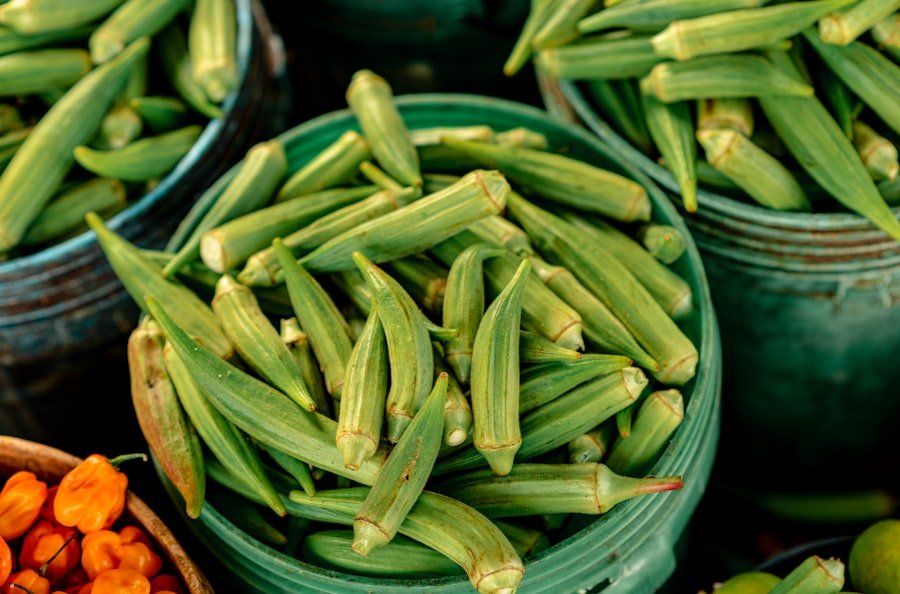
Incorporating giant okra into your diet offers numerous health benefits that extend beyond basic nutrition. The high fiber content aids in digestion by promoting regular bowel movements and preventing constipation. This can be particularly beneficial for individuals looking to manage their weight or improve their overall digestive health.
Additionally, the antioxidants found in giant okra play a significant role in reducing inflammation throughout the body. Chronic inflammation has been linked to various health issues, including arthritis and heart disease. By consuming foods rich in antioxidants like giant okra, individuals may help mitigate these risks while supporting their overall well-being.
Furthermore, the presence of vitamins A and C contributes to healthy skin and vision, making giant okra a valuable addition to any health-conscious diet.
Giant Okra in Different Cultures and Cuisines
Giant okra has found its way into various culinary traditions around the world, each culture showcasing its unique approach to this versatile vegetable. In Southern American cuisine, for instance, giant okra is often featured in gumbo—a hearty stew that combines meat or seafood with vegetables and spices. The slimy texture of cooked okra acts as a natural thickener for the dish, creating a rich and flavorful experience.
In Indian cuisine, giant okra is commonly used in dishes such as bhindi masala, where it is sautéed with onions, tomatoes, and spices like cumin and coriander. This preparation highlights the vegetable’s ability to absorb flavors while maintaining its distinct texture. Similarly, in Middle Eastern cooking, giant okra may be included in stews or served alongside rice dishes, showcasing its adaptability across different culinary landscapes.
Unique Ways to Incorporate Giant Okra in Your Meals
Beyond traditional cooking methods, there are numerous innovative ways to incorporate giant okra into your meals that can surprise your palate. One creative approach is to use giant okra as a filling for stuffed dishes. The pods can be hollowed out and filled with a mixture of grains, vegetables, and spices before being baked or steamed—a delightful twist on stuffed peppers or zucchini.
Another unique idea is to pickle giant okra for a tangy snack or condiment. By soaking the pods in a mixture of vinegar, water, salt, and spices, you can create a flavorful addition to sandwiches or charcuterie boards. This method not only preserves the vegetable but also enhances its taste profile, making it an exciting option for those looking to experiment with flavors.
Tips for Selecting and Preparing Giant Okra
When selecting giant okra at the market or grocery store, look for pods that are firm and vibrant green without any blemishes or soft spots. The size should be substantial but not overly large; excessively large pods may become tough and fibrous. Freshness is key; therefore, it’s best to choose okra that has been recently harvested.
Preparation of giant okra can vary depending on how you plan to use it.
If you prefer using it in stews or curries, slicing it into rounds or chunks can enhance its ability to absorb flavors from other ingredients while still providing a satisfying texture.
The Versatility of Giant Okra in Various Dishes
The versatility of giant okra extends beyond traditional recipes; it can be seamlessly integrated into various cuisines and meal types. For instance, it can serve as an excellent addition to salads when grilled or roasted—adding both flavor and texture while providing nutritional benefits. Pairing it with fresh greens, nuts, and a zesty dressing creates a refreshing dish that highlights the unique characteristics of giant okra.
Moreover, giant okra can be blended into smoothies for an unexpected twist on your morning routine. When combined with fruits like bananas or mangoes along with yogurt or plant-based milk, it adds creaminess without overpowering the flavor profile. This innovative use showcases how adaptable giant okra can be across different meal occasions—from appetizers to main courses and even breakfast options.
Embracing the Giant Okra as a Delicious and Nutritious Vegetable
As culinary enthusiasts continue to explore new ingredients and flavors, giant okra stands out as a deliciously unique vegetable that deserves attention on our plates. Its rich history, impressive nutritional profile, and versatility make it an excellent choice for those looking to diversify their meals while reaping health benefits. Whether you choose to grow it in your garden or seek it out at local markets, embracing giant okra opens up a world of culinary possibilities that can enhance both everyday meals and special occasions alike.
FAQs
What is giant okra?
Giant okra is a variety of okra that grows much larger than the standard okra varieties. It is known for its unusually large size and can be a popular novelty in home gardens.
How big can giant okra grow?
Giant okra can grow to be several inches longer than standard okra, with some specimens reaching lengths of 12 inches or more.
Is giant okra edible?
Yes, giant okra is edible just like standard okra. It can be cooked and eaten in the same way as regular okra, although the larger size may require different cooking techniques.
How is giant okra grown?
Giant okra is grown in a similar manner to standard okra, requiring warm temperatures and well-drained soil. It can be started from seeds and requires regular watering and sunlight to thrive.
Can giant okra be used in recipes?
Yes, giant okra can be used in recipes that call for okra. It can be sliced and added to soups, stews, and stir-fries, or breaded and fried as a side dish. Its larger size may require longer cooking times.
Where can I find giant okra seeds?
Giant okra seeds can be found through specialty seed suppliers, online retailers, or at local gardening stores. It may be less common than standard okra varieties, so it may require some searching to find.