The Glacier Express has linked Zermatt and St. Moritz since its first journey on June 25, 1930, and today it remains one of Switzerland’s best-known panoramic rail experiences. The full 291-kilometer route crosses 291 bridges and passes through 91 tunnels, but you do not have to ride the entire journey to see some of its finest scenery. The first panoramic Glacier Express trains arrived in 1993, and today’s carriages pair large windows with onboard dining, audio information, and comfortable seating while the train crosses the Swiss Alps.
Quick Answer
If you want one standout segment, choose Preda–Bergün on the Albula Line; Glacier Express itself calls it the most spectacular part of the route. For a longer partial ride, Andermatt–Chur combines the Oberalp Pass and Rhine Gorge. Chur–St. Moritz is especially strong for the Landwasser Viaduct and railway engineering.
Key Takeaways
- Best short scenic section: Preda–Bergün, where the Albula Line uses viaducts, spiral tunnels, and helical tunnels to climb through the mountains.
- Best longer partial journey: Andermatt–Chur for the 2,033-meter Oberalp Pass followed by the Rhine Gorge.
- Best for railway engineering: Chur–St. Moritz, including the Landwasser Viaduct and UNESCO-listed Albula Line.
- Best western section: Zermatt–Brig for the Matter Valley, Bis Glacier, Kipfen Gorge, villages, and mountain scenery.
- Important: A valid ticket and mandatory seat reservation are required on the Glacier Express, including when you hold many Swiss or international rail passes.
Which Glacier Express Section Has the Best Views?
If you have time for only one short portion of the Glacier Express route, Preda–Bergün is the strongest answer. The official Glacier Express route guide describes this stretch of the Albula Line as the most spectacular part of the journey. Six high viaducts, three spiral tunnels, and two helical tunnels help the railway overcome more than 400 meters of elevation difference.
This section also puts you close to the Landwasser Viaduct near Filisur. The 65-meter-high stone viaduct stretches 142 meters across the Landwasser valley and leads directly into a tunnel, making it one of the route’s signature railway scenes.
If you want a longer scenic partial journey rather than one concentrated highlight, Andermatt–Chur is an excellent choice. Leaving Andermatt, the line climbs to the Oberalp Pass at 2,033 meters, the highest point of the Glacier Express route. It then descends through the Surselva toward the Rhine Gorge, where pale rock walls rise around the winding Rhine.
Pro Tip: Do not choose a partial journey only by distance. Preda–Bergün is relatively short but packed with railway engineering, while Andermatt–Chur gives you a longer sequence of high-pass and gorge scenery.
The Route and Stops
The full Glacier Express route between Zermatt and St. Moritz covers approximately 291 kilometers, or 181 miles, and takes about eight hours on the main through services. According to Glacier Express, the route crosses 291 bridges and passes through 91 tunnels.
At the western end is Zermatt, the car-free mountain resort at the foot of the Matterhorn. Soon after leaving Zermatt in the direction of St. Moritz, passengers can look for Bis Glacier. Glacier Express notes that it appears on the left side of the direction of travel roughly ten minutes after departure. The railway then descends through the Matter Valley, including the narrow Kipfen Gorge near Kalpetran, before reaching Visp and Brig.
Beyond Brig, the route follows the Upper Valais through the Goms region and the Furka Base Tunnel toward Andermatt. From Andermatt it climbs to the Oberalp Pass before descending through Disentis and the Rhine Gorge to Chur. East of Chur, the train climbs again along the historic Albula Line, crossing major viaducts and twisting through mountain tunnels before reaching the Engadin and St. Moritz.
Brig, Andermatt, Chur, Filisur, and other stations appear on Glacier Express timetables, but the normal scheduled stops are not designed as sightseeing layovers. If you want to tour Stockalper Palace in Brig, walk around Chur’s old town, hike near Andermatt, or explore Filisur, plan a separate stopover, overnight stay, or regional-train itinerary rather than expecting to leave the Glacier Express and casually reboard the same reserved seat later.
Note: Partial Glacier Express journeys are possible on a number of station combinations, but you still need the correct ticket and mandatory seat reservation for the Glacier Express service you book.
The Best Time to Travel
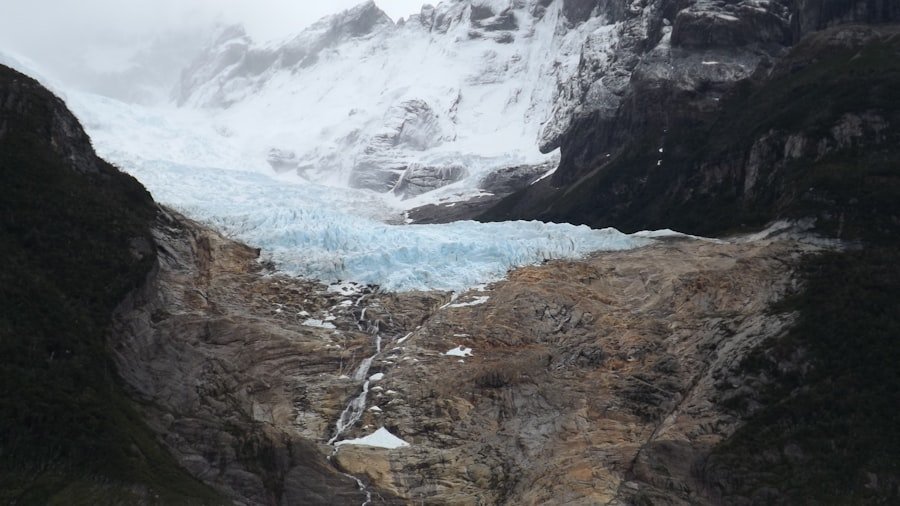
There is no single best season for every traveler. Your ideal date depends on the scenery you want to see.
Summer, especially June through September, offers long daylight hours, green valleys, alpine meadows, and good visibility when the weather cooperates. It is also a busy period, so popular departures can fill well in advance.
Winter changes the journey completely. Snow can cover the Oberalp Pass, mountain slopes, forests, and villages, creating the classic winter-Alps look. Daylight is shorter, however, and seasonal operating dates need closer attention.
Late spring and early autumn can provide attractive transitional scenery, but do not assume the branded Glacier Express operates every day of the year. For example, the official 2026 timetable lists a summer timetable from May 2 through October 10 and states that Glacier Express trains will not run from October 11 through December 4, 2026.
Weather matters as much as season. Low cloud, rain, snowfall, or fog can hide mountain peaks on any date, while a clear winter day can provide better distant views than an overcast summer afternoon.
Breathtaking Views Along the Route
| Section / Landmark | What You See | Best For |
| Preda–Bergün | High viaducts, spiral tunnels, helical tunnels, forests, and dramatic elevation changes | Best concentrated scenic section |
| Oberalp Pass | High-alpine scenery at 2,033 meters, with snow in winter and alpine landscapes in warmer months | Mountain-pass scenery |
| Rhine Gorge | Pale rock walls, forest, and the turquoise Rhine winding through the gorge | Natural landscape |
| Landwasser Viaduct | A 65-meter-high, 142-meter-long curved stone viaduct leading directly into a tunnel near Filisur | Classic railway photography |
| Zermatt–Brig | Matter Valley villages, Bis Glacier, steep mountainsides, bridges, and Kipfen Gorge | Western Alpine scenery |
One of the defining features of the Glacier Express is how quickly the landscape changes. Rather than offering one uninterrupted mountain panorama, the route moves between narrow valleys, high passes, deep gorges, forested slopes, traditional villages, rivers, and major railway structures.
The Oberalp Pass is particularly memorable because it is the highest point of the journey at 2,033 meters, or about 6,670 feet. The nearby landscape can look completely different from season to season, from deep winter snow to green summer slopes.
The Landwasser Viaduct is another major highlight. It rises 65 meters above the valley and stretches 142 meters before the railway disappears directly into a rock tunnel. The nearby Albula Line is also part of the UNESCO-listed Rhaetian Railway in the Albula/Bernina Landscapes.
The official Glacier Express route guide describes Preda–Bergün as the most spectacular part of the route, where viaducts and looping tunnels overcome more than 400 meters of elevation difference.
At the Zermatt end, the Matterhorn forms the famous backdrop to the destination. Mountain visibility is weather-dependent, so treat any Matterhorn sighting as a potential highlight rather than a guaranteed uninterrupted view from your seat.
The Glacier Express Experience
Traveling on the Glacier Express is more than ordinary point-to-point transportation. Modern carriages use large panoramic windows to open the view across the surrounding landscape, while first- and second-class seating provide tables and comfortable space for the long journey. Excellence Class adds a more exclusive layout and service for travelers completing the full Zermatt–St. Moritz journey.
According to the official class overview, onboard features can include digital infotainment, an audio guide, Wi-Fi where reception permits, power outlets, and lowerable windows on entrance doors that help passengers take photographs without reflections from the main panoramic glass.
Dining is another part of the experience. Glacier Express says its dishes are prepared fresh using regional and seasonal ingredients and served at passengers’ seats. The precise menu varies, so it is more accurate to expect Swiss and Alpine-inspired seasonal food rather than assume that a particular dish such as fondue or rösti will always be available.
Passengers in first and second class can pre-order meals, while Excellence Class includes an expanded culinary program. The onboard audio guide and digital infotainment provide information about landmarks and the train’s position during the journey.
Activities and Attractions Along the Way
The Glacier Express route connects several destinations that are worth more than a few minutes at a station. If you want to combine the scenic train with local activities, build those stops into a multi-day itinerary.
In Zermatt, travelers can hike in summer, ski in winter, or take the Gornergrat Railway for elevated views across the mountain landscape surrounding the Matterhorn. Because Zermatt is car-free, rail travel is already central to most visits.
Andermatt works well for travelers interested in hiking, mountain biking, skiing, and the high Alpine passes surrounding the village. Spending a night there also gives you more time to experience the landscape rather than seeing it only through the train windows.
Brig is known for Stockalper Palace and makes a convenient base for exploring the Upper Valais. Chur offers an old town, museums, restaurants, and connections across Graubünden. Filisur is particularly attractive to railway enthusiasts because of its proximity to the Landwasser Viaduct and Albula Line.
The important distinction is that these are stopover ideas, not activities you can normally complete during the Glacier Express’s brief scheduled station stops.
Tips for Making the Most of Your Journey
Book early when your travel date is fixed. A Glacier Express journey requires both a valid rail ticket and a mandatory seat reservation. The official price and reservation page states that first- and second-class seat reservations are released up to 93 days before travel, while tickets are available up to 180 days ahead.
If you already hold a Swiss Travel Pass, Eurail Pass, Interrail Pass, or another accepted travel card, check what portion of the rail fare it covers. A qualifying pass may cover the ticket, but the Glacier Express seat reservation remains a separate requirement.
Arrive at your departure station with enough time to locate the platform and carriage without rushing. This is especially useful at the beginning of a full-day journey when luggage, meals, and seat numbers need to be settled before departure.
Dress in layers. The carriage is comfortable, but your day may begin and end at very different elevations and temperatures, especially if you plan to spend time outdoors in Zermatt, Andermatt, Chur, or St. Moritz.
For photography, panoramic windows give a wide field of view but can create reflections. Avoid placing bright clothing or illuminated phone screens close to the glass. Glacier Express also provides lowerable windows at carriage entrance doors for clearer photographs. Follow onboard instructions and keep cameras and your body safely inside the train.
There is no single side of the carriage that wins for every highlight. The route twists, changes direction, and presents important scenery on both sides. If seat selection is available, use it, but do not assume choosing the “wrong” side will ruin the trip. One specific official tip is that, when traveling from Zermatt toward St. Moritz, Bis Glacier can be seen on the left roughly ten minutes after leaving Zermatt.
Warning: Do not lean out of an open or lowerable train window to take photographs. Use the designated window only as permitted and follow crew instructions.
Other Scenic Train Routes in Switzerland
Switzerland has several panoramic rail journeys that complement the Glacier Express. The Bernina Express runs between Graubünden and Tirano in Italy, crossing the UNESCO-listed Albula and Bernina railway landscape. It is especially strong for travelers who want glaciers, high mountain terrain, major viaducts, and the dramatic transition toward the warmer climate south of the Alps.
The GoldenPass route provides a different experience. The current GoldenPass Express operates between Interlaken and Montreux, while travelers continuing toward Lucerne use connecting services. The scenery shifts from mountain country to lakes, villages, and the Lake Geneva region.
The Gotthard Panorama Express combines rail travel over the historic Gotthard route with a boat journey on Lake Lucerne. According to Switzerland Tourism, the named panoramic service operates seasonally from April through October rather than throughout winter.
If the Glacier Express is your main goal, use these other trains as complementary experiences rather than substitutes. Each emphasizes a different mix of mountain landscapes, railway engineering, lakes, and regional culture.
For travelers deciding how much of the Glacier Express to book, the simplest approach is to match the section to your priority: Preda–Bergün for the most concentrated railway drama, Andermatt–Chur for a high pass plus gorge, Chur–St. Moritz for the Albula Line and Landwasser Viaduct, or Zermatt–Brig for the Matter Valley. The complete route combines all of them into one long panoramic journey.
Frequently Asked Questions
What is the Glacier Express?
The Glacier Express is a panoramic Swiss train service linking Zermatt and St. Moritz across the Alps. The full route is about 291 kilometers long, crosses 291 bridges, passes through 91 tunnels, and takes roughly eight hours.
What is the best section of the Glacier Express for views?
For a short section, Preda–Bergün is the standout choice because Glacier Express itself describes it as the most spectacular part of the route. For a longer partial journey, Andermatt–Chur combines the Oberalp Pass with the Rhine Gorge.
What are the biggest highlights between Zermatt and St. Moritz?
Major highlights include the Matter Valley near Zermatt, Kipfen Gorge, the Upper Valais, the Oberalp Pass, Rhine Gorge, Landwasser Viaduct, the spiral and helical tunnels of the Albula Line, and the Engadin near St. Moritz.
How long does the Glacier Express take from Zermatt to St. Moritz?
The complete panoramic journey takes approximately eight hours, although exact departure and arrival times vary by train and timetable period.
Are there other Glacier Express sections with great views?
Yes. Chur–St. Moritz is excellent for the Albula Line and Landwasser Viaduct, while Zermatt–Brig provides mountain and valley scenery around the Matter Valley. Andermatt–Chur is especially good if you want both the Oberalp Pass and Rhine Gorge.
Can I ride only part of the Glacier Express?
Yes. Glacier Express publishes fares for several partial routes, including combinations involving Zermatt, Brig, Andermatt, Chur, Filisur, and St. Moritz. Availability depends on the specific train and timetable, and a mandatory seat reservation still applies.
Which side of the Glacier Express should I sit on?
There is no universally best side for the entire trip because the railway curves through valleys and changes orientation. Important scenery appears on both sides. When traveling from Zermatt toward St. Moritz, one official route tip is that Bis Glacier appears on the left roughly ten minutes after leaving Zermatt.
Do I need a seat reservation on the Glacier Express?
Yes. Glacier Express requires a valid ticket and a separate mandatory seat reservation. Many rail passes can cover some or all of the basic ticket fare, but they do not remove the reservation requirement.
Does the Glacier Express operate all year?
Not continuously. The branded Glacier Express has seasonal schedules and planned operating breaks. For example, the official 2026 timetable states that no Glacier Express trains run from October 11 through December 4, 2026. Always check the current timetable for your travel date.
Sources
- Glacier Express — Route — official route highlights, Preda–Bergün, Oberalp Pass, Rhine Gorge, Landwasser Viaduct, and Matter Valley information.
- Glacier Express — Timetable — current departure times, stations, mandatory reservations, and 2026 operating dates.
- Glacier Express — Prices and Reservations — partial-route fares, accepted passes, ticket rules, and reservation requirements.
- Glacier Express — History — first journey and the introduction of panoramic trains in 1993.
- Glacier Express — Train Classes — panoramic windows, seating, infotainment, audio guide, Wi-Fi, and photography windows.
- Glacier Express — Gastronomy — current onboard dining, regional ingredients, meal service, and pre-order information.