Disclosure: As an Amazon Associate, we earn from qualifying purchases. If you click a link on this page and make a purchase, we may receive a small commission at no extra cost to you.
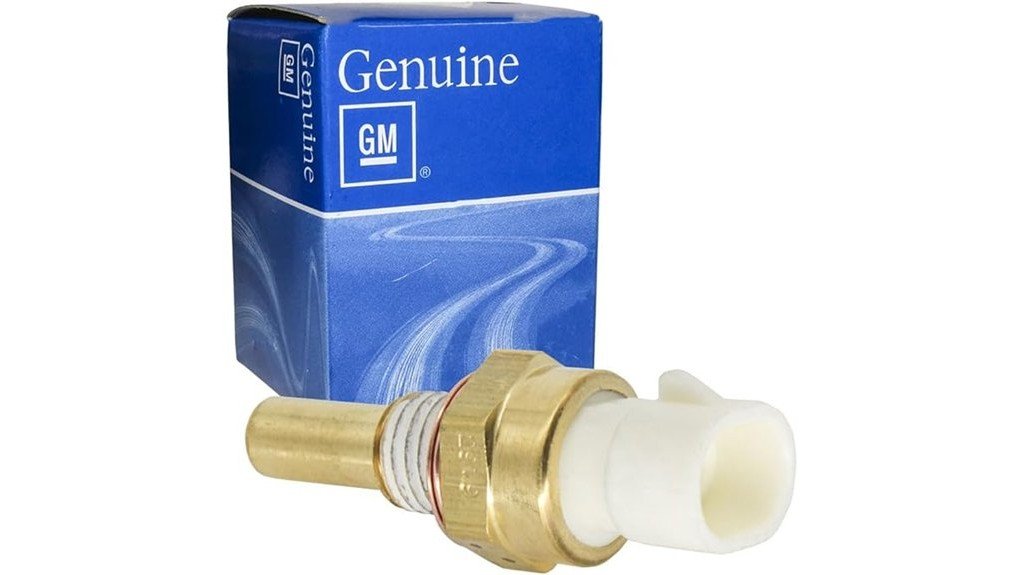
A failed engine coolant temperature sensor can cause hard starts, poor fuel control, an incorrect temperature reading, or a warning light. The GM Genuine Parts 213-4333, also identified as GM part 12608814, is an original-equipment replacement designed for compatible GM applications. Its main strength is OE fit, form, and function, but it is not a universal sensor, so you must confirm fitment before ordering. This review explains its verified specifications, installation concerns, real-world value, and the situations in which an aftermarket option may make more sense.
Quick Verdict
Rating: 8.5/10, recommended with fitment caveats
Best For: Owners of compatible GM vehicles who want an OE replacement sensor
Bottom Line: The 213-4333 gives you GM OE specifications, a two-terminal oval connector, and direct-replacement design. The tradeoff is strict vehicle and engine compatibility, so the part number must match your application.
Key Takeaways
- GM lists this part as GM 12608814 and ACDelco 213-4333.
- It is a GM OE engine coolant temperature sensor, not a universal replacement for every GM vehicle.
- The official specifications include a 19 mm tool size, an oval connector, two blade terminals, and an 8.3 mm threaded-end diameter.
- The sensor sends engine-temperature information used by the engine control module for air and fuel mixture and ignition-timing decisions.
- Amazon lists a ceramic and polymer construction, 2.7 x 1.6 x 0.8-inch dimensions, a 1-millisecond response specification, and a 260°F upper temperature rating.
- Correct diagnosis matters because a thermostat, wiring fault, low coolant level, or connector problem can create similar symptoms.
| Specification | Detail |
|---|---|
| Brand | GM Genuine Parts |
| ACDelco part number | 213-4333 |
| GM part number | 12608814 |
| Product type | Engine coolant temperature sensor |
| Classification | GM OE replacement |
| Connector | Oval, male connector |
| Terminals | Two blade terminals |
| Head tool measurement | 19 mm |
| Threaded-end diameter | 0.33 inch / 8.3 mm |
| Listed resistance | 88 ohms |
| Material | Ceramic and polymer |
| Item dimensions | 2.7 x 1.6 x 0.8 inches |
| Package quantity | One coolant sensor |
| Warranty | 24 months/unlimited miles limited parts warranty, subject to GM terms |
| Compatibility | Selected Buick, Cadillac, Chevrolet, GMC, and other GM-related applications; verify by VIN, year, model, engine, and OE number |
Why You Should Choose GM Genuine Parts 213-4333 for Your Vehicle
The GM Genuine Parts 213-4333 is a threaded engine coolant temperature sensor made as an OE replacement for compatible vehicles. GM states that the sensor monitors engine temperature and supplies a signal that the engine control module uses when adjusting the air and fuel mixture and ignition timing.
The main reason to choose this model is part-number confidence. When your vehicle calls for GM 12608814 or ACDelco 213-4333, you get a component manufactured to GM OE specifications for fit, form, and function. That can reduce the uncertainty that comes with an unverified low-cost sensor.
This part is most useful when testing confirms the original sensor is faulty. It should not be treated as an automatic fix for every overheating complaint, rich or lean condition, rough cold start, or temperature-gauge problem.
Before You Buy: Do not order by appearance alone. Confirm GM part 12608814 or ACDelco 213-4333 against your VIN, model year, engine, connector, and original sensor.
Who Should Buy It?
Best For
- Your service information specifies GM 12608814 or ACDelco 213-4333.
- You want a GM OE replacement instead of an unknown aftermarket sensor.
- You have confirmed the sensor itself is faulty through scan data or electrical testing.
Skip If
- Your VIN or engine requires a different coolant temperature sensor.
- The real fault is damaged wiring, a corroded connector, low coolant, or a stuck thermostat.
- You need a complete repair kit with a connector, seal, coolant, or installation tools.
Why the Coolant Temperature Signal Matters
The engine control module needs a believable coolant-temperature signal during cold starts, warm-up, normal driving, and high-temperature operation. That signal helps the vehicle decide how to manage fueling and ignition timing. It may also affect cooling-fan strategy and the temperature information shown to the driver, depending on the vehicle.
A faulty sensor can report a temperature that is too high, too low, fixed, or intermittent. The result may include a check-engine light, poor cold starting, rich fuel operation, cooling-fan problems, or a reading that does not match actual engine temperature. These symptoms are not unique to the sensor, so diagnosis should come before replacement.
Feature-by-Feature Review
OE Fit and Compatibility
GM identifies this unit as part 12608814 and ACDelco identifies it as 213-4333. The official catalog lists many applications across Buick, Cadillac, Chevrolet, GMC, and related GM vehicles, but fitment varies by year, trim, and engine. An online fitment tool is helpful, but your VIN and the original part number are stronger checks.
Connector and Threaded Design
The official specifications show an oval male connector with two blade terminals. The threaded end measures 0.33 inch, or 8.3 mm, and the hex is sized for a 19 mm tool. These concrete details help you compare the replacement with the old sensor before installation.
Materials and Operating Specifications
The Amazon listing identifies ceramic and polymer materials, a 1-millisecond response specification, and an upper temperature rating of 260°F. Those figures describe the listed product design, but they are not a substitute for vehicle-specific diagnostic data or the service manual’s expected temperature and resistance values.
Size and Package Contents
The listed dimensions are 2.7 x 1.6 x 0.8 inches, and the package contains one coolant sensor. Do not assume that a new electrical connector, thread sealant, sealing washer, or coolant is included. Inspect the listing and your repair procedure before starting the job.
Warranty Coverage
GM lists a 24-month, unlimited-mile limited parts warranty, with labor coverage noted when the part is installed by a GM dealer. Warranty details and eligibility can vary by seller and installation method, so review the current terms before purchase.
What Buyer Feedback Suggests
At the time this article was reviewed in July 2026, Amazon displayed a 4.6 out of 5-star rating from 901 customer ratings. That makes it a consistently well-reviewed option, but ratings do not confirm fitment for your specific vehicle.
The most useful buyer feedback focuses on correct fit and restored temperature-sensor operation. Poor outcomes are more likely when the wrong part is ordered or the underlying problem is elsewhere in the cooling or electrical system.
How It Performs in Real Use
During Cold Starts
When the sensor and circuit work correctly, the engine control module receives temperature information it can use during cold-start fueling and warm-up. Replacing a failed sensor may restore normal behavior, but it will not improve a system that was already working correctly.
In Traffic and Hot Weather
The sensor helps the vehicle monitor engine temperature during low-speed driving and heat soak. It does not cool the engine by itself. A weak cooling fan, low coolant level, restricted radiator, water-pump problem, or faulty thermostat still needs separate repair.
When Diagnosing a Warning Light
A scan tool can help you compare the reported coolant temperature with ambient temperature before a cold start and with expected warm-engine readings later. Sudden jumps, impossible readings, or no change may point to the sensor, connector, or wiring.
For Long-Term Maintenance
An OE sensor can be a sensible replacement when your vehicle requires this exact part number. Long-term reliability also depends on a clean connector, intact wiring, correct coolant level, proper installation torque, and a leak-free cooling system.
Installation and Setup Tips
Installation difficulty depends on sensor location and engine layout. Some applications provide easy access, while others may require removing nearby components. Always use the vehicle’s service information for the exact location, coolant-draining procedure, torque specification, and bleeding method.
- Let the engine cool completely. Never open a pressurized cooling system while it is hot.
- Confirm the replacement part. Compare the connector, threads, and part number with the original sensor.
- Lower the coolant level as required. Follow the service manual so coolant does not spill excessively when the sensor is removed.
- Inspect the connector and wiring. Repair damaged terminals, corrosion, broken locks, or brittle wires before blaming the new sensor.
- Use the correct tool. The listed head tool measurement is 19 mm, but access may require a deep socket or suitable wrench.
- Follow the specified sealing method. Do not automatically add Teflon tape or sealant. Use only what the service procedure or part instructions require.
- Tighten to the vehicle specification. Overtightening can damage the sensor or threaded port.
- Refill and bleed the cooling system. Use the correct coolant type and check for leaks after the engine reaches operating temperature.
- Verify the repair. Clear related diagnostic codes when appropriate and confirm that scan-tool temperature data changes smoothly.
Pro Tip: Before removing the old sensor, compare scan-tool coolant temperature with ambient temperature after the vehicle has sat overnight. A large mismatch can support the diagnosis, but wiring faults can create the same result.
Compatibility and Safety
This sensor contacts engine coolant and is installed in a pressurized, high-temperature system. Work only on a fully cooled engine, contain spilled coolant, and keep coolant away from children and pets. Dispose of used coolant according to local rules.
The official GM listing includes a California Proposition 65 warning. Follow the product label and wash your hands after handling automotive parts and fluids. Choose professional installation when the sensor is difficult to access, the cooling system cannot be bled safely, or diagnosis is uncertain.
Pros and Cons
Pros
- GM OE part with confirmed GM 12608814 and ACDelco 213-4333 identifiers
- Manufactured to GM specifications for fit, form, and function
- Clear connector, terminal, thread, and tool-size specifications
- Compact single-sensor package for direct replacement applications
- 24-month, unlimited-mile limited parts warranty under stated GM terms
Cons
- Fitment is highly specific and cannot be confirmed by appearance alone
- The package may not include a connector, sealant, washer, tools, or coolant
- Replacing the sensor will not fix thermostat, wiring, connector, or cooling-system faults
Is It Worth the Price?
The 213-4333 offers strong value for the price when your vehicle specifically requires GM 12608814 and you prefer an OE component. Its value comes from documented GM specifications and direct-replacement intent, not from extra accessories or a broad universal fit.
A cheaper aftermarket sensor may be reasonable for a budget repair, but the savings are less useful if connector shape, calibration, or fitment is wrong. This GM part is not the best fit when diagnosis is incomplete or you also need a damaged mating connector repaired.
How It Compares to Alternatives
Cross-reference catalogs list the Delphi TS10076 and Standard Motor Products TX16 or TX89 as possible alternatives for GM 12608814 applications. These can be worth comparing when price or local availability matters, but you should still verify the exact vehicle and engine before buying.
The GM Genuine Parts 213-4333 makes the most sense when OE specification and part-number traceability are your priorities. An aftermarket alternative may make more sense when a trusted catalog confirms fitment and you prefer its price, warranty, or local availability.
Frequently Asked Questions
Is the GM 213-4333 compatible with every GM vehicle?
No. It fits selected applications and must match your year, model, engine, connector, and OE part number. Confirm fitment with your VIN or official service information before ordering.
What is the difference between 213-4333 and 12608814?
They identify the same sensor in the official catalog. ACDelco uses part number 213-4333, while GM lists part number 12608814.
Can a bad coolant temperature sensor cause poor fuel economy?
A false temperature signal can affect the engine control module’s fueling decisions and may contribute to rich operation. Replacing a confirmed faulty sensor can restore proper control, but it does not create extra fuel savings when the original sensor is working normally.
Can I install the GM 213-4333 myself?
You may be able to install it if the sensor is accessible and you can safely drain, refill, and bleed the cooling system. Use the vehicle service manual and seek professional help when access, diagnosis, or coolant bleeding is uncertain.
Should I put Teflon tape on the sensor threads?
Do not add tape automatically. Follow the vehicle service procedure and the instructions supplied with the part because the required sealing method can vary, and excess material may interfere with installation.
What comes in the package?
The verified listing shows one coolant sensor. Check the seller’s current package details if you also need a connector, sealing component, coolant, or installation tools.
How do I know the sensor is the real problem?
Check diagnostic codes, live coolant-temperature data, connector condition, wiring continuity, coolant level, and thermostat operation. A technician can compare sensor readings with actual engine temperature when the cause is unclear.
How long should the GM 213-4333 last?
GM does not publish a fixed service-life interval for this sensor in the verified product details. Replace it when testing shows failure, rather than using an unsupported age or mileage estimate.
The Bottom Line
The GM Genuine Parts 213-4333 is a strong choice when your vehicle calls for GM 12608814 and you want an OE replacement with documented connector, thread, and tool-size details. Buy it after confirming fitment and diagnosis; skip it when your vehicle needs another part number or the fault lies in the thermostat, coolant system, connector, or wiring.
Ready to Buy?
Check the latest price, seller details, and vehicle fitment before you decide.