A small yellow tree fruit may be a loquat, kumquat, yellow plum, lemon, yellow cherry, crabapple, calamondin, apricot, or nance fruit. You can narrow the possibilities by checking its shape, peel, internal structure, pits or seeds, leaves, fruit stems, scent, location, and ripening season. Never taste an unknown fruit to identify it.
Last updated: July 23, 2026
This guide helps you compare common small yellow fruits that grow on trees, recognize useful identification clues, understand seed and pit hazards, and decide when you need help from a local plant expert.
Quick Answer
An oval yellow-orange fruit growing in clusters with several large seeds may be a loquat. A tiny citrus fruit with fragrant peel and segmented flesh may be a kumquat or calamondin. A fruit with one hard pit may be a plum, cherry, or apricot. Confirm the tree before eating anything.
Key Takeaways
- Color alone cannot identify a fruit. Examine the fruit, leaves, flowers, bark, location, and season together.
- Loquats usually grow in clusters and contain several large smooth seeds.
- Kumquats and calamondins have fragrant citrus peel and segmented flesh.
- Plums, cherries, and apricots have one central stone or pit.
- Crabapples have an apple-like core with several small seeds rather than one pit.
- Do not taste unknown fruit or chew, crack, grind, or blend unidentified seeds and pits.
Warning: A photo match, phone app, fruit color, or common name is not enough to confirm that a fruit is edible. Some trees have edible flesh but potentially harmful seeds, pits, leaves, stems, or unripe parts.
Common Small Yellow Tree Fruits Compared
| Fruit | Recognition Clues | Inside the Fruit | Common Uses |
|---|---|---|---|
| Loquat | Oval yellow to orange fruit in clusters; broad evergreen leaves with toothed edges and prominent veins | Soft flesh with several large, smooth brown seeds | Fresh ripe flesh, jam, sauce, chutney |
| Kumquat | Tiny oval orange or yellow-orange citrus fruit with fragrant, thin peel | Segmented tart pulp with a few seeds; peel is commonly eaten | Eating whole, marmalade, salads, garnish |
| Calamondin | Small round citrus fruit that changes from green to yellow-orange or orange; strongly scented peel | Segmented, very tart flesh with seeds | Juice, preserves, sauces, drinks |
| Yellow Plum | Round or oval fruit with smooth yellow skin and a short stem | Juicy flesh surrounding one hard pit | Fresh eating, baking, compote, preserves |
| Yellow Cherry | Small round yellow or yellow-red fruit on a slender cherry-like stem | Thin skin, juicy flesh, and one central pit | Fresh eating, pies, sauces, preserves |
| Apricot | Round yellow to orange fruit, often with softly fuzzy skin and a visible seam | Soft flesh with one flattened pit | Fresh eating, drying, baking, preserves |
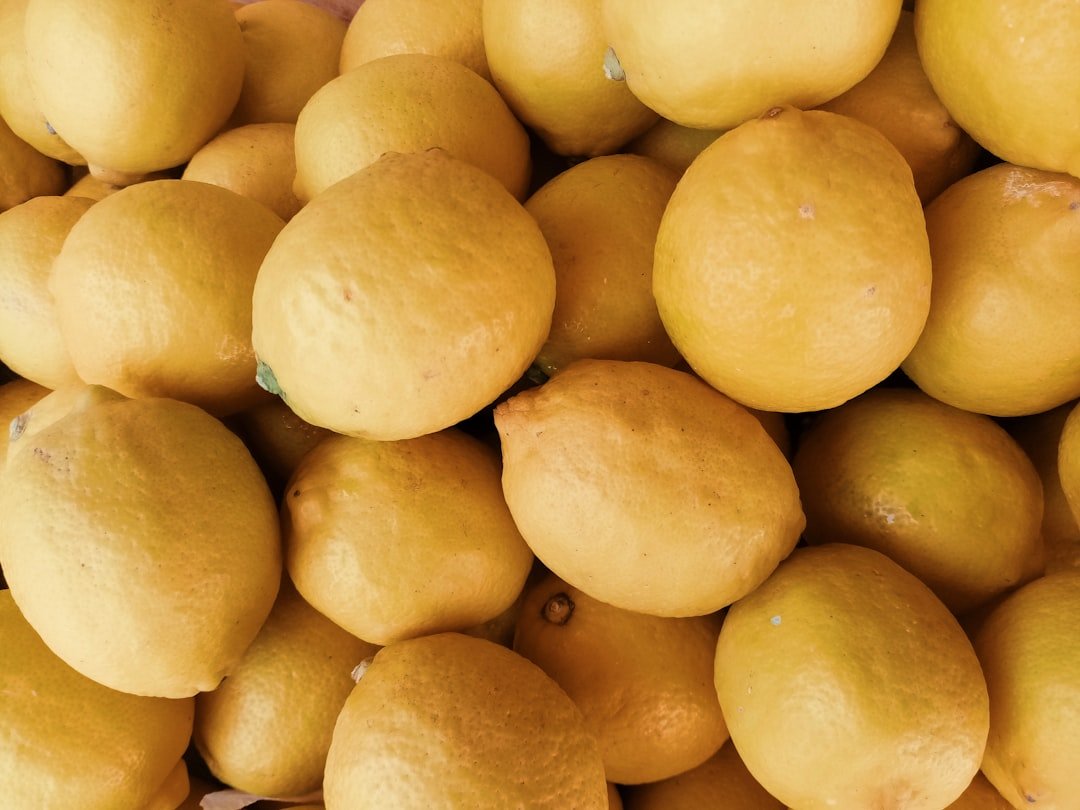
| Lemon | Yellow oval citrus fruit with fragrant peel; many cultivars have a pointed or nipple-shaped end | Segmented acidic flesh with juice sacs and possible seeds | Juice, zest, dressings, drinks, desserts |
| Yellow Crabapple | Small apple-like fruit, often growing in clusters; blossom end usually has a small star-shaped calyx | Firm flesh with an apple-like core and several small seeds | Jelly, cider, sauce, cooking |
| Nance Fruit | Small round yellow to yellow-orange fruit with a noticeable aroma; found mainly in tropical parts of the Americas | Fibrous pulp surrounding a hard stone | Fresh eating, drinks, sweets, preserves |
How Do You Identify a Small Yellow Fruit Tree?
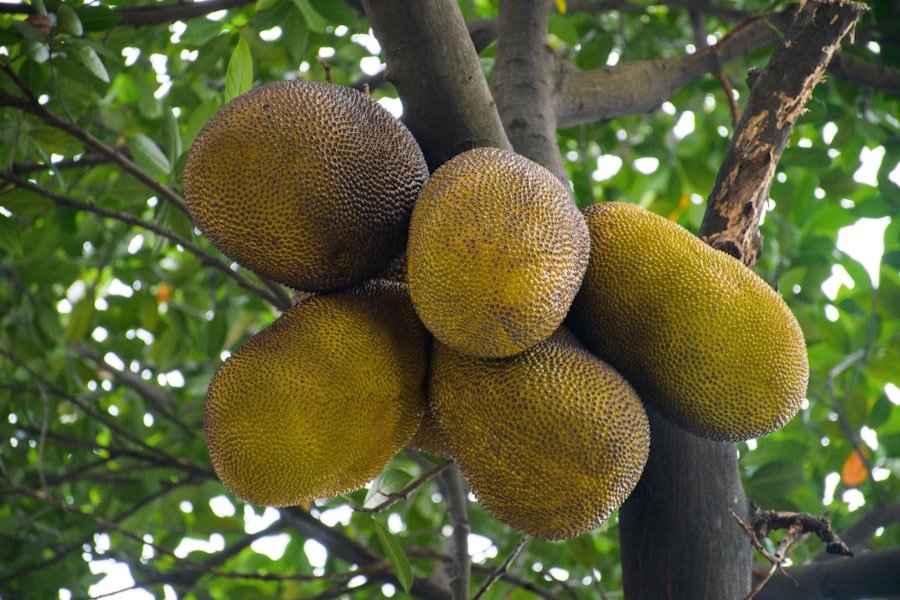
Start with the fruit, but confirm your answer with the rest of the tree. Several unrelated fruits become yellow, gold, or yellow-orange when ripe. One matching feature is not enough for a safe identification.
1. Measure the Fruit and Record Its Shape
Note whether the fruit is round, oval, pear-shaped, flattened, or pointed at one end. Place a ruler or coin beside it when taking a photograph. Loquats are commonly oval, while cherries and many crabapples are round. Kumquats are often oval, while calamondins are usually round.
2. Examine the Peel Without Tasting It
Look for smooth, fuzzy, waxy, thin, thick, or dimpled skin. Gently scratching the peel of a fruit you already know is safe can release identifying aromas, but do not cut, taste, or handle an unknown fruit if it has irritating sap or causes skin discomfort.
Citrus peel usually has visible oil glands and a strong fragrance. Apricot skin is often softly fuzzy. Plum, cherry, loquat, and crabapple skin is generally smooth.
3. Check the Internal Structure Safely
Only cut the fruit after you have ruled out obvious hazards and can handle it safely. Wear gloves when the plant is completely unknown. Record whether it has:
- Several citrus segments: lemon, kumquat, calamondin, or another citrus fruit
- One hard stone or pit: plum, cherry, apricot, or nance
- Several large smooth seeds: loquat
- A firm core with several small seeds: crabapple or another apple relative
Seed count helps narrow the options, but it does not prove that the fruit is edible.
4. Study the Leaves
Record whether the leaves are evergreen or deciduous, arranged opposite each other or alternately, and whether their edges are smooth or toothed. Also note their size, surface texture, veins, and underside.
UC Statewide IPM describes loquat leaves as toothed with large, prominent veins. The trees are evergreen and produce clusters of small white flowers followed by yellow or orange fruit.
5. Look at Stems, Flowers, Bark, and Thorns
A long slender fruit stem supports a cherry identification, while a star-shaped calyx at the blossom end suggests an apple or crabapple. Horizontal marks called lenticels are common on many cherry and plum branches. Citrus trees may have thorns, but thorn presence varies by species, cultivar, rootstock, and age.
Photograph flowers if they are present. Flower color, petal count, cluster shape, and bloom season can be more useful than fruit color alone.
6. Record the Location and Season
Climate and season can eliminate unlikely choices. Loquats, kumquats, lemons, calamondins, plums, cherries, apricots, crabapples, and nance do not share the same cold tolerance or harvest season. Write down the country or region, month, recent weather, and whether the tree is cultivated, wild, or part of a public landscape.
Pro Tip: Take clear photographs of the whole tree, both sides of a leaf, the fruit cluster, fruit stem, bark, flowers, and a safely cut fruit beside a ruler. This gives an extension agent or botanist far more evidence than a close-up of one yellow fruit.
Loquat: A Common Small Yellow-Orange Tree Fruit
A loquat is one of the most likely answers when an unknown fruit is oval, yellow to orange, and growing in clusters. Ripe fruit has soft, aromatic, sweet-tart flesh and commonly contains several large brown seeds.
The tree provides stronger identification clues than the fruit color. Loquat leaves are evergreen, broad, leathery, toothed, and strongly veined. UC IPM states that Eriobotrya japonica produces edible fruit but warns that not every species in the Eriobotrya genus does.
Eat only ripe flesh from a positively identified edible loquat. Remove every seed before eating, cooking, puréeing, or serving the fruit to a child. Do not chew or crack the seeds.
Kumquat vs. Loquat: What Is the Difference?
Kumquat and loquat sound similar, but they are not close substitutes for identification purposes. Kumquat is a citrus fruit with fragrant peel and segmented flesh. Loquat belongs to the rose family and has soft flesh around several large seeds.
UC Agriculture and Natural Resources explains that kumquats are commonly eaten whole. Their peel is sweet, while their pulp is tart. Confirm that the fruit is a known edible kumquat before eating the peel.
- Kumquat: Citrus scent, visible segments, thin edible peel, and a few small seeds
- Loquat: No citrus segments, broad veined leaves, soft flesh, and several large seeds
These differences help narrow an identification, but you should still compare the leaves, flowers, fruit attachment, tree form, region, and season.
Yellow Plums, Cherries, Apricots, and Other Stone Fruits
Plums, cherries, and apricots are stone fruits. Their edible flesh surrounds one hard pit or stone. Yellow plums are often smooth-skinned and round or oval. Yellow sweet cherries are usually smaller and attached to long slender stems. Apricots are commonly round, softly fuzzy, and marked by a shallow seam.
University of Minnesota Extension groups plums, cherries, peaches, and apricots as stone fruits because they contain a central pit. It also recommends sunny, well-drained sites for home cultivation.
Warning: Do not chew, crack, grind, or blend plum, cherry, apricot, or related stone-fruit pits. NC State Extension identifies cyanogenic compounds in several Prunus seeds and warns that breaking the pit can expose the seed inside.
If an unknown yellow fruit has one pit, compare the stem, leaf shape, bark, skin texture, fruit seam, flowers, region, and ripening season before calling it a plum, cherry, or apricot.
Lemons, Calamondins, and Other Small Citrus Fruits
A yellow fruit with fragrant, dimpled peel and clearly divided internal segments is likely a citrus fruit. Lemon is one possibility, but small yellow or yellow-orange citrus fruits may also be calamondins, kumquats, or other cultivated citrus varieties.
Lemons are usually oval and acidic. Kumquats are much smaller and often oval, with sweet peel and tart pulp. Calamondins are usually small and round, with sour segmented flesh and an aromatic peel.
Citrus ID can still be difficult because fruit color and size change with cultivar, climate, maturity, and growing conditions. Check leaf shape, thorns, fruit size, peel thickness, number of segments, seed count, and tree growth habit.
Yellow Crabapples and Other Apple-Like Fruits
A small yellow fruit with firm flesh, several small seeds in a central core, and a star-shaped calyx at the blossom end may be a crabapple. Crabapples often grow in clusters and can remain on the tree after their leaves begin changing color.
Do not confuse an apple-like core with the single pit found in a plum or cherry. Some ornamental crabapples are very sour or mealy even when they are not considered poisonous. Fruit from public plantings may also have been treated with pesticides or exposed to road pollution.
Nance Fruit in Tropical Regions
Nance, botanically known as Byrsonima crassifolia, is a small yellow to yellow-orange fruit found mainly in tropical parts of Mexico, Central America, South America, and the Caribbean. It has a noticeable aroma and fibrous pulp surrounding a hard stone.
Nance may be eaten fresh or prepared in drinks, sweets, and preserves where it is traditionally cultivated and sold as food. Because the name can refer to different regional plants or products, confirm the scientific identity before eating fruit from an unfamiliar tree.
Are Small Yellow Tree Fruits Safe to Eat?
Many small yellow tree fruits are edible after correct identification, but yellow color does not indicate safety. Some fruits are edible only when ripe. Others have edible flesh but seeds, pits, leaves, stems, or kernels that should not be eaten.
Loquat is one example. NC State Extension lists the seeds as the poisonous part and identifies cyanogenic glycoside as the toxic principle. It describes the overall risk as low but notes concern when multiple cracked seeds are eaten.
Plum, cherry, apricot, and other Prunus pits also require care. Swallowing an intact pit accidentally is different from chewing, grinding, or blending it. Breaking the stone can expose the seed and its cyanogenic compounds.
Even correctly identified edible fruit may be unsuitable to eat when it:
- Comes from a tree treated with an unknown pesticide or chemical
- Grows beside a heavily polluted road or contaminated site
- Is moldy, fermented, damaged, or covered in animal waste
- Is unripe when the species requires full ripeness
- Was collected from private or public property without permission
- Contains pits or seeds that could choke a young child
Warning: If someone has swallowed an unknown fruit, seed, pit, leaf, or stem, do not wait for symptoms before seeking advice. In the United States, contact Poison Control at 1-800-222-1222 or use webPOISONCONTROL. In another country, contact the local poison center or emergency health service. Call emergency services immediately for trouble breathing, collapse, seizures, severe confusion, or other serious symptoms.
Keep a sample of the plant out of children’s reach and photograph the tree, leaves, fruit, and swallowed part. This information can help poison specialists determine the risk. Do not induce vomiting unless a medical professional tells you to do so.
Nutritional Benefits of Yellow Tree Fruits
Safely identified fruits can contribute fiber and micronutrients to a varied diet. The exact nutrient content differs greatly between loquats, citrus fruits, plums, cherries, apricots, crabapples, and nance.
The USDA Food Buying Guide identifies fruit as a source of nutrients such as potassium, dietary fiber, vitamin C, and folate. It recommends offering a variety of fruit because individual fruits do not contain identical amounts of each nutrient. Whole fruit generally supplies more fiber than juice.
Nutrition does not determine whether an unidentified fruit is safe. Confirm the plant first, wash edible fruit under clean running water, and remove any parts that should not be eaten.
Culinary Uses for Small Yellow Tree Fruits
The best use depends on the fruit’s sweetness, acidity, peel, texture, and internal structure.
- Loquats: Eat positively identified ripe flesh fresh or cook it into jam, chutney, syrup, or sauce. Remove all seeds first.
- Kumquats: Eat identified fruit whole, slice it into salads, candy it, or cook it into marmalade.
- Calamondins: Use their tart juice in drinks, sauces, marinades, or preserves.
- Yellow plums: Eat fresh or prepare as jam, compote, sauce, or baked fruit. Remove the pit.
- Yellow cherries: Eat fresh or use in sauces, pies, and preserves after removing the pits.
- Apricots: Eat fresh, dry them, bake them, or prepare preserves. Remove the pit.
- Lemons: Use washed peel and juice in drinks, marinades, dressings, desserts, and sauces.
- Crabapples: Use suitable cultivated fruit for jelly, cider, sauce, or other cooked preparations.
- Nance: Use confirmed edible fruit fresh or in traditional drinks, sweets, and preserves.
Remove pits and seeds before serving fruit to children. Never place unpitted plums, cherries, or apricots in a blender or food processor that could crack their stones.
How to Grow Small Yellow Fruit Trees
Growing a small yellow fruit tree begins with choosing a species and cultivar suited to your climate. Loquats, kumquats, lemons, calamondins, plums, cherries, apricots, crabapples, and nance differ in cold tolerance, summer-heat needs, pollination requirements, soil preferences, and harvest season.
UC IPM recommends well-drained soil and full sun or partial shade for loquat. Stone fruits generally need a sunny location and soil where water does not stand after rain. Citrus trees also need good drainage and may require protection from freezing temperatures.
Before planting, check:
- Your local hardiness zone and expected winter lows
- Required chill hours for the specific cultivar
- Whether a compatible pollinating tree is needed
- Mature tree height and width
- Drainage, soil pH, sunlight, and irrigation access
- Whether the plant is grafted and how the rootstock affects its size and tolerance
Buy a named edible cultivar from a reputable nursery rather than transplanting an unknown wild seedling. A named cultivar makes future fruit identification and safe use much easier.
Sustainability and Crop Diversity
Different fruit species and cultivars provide different flavors, harvest times, climate tolerances, and benefits for pollinators and gardeners. Choosing locally adapted trees can reduce plant stress and may reduce unnecessary water, fertilizer, and pest treatments.
The Food and Agriculture Organization of the United Nations describes biodiversity as a foundation of agrifood systems, sustainable agricultural production, and food security. For a home garden, practical diversity means selecting suitable plants rather than planting unusual species that cannot thrive in the local climate.
When Should You Ask an Expert?
Ask an expert before eating a small yellow tree fruit when:
- You cannot identify the tree to a confirmed species or edible cultivar
- The fruit came from a wild, vacant, roadside, or public landscape tree
- An identification app gives conflicting results
- The plant has milky or colored sap, an unusual odor, thorns, or irritating hairs
- The fruit or leaves cause skin, mouth, or eye irritation
- A child or pet may have eaten seeds, pits, leaves, bark, or unripe fruit
- You cannot determine whether the tree was sprayed with pesticides
Useful contacts include a cooperative extension office, university herbarium, reputable nursery, trained botanist, certified arborist, or local master gardener program. A trained forager may help with edible plants, but botanical identification should come before culinary advice.
Provide photographs of the whole tree, both sides of a leaf, bark, flowers, fruit clusters, stems, and a cut fruit. Include fruit measurements, location, date, growing conditions, and any local name used for the tree.
Frequently Asked Questions
What is a small yellow tree fruit?
It may be a loquat, kumquat, calamondin, yellow plum, yellow cherry, apricot, lemon, yellow crabapple, or nance. Check the peel, internal structure, pit or seed count, leaves, fruit stem, flowers, location, and season before deciding.
What small yellow fruit grows in clusters?
Loquats commonly grow in clusters and ripen from yellow to orange. Crabapples, cherries, and some citrus fruits may also appear in groups, so examine the leaves, fruit stems, seeds, and internal structure before identifying the tree.
Is loquat the same as kumquat?
No. Kumquat is a small citrus fruit with fragrant peel and segmented tart pulp. Loquat is a non-citrus fruit with soft flesh and several large seeds. Their trees, leaves, flowers, and internal fruit structures are different.
What small yellow fruit has one pit?
A yellow fruit with one hard pit may be a plum, cherry, apricot, nance, or another drupe. Compare the skin texture, stem, fruit seam, leaves, flowers, bark, region, and ripening season. Do not chew, crush, or blend the pit.
Can you eat small yellow fruits from a tree?
Many are edible, but only after the species and edible parts are confirmed. Do not eat an unknown fruit based on color, taste, an app result, or one photograph. Some edible fruits have seeds, pits, leaves, or stems that should not be consumed.
What should I do if someone ate an unknown yellow fruit?
Contact a poison center or medical professional promptly instead of waiting for symptoms. In the United States, call Poison Control at 1-800-222-1222. Call emergency services for trouble breathing, seizures, collapse, or severe confusion. Keep a plant sample or photographs available, and do not induce vomiting unless instructed.
What should I photograph for a fruit-tree identification?
Photograph the whole tree, fruit clusters, fruit stems, both sides of a leaf, bark, flowers, and a safely cut fruit beside a ruler. Also record the location, date, fruit size, leaf arrangement, scent, sap, thorns, and whether the tree is wild or cultivated.
Conclusion
A small yellow tree fruit is easiest to identify by comparing the entire plant rather than relying on color. Loquat, kumquat, calamondin, plum, cherry, apricot, lemon, crabapple, and nance differ in their peel, internal structure, leaves, flowers, stems, season, and regional distribution.
Use the comparison table and identification checklist to narrow the possibilities, but do not use taste as a test. Confirm an unfamiliar fruit with a qualified local source before eating it, and remove any seeds or pits that are not meant for consumption.
Sources
- UC Statewide IPM Program: Loquat — loquat leaves, flowers, fruit, edibility, and growing conditions
- UC Agriculture and Natural Resources: Exploring the World of Unusual Citrus — kumquat peel, pulp, and common culinary use
- NC State Extension: Eriobotrya japonica and Prunus cerasifera — loquat-seed and stone-fruit-pit safety
- University of Minnesota Extension: Growing Stone Fruits — stone-fruit identification and cultivation
- USDA Food Buying Guide: Fruits — general fruit nutrients and whole-fruit guidance
- Poison Control: Unknown Outdoor Fruits and Berries — prevention and accidental-ingestion guidance