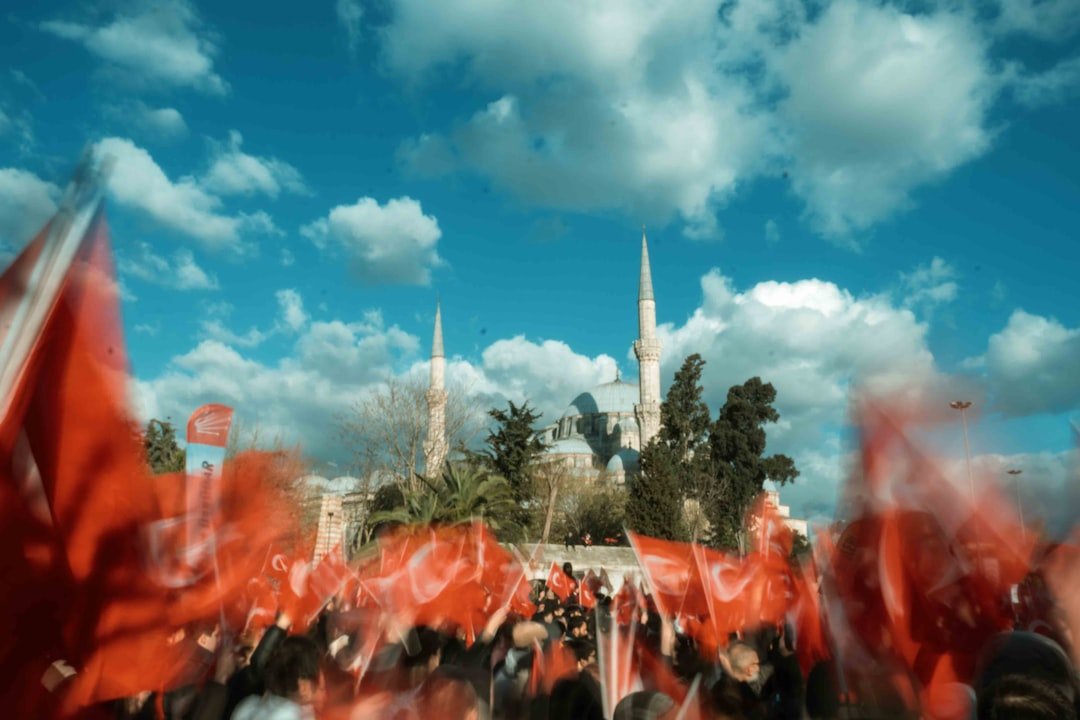
The Golden Horn is one of Istanbul’s best areas for photography because historic neighborhoods, working waterfronts, mosques, ferries, bridges, and hilltop viewpoints sit within a relatively compact part of the city. You can photograph fishermen on Galata Bridge, colorful streets in Balat and Fener, Ottoman architecture at Süleymaniye Mosque, and sweeping water views from Pierre Loti Hill without relying on a single type of shot.
Quick Answer
The best Golden Horn Instagram spots include Galata Bridge for fishermen and skyline views, Pierre Loti Hill for panoramas, Balat and Fener for colorful historic streets, Süleymaniye Mosque for Ottoman architecture, and Eminönü and Karaköy for ferries, waterfront life, and city scenes. Sunrise, late afternoon, and sunset usually provide the most flattering outdoor light.
Key Takeaways
- Galata Bridge is one of the easiest places to combine fishermen, ferries, the Golden Horn, and Istanbul’s skyline in a single frame.
- Pierre Loti Hill is the strongest panoramic viewpoint in this guide, especially around sunset and blue hour.
- Balat is best for colorful houses and steep streets, while neighboring Fener adds major Greek Orthodox landmarks and distinctive red-brick architecture.
- Haliç Tersanesi is a working historic shipyard, not simply a museum, so access should never be assumed.
- For fewer people in street scenes, photograph residential areas early on a weekday and save elevated Golden Horn viewpoints for later in the day.
Galata Bridge: The Classic Golden Horn Instagram Spot
Galata Bridge spans the Golden Horn between Eminönü and Karaköy and is one of the most recognizable photography locations in central Istanbul. A bridge has stood at this location since 1845, while the current bridge is the fifth and was built in 1994, according to GoTürkiye’s Galata Bridge guide.
The bridge works especially well for photography because several layers of Istanbul appear at once. Fishermen line the railings, ferries cross the water below, seagulls pass overhead, and domes, minarets, waterfront buildings, and Galata Tower can fill the background depending on which direction you face.
For environmental portraits, use the anglers as foreground subjects while leaving enough space around them to show the Golden Horn. For a cleaner skyline image, move along the pedestrian section until lamp posts, fishing rods, and other foreground objects stop cutting through the main landmark you want to photograph.
Pro Tip: Try Galata Bridge twice if your schedule allows. Early morning gives you softer street scenes and lighter crowds, while sunset and blue hour produce stronger silhouettes, water reflections, and city lights.
Pierre Loti Hill: Best Panoramic Golden Horn View
Pierre Loti Hill rises above Eyüp and gives you one of the broadest views along the Golden Horn. The hill takes its name from French writer Julien Viaud, better known by his pen name Pierre Loti, and can be reached either on foot or by cable car. Istanbul Metropolitan Municipality and GoTürkiye both highlight the hill for its Golden Horn panorama.
This is the place to switch from close street photography to wide cityscapes. From the upper viewpoint, look for the curve of the water, bridges, shoreline neighborhoods, boats, rooftops, and layered hills. A wide lens or your phone’s standard camera can capture the overall scene, while a moderate telephoto view can isolate ferries, mosque silhouettes, or distant neighborhoods.
Late afternoon allows you to photograph the landscape before the sun disappears, while sunset and the beginning of blue hour add warm sky color followed by city lights. The viewpoint can become busy around sunset, so arrive before the light reaches its peak rather than appearing at the last moment.
Balat: Colorful Houses, Hills, and Street Details
Balat is one of the Golden Horn’s most photogenic neighborhoods, known for steep streets, historic houses, projecting bay windows, cafes, antique shops, religious landmarks, and vivid architectural details. The area has deep Jewish, Christian, and Muslim heritage rather than a single cultural identity. GoTürkiye’s official Fener and Balat guide specifically highlights Balat’s historic streets, synagogues, colorful houses, and Merdivenli Yokuş as a popular photography location.
For the classic Balat image, use a steep street to create depth. Houses stacked above one another naturally lead the viewer’s eye through the frame. Merdivenli Yokuş is well known for rows of colorful houses, but you should also explore the connecting streets instead of photographing only the most famous facade.
Balat is a living neighborhood, not a photography set. Keep doorways and private homes clear, do not block narrow streets for prolonged portrait sessions, and ask before taking an identifiable close-up of a resident. Small details such as painted doors, laundry, window frames, signs, old stonework, cafe tables, and street cats can create stronger storytelling images than another straight-on photograph of a colorful wall.
Note: Balat and Fener sit next to each other and are frequently grouped together in travel guides, but they are not interchangeable. Several famous Greek Orthodox landmarks commonly shown in “Balat” photo collections are actually in neighboring Fener.
Haliç Tersanesi: Photograph Istanbul’s Working Maritime Heritage
| Metric | Current Information |
| Location | Kasımpaşa, Beyoğlu, Istanbul |
| Founded | 1455 |
| Approximate Area | About 70,000 square meters |
| Historical Significance | Historic Ottoman shipyard and living industrial heritage |
| Current Use | Active ship maintenance and repair, with cultural programming in parts of the historic complex |
Haliç Tersanesi, historically known as Tersane-i Amire, dates to 1455 and remains an active shipyard. Şehir Hatları, Istanbul’s municipal ferry operator, describes it as a living industrial-heritage facility where vessels continue to receive maintenance and repair services.
That working character is what makes the area photographically interesting. Historic dry docks, maritime infrastructure, ferries, industrial structures, and the surrounding Golden Horn provide a different visual language from Balat’s colorful streets or Süleymaniye’s monumental architecture.
Parts of the historic complex have also been used for exhibitions and cultural programming. However, do not assume that an active shipyard is freely accessible like a public square. If you want to enter a cultural venue inside the complex, check its current event and visitor information first. Otherwise, photograph the maritime landscape only from areas that are clearly open to the public.
Fener: Red-Brick Landmarks and Historic Streets
Fener sits beside Balat and is one of the most visually distinctive historic neighborhoods along the Golden Horn. Its streets include Greek Orthodox religious heritage, Ottoman-era urban fabric, colorful houses, cafes, steep lanes, and one of the area’s most recognizable buildings: the red Fener Greek High School, often called the Red School.
Do not confuse that large red-brick school with the nearby Ecumenical Patriarchate and St. George Church. Both are significant Fener landmarks, but they are separate places. Official tourism material lists the Red School, St. George Church, the Orthodox Patriarchate, and Fener’s historic streets among the neighborhood’s key sights.
For photography, use the steep terrain to your advantage. Photograph uphill when you want architecture to dominate the frame, or turn downhill to include glimpses of the Golden Horn between buildings. Longer focal lengths are useful for compressing rows of facades, while a wider view works well in narrow lanes.
Fener also rewards detail photography. Look for balconies, old doors, brickwork, religious architecture, street signs, and layers of buildings rather than shooting only wide scenes.
Süleymaniye Mosque: Ottoman Architecture and Golden Horn Views
Süleymaniye Mosque is one of Istanbul’s major Ottoman architectural landmarks and one of the strongest places in this guide for combining monumental architecture with Golden Horn views. Sultan Süleyman the Magnificent commissioned the complex, and architect Mimar Sinan designed it. Türkiye’s Ministry of Culture and Tourism dates the mosque’s construction to 1550–1557 in its official Istanbul guide.
The exterior offers several distinct compositions: the main dome and minarets, the courtyard arcades, repeating arches, stone details, and broader views from the elevated surroundings toward the Golden Horn. Late-afternoon light can add warmth to the stone exterior, while softer light is easier for balancing bright courtyards and darker architectural details.
Inside, work quietly and remember that this is an active place of worship rather than merely an attraction. Follow posted visitor rules, avoid photographing people at prayer without permission, dress respectfully, keep passageways clear, and pause photography when worship or site staff require it.
Pro Tip: Before leaving the mosque area, look outward as well as inward. Its elevated position can give you layered frames containing rooftops, water, Galata, and the hills beyond the Golden Horn.
Karaköy: Urban Details and Waterfront Photography
Karaköy sits immediately north of Galata Bridge and mixes older commercial buildings with contemporary cafes, galleries, cultural venues, waterfront development, and busy street life. This contrast makes it useful when you want your Instagram photos to feel more urban than the historic scenes of Balat or Fener.
Start near the Karaköy end of Galata Bridge and photograph the movement around the tram, ferry approaches, waterfront streets, and surrounding buildings. From there, look uphill toward Galata for tighter city compositions. Shopfronts, architectural details, stairways, cafe scenes, and street activity work well when harsh midday light makes broad skyline photography less attractive.
Because Karaköy is busy, simplify your background before taking a portrait. Moving only a few steps can remove parked vehicles, road signs, or overlapping pedestrians from directly behind your subject.
Eminönü: Ferries, Markets, Mosques, and Street Life
Eminönü is one of the busiest parts of the Golden Horn and one of the best places for energetic street photography. The area around the southern end of Galata Bridge puts ferries, fishermen, commuters, food vendors, the New Mosque, and entrances toward the Spice Bazaar within a relatively small area.
Instead of waiting for an empty scene, use the movement. A fast shutter can freeze ferries and people crossing the foreground, while a slower shutter can deliberately show motion if you can keep the camera steady. Reflections on wet pavement, ferry lights, seagulls, fishing rods, and silhouettes can all help build a stronger sense of place.
Eminönü is particularly useful during the transition from sunset into blue hour. As daylight fades, mosque silhouettes remain visible while ferry terminals, bridge lights, shops, and streets begin to illuminate.
Best Time to Photograph Golden Horn Instagram Spots
| Time | Best For | Why It Works |
| Early morning | Galata Bridge, Balat, Fener | Softer light and generally less street congestion than later in the day. |
| Mid-morning | Balat, Fener, Karaköy | Useful for street details, cafes, facades, and shaded lanes. |
| Late afternoon | Süleymaniye, Golden Horn waterfront | Lower-angle light adds warmth and texture to architecture. |
| Sunset | Pierre Loti Hill, Galata Bridge | Warm sky, silhouettes, and reflections create dramatic wide scenes. |
| Blue hour | Galata Bridge, Eminönü, Pierre Loti Hill | The remaining blue sky balances well with city, ferry, and bridge lights. |
Golden hour is useful, but it is not automatically the best light for every street. Balat and Fener contain narrow lanes where building orientation determines whether the facades are glowing, shaded, or strongly backlit. If one famous street looks harsh, turn into a neighboring lane rather than waiting for perfect conditions.
A Simple Golden Horn Photography Route
You can make the day easier by treating these locations as two photography clusters instead of repeatedly crossing Istanbul.
Morning Cluster: Süleymaniye, Eminönü, Galata Bridge, and Karaköy
Begin around Süleymaniye for architecture and elevated city views. Work downhill toward Eminönü for market and ferry scenes, cross Galata Bridge while photographing fishermen and the skyline, and finish the first session in Karaköy with urban details, cafes, and waterfront scenes.
Afternoon and Sunset Cluster: Fener, Balat, and Pierre Loti Hill
Spend the afternoon walking through Fener and Balat for colorful streets, architecture, doors, cafes, and neighborhood details. Then continue toward Eyüp and Pierre Loti Hill so you reach the viewpoint before sunset rather than during the busiest final minutes of daylight.
Haliç Tersanesi can be treated as a separate maritime-industrial stop when a publicly accessible cultural event or viewing opportunity fits your schedule.
Photography Etiquette and Safety Around the Golden Horn
- Respect residential streets: Balat and Fener are real neighborhoods. Do not occupy doorsteps, climb onto private property, or stage long photo sessions that block residents.
- Ask before close portraits: Street scenes are part of the appeal, but an identifiable close-up of a stranger is different from a wide public-space photograph.
- Follow mosque rules: At Süleymaniye and other active religious sites, respect prayer, dress requirements, restricted areas, and posted photography instructions.
- Watch traffic and water: Galata Bridge, Eminönü, and Karaköy are busy transport areas. Do not step backward into vehicle, tram, bicycle, or pedestrian movement while framing a photograph.
- Secure your equipment: Busy ferry terminals, markets, bridges, and crowded viewpoints are poor places to leave a phone, camera bag, or tripod unattended.
Warning: Do not assume you can launch a drone simply because a viewpoint is outdoors. Türkiye’s Directorate General of Civil Aviation maintains registration and flight-permission rules for unmanned aircraft. Its official UAS system states that aircraft weighing 500 g or more require registration and that flight permission is required outside designated green/free areas. Check the current official system and flight map before attempting any drone photography.
If you are looking for more Instagram-worthy scenes in Istanbul, the Golden Horn alone can supply a full day of very different photographs. Instead of trying to capture every location as quickly as possible, give yourself time for changing light, ferries, local street activity, and unexpected architectural details. Those unscripted moments often produce more memorable photographs than repeating the same famous pose at every stop.
Frequently Asked Questions
What are the best Instagram spots around Istanbul’s Golden Horn?
Top Golden Horn Instagram spots include Galata Bridge, Pierre Loti Hill, Balat, Fener, Süleymaniye Mosque, Eminönü, and Karaköy. Galata Bridge is best for fishermen and skyline scenes, Balat and Fener for colorful historic streets, and Pierre Loti Hill for wide panoramic views.
What time of day is best for Golden Horn photos?
Early morning is useful for Galata Bridge, Balat, and Fener when you want softer light and generally lighter crowds. Late afternoon works well around Süleymaniye, while Galata Bridge and Pierre Loti Hill are especially photogenic around sunset and blue hour.
Where are the famous colorful houses around the Golden Horn?
Balat is known for colorful historic houses and steep streets, with Merdivenli Yokuş being one of the best-known photography locations. Fener sits directly beside Balat and has additional colorful streets plus major Greek Orthodox landmarks.
Can you take photos inside Süleymaniye Mosque?
Visitors should follow the mosque’s current posted rules and remember that it remains an active place of worship. Keep photography quiet and unobtrusive, avoid photographing worshippers without permission, dress appropriately, and stop shooting whenever prayer arrangements or staff instructions require it.
Is Haliç Tersanesi a museum that tourists can freely enter?
No. Haliç Tersanesi remains an active historic shipyard. Cultural programming has also taken place within parts of the complex, but visitors should not assume unrestricted access to the working industrial areas. Check current official event or visitor information before planning to enter.
Can I fly a drone over the Golden Horn for Instagram photos?
Do not assume a drone flight is permitted. Türkiye’s Directorate General of Civil Aviation has UAS registration and flight-permission rules, including registration requirements for aircraft weighing 500 g or more and flight permissions outside designated green/free areas. Check the official UAS system and current flight map before flying.
What is an easy route for photographing several Golden Horn locations in one day?
A practical morning route is Süleymaniye Mosque to Eminönü, across Galata Bridge, and into Karaköy. In the afternoon, explore Fener and Balat before continuing toward Eyüp and Pierre Loti Hill for sunset.
Sources
- GoTürkiye — Old Galata Bridge — bridge history, 1845 location history, current 1994 bridge, and fishermen.
- GoTürkiye — Pierre Loti Hill — viewpoint, Pierre Loti association, and cable-car access.
- GoTürkiye — Fener and Balat Neighbourhoods — historic houses, religious heritage, neighborhood distinctions, and photography locations.
- Şehir Hatları — Haliç Shipyard Services — continuing shipyard operations and industrial-heritage role.
- Republic of Türkiye Ministry of Culture and Tourism — Istanbul — Süleymaniye Mosque history, Mimar Sinan, and construction dates.
- Directorate General of Civil Aviation — UAS Registry System — current drone registration and flight-permission guidance.