Disclosure: As an Amazon Associate, we earn from qualifying purchases. If you click a link on this page and make a purchase, we may receive a small commission at no extra cost to you.
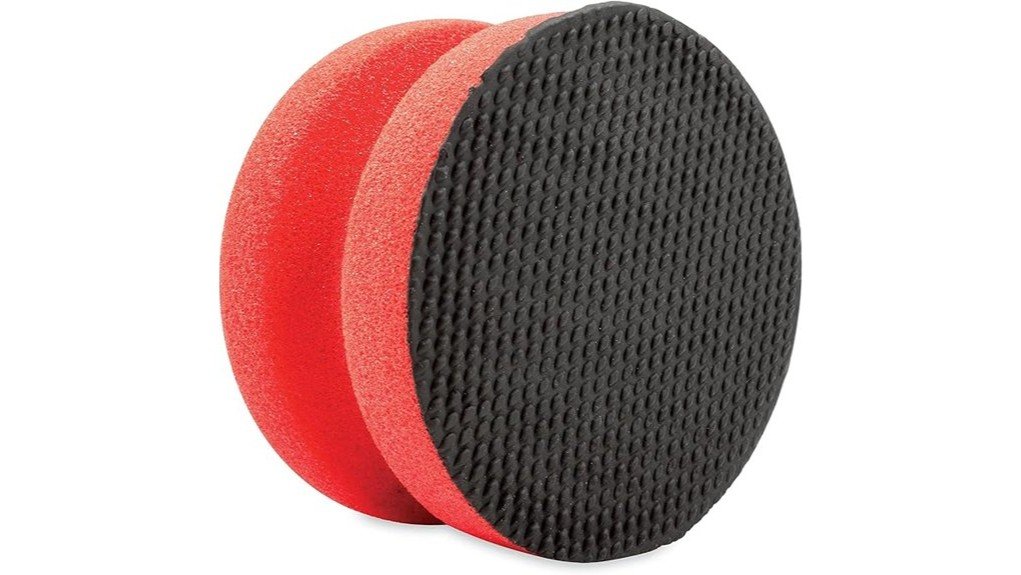
A proper wash can still leave your car’s paint feeling rough because bonded contamination remains attached to the surface. Griot’s Garage Brilliant Finish Synthetic Clay 10691 is a reusable hand pad designed to remove that stuck-on material before you wax, seal, or polish the finish. Its diamond-pattern clay/polymer face, foam palm grip, and rinse-clean design make it easier to manage than a small traditional clay bar. You still need generous lubrication, a clean surface, and very light pressure, so it is convenient rather than mistake-proof.
Quick Verdict
Rating: 8.4/10, Recommended with caveats
Best For: DIY detailers who want a reusable hand tool for preparing automotive paint and exterior glass.
Bottom Line: The large working face, comfortable grip, and rinse-and-reuse design make routine decontamination simpler than working with a small clay bar. The tradeoff is that poor lubrication, dirt, or excess pressure can still mar a sensitive finish.
| Specification | Detail |
|---|---|
| Brand | Griot’s Garage |
| Model / item number | Brilliant Finish Synthetic Clay, 10691 |
| Product type | Reusable synthetic clay surface-prep pad for hand use |
| Working surface | Diamond-pattern clay/polymer matrix |
| Grip | Foam palm pad designed to reduce hand fatigue and hold lubricant |
| Listed dimensions | 5 x 2.25 x 9 inches |
| Listed weight | 2.39 ounces |
| Package quantity | One Brilliant Finish Synthetic Clay pad |
| Suitable surfaces | Automotive paint and exterior glass when properly lubricated |
| Lubricant options | Griot’s Speed Shine or a lubricated car-wash solution |
| Reuse and care | Rinse the face clean if dropped or visibly contaminated |
| Manufacturer coverage claim | Preps up to 24 cars, about three times more than traditional clay |
| Best use | Mechanical decontamination before polishing, waxing, sealing, or applying other paint protection |
What Is Griot’s Garage Brilliant Finish Synthetic Clay?
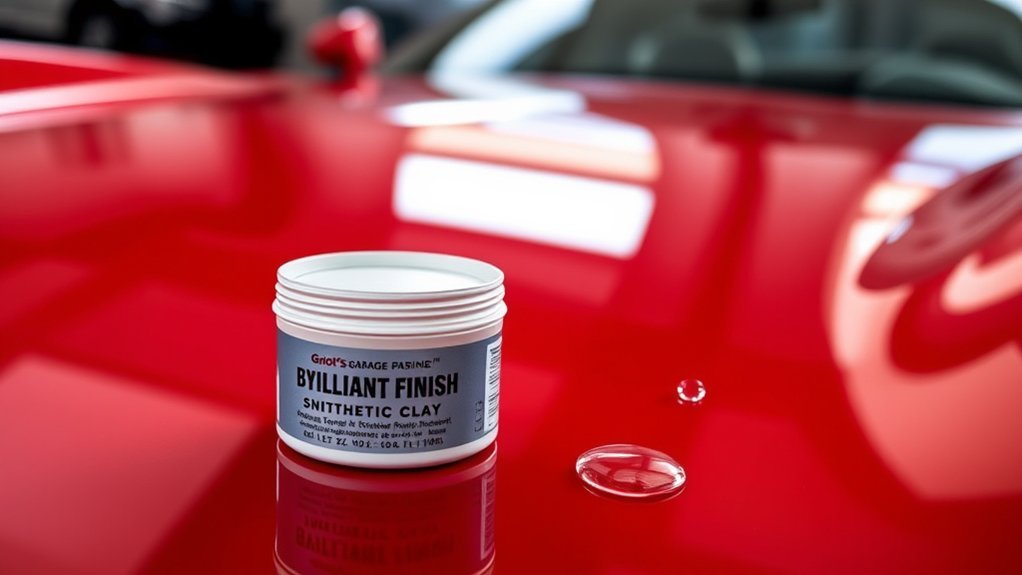
Griot’s Garage Brilliant Finish Synthetic Clay is a reusable mechanical decontamination tool for the step after washing. It removes bonded material that shampoo and a wash mitt may leave behind, which is why paint can look clean but still feel gritty through a thin plastic bag.
Instead of a kneadable clay bar, model 10691 uses a diamond-pattern clay/polymer matrix attached to a foam palm pad. The pattern creates many working edges across the face, while the larger grip spreads your hand pressure and gives you more control on hoods, roofs, doors, and glass.
Griot’s says one pad can prepare up to 24 cars. That claim makes the product most relevant to people who maintain several vehicles or decontaminate paint before seasonal waxing, sealing, or polishing.
Who Should Buy It?
Best For
- DIY detailers who want a larger, easier-to-hold alternative to a small clay bar.
- Owners who maintain multiple cars, trucks, or other vehicles and value a reusable tool.
- Drivers preparing paint or exterior glass before wax, sealant, polishing, or coating prep.
Skip If
- You need a chemical iron remover, tar remover, or machine polishing rather than mechanical decontamination.
- You have matte paint, vinyl wrap, paint protection film, or fresh bodywork without finish-specific approval.
- You detail one small vehicle rarely and already have enough traditional clay for the job.
Before You Buy: This pad does not replace washing, chemical fallout removal, tar treatment, or polishing. Use it only on a clean, cool, well-lubricated surface, and confirm compatibility before touching matte paint, wraps, paint protection film, or newly repaired paint.
Key Advantages of Griot’s Garage Synthetic Clay for Car Detailing
Diamond-Pattern Clay/Polymer Face
The working face uses a textured diamond pattern rather than one smooth leading edge. More edges contact the lubricated surface during each pass, which helps the pad lift stubborn bonded contamination without requiring you to press hard.
This face is for surface preparation, not abrasion-based defect removal. It will not correct scratches, oxidation, water-spot etching, or swirl marks that require polishing.
Foam Palm Grip
The foam pad gives your hand a broad contact area and helps reduce finger fatigue during a full vehicle. It also holds extra liquid, so the face stays wetter between sprays or dips in a lubricated wash solution.
The grip improves control, but you should not use that control to add pressure. The manufacturer recommends very little to no pressure and a cool surface.
Rinse-and-Reuse Convenience
A traditional clay bar is usually discarded after it falls onto a dirty floor because embedded grit can scratch paint. With this synthetic pad, you can rinse the face clean, inspect it, and continue when no debris remains.
That recovery advantage is practical, but it is not permission to ignore contamination. Stop using the pad on paint if grit remains embedded, the face becomes damaged, or the texture turns uneven.
How Does It Compare to Traditional Clay Bars?
Traditional clay gives direct fingertip feedback and can be shaped for tight areas. You also knead it to expose a clean section as it loads with contamination. The downside is that a dropped piece may become unusable, and a small bar can tire your fingers on a large vehicle.
Griot’s Synthetic Clay is easier to hold, covers broad panels efficiently, and can be rinsed when dropped. It also carries a manufacturer claim of up to 24 vehicles, compared with about one-third that service life for traditional clay.
The tradeoff is reduced fingertip feedback. Work in small sections, keep the surface wet, and check progress by touch instead of assuming one quick pass removed everything.
Materials, Build Quality, and Surface Safety
The product combines a clay/polymer contact layer with a foam palm pad. The Amazon listing identifies one pad in the package, with listed dimensions of 5 x 2.25 x 9 inches and a listed weight of 2.39 ounces.
The face is intended to glide over lubricant and shear bonded impurities from the surface. Do not treat it like a scrub sponge, and do not use it dry. Dry contact, visible dirt, or heavy pressure increases the chance of marring.
Griot’s specifically lists automotive paint and glass as suitable uses. For matte or satin paint, vinyl wrap, paint protection film, or fresh refinishing work, follow the finish maker’s care instructions before testing any clay-style product.
How to Use It Correctly
- Wash first. Remove loose grit with a thorough wash and rinse. Mechanical decontamination should not begin on a dirty car.
- Work cool and shaded. Hot paint dries lubricant too quickly and makes controlled gliding harder.
- Lubricate generously. Use Griot’s Speed Shine or a properly lubricated car-wash solution. The pad should glide without grabbing.
- Use short, light passes. Move in a cross-hatch pattern with very little to no pressure. Work from the top down and leave the dirtiest lower sections until last.
- Clean the face often. Spray or rinse the matrix and wipe it clean about every other panel, or more often on heavily contaminated paint.
- Inspect before protecting. Wipe the panel with a clean microfiber towel and feel it again. Re-lubricate and repeat only where roughness remains.
Common Mistakes to Avoid
Do not press harder when the pad stops gliding. Add lubricant, clean the face, and inspect the panel. Also avoid circular scrubbing, claying in direct heat, working from dirty lower panels to clean upper panels, or storing the pad with debris on its face.
Pro Tip: Use the plastic bag test before and after decontamination. Put your hand inside a thin sandwich bag and lightly feel the washed paint. The bag makes small bonded particles easier to detect, so you can target only the panels that still need another lubricated pass.
How It Performs in Real Use
During a Weekend Detail
After washing, the pad is most useful on panels that still feel rough, often the roof, hood, rear hatch, and lower doors. Its broad face helps you cover these areas without repeatedly flattening and folding a small clay bar.
Before Wax, Sealant, or Polishing
Mechanical decontamination removes bonded material that would otherwise remain under your next protection or polishing step. The result should be a smoother surface, but the pad itself does not add gloss protection or correct paint defects.
On Exterior Glass
Griot’s lists glass as a suitable surface. With generous lubricant, the pad can remove bonded grime from windshields and side windows before final glass cleaning or treatment. Keep it away from dirty rubber edges until the cleaner glass areas are finished.
Across Multiple Vehicles
The rinse-clean design and up-to-24-car claim matter most when you detail repeatedly. A family fleet or several seasonal preparation jobs can make better use of the pad’s service life than one small annual project.
Cleaning, Maintenance, and Storage
Rinse the clay/polymer face during and after use, then inspect it in good light. If the pad touches the floor, rinse it thoroughly before deciding whether it is safe to return to paint.
Allow the pad to dry enough for storage and keep it in a clean container away from loose grit, direct heat, and dirty towels. The next job should begin with a clean contact surface.
Retire the pad from paint use if debris will not rinse away, the working face tears, or the texture becomes uneven. A damaged pad can drag contamination across the finish.
Pros and Cons
Pros
- Diamond-pattern clay/polymer face creates multiple working edges for bonded contamination.
- Foam palm grip is easier to hold across large panels than a small clay piece.
- Rinse-clean design can recover from a drop when all grit is removed.
- Works with Speed Shine or a lubricated car-wash solution.
- Manufacturer says one pad can prep up to 24 cars.
Cons
- Still requires generous lubrication, a clean face, and very light pressure to limit marring.
- Does not replace iron remover, tar remover, polishing, or paint correction.
- Needs finish-specific approval for matte paint, wraps, paint protection film, or fresh paint.
Is It Worth the Price?
Griot’s Garage Brilliant Finish Synthetic Clay sits in the practical mid-range for a reusable hand-detailing tool. It is worth considering when you want a comfortable alternative to traditional clay and expect to use it across several preparation jobs.
You get the strongest value when you maintain multiple vehicles, decontaminate before seasonal protection, or want a pad that can be rinsed instead of automatically discarded after a drop. The value is weaker for one infrequent job when you already own enough clean clay.
The honest limitation is technique. The pad can save handling time, but it cannot protect your finish from dry use, dirty contact surfaces, hot panels, or excess pressure.
How It Compares to Alternatives
A traditional clay bar is better for buyers who value direct fingertip feedback and the ability to shape the clay for tight spots. A surface-prep mitt can cover very large panels quickly, while an iron and fallout remover handles ferrous contamination chemically before mechanical work.
Griot’s Brilliant Finish Synthetic Clay makes the most sense when you want a reusable palm-size tool that balances coverage, control, and simple cleanup. It is an add-on to a complete decontamination process, not a replacement for every chemical or polishing step.
Where Can You Buy Griot’s Garage Synthetic Clay?
You can find Griot’s Garage Brilliant Finish Synthetic Clay through Amazon, Griot’s Garage, and automotive-detailing retailers. Confirm that the listing shows model or item number 10691 and a quantity of one pad.
Check the package description before ordering because some retailers may show related sprays or towels as separate products or suggested add-ons. The standard product listing covered in this review includes the Brilliant Finish Synthetic Clay pad itself.
Frequently Asked Questions
Is Griot’s Garage Synthetic Clay safe for all paint types?
It is made for automotive paint preparation, but safe use depends on the finish and your technique. Use generous lubricant and very light pressure, and get finish-specific approval before using it on matte paint, wraps, paint protection film, or fresh paint.
Can you use it on exterior glass?
Yes. Griot’s lists glass as a suitable use. Keep the glass wet with lubricant, work on a cool surface, and clean the pad if it picks up grit near window edges.
What lubricant should you use?
Use Griot’s Speed Shine or a properly lubricated car-wash solution. Apply enough that the pad glides freely without grabbing or dragging across the surface.
Do you need to wash the car first?
Yes. Washing removes loose dirt that could become trapped between the pad and paint. Start mechanical decontamination only after the vehicle is clean and the work surface is cool.
Can it replace iron remover or tar remover?
No. This is a mechanical surface-prep tool. Chemical iron or fallout remover and tar remover target different contamination and may be used before claying when the surface needs them.
What should you do if you drop it?
Rinse the working face thoroughly and inspect it before continuing. Do not return it to paint if visible grit remains embedded or the face is damaged.
How long does one pad last?
Griot’s says the pad can prepare up to 24 cars, about three times more than traditional clay. Actual service life depends on contamination level, cleaning, storage, and whether the face becomes damaged.
What is the most common mistake with synthetic clay?
The main mistake is using too little lubricant or pressing harder when the pad drags. Stop, add lubricant, clean the face, and continue with short passes and very light pressure.
The Bottom Line
Griot’s Garage Brilliant Finish Synthetic Clay 10691 is a strong choice for DIY detailers who want a reusable, comfortable tool for preparing paint and exterior glass. Its diamond-pattern face, foam grip, and rinse-clean design are its main advantages, while the need for careful lubrication and finish compatibility remains the main limitation. Skip it when you need chemical decontamination or paint correction rather than a mechanical prep pad.