

When embarking on the journey of growing mangoes, the first and perhaps most crucial step is selecting the right variety. Mangoes are not a one-size-fits-all fruit; they come in numerous cultivars, each with its unique flavor profile, size, and growth requirements. Some of the most popular varieties include Alphonso, Haden, Tommy Atkins, and Kent.
Alphonso mangoes are renowned for their rich sweetness and smooth texture, making them a favorite among mango enthusiasts. On the other hand, Tommy Atkins is celebrated for its vibrant color and long shelf life, making it a common choice for commercial growers. The choice of variety should also take into account the climate and growing conditions of your region.
For instance, if you live in a cooler climate, consider varieties that are more tolerant to lower temperatures, such as the ‘Palmer’ or ‘Keitt.’ These varieties can withstand cooler nights and still produce fruit. Additionally, understanding the growth habits of different mango varieties is essential. Some may grow tall and require more space, while others are more compact and suitable for container gardening.
By aligning your choice with your local climate and available space, you set the foundation for a successful mango-growing experience.
Key Takeaways
- Choose a mango variety suitable for container growing, such as ‘Keitt’ or ‘Tommy Atkins’, for best results.
- Select a large container with good drainage to accommodate the deep root system of mango plants.
- Provide at least 6 hours of direct sunlight daily for optimal growth and fruit production.
- Water regularly and maintain high humidity levels, especially during the flowering and fruiting stages.
- Fertilize with a balanced fertilizer every 2-3 months to support healthy growth and fruit development.
Selecting the Right Container
Once you have chosen the appropriate mango variety, the next step is selecting the right container for your plant. Container gardening offers flexibility and is particularly beneficial for those with limited space or less-than-ideal soil conditions. The size of the container is paramount; a larger pot allows for better root development and provides ample space for growth.
A container with a diameter of at least 15 to 20 inches is recommended for young mango trees, while mature plants may require even larger pots to accommodate their extensive root systems. In addition to size, drainage is a critical factor when selecting a container. Mango trees are susceptible to root rot if their roots sit in waterlogged soil.
Therefore, choose containers with adequate drainage holes at the bottom to facilitate proper water flow. Materials also play a role; terracotta pots are excellent for their breathability but can dry out quickly, while plastic pots retain moisture longer but may not provide as much aeration. Ultimately, the right container will not only support healthy growth but also enhance your ability to manage watering and nutrient levels effectively.
Providing Adequate Sunlight
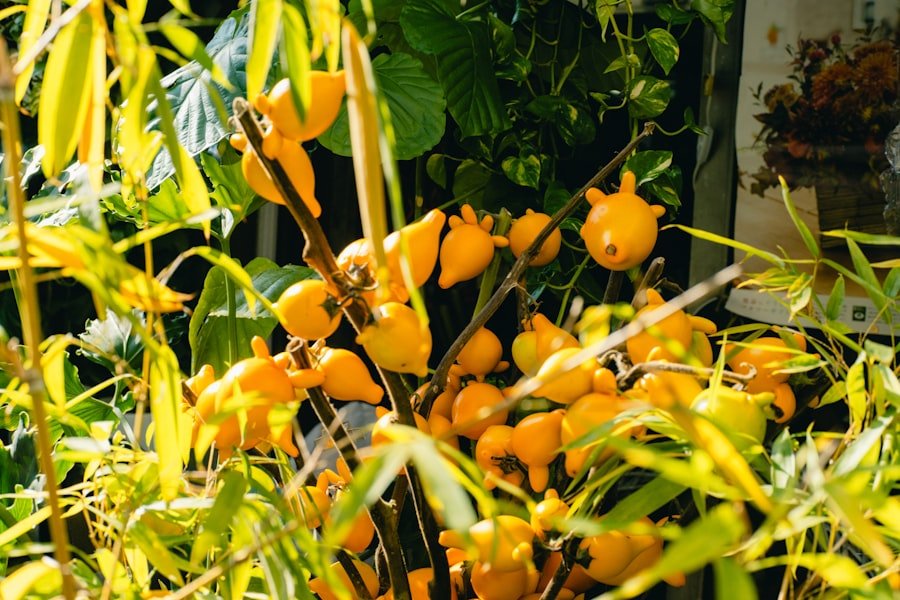
Mango trees thrive in full sunlight, requiring at least six to eight hours of direct sunlight each day to flourish. When growing mangoes in containers, positioning them in a location that receives ample sunlight is essential for optimal growth and fruit production. If you are growing your mango tree indoors or in a shaded area, consider using grow lights to supplement natural sunlight.
These lights can mimic the sun’s spectrum and help your plant photosynthesize effectively. In addition to direct sunlight, it’s important to monitor the temperature around your mango plant. Mango trees prefer warm conditions and can suffer if exposed to cold drafts or sudden temperature drops.
If you live in an area with fluctuating temperatures, consider moving your container outdoors during warmer months and bringing it inside when temperatures drop. This practice not only ensures that your mango tree receives sufficient light but also protects it from adverse weather conditions.
Watering and Humidity Requirements
| Plant Type | Watering Frequency | Humidity Level |
|---|---|---|
| Succulents | Every 2-3 weeks | Low humidity |
| Tropical Plants | Weekly | High humidity |
| Cacti | Every 3-4 weeks | Low humidity |
Watering is a critical aspect of mango cultivation that requires careful attention. Mango trees prefer well-draining soil that remains moist but not soggy. Overwatering can lead to root rot, while underwatering can stress the plant and hinder fruit production.
A general rule of thumb is to water deeply but infrequently; allowing the top inch of soil to dry out between waterings encourages deep root growth. During the growing season, typically spring through summer, your mango tree may require more frequent watering due to increased evaporation rates. Humidity levels also play a significant role in the health of mango plants.
While mango trees are relatively drought-tolerant once established, they do appreciate higher humidity levels during their growing phase. If you live in a dry climate or are growing your mango indoors, consider using a humidity tray or misting the leaves occasionally to maintain adequate moisture levels in the air. This practice can help prevent leaf drop and promote healthy growth.
Fertilizing the Mango Plant
Fertilization is vital for ensuring that your mango tree receives the necessary nutrients for robust growth and fruit production. A balanced fertilizer with an N-P-K ratio of 10-10-10 or 8-3-9 is often recommended for mango trees. During the growing season, typically from spring to early fall, applying fertilizer every four to six weeks can provide your plant with essential nutrients such as nitrogen, phosphorus, and potassium.
These nutrients support leaf development, root growth, and flowering. In addition to synthetic fertilizers, organic options such as compost or well-rotted manure can also be beneficial. These organic amendments improve soil structure and provide a slow-release source of nutrients over time.
When applying fertilizer, be cautious not to over-fertilize, as this can lead to excessive vegetative growth at the expense of fruit production.
Pruning and Training the Plant
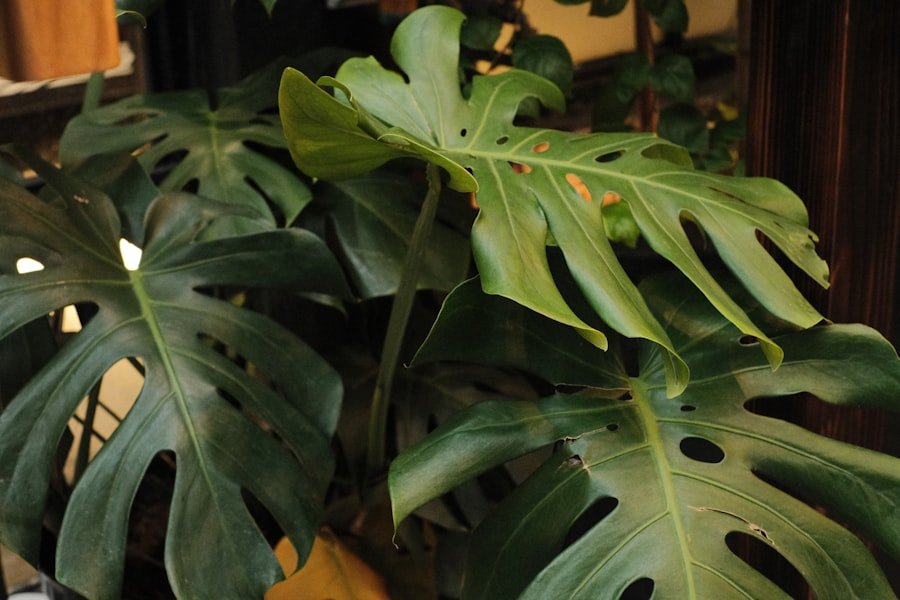
Pruning is an essential practice in mango cultivation that promotes healthy growth and enhances fruit production. Regular pruning helps shape the tree, remove dead or diseased branches, and improve air circulation within the canopy. For young mango trees, focus on establishing a strong central leader by selectively pruning competing branches.
This practice encourages upward growth and helps create a well-structured tree that can support heavy fruit loads as it matures. Training your mango tree can also involve techniques such as tipping or pinching back new growth to encourage bushier branching. This method not only increases fruiting sites but also helps manage the overall size of the tree, making it easier to harvest fruit later on.
Timing is crucial when it comes to pruning; late winter or early spring before new growth begins is often considered the best time to prune mango trees. This timing minimizes stress on the plant while promoting vigorous new growth as temperatures warm up.
Preventing Pests and Diseases
Mango trees can be susceptible to various pests and diseases that may hinder their growth and fruit production. Common pests include aphids, mealybugs, and scale insects, which can sap nutrients from the plant and lead to weakened health. Regularly inspecting your mango tree for signs of infestation is crucial; early detection allows for more effective management strategies.
Natural predators such as ladybugs can help control aphid populations, while insecticidal soaps or neem oil can be used as organic treatments for more severe infestations. Diseases such as powdery mildew and anthracnose can also pose threats to mango plants. Powdery mildew appears as a white powdery coating on leaves and stems, while anthracnose manifests as dark spots on fruits and leaves.
To prevent these diseases, ensure proper air circulation around your plant by avoiding overcrowding and maintaining appropriate spacing between branches through pruning. Additionally, watering at the base of the plant rather than overhead can help reduce humidity around foliage, minimizing disease risk.
Propagating Mango Plants
Propagating mango plants can be an exciting endeavor for gardeners looking to expand their collection or share their love of mangoes with others. There are several methods of propagation available, including seed propagation and vegetative methods such as grafting or air layering. Seed propagation involves planting seeds from ripe mangoes; however, it’s important to note that seeds from hybrid varieties may not produce true-to-type offspring.
For those seeking specific traits or characteristics from a particular variety, grafting is often preferred. Grafting involves taking a cutting from a desired variety (the scion) and attaching it to a compatible rootstock. This method allows gardeners to combine desirable traits from both plants while ensuring faster fruit production compared to seed propagation.
Air layering is another effective technique where a branch is partially girdled and wrapped in moist sphagnum moss until roots develop before being severed from the parent plant. Each propagation method has its advantages and challenges; understanding these will help you choose the best approach for your gardening goals.
Managing the Size of the Plant
Managing the size of your mango tree is essential for both aesthetic reasons and practical considerations such as ease of harvesting fruit. Container gardening naturally limits growth due to restricted root space; however, regular pruning is still necessary to maintain an appropriate size and shape for your tree. For those growing mangoes in-ground, techniques such as selective pruning can help control height while promoting lateral branching.
In addition to pruning, consider using dwarf varieties if space is a concern. Dwarf mango trees are bred specifically for smaller spaces while still producing delicious fruit. These varieties typically reach heights of 3 to 6 feet compared to standard varieties that can grow upwards of 30 feet or more under ideal conditions.
Harvesting Mangoes
Harvesting mangoes at the right time is crucial for enjoying their full flavor potential. Mangoes do not ripen well on the tree; instead, they should be harvested when they reach maturity but before they become overripe. Signs of maturity include a change in color from green to yellow or red depending on the variety and a slight softness when gently squeezed.
It’s important to handle mangoes carefully during harvest to avoid bruising; using clippers or scissors rather than pulling them off by hand can help prevent damage. Once harvested, mangoes should be allowed to ripen at room temperature if they are still firm. Placing them in a paper bag can speed up this process by trapping ethylene gas produced by the fruit itself.
Once ripe, mangoes can be stored in the refrigerator for several days to prolong freshness but should be consumed soon after ripening for optimal taste.
Troubleshooting Common Issues
Even with diligent care, mango plants may encounter various issues that require troubleshooting skills from their caretakers. One common problem is leaf drop, which can occur due to environmental stressors such as sudden temperature changes or inadequate watering practices. If you notice leaves dropping prematurely, assess your watering routine and ensure that your plant is receiving consistent moisture without becoming waterlogged.
Another issue that may arise is poor fruit set or development. Factors such as insufficient pollination or nutrient deficiencies can contribute to this problem. If you suspect pollination issues, consider hand-pollinating flowers during blooming season by gently transferring pollen from male flowers to female flowers using a small brush or cotton swab.
Additionally, ensuring that your plant receives adequate nutrients through proper fertilization will support healthy fruit development throughout its growing cycle. By understanding these common challenges and implementing effective solutions, you can cultivate healthy mango plants that yield delicious fruits year after year.
FAQs
What is a mango indoor plant?
A mango indoor plant is a variety of mango tree that is specifically grown indoors as a houseplant. It is a smaller, more compact version of the traditional mango tree and is well-suited for indoor environments.
How do you care for a mango indoor plant?
To care for a mango indoor plant, it is important to provide it with plenty of sunlight, well-draining soil, and regular watering. It is also important to maintain a warm and humid environment for the plant to thrive.
Can you grow mangoes indoors?
Yes, it is possible to grow mangoes indoors with the right conditions and care. Mango indoor plants can be grown in containers and placed in a sunny location within the home.
How long does it take for a mango indoor plant to bear fruit?
Mango indoor plants typically take several years to mature and start bearing fruit. It can take anywhere from 3 to 6 years for a mango indoor plant to produce fruit, depending on the specific variety and growing conditions.
What are the benefits of growing a mango indoor plant?
Growing a mango indoor plant can provide a beautiful and tropical addition to your indoor space. Additionally, if the plant successfully bears fruit, you can enjoy the delicious and nutritious mangoes right from the comfort of your home.