

Asparagus beans, also known as yard-long beans or Vigna unguiculata subsp. sesquipedalis, are a unique variety of legume that is prized for its long, slender pods and tender texture. The seeds of asparagus beans are typically oval and can vary in color from light brown to dark brown, depending on the specific cultivar.
These seeds are not only the starting point for growing this fascinating plant but also serve as a source of nutrition and culinary delight. Understanding the characteristics of asparagus bean seeds is crucial for successful cultivation, as they have specific germination requirements and growth habits that differ from other common beans. The seeds of asparagus beans are relatively large compared to other legumes, which can make them easier to handle during planting.
They require warm soil temperatures for optimal germination, ideally between 70°F and 90°F (21°C to 32°C). This temperature range is essential because cooler soil can lead to delayed germination or even seed rot. Additionally, asparagus bean seeds have a hard outer coat that can impede water absorption, so soaking them in water for several hours before planting can enhance germination rates.
This pre-soaking process softens the seed coat and allows moisture to penetrate more easily, promoting quicker sprouting.
Key Takeaways
- Asparagus bean seeds are easy to grow and can be planted directly into the garden.
- Asparagus beans thrive in warm, sunny conditions with well-drained soil.
- Before planting, prepare the soil by adding compost and ensuring proper drainage.
- Plant the seeds 1-2 inches deep and 3-4 inches apart, and water regularly to keep the soil moist.
- Provide support for the plants to climb, and watch out for pests and diseases that may affect the crop.
Choosing the Right Growing Conditions
Selecting the appropriate growing conditions is vital for the successful cultivation of asparagus beans. These plants thrive in warm climates and are best suited for USDA hardiness zones 8 through 11. They require full sun exposure, meaning they should receive at least six to eight hours of direct sunlight each day.
Insufficient sunlight can lead to leggy growth and reduced pod production. Therefore, when planning your garden layout, it is essential to choose a location that maximizes sun exposure throughout the day. In addition to sunlight, asparagus beans prefer well-drained soil that is rich in organic matter.
They are adaptable to various soil types but perform best in loamy or sandy soils with a pH level between 6.0 and 7.0. Heavy clay soils can retain too much moisture, leading to root rot and other issues. To improve drainage and fertility, consider incorporating compost or well-rotted manure into the soil before planting.
This not only enhances soil structure but also provides essential nutrients that support healthy plant growth.
Preparing the Soil for Planting
Preparing the soil for asparagus bean planting involves several key steps to ensure optimal conditions for seed germination and plant development. First, it is essential to clear the planting area of any weeds, debris, or previous plant material that could harbor pests or diseases. A clean slate allows the asparagus beans to establish themselves without competition for nutrients or water. Once the area is cleared, tilling the soil to a depth of at least 12 inches helps aerate it and improves drainage. After tilling, it is beneficial to conduct a soil test to determine nutrient levels and pH.
This information can guide amendments needed to create an ideal growing environment.
Incorporating these amendments into the top few inches of soil ensures that they are readily available to the young plants as they begin to grow. Additionally, mulching the area with organic material after planting can help retain moisture and suppress weed growth.
Planting Asparagus Bean Seeds
| Week | Average Temperature (°C) | Average Humidity (%) | Average Rainfall (mm) |
|---|---|---|---|
| 1 | 25 | 60 | 10 |
| 2 | 26 | 65 | 15 |
| 3 | 27 | 70 | 20 |
When it comes time to plant asparagus bean seeds, timing is crucial for success. These beans are sensitive to frost, so it is best to wait until all danger of frost has passed and soil temperatures have warmed sufficiently. In many regions, this means planting in late spring or early summer.
The seeds should be sown directly into the prepared soil at a depth of about one inch, with spacing of approximately three to four inches between each seed. This spacing allows ample room for the plants to grow without overcrowding. Once planted, it is important to label the rows or sections where the seeds have been sown, especially if you are growing multiple varieties.
This labeling will help you keep track of different cultivars and their specific growth habits. After planting, gently water the area to settle the soil around the seeds without washing them away. Consistent moisture is key during the germination phase; therefore, monitoring soil moisture levels closely in the days following planting is essential.
Watering and Fertilizing Asparagus Bean Plants
Watering asparagus bean plants requires a careful balance; while they need consistent moisture, overwatering can lead to root rot and other issues. During the early stages of growth, it is advisable to water them deeply once or twice a week, depending on rainfall and temperature conditions. As the plants mature and begin producing pods, they may require more frequent watering, especially during hot spells when evaporation rates are higher.
A general rule of thumb is to provide about one inch of water per week, either through rainfall or supplemental irrigation. Fertilization plays a significant role in promoting healthy growth and maximizing pod production in asparagus beans.
A balanced fertilizer with equal parts nitrogen, phosphorus, and potassium can be applied every four to six weeks after the plants have established themselves. Alternatively, organic options such as compost tea or fish emulsion can provide a nutrient boost without the risk of chemical buildup in the soil.
Providing Support for Asparagus Bean Plants
Asparagus bean plants are vigorous climbers that can reach impressive heights of up to ten feet if given proper support. Providing a trellis or other vertical structure not only helps keep the plants upright but also promotes better air circulation around them, reducing the risk of fungal diseases. Trellises can be made from various materials such as wood, metal fencing, or even bamboo stakes tied together with twine.
The structure should be sturdy enough to withstand wind and support the weight of mature plants laden with pods. When installing a trellis, it is best to do so at the time of planting or shortly thereafter to avoid disturbing the roots later on. As the seedlings grow, gently guide them towards the trellis by tying them loosely with soft twine or using plant clips designed for this purpose.
This training process encourages upward growth and helps prevent damage to delicate stems. Regularly checking on the plants will allow you to assist them as needed and ensure they are climbing effectively.
Managing Pests and Diseases
Like any garden crop, asparagus beans are susceptible to various pests and diseases that can hinder their growth and productivity. Common pests include aphids, spider mites, and whiteflies, which can sap plant vigor by feeding on sap and spreading diseases. Regularly inspecting your plants for signs of infestation is crucial; early detection allows for more effective management strategies.
Natural predators such as ladybugs can help control aphid populations, while insecticidal soaps or neem oil can be used as organic treatments if infestations become severe. Diseases such as powdery mildew and root rot can also pose significant threats to asparagus bean plants. Powdery mildew typically appears as a white powdery coating on leaves during hot, humid weather conditions.
To manage this disease, ensure adequate spacing between plants for air circulation and avoid overhead watering that can create a moist environment conducive to fungal growth. Root rot often results from overwatering or poorly drained soils; thus, maintaining proper watering practices and ensuring good drainage are essential preventive measures.
Harvesting Asparagus Bean Pods
Harvesting asparagus bean pods at the right time is crucial for enjoying their tender texture and flavor. The pods should be picked when they are young and still tender—typically when they reach about 12 to 18 inches in length but before they begin to mature fully and develop hard seeds inside. If left too long on the vine, the pods will become tough and fibrous, losing their desirable qualities for culinary use.
To harvest asparagus beans, use sharp garden shears or scissors to cut the pods from the vine carefully; this minimizes damage to both the plant and surrounding pods. Regular harvesting encourages continued production throughout the growing season; therefore, checking your plants every few days during peak production times is advisable. Once harvested, asparagus beans can be stored in a cool place or refrigerated for short-term use but are best enjoyed fresh.
Saving Seeds for Future Planting
Saving seeds from your asparagus bean harvest is an excellent way to ensure a continuous supply of this unique crop in your garden year after year. To save seeds effectively, allow some pods to mature fully on the plant until they turn brown and dry out completely before harvesting them. Once harvested, these mature pods should be stored in a cool, dry place until you are ready to extract the seeds.
To extract seeds from dried pods, simply break open the pods and remove the seeds inside. It’s important to label your saved seeds with their variety name and date of harvest for future reference. Proper storage conditions are critical; seeds should be kept in airtight containers in a cool location away from direct sunlight to maintain their viability over time.
When planting saved seeds in subsequent seasons, it’s advisable to test germination rates by soaking a few seeds before sowing them directly into your garden.
Cooking and Enjoying Asparagus Beans
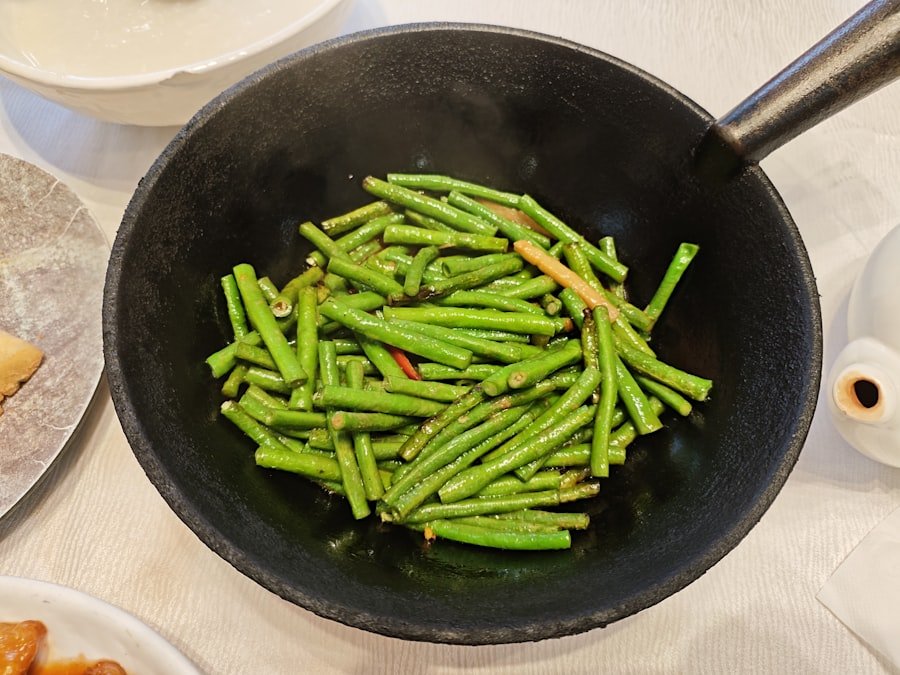
Asparagus beans are not only visually striking but also versatile in culinary applications. Their long pods can be prepared in various ways—steamed, stir-fried, sautéed, or even grilled—making them an excellent addition to numerous dishes. When cooking asparagus beans, it’s important not to overcook them; a quick blanching followed by sautéing preserves their vibrant color and crisp texture while enhancing their natural flavor.
In Asian cuisine, asparagus beans are often featured in stir-fries alongside other vegetables such as bell peppers and carrots or served as part of a noodle dish with savory sauces that complement their taste profile. They can also be pickled for a tangy snack or side dish that pairs well with rice or grilled meats. The nutritional benefits of asparagus beans—rich in vitamins A and C as well as dietary fiber—make them not only delicious but also a healthy choice for any meal.
Troubleshooting Common Issues with Growing Asparagus Beans
Despite their resilience, growing asparagus beans may present challenges that require attention from gardeners. One common issue is poor germination rates due to unfavorable soil temperatures or inadequate moisture levels during planting time. If you notice that your seeds have not sprouted after a couple of weeks, consider re-evaluating your planting conditions—checking soil temperature and moisture content can provide insights into potential problems.
Another issue that may arise is yellowing leaves on your plants, which could indicate nutrient deficiencies or overwatering issues. Yellow leaves often signal a lack of nitrogen; applying a balanced fertilizer may help restore vigor if this is determined to be the case. Conversely, if overwatering is suspected due to soggy soil conditions leading to root rot symptoms like wilting or stunted growth, adjusting your watering schedule will be necessary to promote healthier root development.
By understanding these common challenges associated with growing asparagus beans and implementing effective management strategies early on, gardeners can enjoy a bountiful harvest of this unique legume while minimizing potential setbacks along the way.
FAQs
What are asparagus bean seeds?
Asparagus bean seeds, also known as yardlong beans or Chinese long beans, are the seeds of a type of legume plant that produces long, slender pods that can grow up to 36 inches in length.
How do you plant asparagus bean seeds?
Asparagus bean seeds should be planted in well-drained soil in a sunny location. They can be directly sown into the ground once the soil has warmed up, or started indoors and transplanted once the seedlings are established.
When is the best time to plant asparagus bean seeds?
Asparagus bean seeds should be planted after the last frost date in your area, when the soil has warmed up to at least 70°F (21°C). This is typically in the late spring or early summer.
How long does it take for asparagus bean seeds to germinate?
Asparagus bean seeds typically germinate within 7-14 days after planting, depending on the soil temperature and moisture levels.
How do you care for asparagus bean plants?
Asparagus bean plants require regular watering, especially during dry periods, and benefit from a trellis or support structure to help the vines climb. They also benefit from a balanced fertilizer applied during the growing season.
When are asparagus beans ready to harvest?
Asparagus beans are typically ready to harvest 60-90 days after planting, depending on the variety. They should be picked when they are young and tender, before the seeds inside the pods begin to swell.
How do you harvest asparagus beans?
Asparagus beans should be harvested by gently pulling the pods from the vine when they are young and tender. It’s important to harvest them regularly to encourage continued production.
Can you save asparagus bean seeds for future planting?
Yes, asparagus bean seeds can be saved for future planting. Simply allow the pods to fully mature and dry on the vine, then remove the seeds from the pods and store them in a cool, dry place until you are ready to plant them.