Coppertone Loquat Care Guide: How to Plant, Grow, Prune, and Harvest
Last updated: May 23, 2026
The Coppertone loquat is a glossy evergreen tree or large shrub grown for copper-colored new foliage, fragrant flowers, and yellow to orange fruit in warm climates. You can use it as a specimen tree, privacy screen, patio accent, or edible landscape plant if your site has enough sun, drainage, and winter protection.
This guide explains how to choose the right location, prepare the soil, water, fertilize, prune, manage pests, harvest fruit, and solve common problems. It also corrects one common mistake: Coppertone loquat is often grown as an ornamental first, so fruit production can be irregular in areas with frost.
Quick answer: Plant Coppertone loquat in full sun, use well-drained soil, water deeply while it establishes, prune lightly for structure, and protect flowers and young fruit from frost. Ripe fruit turns yellow to orange and softens slightly on the tree.
Key Takeaways
- Coppertone loquat grows best in full sun but can tolerate partial shade.
- Well-drained soil matters more than rich soil because soggy roots can decline quickly.
- Young trees need consistent moisture, while established trees need water mainly during drought and fruit development.
- Prune lightly to remove dead, damaged, crossing, or crowded branches.
- Flowers and fruit can suffer frost damage even when the tree itself survives cold weather.
- Ripe loquat fruit is edible, but the seeds should not be eaten.
What’s in This Article
- Coppertone Loquat at a Glance
- Choosing the Right Location for Planting
- Soil Requirements for Coppertone Loquat
- Planting and Transplanting Coppertone Loquat
- Watering and Fertilizing Coppertone Loquat
- Pruning and Training Coppertone Loquat
- Protecting Coppertone Loquat from Pests and Diseases
- Harvesting Coppertone Loquat
- Propagating Coppertone Loquat
- Common Issues and Troubleshooting
- FAQs
Coppertone Loquat at a Glance
Before you plant, confirm the name on your nursery tag. Many nurseries sell Coppertone loquat as Eriobotrya japonica ‘Coppertone,’ while some plant references use Eriobotrya ‘Coppertone’ or describe Coppertone as a loquat-related ornamental hybrid. The care needs are similar, but fruiting can vary by plant source and local climate.
| Feature | Best Guidance |
|---|---|
| Common name | Coppertone loquat |
| Botanical label | Eriobotrya japonica ‘Coppertone’ or Eriobotrya ‘Coppertone,’ depending on nursery source |
| Best use | Specimen tree, screen, patio tree, espalier, container plant, or edible landscape tree |
| Sun | Full sun for strongest flowering and fruiting; partial shade is tolerated |
| Soil | Moist, well-drained soil; avoid flooded planting sites |
| Mature size | Often 15 to 30 feet tall, depending on pruning, climate, and plant form |
| Bloom and fruit | Flowers often appear in fall to winter; fruit ripens from late winter through spring in warm climates |
The University of Florida IFAS Extension lists Coppertone loquat as an evergreen tree for USDA hardiness zones 8A through 11 and notes that fruit rarely sets farther north. For broader loquat care, IFAS also recommends full sun, good drainage, and planting away from structures, other trees, and power lines.
Choosing the Right Location for Planting
Selecting the right location is the most important step for healthy Coppertone loquat growth. Choose a site with full sun if you want the best canopy density, flower display, and fruit potential. The tree can tolerate partial shade, but too much shade often leads to thinner growth and fewer flowers.
Give the plant room to mature. Standard loquats can become medium-sized trees if you do not prune them, so avoid planting too close to walls, rooflines, fences, power lines, or other trees. If you plan to keep it as a smaller screen or patio tree, schedule light yearly pruning instead of waiting until it becomes too large.
Wind protection also helps. Strong wind can damage young branches, dry out foliage, and knock flowers or fruit from the tree. A site with good air movement is still useful because crowded, humid canopies can encourage leaf problems.
Planting tip: In frost-prone areas, place Coppertone loquat in the warmest protected part of the garden. A south-facing wall, courtyard, or sheltered slope can help protect flowers and young fruit during cold snaps.
Soil Requirements for Coppertone Loquat
Coppertone loquat performs best in moist, well-drained soil. Loamy soil is ideal because it holds enough moisture for steady growth while allowing excess water to drain away. A sandy loam or loamy soil composition can work well when it contains enough organic matter.
The main soil risk is poor drainage. Loquats do not tolerate flooded soil conditions. Heavy clay can still work if water drains away from the root zone, but a low area that stays wet after rain is a poor planting site.
Before planting, loosen the surrounding soil and remove grass or weeds around the planting area. If the soil is extremely poor, mix compost with the native soil in moderation. Do not place a thick layer of compost, fertilizer, or potting soil at the bottom of the hole because roots can settle too deeply or remain trapped in the amended zone.
A soil test is the safest way to check pH and nutrient levels before you add lime, sulfur, or fertilizer. Mississippi State University Extension notes that loquats prefer well-drained soil with a slightly acidic pH, while North Carolina Extension describes loquat as adaptable to moist, well-drained loamy soil and tolerant of alkaline conditions.
Planting and Transplanting Coppertone Loquat
| Step | What to Do | Why It Matters |
|---|---|---|
| 1 | Choose a healthy nursery tree with no major wounds, pest damage, or circling roots. | A strong root system establishes faster and reduces transplant stress. |
| 2 | Dig a wide hole and keep the top of the root ball level with or slightly above the surrounding soil. | Wide holes help roots move outward, while correct depth prevents crown and root problems. |
| 3 | Backfill with native soil, gently firm it, and water deeply after planting. | Water settles the soil around roots and removes large air pockets. |
| 4 | Add mulch around the root zone, but keep it several inches away from the trunk. | Mulch protects soil moisture, but mulch piled against bark can cause rot and pest problems. |
The best planting time is usually spring or fall when temperatures are moderate. In mild winter areas, fall planting can give roots time to grow before summer heat. In colder edge zones, spring planting can reduce cold stress on a young tree.
If you need to transplant an established Coppertone loquat, water it well the day before moving it. Dig wide enough to keep as much of the root ball as possible. Replant it at the same depth, backfill carefully, and water deeply. Expect some temporary leaf drop after transplanting because the root system has been disturbed.
Watering and Fertilizing Coppertone Loquat
Newly planted Coppertone loquat needs consistent moisture while roots spread into the surrounding soil. Water deeply at planting. During the first weeks, keep the root zone evenly moist but never soggy. Once the tree begins new growth, reduce watering frequency and water deeply instead of sprinkling lightly.
Established loquats can handle short dry periods, but they still perform better with water during extended drought and fruit development. Overwatering can cause decline, especially in heavy or poorly drained soil.
| Tree Stage | Watering Guidance | Fertilizer Guidance |
|---|---|---|
| Newly planted | Water at planting, then keep the root ball evenly moist while the tree establishes. | Avoid heavy fertilizer in the planting hole. Wait until the tree shows active growth. |
| Young tree | Water weekly during dry periods, adjusting for rain and soil drainage. | Use light, balanced feeding based on soil test results and growth response. |
| Mature tree | Water during prolonged dry spells and while fruit is developing. | Fertilize moderately before bloom, after harvest, or during active growth if soil tests support it. |
Use fertilizer with care. Too much nitrogen can push fast, soft leaf growth at the expense of flowers and fruit. It can also make fire blight problems worse on susceptible growth. A balanced fertilizer or compost-based feeding plan is safer than repeated high-nitrogen applications.
Pruning and Training Coppertone Loquat
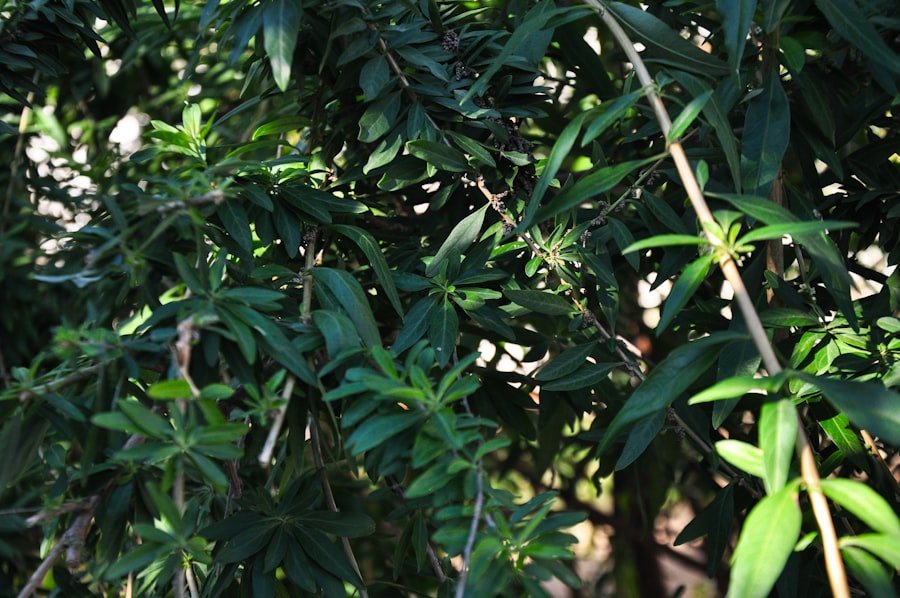
Pruning keeps Coppertone loquat attractive, easier to harvest, and less crowded. Start with the basics: remove dead, damaged, diseased, rubbing, or crossing branches. Then thin crowded areas so light and air can move through the canopy.
For a tree form, keep one strong trunk and select well-spaced scaffold branches. For a shrub or screen, allow more lower branching but remove weak growth that grows inward. For a patio or container plant, prune more often but more lightly so the plant stays balanced.
Avoid removing large amounts of canopy at one time. Heavy pruning can trigger weak water sprouts and reduce flowering. A gradual pruning approach works better for older trees that have become too large.
Key takeaway: Prune for structure first, size second, and fruit third. A clean, open canopy usually performs better than a tree that gets cut back hard every few years.
Protecting Coppertone Loquat from Pests and Diseases
Coppertone loquat can attract sucking pests such as aphids, scale insects, and spider mites. Check the undersides of leaves, new shoots, and branch joints. Sticky residue, distorted new growth, pale speckling, webbing, or sooty mold can signal pest activity.
For small infestations, start with the least aggressive control. Spray pests off with water, prune badly infested twigs, or use insecticidal soap or horticultural oil according to the product label. Avoid broad insecticide use during bloom because bees and other pollinators help with fruit set.
Disease prevention starts with drainage, spacing, and pruning. Leaf spot, root rot, cankers, scab, and fire blight can affect loquats. North Carolina Extension notes that fire blight can be troublesome on loquat. Remove infected shoots with clean tools, avoid excess nitrogen, and improve airflow through the canopy.
| Problem | Common Signs | Best First Fix |
|---|---|---|
| Aphids | Curled new leaves, sticky honeydew, sooty mold | Spray with water, then use insecticidal soap if needed. |
| Scale insects | Small bumps on stems or leaves, yellowing foliage | Prune severe spots and apply horticultural oil at the correct timing. |
| Spider mites | Fine webbing, pale speckled leaves, dry-stress symptoms | Wash foliage and reduce drought stress. |
| Root rot | Wilting despite wet soil, decline, leaf yellowing | Improve drainage and stop frequent shallow watering. |
| Fire blight | Blackened shoots, blighted flowers, scorched branch tips | Prune infected growth, sanitize tools, and avoid excess nitrogen. |
Harvesting Coppertone Loquat
Harvest timing depends on your climate. In warm regions, loquats commonly flower in fall or winter and ripen from late winter through spring. In cooler locations where the crop survives frost, fruit may ripen later. Do not rely on the calendar alone.
Look for fruit that has turned yellow to orange and gives slightly when gently pressed. Ripe loquats taste sweet to tangy. Green or very firm fruit can taste sharp and underdeveloped.
Use pruning shears or scissors to clip fruit clusters from the stem. Pulling by hand can bruise the fruit or damage small branches. Handle ripe loquats gently because they bruise easily and do not store as long as many grocery-store fruits.
Safety note: Eat the ripe flesh, not the seeds. Loquat seeds contain cyanogenic glycosides and should not be chewed, crushed, or used in food without expert safety guidance.
Propagating Coppertone Loquat
You can grow loquats from seed, but seedlings do not reliably match the parent plant. Seed-grown trees also take longer to flower and fruit. If you want a plant that keeps Coppertone traits, choose a grafted or vegetatively propagated nursery plant when possible.
Cuttings are possible but harder than seed propagation. Use healthy semi-hardwood cuttings, remove lower leaves, apply rooting hormone, and keep the medium moist but not waterlogged. Warmth, humidity, and patience matter.
Grafting is the best method for predictable fruit and plant traits, but it requires more skill. Many nursery loquats are grafted because vegetative propagation keeps desirable characteristics more consistent than seed propagation.
Common Issues and Troubleshooting
Most Coppertone loquat problems trace back to water, cold, shade, pruning, or nutrition. Use the table below to diagnose the most common symptoms before adding fertilizer or pesticide.
| Symptom | Likely Cause | What to Do |
|---|---|---|
| Leaf drop | Transplant stress, drought, overwatering, or cold damage | Check soil moisture, improve drainage, and protect young trees from cold wind. |
| No flowers | Too much shade, young plant age, heavy pruning, or excess nitrogen | Increase sunlight, prune lightly, and reduce high-nitrogen fertilizer. |
| Flowers but no fruit | Frost damage, poor pollination, or climate mismatch | Protect bloom from frost and plant pollinator-friendly flowers nearby. |
| Yellow leaves | Water stress, poor drainage, nutrient imbalance, or root damage | Run a soil test and inspect watering habits before fertilizing. |
| Small or sour fruit | Picked too early, drought during fruit growth, or weak tree vigor | Let fruit ripen fully on the tree and water during dry fruiting periods. |
Best first step: Before you treat a struggling Coppertone loquat, check drainage, soil moisture, sun exposure, and recent weather. These four factors explain many loquat problems.
Enjoying the Beauty of Coppertone Loquat in Your Garden
Coppertone loquat adds year-round structure to a warm-climate garden. Its evergreen leaves create a strong backdrop for flowering perennials, shrubs, and patio plantings. New copper-toned growth gives the plant extra color even when it is not flowering or fruiting.
The tree can also support wildlife. Bees and other insects visit the flowers, and birds may feed on ripe fruit. If falling fruit becomes messy near patios or paths, harvest promptly or plant the tree where dropped fruit will not create a problem.
For the best result, treat Coppertone loquat as both an ornamental and a possible fruiting tree. Give it sun, drainage, space, and light yearly pruning. With the right site and steady care, it can become one of the most attractive evergreen trees in your garden.
Recommended Authoritative Sources
- University of Florida IFAS Extension: Eriobotrya japonica ‘Coppertone’
- University of Florida IFAS Extension: Loquat Growing in the Florida Home Landscape
- North Carolina Extension Gardener Plant Toolbox: Eriobotrya japonica
- Mississippi State University Extension: Growing Loquats in Coastal Mississippi
- University of Missouri Extension: Aphids, Scales and Mites
FAQs
What is a Coppertone Loquat plant?
The Coppertone loquat plant is an evergreen ornamental loquat commonly sold as Eriobotrya japonica ‘Coppertone’ or Eriobotrya ‘Coppertone.’ It is known for copper-colored new foliage, glossy mature leaves, fragrant flowers, and edible yellow to orange fruit in suitable climates.
How big does a Coppertone Loquat plant grow?
Coppertone loquat can grow about 15 to 30 feet tall, depending on climate, pruning, and plant form. Some gardeners keep it smaller as a large shrub, container plant, or patio tree through regular light pruning.
What are the main characteristics of the Coppertone Loquat plant?
Coppertone loquat has evergreen foliage, copper-colored new growth, coarse glossy leaves, fragrant flowers, and yellow to orange fruit when conditions support fruiting. It works well as a specimen tree, privacy screen, espalier, or edible landscape plant.
How do you care for a Coppertone Loquat plant?
Plant Coppertone loquat in full sun to partial shade with well-drained soil. Water deeply while it establishes, fertilize moderately based on soil needs, prune lightly for structure, and protect flowers and fruit from frost when possible.
When and how do you harvest Coppertone Loquat fruits?
Harvest loquat fruit when it turns yellow to orange and softens slightly on the tree. Use scissors or pruning shears to clip fruit from the stem. Do not pull hard because ripe loquats bruise easily and small branches can break.
Are Coppertone Loquat fruits edible?
Yes, ripe Coppertone loquat fruits are edible. You can eat the flesh fresh or use it in jams, jellies, sauces, fruit salads, and desserts. Do not eat the seeds because loquat seeds contain cyanogenic glycosides.
Does Coppertone Loquat need another tree for pollination?
Many loquats can set fruit alone, but pollinator activity and nearby compatible loquats may improve fruit quantity and quality. Planting flowers that attract bees can also help improve pollination during bloom.
Why is my Coppertone Loquat not fruiting?
The most common reasons are frost-damaged flowers, too much shade, young plant age, poor pollination, heavy pruning, drought stress, or excess nitrogen fertilizer. Start by checking sun exposure, bloom timing, and winter cold damage.
Can Coppertone Loquat grow in a pot?
Yes, Coppertone loquat can grow in a large container with drainage holes, quality potting mix, bright light, and careful watering. Container plants need more frequent moisture checks and regular pruning to control size.
Is Coppertone Loquat messy?
It can be messy if fruit drops on patios, walkways, driveways, or lawns. Plant it where fallen fruit will not create cleanup problems, or harvest fruit promptly when it ripens.