Edamame seeds grow into compact soybean plants that produce plump, green pods harvested before the beans fully mature. They are a good crop for warm-season gardens because they need full sun, warm soil, steady moisture, and a relatively short window from planting to harvest. With the right timing and spacing, home gardeners can grow edamame for fresh snacks, salads, grain bowls, stir-fries, and freezer storage.
Quick Answer
Plant edamame seeds after the last frost once the soil is warm. Sow seeds about 1 inch deep, space them about 2 inches apart, and keep rows 24–36 inches apart. Grow in full sun, well-drained soil, and harvest when pods are green, plump, and just starting to lose their brightest color.
Key Takeaways
- Edamame is the immature green stage of soybean, harvested before the beans dry on the plant.
- The crop grows best in full sun, warm weather, well-drained soil, and a soil pH near 6.0–6.5.
- Use soybean inoculant when planting in soil that has not grown soybeans before, unless your seed packet says the seed is pre-inoculated.
- Most edamame pods ripen over a short period, so check plants often once pods become full and bright green.
- For best quality, eat fresh edamame within a few days or blanch and freeze it for longer storage.
At a Glance
| Time Required | About 75–100 days from seed to harvest, depending on variety and weather |
| Difficulty | Easy to moderate; timing, warmth, and moisture matter most |
| Tools Needed | Edamame seeds, compost, garden trowel, watering can or hose, mulch, scissors or garden shears |
| Cost | Low; usually the cost of seed, compost, and optional soybean inoculant |
What Are Edamame Seeds?
Edamame seeds are soybean seeds grown for harvest at the young, green stage instead of the fully mature dry-bean stage. The plants produce fuzzy pods that usually contain two or three beans. The beans inside are tender, mildly sweet, and nutty when cooked.
Edamame is usually cooked in the pod, but the pod itself is tough and is not normally eaten. To serve it as a snack, boil or steam the pods, sprinkle them with salt or seasoning, and pop the beans out with your fingers or teeth.
Choosing the Right Variety of Edamame
The best edamame variety depends on your growing season, climate, and how you plan to use the harvest. Instead of choosing only by name, check the seed packet for days to maturity, plant height, pod size, harvest window, and disease notes.
| What to Check | Why It Matters |
| Days to maturity | Short-season gardeners should choose earlier varieties, often around 75–85 days. |
| Pod size and harvest pattern | Many edamame plants ripen most pods at once, which is useful for freezing. |
| Disease notes | Choose varieties with resistance notes if your garden has a history of soybean or bean disease. |
| Flavor and texture | Some varieties are bred for sweeter flavor, larger beans, or more tender texture. |
Common garden varieties include names such as ‘Midori Giant,’ ‘Shirofumi,’ and ‘Sapporo,’ but availability changes by seed supplier. Treat variety descriptions as a starting point, then match the packet instructions to your frost dates and growing season.
Selecting the Ideal Growing Location
Edamame grows best in a sunny, open location that receives at least six hours of direct sun each day. More sun usually means stronger plants, better flowering, and fuller pods. Avoid planting in low spots where water sits after rain, because soggy soil can reduce germination and increase root disease.
Choose a bed with loose, well-drained soil and good air movement. Edamame is a bush-type crop, so it usually does not need a trellis. If your garden is windy, plant near a fence, low windbreak, or taller crop that does not shade the edamame.
Note: Edamame is sensitive to cold soil. Seeds may rot or germinate poorly if planted too early, even when daytime air feels warm.
Preparing the Soil for Edamame Cultivation
Start with a soil test whenever possible. Edamame performs best in fertile, well-drained soil with a slightly acidic pH, commonly around 6.0–6.5 for vegetable soybean production. If your soil test recommends lime, sulfur, phosphorus, potassium, or other amendments, apply them before planting so the bed is ready when the weather warms.
| Soil Preparation Metric | Recommended Target |
|---|---|
| Soil pH | About 6.0–6.5 |
| Organic Matter | Mix in finished compost if soil is low in organic matter |
| Soil Texture | Loose loam or improved garden soil |
| Drainage | Well-drained; avoid standing water |
| Soil Temperature | Warm soil after frost danger has passed |
Because edamame is a soybean, it can form a nitrogen-fixing relationship with the right soil bacteria. If soybeans have not been grown in that bed before, coat the seed with a soybean inoculant labeled for Bradyrhizobium japonicum, unless the packet says the seed is already treated. Rutgers Cooperative Extension recommends inoculating edamame seed with beneficial soybean bacteria and ensuring good drainage before planting. Rutgers Cooperative Extension
Pro Tip: Go easy on nitrogen fertilizer unless a soil test says you need it. Too much nitrogen can encourage leafy growth instead of helping plants focus on pods.
Planting Edamame Seeds
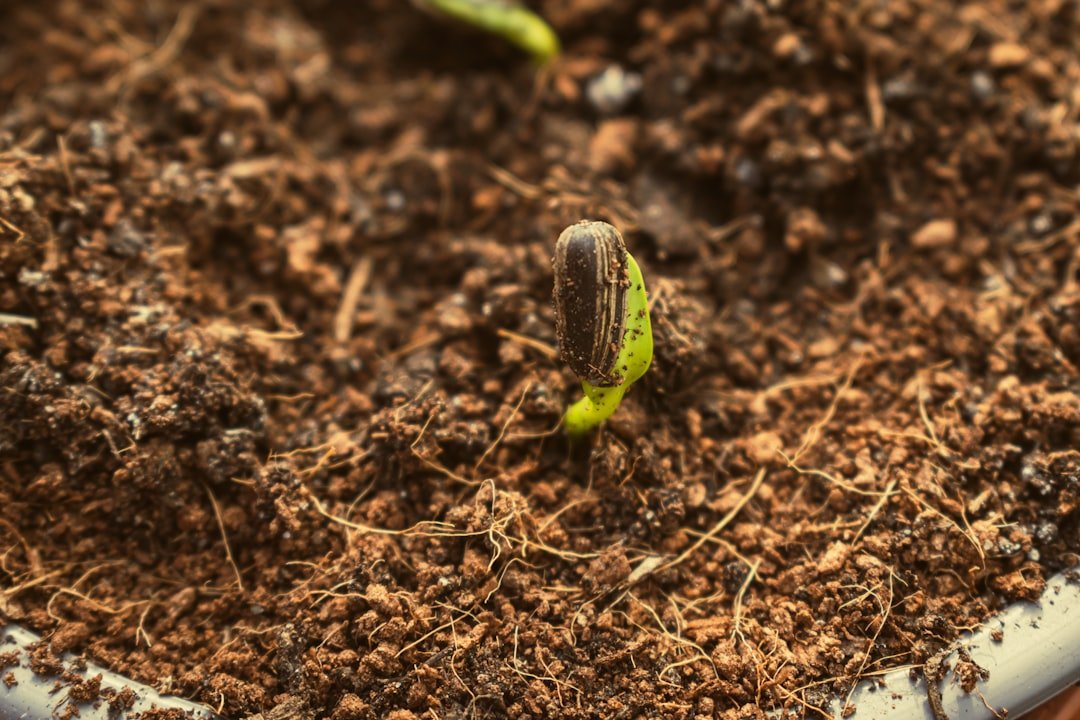
Plant edamame after your last expected frost date when the soil has warmed. Direct sowing is usually better than transplanting because soybean roots do not like being disturbed.
- Prepare the row. Rake the bed smooth and remove weeds, rocks, and compacted clumps.
- Plant the seed. Sow seeds about 1 inch deep. A common spacing is about 2 inches apart in rows 24–36 inches apart, though your seed packet may give variety-specific spacing.
- Water gently. Moisten the soil after planting without creating puddles.
- Thin if needed. If seedlings are crowded, thin them so plants have enough airflow and room to branch.
- Mulch after emergence. Once plants are a few inches tall, add a light mulch layer to conserve moisture and reduce weeds.
For a longer harvest, make a second small planting 10–14 days after the first if your growing season is long enough. In short-season areas, choose early-maturing varieties instead of planting too late.
Growing Edamame in Containers
Edamame can grow in containers if the pot is large enough and drains well. Choose a container at least 12 inches deep, use a high-quality potting mix, and place it where the plants receive full sun. Container plants dry out faster than in-ground plants, so check soil moisture often during flowering and pod fill.
Use a wide container rather than a narrow one so you can grow several plants together. Space plants according to the seed packet, and avoid crowding; tight spacing reduces airflow and can make disease problems worse in humid weather.
Watering and Fertilizing Edamame Plants
Edamame needs consistent moisture, especially during flowering and pod development. Aim for evenly moist soil, not soggy soil. A practical target for many gardens is about 1 inch of water per week from rain or irrigation, with extra attention during hot, dry weather.
Water at the base of the plants when possible. Wet leaves, dense spacing, and poor airflow can increase disease pressure. Mulch helps keep soil moisture more even and reduces competition from weeds.
Fertilizer should be based on a soil test. If the bed is already fertile and the seed is properly inoculated, edamame often needs less nitrogen than leafy vegetables. If growth is pale or weak, check for poor drainage, low soil temperature, low fertility, or poor nodulation before adding more fertilizer.
Managing Pests and Diseases in Edamame
Edamame can be bothered by common soybean and bean pests, including aphids, bean leaf beetles, Japanese beetles, and spider mites. Scout the undersides of leaves, new growth, flowers, and developing pods once or twice a week. Early detection makes control easier.
- Aphids: Look for clusters of small soft-bodied insects and sticky residue. A strong water spray or beneficial insects often helps when populations are low.
- Spider mites: Watch for fine webbing and stippled leaves, especially in hot, dry weather.
- Leaf-feeding beetles: Handpick small garden infestations or use row cover early, removing it when flowering begins if pollinators need access.
- Root rot: Prevent it with warm soil, good drainage, crop rotation, and avoiding overwatering.
- Powdery mildew and leaf diseases: Improve airflow, avoid overhead watering, and remove badly diseased plant debris.
Warning: Do not plant edamame in the same spot year after year if you have had soybean, bean, root rot, or nematode problems. Crop rotation is one of the simplest ways to reduce soil-borne disease pressure.
Harvesting Edamame Pods
Harvest edamame when the pods are still green, plump, and filled out, but before they turn yellow or dry. Most varieties mature in about 75–100 days, and many ripen most of their pods over a short period. Start checking plants daily as soon as the pods swell.
A ready pod should feel firm and full when gently squeezed. If the beans taste tender and slightly sweet after cooking, the timing is right. If they are hard, starchy, or yellowing, they are past the best fresh edamame stage.
Use scissors or garden shears to cut pods from the plant. Harvest in the morning when temperatures are cooler, then refrigerate or cook the pods promptly for best flavor.
Storing and Preserving Edamame
Fresh edamame tastes best soon after harvest. For best quality, use refrigerated edamame within two to three days. Store unwashed pods in a perforated or breathable bag so they do not sit in excess moisture.
For longer storage, blanch and freeze the pods or shelled beans. Bring a large pot of salted water to a boil, add the edamame, boil briefly until bright green and tender, then cool quickly in ice water. Drain well, pack into airtight freezer bags or containers, label, and freeze. Properly frozen edamame can keep good quality for up to 12 months. North Dakota State University Extension
Nutritional Benefits of Edamame
Edamame is valued because it provides plant-based protein, fiber, vitamins, minerals, and naturally occurring soy isoflavones. Soy protein is considered a complete protein because it contains all nine essential amino acids the body must get from food. Harvard T.H. Chan School of Public Health
A ½-cup serving of boiled edamame provides about 11 grams of protein, making it a practical plant-protein option for snacks and meals.
Edamame also adds fiber, which supports fullness and digestive regularity. It works well in vegetarian and vegan meals because it is easy to add to rice bowls, salads, soups, stir-fries, noodle dishes, and dips.
Warning: Soybeans are a major food allergen. Anyone with a soy allergy should avoid edamame. If you take thyroid medication or have a thyroid condition, follow your clinician’s advice about timing soy foods around medication.
Delicious Edamame Recipes to Try
Edamame is easiest to enjoy as a simple snack. Boil or steam the pods until tender, drain well, and sprinkle with sea salt. For more flavor, toss cooked pods with garlic powder, chili flakes, toasted sesame oil, lemon zest, or a small amount of soy sauce.
For the best snack texture, cook edamame just until the beans are tender and bright green. Overcooking can make the beans dull and mushy.
For meals, add shelled edamame to mixed greens, cherry tomatoes, avocado, cucumber, shredded carrots, and a sesame-ginger dressing. The beans add protein and texture without much extra prep.
You can also make edamame hummus. Blend cooked shelled edamame with tahini, lemon juice, garlic, olive oil, salt, pepper, and a splash of water until smooth. Serve it with pita, crackers, or fresh vegetables.
Another quick option is garlic-chile edamame. Warm cooked pods in a skillet with a little oil, minced garlic, chili flakes, and a squeeze of lime. Serve immediately as a side dish or appetizer.
Troubleshooting Common Edamame Problems
| Problem | Likely Cause | Fix |
| Seeds do not sprout | Cold, wet, compacted, or poorly drained soil | Replant after soil warms; improve drainage and avoid overwatering. |
| Plants are yellow | Low fertility, poor nodulation, waterlogged roots, or pH problem | Check drainage, soil pH, and inoculation; fertilize only as needed. |
| Lots of leaves, few pods | Too much nitrogen, too much shade, heat stress, or irregular watering | Grow in full sun, water consistently, and avoid excess nitrogen. |
| Beans are tough or starchy | Harvested too late | Pick when pods are green, full, and still tender. |
Frequently Asked Questions
What are edamame seeds?
Edamame seeds are soybean seeds grown for harvest while the beans are still young, green, and tender. They are the same species as soybeans, but they are picked earlier for fresh eating.
Can I grow edamame seeds at home?
Yes. Edamame can be grown in home gardens and large containers as long as the plants get full sun, warm soil, good drainage, and steady moisture during flowering and pod development.
What are the best growing conditions for edamame seeds?
Edamame grows best in full sun, warm weather, loose well-drained soil, and slightly acidic soil around pH 6.0–6.5. Avoid cold, wet soil and rotate crops if you have grown beans or soybeans in the same bed before.
How do I plant edamame seeds?
Sow edamame seeds directly outdoors after the last frost in warm soil. Plant about 1 inch deep, about 2 inches apart, with rows 24–36 inches apart. Water gently after planting and keep the soil evenly moist until seedlings establish.
How long does it take for edamame seeds to grow?
Most edamame varieties are ready in about 75–100 days from planting. Early varieties may mature sooner, while cooler weather, late planting, or stress can slow growth.
How do I harvest edamame seeds?
Harvest the pods when they are green, plump, and filled out but before they turn yellow or dry. Cut the pods from the plant with scissors or garden shears to avoid damaging the stems.
Are edamame seeds a good source of nutrition?
Yes. Cooked edamame provides plant protein, fiber, folate, minerals, and soy isoflavones. Soy protein is complete, meaning it contains all nine essential amino acids. People with soy allergy should avoid edamame.
Do I need to inoculate edamame seeds?
If your garden has not grown soybeans before, soybean inoculant can help the plants form nitrogen-fixing root nodules. Use an inoculant labeled for soybeans, and follow the product directions.
Can I freeze homegrown edamame?
Yes. Blanch the pods or shelled beans, cool them quickly in ice water, drain well, and freeze in airtight containers or freezer bags. For best quality, use frozen edamame within about 12 months.
Sources
- North Dakota State University Extension — Field to Fork Edamame — planting depth, row spacing, harvest timing, storage, cooking, freezing, and nutrition.
- Rutgers Cooperative Extension — Edamame: The Vegetable Soybean — soil pH, drainage, fertilization, and soybean inoculation guidance.
- Oklahoma State University Extension — Management of Soybean Inoculum — soybean nitrogen fixation and inoculant management.
- University of Nebraska–Lincoln CropWatch — Soybean Insects — common soybean pests and scouting context.
- Harvard T.H. Chan School of Public Health — Straight Talk About Soy — soy protein, amino acids, isoflavones, and nutrition context.
- U.S. Food and Drug Administration — Food Allergies — soybeans as a major food allergen and food-labeling context.