

Growing shallots in containers is an increasingly popular practice among home gardeners, particularly those with limited space or less-than-ideal soil conditions. Shallots, a member of the allium family, are prized for their mild flavor and versatility in the kitchen. Unlike traditional onions, shallots have a more delicate taste and can be used in a variety of dishes, from salads to sauces.
Container gardening allows for greater control over the growing environment, making it easier to manage factors such as soil quality, moisture levels, and pest control. This method is particularly beneficial for urban dwellers or those with small yards who still wish to cultivate their own herbs and vegetables. Container gardening also offers the advantage of mobility.
Gardeners can move pots to take advantage of sunlight or shelter them from harsh weather conditions. Additionally, growing shallots in containers can help prevent soil-borne diseases that might affect plants grown directly in the ground.
Key Takeaways
- Growing shallots in containers is a convenient way to enjoy fresh produce, even with limited space.
- Choose containers that are at least 8 inches deep and have good drainage to ensure healthy shallot growth.
- Use a well-draining, nutrient-rich soil mix for planting shallots in containers, and consider adding compost for extra nutrients.
- Plant shallot bulbs about 1 inch deep and 4-6 inches apart, and keep the soil consistently moist but not waterlogged.
- Place the containers in a sunny location and rotate them regularly to ensure all sides receive adequate sunlight for optimal growth.
Choosing the Right Containers for Shallots
Selecting the appropriate container is crucial for the successful cultivation of shallots. The ideal container should be at least 12 inches deep and wide enough to accommodate multiple bulbs, as shallots grow in clusters. Materials such as plastic, ceramic, or wood can be used, but it is essential that the container has adequate drainage holes to prevent waterlogging, which can lead to root rot.
A container that is too small may restrict root growth and limit the size of the shallots, while one that is too large may retain excess moisture. When choosing a container, consider the weight and portability as well. Heavier materials like ceramic may be more stable but can be cumbersome to move.
On the other hand, lightweight plastic containers are easier to relocate but may require additional anchoring in windy conditions. Additionally, using self-watering containers can be beneficial for shallots, as they help maintain consistent moisture levels without the risk of overwatering.
Selecting the Best Soil for Shallots

The choice of soil is another critical factor in growing shallots successfully in containers. Shallots thrive in well-draining soil that is rich in organic matter. A high-quality potting mix designed for vegetables is often a good starting point.
This type of soil typically contains a blend of peat moss, compost, and perlite or vermiculite, which provides both nutrients and aeration. It is advisable to avoid garden soil, as it may compact in containers and lead to poor drainage. To enhance the nutrient content of the soil, consider mixing in well-rotted compost or aged manure before planting.
This not only improves fertility but also helps retain moisture without becoming waterlogged. A pH level between 6.0 and 7.0 is ideal for shallots; therefore, testing the soil’s pH and amending it with lime or sulfur as needed can promote optimal growth. Additionally, incorporating slow-release fertilizers into the soil mix can provide a steady supply of nutrients throughout the growing season.
Planting and Caring for Shallots in Containers
| Aspect | Details |
|---|---|
| Container Size | Choose a container at least 8 inches deep and 6 inches wide for each shallot bulb. |
| Soil | Use well-draining potting mix with added compost for nutrients. |
| Watering | Keep the soil consistently moist, but not waterlogged. |
| Sunlight | Place the container in a sunny location with at least 6 hours of sunlight per day. |
| Fertilizing | Apply a balanced fertilizer every 3-4 weeks during the growing season. |
| Harvesting | Shallots are ready to harvest when the tops turn yellow and start to die back. |
When it comes to planting shallots in containers, timing is essential. Shallots are typically planted in early spring or late summer, depending on the climate and desired harvest time. To plant shallots, begin by selecting healthy bulbs that are firm and free from blemishes.
Plant them with the pointed end facing upward, burying them about 1-2 inches deep in the soil. Space the bulbs approximately 4-6 inches apart to allow for adequate growth and airflow. After planting, it is important to monitor the containers closely for signs of growth and health.
Shallots require regular care, including weeding and monitoring for pests. Mulching around the base of the plants can help suppress weeds while retaining moisture in the soil. As they grow, shallots will develop green tops that can be harvested as green onions if desired.
Regularly checking for any yellowing or wilting leaves can help identify potential issues early on.
Watering and Fertilizing Shallots in Containers
Watering is a critical aspect of growing shallots in containers, as they are more susceptible to drying out than those planted directly in the ground. Shallots prefer consistently moist soil but do not tolerate soggy conditions. A general rule of thumb is to water when the top inch of soil feels dry to the touch.
During hot weather or if the container is exposed to direct sunlight for extended periods, more frequent watering may be necessary. Fertilization plays a significant role in ensuring healthy growth and robust bulb development. After planting, applying a balanced fertilizer every four to six weeks can provide essential nutrients that support growth.
Organic options such as fish emulsion or seaweed extract can be effective alternatives to synthetic fertilizers. As shallots approach maturity, reducing nitrogen levels while increasing phosphorus and potassium can promote bulb formation and enhance flavor.
Providing Adequate Sunlight for Shallots in Containers
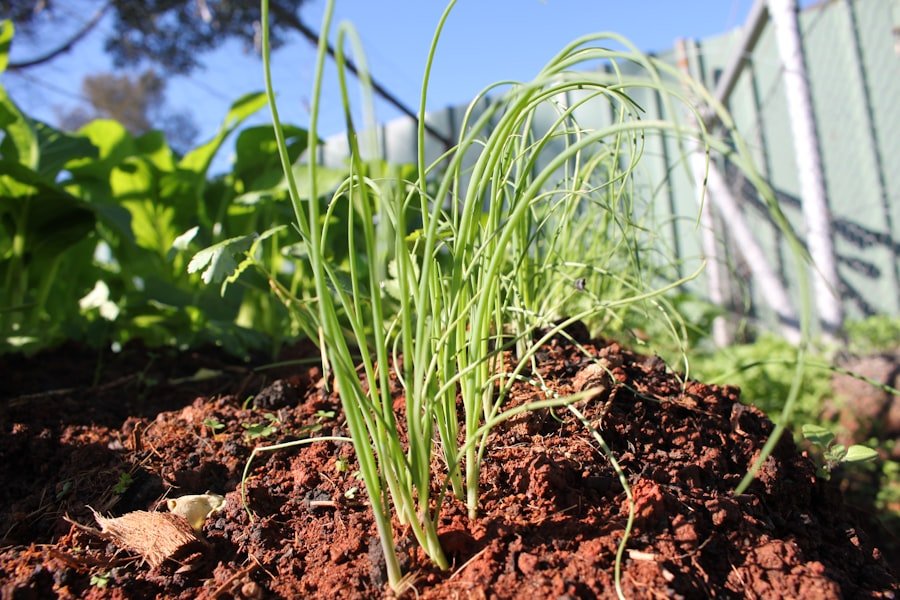
Shallots thrive best when they receive ample sunlight throughout their growing season. Ideally, they should be placed in a location that receives at least six hours of direct sunlight each day. If growing indoors or on a shaded balcony, consider using grow lights to supplement natural light during shorter days or cloudy weather conditions.
Positioning containers strategically can also help maximize sunlight exposure. For instance, placing them on a south-facing balcony or patio can ensure they receive optimal light throughout the day. If growing shallots alongside other plants in containers, be mindful of their height and spread; taller plants may cast shadows that inhibit sunlight from reaching shallots.
Protecting Shallots from Pests and Diseases in Containers
While container gardening can reduce some pest issues associated with traditional gardening, shallots are still vulnerable to certain pests and diseases. Common pests include onion flies, aphids, and thrips, which can damage both foliage and bulbs if left unchecked. Regularly inspecting plants for signs of infestation—such as discolored leaves or visible insects—can help catch problems early.
Implementing preventive measures is key to protecting shallots from pests and diseases. Companion planting with herbs like basil or marigolds can deter pests naturally while promoting a healthy ecosystem around your container garden. Additionally, using organic insecticidal soaps or neem oil can effectively manage pest populations without harming beneficial insects.
Harvesting and Storing Shallots Grown in Containers
Harvesting shallots at the right time is crucial for achieving optimal flavor and storage potential. Typically, shallots are ready to harvest when their tops begin to yellow and fall over, indicating that they have reached maturity. Gently loosen the soil around the bulbs with a garden fork or trowel before carefully pulling them out by hand to avoid damaging them.
Once harvested, proper curing and storage are essential for maintaining quality. Shallots should be laid out in a single layer in a cool, dry place with good air circulation for about two weeks to cure properly. After curing, they can be stored in a dark, well-ventilated area at temperatures between 32°F and 50°F (0°C to 10°C).
When stored correctly, shallots can last several months without losing flavor or texture.
Tips for Maximizing Space When Growing Shallots in Containers
Maximizing space when growing shallots in containers requires strategic planning and creativity. One effective method is to use tiered shelving or vertical gardening systems that allow multiple containers to be stacked or arranged vertically. This not only saves ground space but also enhances sunlight exposure for all plants involved.
Another approach is intercropping shallots with other compatible plants that have different growth habits or nutrient requirements. For example, planting shallots alongside fast-growing crops like radishes or leafy greens can optimize space while providing mutual benefits such as pest deterrence and improved soil health.
Companion Planting with Shallots in Containers
Companion planting is an excellent strategy for enhancing growth and protecting shallots from pests when grown in containers.
For instance, planting marigolds alongside shallots can deter nematodes and other harmful insects due to their strong scent.
Herbs such as basil and parsley are also great companions for shallots; they not only enhance flavor profiles when used together in cooking but also attract beneficial insects like pollinators and predatory wasps that help control pest populations naturally. Careful selection of companion plants can create a thriving ecosystem within your container garden.
Troubleshooting Common Issues When Growing Shallots in Containers
Despite careful planning and execution, gardeners may encounter challenges when growing shallots in containers. One common issue is bulb rot caused by overwatering or poor drainage; this can be mitigated by ensuring containers have adequate drainage holes and monitoring moisture levels closely. Another potential problem is nutrient deficiency, which may manifest as yellowing leaves or stunted growth.
Conducting regular soil tests can help identify deficiencies early on so that appropriate amendments can be made promptly. Additionally, keeping an eye out for signs of pests or diseases will allow gardeners to take action before issues escalate into more significant problems. By understanding these common challenges and implementing proactive measures, gardeners can enjoy a successful harvest of flavorful shallots from their container gardens year after year.
FAQs
What are shallots?
Shallots are a type of onion that have a milder, sweeter flavor than regular onions. They are often used in cooking to add a subtle onion flavor to dishes.
Can shallots be grown in containers?
Yes, shallots can be successfully grown in containers. This is a great option for gardeners with limited space or those who want to control the growing conditions of their shallots.
What type of container is best for planting shallots?
A container that is at least 8 inches deep and has good drainage is ideal for planting shallots. This could be a plastic or terracotta pot, a wooden crate, or a fabric grow bag.
What kind of soil should be used for planting shallots in containers?
A well-draining potting mix with added compost or organic matter is best for planting shallots in containers. This will provide the shallots with the nutrients they need to grow.
How should shallots be planted in containers?
Shallots should be planted with the pointed end facing up, about 1 inch deep in the soil. They should be spaced about 6 inches apart to allow for proper growth.
What kind of care do shallots need when grown in containers?
Shallots grown in containers need regular watering, especially during dry periods. They also benefit from a balanced fertilizer every few weeks to support their growth.
When can shallots be harvested when grown in containers?
Shallots can be harvested when the tops start to turn yellow and begin to die back. This is typically in late summer or early fall, about 90-120 days after planting.