How to Grow Shallots in Containers
What’s in This Article
- Before You Begin
- Choosing the Right Containers for Shallots
- Selecting the Best Soil for Shallots
- Planting and Caring for Shallots in Containers
- Watering and Fertilizing Shallots in Containers
- Providing Adequate Sunlight for Shallots in Containers
- Protecting Shallots from Pests and Diseases in Containers
- Harvesting and Storing Shallots Grown in Containers
- Troubleshooting Common Issues When Growing Shallots in Containers
- Frequently Asked Questions
Fresh shallots can feel out of reach when you only have a balcony, patio, or small sunny corner. A container solves that problem because you control the soil, drainage, water, and spacing.
Shallots belong to the allium family, like onions and garlic, but they bring a softer, sweeter flavor to sauces, salads, roasts, and everyday cooking. With the right pot and steady care, you can grow healthy shallot bulbs without a full garden bed.
Quick Answer
You can grow shallots in containers if you use a deep pot with drainage, rich loose potting mix, and full sun. Plant bulb sets 1 to 2 inches deep and 3 to 6 inches apart. Keep the soil evenly moist, avoid soggy roots, and harvest dry bulbs after most tops fall over.
Key Takeaways
- Choose a container at least 8 inches deep, with 10 to 12 inches better for larger clusters.
- Use loose potting mix with compost so roots get air, moisture, and nutrients.
- Plant shallot sets 1 to 2 inches deep, pointed end up, and space them 3 to 6 inches apart.
- Water when the top inch of soil feels dry, but never let the pot stay soggy.
- Harvest shallots after most tops fall over, then cure the bulbs before storage.
Before You Begin
Estimated total time: Most shallots need several months from planting to mature bulbs. You also need 1 to 2 weeks for curing after harvest.
Start with healthy shallot sets or seeds, but sets give beginners the easiest path. You will also need a container with drainage holes, vegetable potting mix, compost, mulch, and a small trowel.
- Use a pot that drains freely.
- Choose a sunny spot with at least 6 hours of direct light.
- Keep the soil moist but not wet.
- Leave enough space for each bulb to form a cluster.
Choosing the Right Containers for Shallots
Selecting the right container gives your shallots enough root space and helps prevent rot. Choose a pot at least 8 inches deep for a small planting, or 10 to 12 inches deep if you want stronger bulb clusters.
The container can use plastic, ceramic, wood, or fabric, but it must have drainage holes. Poor drainage traps water around the roots and raises the risk of bulb rot.
Match the pot size to your planting plan. A small pot may limit bulb size, while a very large pot can stay wet too long if the mix drains poorly.
Think about weight before you plant. Ceramic pots look stable but can feel hard to move, while plastic and fabric pots stay lighter and work well on balconies.
Pro tip: Set container shallots on pot feet or bricks so extra water can drain fast after rain.
Selecting the Best Soil for Shallots

Shallots grow best in fertile, well-drained soil with plenty of organic matter. Use a high-quality vegetable potting mix instead of heavy garden soil.
Garden soil can compact in containers and block air from the roots. A good potting mix usually includes peat moss or coir, compost, and perlite or vermiculite.
Mix in a small amount of finished compost before planting. Avoid fresh manure because it can bring weed seeds, excess salts, and food safety risks.
Shallots prefer a soil pH near the mildly acidic to neutral range. Utah State University Extension lists a pH range of 5.5 to 7.5 for shallots, while many onion-growing guides recommend 6.0 to 7.0 for alliums.
If you plan to reuse potting mix, refresh it with compost and check drainage first. Replace any mix that smells sour, stays muddy, or came from diseased plants.
Planting and Caring for Shallots in Containers
| Aspect | Details |
|---|---|
| Container Size | Use a container at least 8 inches deep, with 10 to 12 inches better for larger clusters. |
| Soil | Use loose vegetable potting mix with finished compost for organic matter. |
| Watering | Keep the soil evenly moist, but do not let the pot stay waterlogged. |
| Sunlight | Place the container where it gets at least 6 hours of direct sun each day. |
| Fertilizing | Feed lightly after roots start growing, then stop high-nitrogen feeding as bulbs mature. |
| Harvesting | Harvest green tops when they reach 6 to 8 inches, or harvest bulbs after tops fall over. |
Plant shallots in early spring as soon as your local soil and weather allow outdoor planting. In mild climates, you can also plant sets in fall for a later spring harvest.
- Choose firm shallot sets with no soft spots, mold, or deep cuts.
- Fill the container with moist potting mix, leaving about 1 inch of space at the top.
- Place each set pointed end up and root end down.
- Cover the bulbs with 1 to 2 inches of soil.
- Space bulb sets 3 to 6 inches apart, depending on how large you want the clusters.
- Water the pot well until moisture drains from the bottom.
- Add a light mulch layer after shoots appear to hold moisture and slow weeds.
Keep the container clean as the plants grow. Pull weeds early because shallots grow slowly at first and do not compete well.
You can harvest a few green tops once they reach 6 to 8 inches tall. Do not strip too many leaves from one plant because the leaves feed the bulb.
Watering and Fertilizing Shallots in Containers
Container shallots dry out faster than shallots planted in the ground. Check the soil often and water when the top inch feels dry.
Water deeply enough that moisture reaches the lower roots. Utah State University Extension warns that drought stress can reduce shallot growth, yield, and bulb weight.
Avoid soggy soil because overwatering can lead to bulb rot. Empty saucers after watering if they hold standing water.
Feed shallots lightly after roots start growing. A balanced organic vegetable fertilizer or diluted fish emulsion can support leaf growth early in the season.
As bulbs mature, avoid heavy nitrogen feeding. Too much late nitrogen can push leafy growth and reduce storage quality.
Warning: Do not leave shallot containers sitting in water because wet roots can rot fast.
Providing Adequate Sunlight for Shallots in Containers
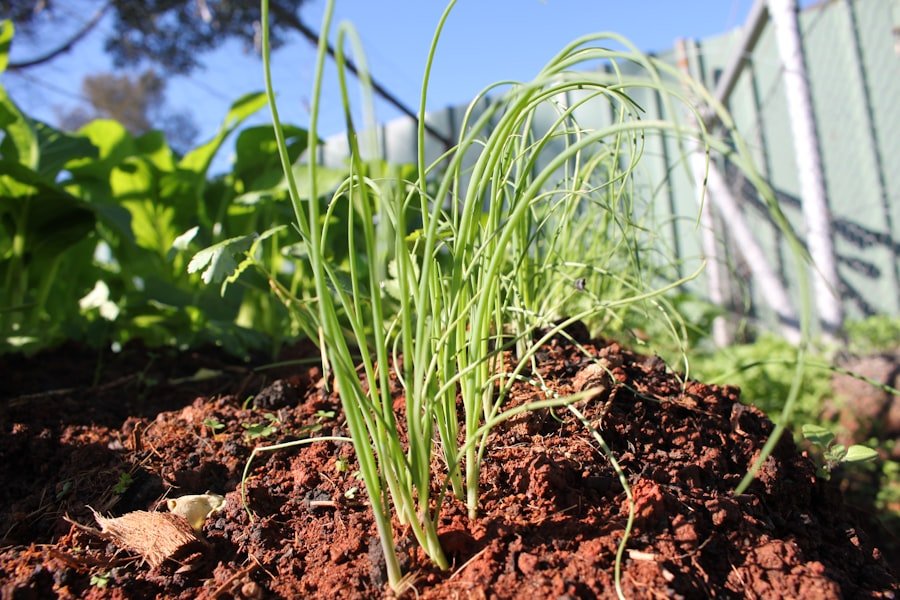
Shallots need full sun for strong tops and bulb growth. Aim for at least 6 hours of direct sunlight each day.
A south-facing balcony, patio, or open porch often works well. Rotate the container every few days if one side gets more light than the other.
If you grow shallots indoors, place them near your brightest window. Use a grow light if the plants stretch, lean, or produce weak pale leaves.
Do not let taller plants shade your shallots. The leaves need steady light so the bulbs can size up before harvest.
Protecting Shallots from Pests and Diseases in Containers
Containers reduce some soil problems, but they do not remove every pest or disease risk. Aphids, onion maggots, and thrips can still attack shallot leaves and bulbs.
Check the plants every few days. Look for twisting leaves, silvery streaks, sticky residue, tiny insects, or wilting plants.
Use simple controls first. Spray thrips and aphids from leaves with a firm stream of water, remove affected foliage, and keep weeds away from the pot.
Good air flow also matters. Crowded plants stay damp longer, which can increase the risk of downy mildew and other fungal problems.
Avoid overhead watering when you can. Water the soil at the base of the plant so the leaves dry faster.
Note: If one plant looks rotten or badly infested, remove it quickly so the problem spreads less.
Harvesting and Storing Shallots Grown in Containers
Harvest green shallot tops during the season when they reach 6 to 8 inches tall. For dry bulbs, wait until most tops fall over and start to dry.
Loosen the soil with a small trowel before lifting the bulbs. Pull gently so you do not bruise or cut the clusters.
Separate clusters only after you lift them from the pot. Handle each bulb carefully because damaged bulbs do not store as well.
Cure shallots in a single layer for 1 to 2 weeks, or until the skins feel papery and the leaves feel dry. Choose a dry, airy place out of rain.
After curing, trim the tops or braid them if they remain clean and dry. Store only firm, undamaged bulbs in mesh bags or trays in a cool, dry, well-ventilated place.
Utah State University Extension recommends cool storage near 32°F to 40°F for cured shallot bulbs. Check stored bulbs often and remove any soft or moldy ones.
Tips for Maximizing Space When Growing Shallots in Containers
You can grow more shallots in a small area when you plan the container layout first. Use long planters, fabric grow bags, or several medium pots instead of one crowded pot.
Keep the spacing tight if you mainly want green tops. Use wider spacing if you want larger bulb clusters for storage.
Tiered shelves can help, but only if each pot still receives enough sun. Place shorter containers in front and taller plants behind them.
You can also grow quick crops nearby, such as radishes or leafy greens. Choose plants that do not shade the shallots or compete heavily for root space.
Companion Planting with Shallots in Containers
Companion planting can help you use container space better and support a healthier growing area.
Marigolds may help attract helpful insects and add color near your container crop. Herbs such as parsley and basil can also fit well if the pot has enough room.
Avoid packing too many plants into one container. Crowding reduces air flow and can leave leaves damp for too long.
Troubleshooting Common Issues When Growing Shallots in Containers
Even careful growers can run into problems with container shallots. Start with the most likely cause, then adjust one thing at a time.
Yellow leaves
Yellow leaves can point to uneven watering, low nitrogen, poor drainage, or normal maturity. Check soil moisture first, then look at plant age and fertilizer history.
Soft or rotten bulbs
Soft bulbs usually mean the container stayed too wet or did not drain well. Remove rotten bulbs, improve drainage, and water less often.
Small bulbs
Small bulbs can come from tight spacing, too little sun, drought stress, or weak soil. Give the next planting more room, better light, and steady moisture.
Silver or twisted leaves
Thrips can cause silvery leaves that twist or dry. Wash pests off with water, remove weeds, and encourage air flow around the plants.
White-gray growth on leaves
White-gray growth can signal downy mildew, especially in damp conditions. Remove affected leaves, avoid wetting foliage, and give plants more space.
Frequently Asked Questions
What are shallots?
Shallots are allium vegetables related to onions and garlic. They usually taste milder and sweeter than regular onions, so cooks often use them in sauces, dressings, roasts, and salads.
Can shallots grow well in containers?
Yes, shallots can grow well in containers when the pot drains well and gets full sun. Container growing also helps you control soil quality and moisture.
What type of container works best for shallots?
A container at least 8 inches deep works for a small shallot crop. Choose 10 to 12 inches of depth if you want stronger roots and larger bulb clusters.
What kind of soil should you use for container shallots?
Use a loose vegetable potting mix with finished compost. Do not use heavy garden soil because it can compact and drain poorly in pots.
How deep should you plant shallot bulbs in containers?
Plant shallot sets 1 to 2 inches deep with the pointed end facing up. Space them 3 to 6 inches apart so each bulb has enough room to grow.
How often should you water container shallots?
Water when the top inch of soil feels dry. Keep the soil evenly moist, but let extra water drain away from the pot.
When can you harvest shallots grown in containers?
You can harvest green tops when they reach 6 to 8 inches tall. Harvest mature dry bulbs after most tops fall over and begin to dry.
Final Thoughts on Growing Shallots in Containers
Growing shallots in containers works best when you focus on drainage, sunlight, spacing, and steady moisture. Start with healthy sets, use loose rich soil, and check your plants often.
Your next step is simple: choose a sunny spot and prepare one well-draining container before planting. With steady care, your small container can produce fresh shallots for your kitchen.
References
- How to Grow Shallots in Your Garden — Utah State University Extension, accessed 2026
- Growing Onions in Home Gardens — University of Minnesota Extension, reviewed 2024
- How to Grow Shallots — Royal Horticultural Society, accessed 2026
- Water Recommendations for Vegetables — Utah State University Extension, accessed 2026