

Heybeliada, the second largest of the Princes’ Islands in the Sea of Marmara, is a gem that lies just a short ferry ride from Istanbul. Known for its lush pine forests, charming streets, and historical significance, this island has been a retreat for both locals and visitors for centuries. The name “Heybeliada” translates to “Saddlebag Island,” a reference to its distinctive shape that resembles a saddle.
The island’s serene atmosphere, combined with its rich history, makes it a unique destination that offers a glimpse into the past while providing a tranquil escape from the bustling city life of Istanbul. The island is characterized by its picturesque landscapes, featuring sandy beaches, crystal-clear waters, and a backdrop of verdant hills. With no cars allowed on the island, transportation is primarily by bicycle or horse-drawn carriage, which adds to its charm and peaceful ambiance.
The blend of natural beauty and historical architecture creates an inviting environment for tourists and residents alike. As we delve into the history of Heybeliada, we will uncover the layers of cultural influences that have shaped this island into what it is today.
Key Takeaways
- Heybeliada is one of the Princes’ Islands in the Sea of Marmara, known for its natural beauty and historical significance.
- The early settlement of Heybeliada dates back to ancient times, and it flourished during the Byzantine period as a religious and cultural center.
- Under Ottoman rule, Heybeliada continued to develop, with the construction of important landmarks and the establishment of religious institutions.
- In the 19th century, Heybeliada became a popular destination for the wealthy and elite, leading to the construction of grand mansions and summer houses.
- Heybeliada played a significant role in Turkish history as a place of exile for political figures and as a center for education and religious training.
Early Settlement and Byzantine Period
The history of Heybeliada dates back to ancient times, with evidence suggesting that it was inhabited as early as the 5th century BThe island’s strategic location made it an attractive site for various civilizations throughout history. During the Byzantine period, Heybeliada became an important religious center. The Byzantines established monasteries and churches on the island, which served as places of worship and refuge for monks and pilgrims alike.
The most notable of these was the Monastery of St. George, which played a significant role in the spiritual life of the region. The Byzantine influence on Heybeliada is evident in its architecture and cultural practices.
The island was often used as a place of exile for political figures and religious leaders who fell out of favor with the ruling powers. This practice contributed to the island’s reputation as a sanctuary, where individuals could find solace away from the turmoil of the mainland. The remnants of Byzantine structures can still be seen today, offering a glimpse into the island’s storied past.
Ottoman Rule and Heybeliada’s Development

With the rise of the Ottoman Empire in the 15th century, Heybeliada underwent significant changes that would shape its future. The Ottomans recognized the island’s potential as a summer retreat for the elite, leading to an influx of wealthy families who built lavish summer homes and villas. This period marked the beginning of Heybeliada’s transformation into a fashionable getaway for Istanbul’s upper class.
The architectural style of these homes reflected the opulence of the era, featuring intricate designs and expansive gardens. During Ottoman rule, Heybeliada also became known for its educational institutions. The island was home to several schools and seminaries, including the famous Heybeliada Greek Orthodox seminary, which attracted students from across the empire.
This focus on education contributed to the cultural richness of the island and solidified its status as a center of learning and spirituality within the Ottoman realm. The legacy of this period can still be felt today, as many of these institutions laid the groundwork for modern educational practices in Turkey.
Heybeliada in the 19th Century
| Year | Population | Number of Houses | Main Occupation |
|---|---|---|---|
| 1800 | 1,200 | 300 | Fishing |
| 1850 | 2,500 | 600 | Trade |
| 1890 | 3,800 | 900 | Tourism |
The 19th century was a pivotal time for Heybeliada, as it experienced a surge in popularity among both locals and foreign visitors. The island became a favored destination for those seeking respite from the heat of summer in Istanbul. The construction of new hotels and guesthouses catered to an increasing number of tourists, while local businesses flourished in response to this growing demand.
The vibrant social scene on Heybeliada included cultural events, music festivals, and art exhibitions that showcased the talents of local artists. This period also saw significant demographic changes on the island. The population became more diverse as people from various ethnic backgrounds settled in Heybeliada, contributing to its multicultural identity.
The coexistence of different communities fostered a spirit of tolerance and collaboration that characterized life on the island during this time. The 19th century laid the foundation for Heybeliada’s modern identity as a melting pot of cultures, where traditions from different backgrounds blended harmoniously.
Heybeliada in the 20th Century
The 20th century brought both challenges and opportunities for Heybeliada. Following World War I and the establishment of the Republic of Turkey in 1923, the island faced significant political and social changes. Many Greek inhabitants left due to shifting demographics and tensions between communities.
Despite these challenges, Heybeliada continued to thrive as a tourist destination, attracting visitors with its natural beauty and historical charm. In the mid-20th century, Heybeliada became increasingly popular among Istanbul’s middle class as a weekend getaway. The development of modern amenities such as restaurants, cafes, and recreational facilities catered to this growing demographic.
The island’s unique blend of history and modernity made it an appealing destination for families seeking leisure activities away from the city. However, rapid urbanization also posed threats to Heybeliada’s natural environment, leading to concerns about preservation and sustainability.
Heybeliada’s Role in Turkish History
Heybeliada holds a significant place in Turkish history due to its role as a refuge during times of political upheaval. Throughout various periods, including during the Ottoman Empire and after the establishment of the Republic, many prominent figures sought solace on the island. Notably, Mustafa Kemal Atatürk, the founder of modern Turkey, visited Heybeliada frequently for relaxation and reflection.
His connection to the island further solidified its status as a symbol of national identity. The island also played a role in shaping Turkey’s cultural landscape. As a site where diverse communities coexisted, Heybeliada became a microcosm of Turkish society.
The blending of different traditions and customs contributed to a rich cultural tapestry that continues to influence contemporary Turkish life. This historical significance is celebrated through various events and festivals that honor Heybeliada’s legacy as a center of cultural exchange.
Heybeliada’s Cultural and Religious Significance
Culturally, Heybeliada is renowned for its vibrant arts scene and religious heritage. The island is home to several important religious sites that reflect its diverse history. The Monastery of St. George remains a focal point for Orthodox Christians, while other mosques serve as places of worship for Muslim residents. This coexistence of faiths is emblematic of Turkey’s broader cultural landscape, where multiple religions have historically thrived side by side. Artistic expression flourishes on Heybeliada through various mediums such as painting, music, and literature. Local artists often draw inspiration from the island’s stunning landscapes and rich history, creating works that resonate with both residents and visitors. Cultural festivals celebrating music, dance, and visual arts are held throughout the year, showcasing local talent while fostering community engagement. This commitment to preserving cultural heritage ensures that Heybeliada remains a vibrant hub for artistic expression.
Heybeliada’s Architecture and Landmarks
The architectural landscape of Heybeliada is a testament to its rich history and diverse influences.
One notable landmark is the historic Greek Orthodox seminary, which stands as a symbol of education and spirituality on the island.
Its elegant design and serene surroundings make it a popular site for visitors interested in history and architecture. In addition to religious buildings, Heybeliada boasts charming wooden houses that line its streets, many dating back to the 19th century. These homes are characterized by their intricate wooden facades and colorful exteriors, contributing to the island’s picturesque charm.
Preservation efforts have been made to maintain these structures, ensuring that future generations can appreciate their historical significance. Walking through the streets of Heybeliada feels like stepping back in time, where each building tells a story of its own.
Heybeliada’s Natural Beauty and Environment
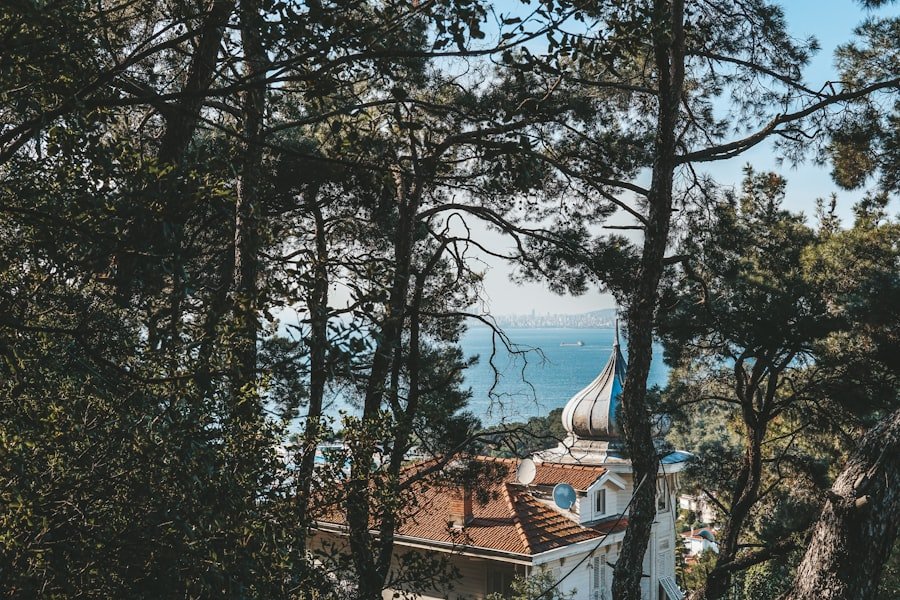
Heybeliada is renowned for its breathtaking natural beauty, characterized by lush greenery and stunning coastal views. The island is covered in pine forests that provide a tranquil escape from urban life while offering opportunities for outdoor activities such as hiking and cycling. Numerous trails wind through these forests, allowing visitors to explore the diverse flora and fauna that thrive in this unique ecosystem.
The beaches surrounding Heybeliada are another highlight, attracting sun-seekers during the summer months. With crystal-clear waters ideal for swimming and relaxing by the shore, these beaches provide an idyllic setting for both locals and tourists alike. Efforts have been made to protect the island’s natural environment from overdevelopment, ensuring that its beauty remains intact for future generations to enjoy.
Heybeliada Today: Tourism and Modern Life
In contemporary times, Heybeliada has evolved into a popular tourist destination while maintaining its unique character. The influx of visitors has led to increased investment in infrastructure and services aimed at enhancing the overall experience for tourists. Restaurants offering local cuisine have flourished alongside boutique shops selling handmade crafts and souvenirs that reflect the island’s cultural heritage.
Despite modernization efforts, Heybeliada has managed to retain its charm and sense of community.
Seasonal events such as festivals celebrating local culture attract both residents and visitors alike, fostering connections between different generations and backgrounds.
Heybeliada’s Enduring Legacy
Heybeliada stands as a testament to resilience and cultural richness throughout its long history. From its early settlement during Byzantine times to its role as a summer retreat during Ottoman rule, each chapter has contributed to shaping this unique island into what it is today. Its significance extends beyond mere geography; it embodies stories of coexistence among diverse communities while serving as an enduring symbol of Turkish identity.
As we look toward the future, it is essential to recognize the importance of preserving both Heybeliada’s natural beauty and cultural heritage amidst modernization pressures. By fostering sustainable tourism practices that respect local traditions while promoting economic growth, we can ensure that this enchanting island continues to thrive for generations to come—an enduring legacy that reflects not only its past but also its potential for future generations.
If you are interested in exploring the history of Heybeliada, you may also enjoy reading about the delightful world of Asian melon. This article discusses the various types of Asian melons and their cultural significance in different countries. You can find more information about Asian melons