History of Heybeliada: Istanbul’s Saddlebag Island
What’s in This Article
- Early Settlement and Byzantine Period
- Ottoman Rule and Heybeliada’s Development
- Heybeliada in the 19th Century
- Heybeliada in the 20th Century
- Heybeliada’s Role in Turkish History
- Heybeliada’s Cultural and Religious Significance
- Heybeliada’s Architecture and Landmarks
- Heybeliada’s Natural Beauty and Environment
- Heybeliada Today: Tourism and Modern Life
- Frequently Asked Questions
- Heybeliada’s Enduring Legacy
Heybeliada gives you one of Istanbul’s calmest escapes, but its quiet streets carry a long and layered past. This island has served as a place of worship, learning, exile, retreat, and local life across many periods of Istanbul’s history.
Heybeliada sits in the Sea of Marmara as the second largest of the Princes’ Islands. Its Turkish name means “saddlebag island,” a name often linked to the island’s shape and hills.
You can reach the island by ferry from Istanbul, then move around mostly on foot, by bicycle, or by approved electric transport. Horse-drawn carriages, once a famous part of island life, left service after Istanbul officials moved to replace them with electric vehicles.
Quick Answer
Heybeliada is a historic island near Istanbul known for Byzantine religious sites, Ottoman-era summer homes, the Halki Seminary, pine forests, and car-light streets. Its history connects Greek Orthodox heritage, Ottoman elite life, Turkish Republican changes, and modern tourism.
Key Takeaways
- Heybeliada is the second largest of Istanbul’s Princes’ Islands and belongs to the Adalar district.
- The island’s earlier Greek name, Halki, links to its long Greek and Byzantine past.
- The Halki Seminary, founded in 1844, shaped Orthodox religious education for more than a century.
- Ottoman-era villas, wooden houses, churches, and monasteries still shape the island’s identity.
- Modern Heybeliada balances tourism, local life, heritage protection, and environmental pressure.
Early Settlement and Byzantine Period
You can trace Heybeliada’s early story through its older Greek name, Halki. Some sources link that name to the Greek word for copper, which points to older traditions about mineral activity on or near the island.
During the Byzantine period, Heybeliada gained importance as a religious and monastic place. Monasteries, churches, and small religious communities helped shape the island’s spiritual identity.
The island also belonged to the wider history of the Princes’ Islands, which often served as places of exile for royal, political, and religious figures. That role gave the islands a quiet but serious place in Byzantine political life.
Several religious sites still help you understand this period. The Monastery of the Holy Trinity became especially important because the later Halki Seminary stood on its grounds.
Ottoman Rule and Heybeliada’s Development
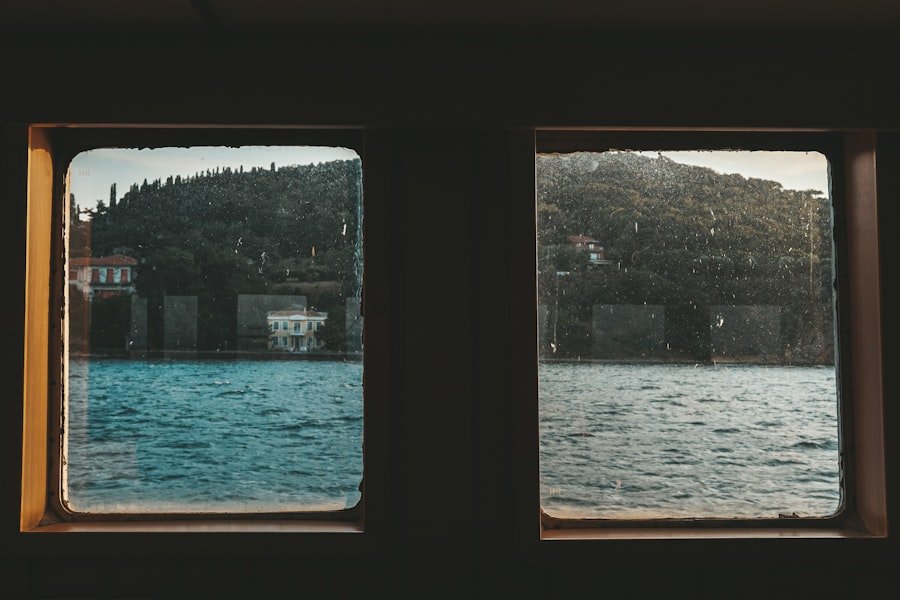
After the Ottoman conquest of Constantinople in 1453, Heybeliada entered a new political and cultural setting. The island kept much of its Greek Orthodox character while also becoming part of the Ottoman world around Istanbul.
Wealthy families later used the island as a summer retreat. They built villas, wooden houses, gardens, and seaside homes that gave Heybeliada much of its familiar look.
The Ottoman period also strengthened the island’s role in education. The Theological School of Halki, often called Halki Seminary, opened in 1844 and trained Orthodox clergy for generations.
According to Reuters, the seminary closed in 1971 after a Turkish court ruling on private higher education. In 2025 and 2026, its possible reopening again became a major subject in religious and diplomatic news.
Heybeliada in the 19th Century
| Period | Main Change | Why It Mattered | Visible Legacy |
|---|---|---|---|
| Early 1800s | Small island community | Local life centered on faith, sea trade, and seasonal movement. | Older churches and village streets |
| Mid-1800s | Halki Seminary opened | The island became a major Orthodox education center. | Seminary buildings on the Hill of Hope |
| Late 1800s | Summer homes expanded | Istanbul families used the island for rest and social life. | Wooden mansions and garden houses |
The 19th century changed Heybeliada’s social life in a lasting way. Better ferry links made island travel easier, and Istanbul residents began to use the Princes’ Islands as summer retreats.
Heybeliada attracted families, visitors, students, clergy, and artists. This mix helped create a culture that felt both local and cosmopolitan.
The island’s wooden houses, narrow streets, gardens, and sea views became part of its appeal. Many of these features still draw visitors who want a slower side of Istanbul.
Heybeliada in the 20th Century
The 20th century brought major political and social changes to Heybeliada. After World War I and the founding of the Republic of Turkey in 1923, the island entered a new national era.
The Greek Orthodox community faced growing pressure during the century, and many Greek residents left Istanbul and the islands over time. These changes reshaped Heybeliada’s population, schools, religious life, and local culture.
Even with those changes, the island kept its place as a summer and weekend destination. Istanbul families visited for beaches, seafood restaurants, walks, and clean air away from city traffic.
Modern transport policy also changed island life. Istanbul officials removed horse-drawn carriages from service in 2020 and supported electric vehicles and bicycles instead.
Note: Visitors often still call the islands “car-free,” but approved electric, emergency, municipal, and service vehicles may operate.
Heybeliada’s Role in Turkish History
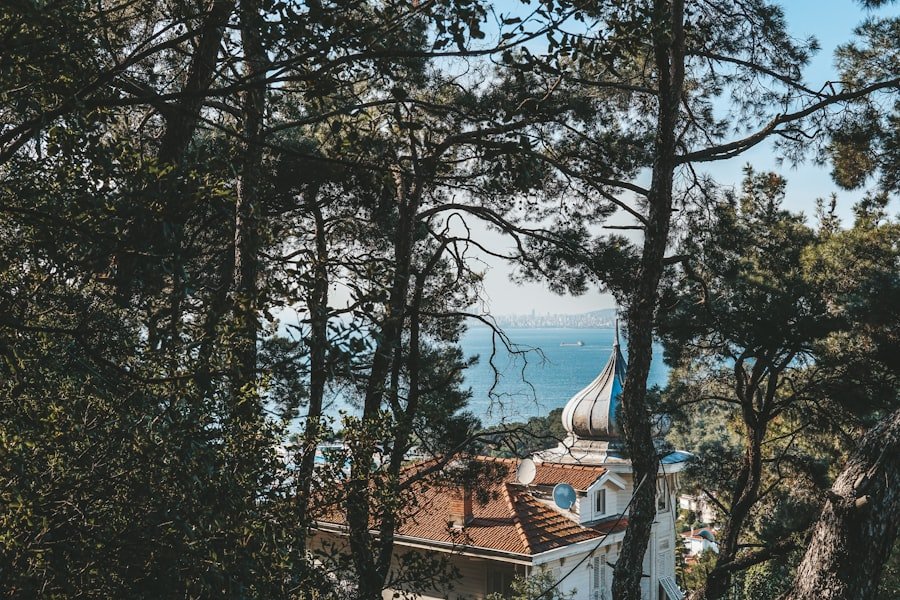
Heybeliada matters to Turkish history because it reflects the wider story of Istanbul. You can see Byzantine, Ottoman, Greek Orthodox, and Republican layers in one small island.
The island also connects to education and military history. The naval school buildings near the ferry area form one of the island’s most visible landmarks.
Mustafa Kemal Atatürk, the founder of modern Turkey, also spent time on the island. That connection adds another layer to Heybeliada’s place in modern Turkish memory.
For many visitors, Heybeliada works like a living archive. Its buildings, coast, pine hills, and religious sites show how different communities shaped Istanbul over many centuries.
Heybeliada’s Cultural and Religious Significance
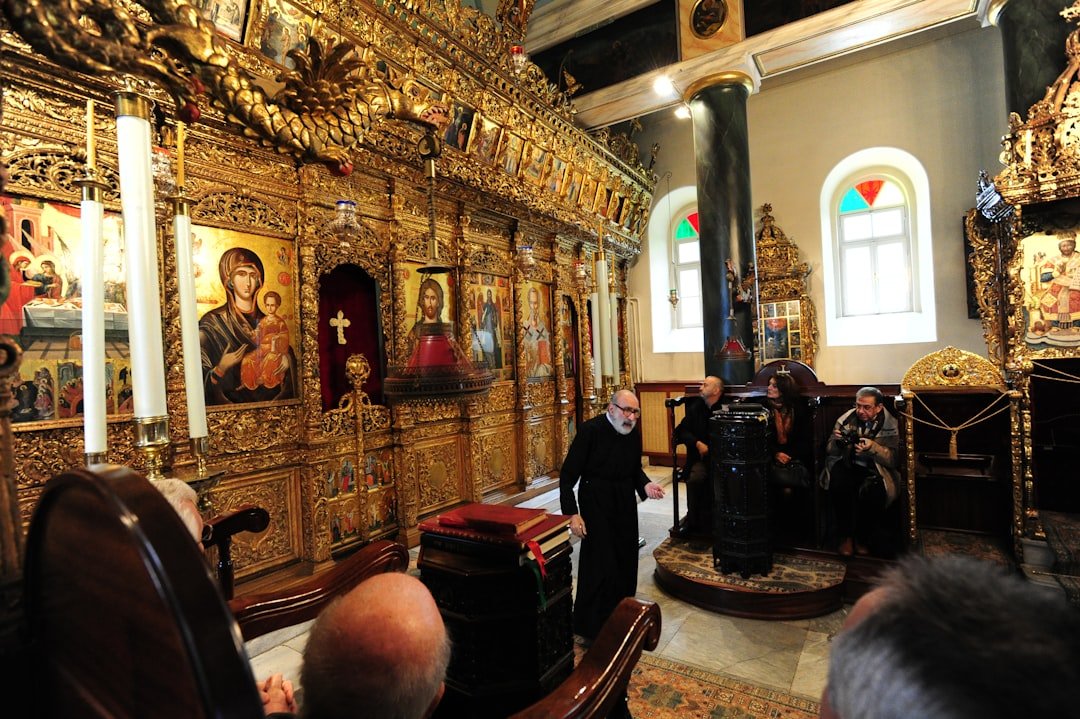
Heybeliada carries deep cultural and religious meaning. The island’s churches, monasteries, mosque, cemetery areas, and school buildings show its mixed heritage.
The Halki Seminary remains the best-known religious institution linked to the island. It trained Orthodox clergy from 1844 until its closure in 1971, and its future status still draws international attention.
In May 2026, Bianet reported that Ecumenical Patriarch Bartholomew said the seminary would reopen in September. Other reports also noted that formal operating details still needed resolution.
Local culture also lives through music, art, food, walking routes, and seasonal events. You can feel that culture in the island’s cafes, sea paths, old houses, and quiet residential streets.
Heybeliada’s Architecture and Landmarks
Heybeliada’s architecture helps you read the island’s past without a museum guide.
The Halki Seminary stands among the island’s most important landmarks. Its site on the Hill of Hope links modern religious history to older monastic tradition.
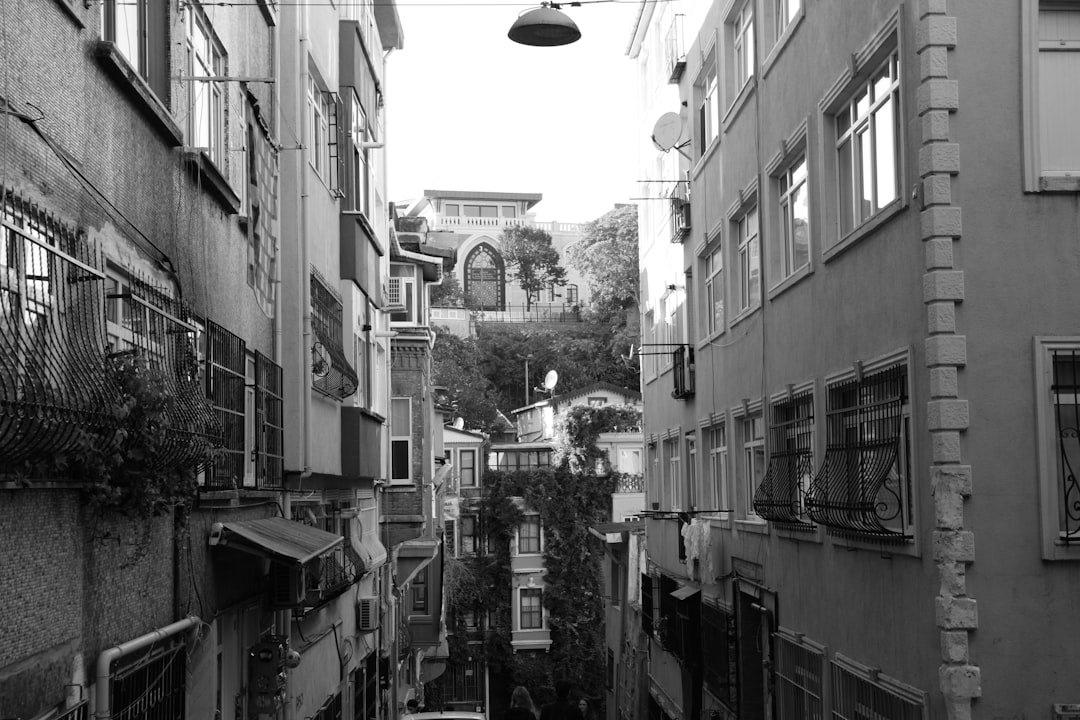
You can also see elegant wooden houses along many streets. These homes often feature balconies, painted facades, gardens, and details tied to late Ottoman island life.
The naval school area near the pier gives Heybeliada a strong institutional presence. It also helps visitors understand how the island connects to modern Turkish state history.
Heybeliada’s Natural Beauty and Environment
Heybeliada’s natural beauty shapes the way you experience the island. Pine forests, hills, sea views, and coastal paths create a quiet setting close to Istanbul.
The island’s green areas make walking and cycling especially popular. You can move from ferry streets to forest paths in a short time.
Beaches and swimming spots attract visitors in warm months. The island can feel much busier during peak travel periods, so early travel helps you avoid the heaviest crowds.
Environmental protection remains a serious issue. More visitors can support local businesses, but heavy tourism can also pressure forests, coastlines, waste systems, and historic streets.
Pro tip: Walk or rent a bicycle if you want to enjoy Heybeliada’s quiet lanes and reduce pressure on local transport.
Heybeliada Today: Tourism and Modern Life
Today, Heybeliada serves both residents and visitors. Local people use the island as home, while tourists often come for a day trip from Istanbul.
You can find restaurants, cafes, small shops, beaches, churches, historical buildings, and walking routes. This mix makes the island useful for both cultural trips and slow travel.
Heybeliada still tries to protect its quiet character.
Turkish Statistical Institute data cited through Wikidata listed Heybeliada’s population as 4,469 in 2024. The island can feel far more crowded when seasonal residents and day visitors arrive.
This gap between permanent life and seasonal pressure shapes many current debates. You can see it in transport rules, building care, forest protection, and the balance between peace and tourism income.
Frequently Asked Questions
What is Heybeliada best known for?
Heybeliada is best known for its pine forests, historic wooden houses, Greek Orthodox heritage, Halki Seminary, and quiet island streets. Many visitors also know it as a peaceful ferry trip from Istanbul.
Why does Heybeliada have the name “Saddlebag Island”?
The Turkish name Heybeliada means “saddlebag island.” Many explanations link the name to the island’s shape and hills, which can resemble a saddlebag form.
Can you drive a car on Heybeliada?
You cannot use private cars for normal travel on Heybeliada. Visitors usually walk, cycle, or use approved electric transport, while emergency and service vehicles still operate when needed.
What happened to the horse-drawn carriages on Heybeliada?
Istanbul officials removed horse-drawn carriages from the Princes’ Islands transport system after animal welfare concerns and a glanders outbreak. Electric vehicles and bicycles replaced much of that transport role.
Is the Halki Seminary open now?
The Halki Seminary closed in 1971 and became a long-running religious freedom issue. In May 2026, Patriarch Bartholomew said it would reopen in September, but reports also noted that formal status questions still needed resolution.
Heybeliada’s Enduring Legacy
Heybeliada’s greatest value comes from the way it joins nature, faith, education, architecture, and daily life. You can walk through a small island and see centuries of Istanbul’s story around you.
The island’s future depends on careful choices. Local leaders, residents, and visitors need to protect forests, historic buildings, religious sites, and the slower rhythm that makes Heybeliada special.
If you visit, treat the island as more than a photo stop. Walk slowly, respect local homes, support small businesses, and leave the island as calm as you found it.
References
- Erdogan-Trump talk fuels Christian Orthodox hopes for school reopening in Istanbul — Reuters, 2025
- Halki Seminary to reopen in September after decades of closure, patriarch says — Bianet, 2026
- İstanbul Metropolitan Municipality to Buy Horse Carriages in Princes’ Islands — Bianet, 2020
- Electric cars to replace carriages on Istanbul islands — Anadolu Agency, 2019
- Heybeliada population data — Wikidata citing Turkish Statistical Institute data
- Ottoman Empire — Encyclopaedia Britannica