Balat is one of Istanbul’s most distinctive historic neighborhoods, with steep streets, colorful 19th-century houses, Jewish heritage, small cafés, antique shops, and views toward the Golden Horn. The best way to explore it is together with neighboring Fener, because several landmarks commonly described as “Balat attractions” are actually across the neighborhood boundary in Fener.
Quick Answer
The best hidden gems in Balat and neighboring Fener include Ahrida Synagogue, the colorful streets around Kiremit Caddesi, the Church of St. Mary of the Mongols, the Ecumenical Patriarchate, Bulgarian St. Stephen Church, Fener Greek High School, small antique shops, and the Golden Horn waterfront.
Key Takeaways
- Balat is especially known for Jewish heritage, colorful historic houses, steep lanes, cafés, and antique shops.
- Fener sits directly beside Balat and contains major Greek Orthodox landmarks, so most visitors naturally explore both neighborhoods together.
- Ahrida Synagogue is a functioning synagogue and requires advance arrangements rather than an unplanned walk-in visit.
- The T5 Eminönü–Alibeyköy tram has both Fener and Balat stations, making the area straightforward to reach from central Istanbul.
- Allow several hours, wear shoes suitable for steep cobblestones, and remember that many photogenic buildings are private homes rather than tourist sets.
Note: Balat and Fener are neighboring but distinct quarters in Istanbul’s Fatih district. Travel guides often combine them because their main sights are close enough to visit on the same walk.
Historical Significance of Balat
Balat’s identity developed through centuries of migration, trade, religion, and neighborhood life along the Golden Horn. Jewish communities became especially important here during the Ottoman period, while nearby Fener became closely associated with Istanbul’s Greek Orthodox community. Armenian Christian, Muslim, Bulgarian Orthodox, Greek Orthodox, and Jewish landmarks all contribute to the wider area’s layered history.
One of Balat’s most important surviving Jewish sites is the Ahrida Synagogue. Sources from Istanbul’s cultural authorities date it to the 15th century. The building was later repaired and reconstructed after fires and other damage, so what visitors see today reflects several periods rather than one untouched medieval structure.
Balat’s residential architecture is another part of that story. Narrow façades, projecting upper floors, terraces, masonry buildings, and surviving wooden details create the streetscape visitors recognize today. Much of the characteristic residential fabric highlighted by tourism authorities is associated with the 19th century.
Balat and Fener: Why the Names Get Mixed Up
Balat and Fener sit side by side on the Golden Horn, and a sightseeing walk can cross between them without an obvious visual boundary. Balat is strongly associated with Istanbul’s historic Jewish community, while Fener is strongly associated with the Greek Orthodox Patriarchate and Greek educational institutions. For an accurate visit, it is better to think of them as two connected historic neighborhoods rather than one interchangeable district.
Off-the-Beaten-Path Attractions in Balat and Fener
The most rewarding stops in Balat and Fener are not all conventional museums. Some are functioning places of worship, one is an operating school, and others are ordinary residential streets. That makes the area interesting, but it also means access and photography should be approached respectfully.
Ahrida Synagogue
Ahrida Synagogue is one of Balat’s most significant Jewish heritage sites and dates to the 15th century. Its history is associated with Jews from Ohrid in the Balkans, and the synagogue is especially known for its distinctive boat-shaped tevah, or reading platform.
Do not assume you can simply walk inside. The Turkish Jewish Community’s visitor information states that visits to Ahrida and Yanbol synagogues require advance reservation. Current instructions say reservations should be made at least three days beforehand, with visiting conditions affected by religious observance and holidays.
Pro Tip: If seeing the interior of Ahrida Synagogue matters to your trip, arrange it before your Istanbul sightseeing day. Build the rest of your Balat walk around the confirmed visit rather than expecting same-day admission.
Yanbol Synagogue
Yanbol Synagogue is another important part of Balat’s Jewish heritage. It is less famous than Ahrida but is included in official tourism material about Fener and Balat. Like Ahrida, it is not a casual tourist attraction with guaranteed walk-in access, so check the Jewish community’s current visitor procedure before planning an interior visit.
Church of St. Mary of the Mongols
The Church of St. Mary of the Mongols, also known as Panagia Mouhliotissa or Kanlı Kilise, is a historic Greek Orthodox church in Fener. Its secluded position on the hillside makes it feel very different from Istanbul’s monumental churches around Sultanahmet. Access can be limited, so treat the church as an active religious site rather than assuming fixed tourist opening hours.
Ecumenical Patriarchate and the Patriarchal Church of St. George
The Ecumenical Patriarchate in Fener is one of the area’s most important religious landmarks. Its Patriarchal Church of St. George is historically significant, but the present church should not be described as a 4th-century building. According to the Ecumenical Patriarchate’s own history, the site became the Patriarchal center around the turn of the 17th century, was refurbished in 1614, and was rebuilt after a fire in 1720.
The church remains an active place of worship. Visitors should keep voices low, dress respectfully, avoid interrupting services, and follow any photography restrictions posted on site.
Bulgarian St. Stephen Church
Bulgarian St. Stephen Church stands beside the Golden Horn and is often called the Iron Church because of its extensive iron construction. The present building opened for worship in 1898. Its prefabricated iron components were manufactured in Vienna, transported to Istanbul, and assembled beside the water.
The church is one of the easiest landmarks to recognize from the waterfront and adds another layer to the area’s religious history beyond its better-known Jewish and Greek Orthodox sites.
Fener Greek High School
The enormous red-brick Fener Greek High School dominates the hillside and can be seen from many streets below. Its present building dates to the late 19th century and remains associated with Greek education in Istanbul.
It is important to remember that this is an educational institution, not a standard museum. Unless a specific public event or authorized visit is available, plan to appreciate the architecture from public streets rather than expecting routine interior access.
Balat’s Colorful Houses
The colorful façades are among Balat’s most photographed sights. Streets around Kiremit Caddesi and the surrounding hillside contain rows of narrow historic houses in pink, blue, yellow, green, and other bright tones.
The appeal comes partly from the fact that these are real residential streets. Keep doorways clear, avoid photographing people through windows, do not sit on private steps without permission, and keep noise down during early-morning photo sessions.
Unique Dining Experiences in Balat
Balat’s food scene is better approached as part of the neighborhood experience than as a checklist of famous fine-dining restaurants. Small cafés, bakeries, breakfast places, lokanta-style eateries, dessert shops, and casual restaurants are scattered along the main streets and side lanes.
A traditional Turkish breakfast can include menemen, eggs, tomatoes, peppers, olives, several cheeses, jam, bread, tea, and seasonal accompaniments. For a lighter break, tea, Turkish coffee, simit, pastries, or a simple dessert fit easily into a walking day.
Meyhane-style dining can also be part of the wider Golden Horn experience, usually centered on shared meze and a relaxed evening meal. Because restaurants change ownership, hours, menus, and names more quickly than historic landmarks do, check current reviews and opening information on the day you visit.
Location Check: Mikla should not be treated as a Balat restaurant; its official address is in Beyoğlu. A reliable current Balat listing for the previously cited “Café Kral” could not be confirmed, so neither is used here as a Balat recommendation.
Art and Culture in Balat
Art in Balat is visible at street level. Murals, painted shutters, hand-lettered shopfronts, restored façades, antiques, photography, and small creative businesses make walking the neighborhood feel different from visiting a conventional gallery district.
Creative workshops also operate in and around Balat, including ceramics, painting, traditional marbling, and other craft activities. Their schedules can change, so check the workshop’s own current booking information instead of assuming daily walk-in sessions.
The Galata Greek School is a genuine contemporary cultural venue, but it should not be described as a Balat attraction. Its official address is in Karaköy, in Istanbul’s Beyoğlu district. It can be worthwhile on another part of an Istanbul trip, but it is not part of a Balat walking route.
Local Markets and Hidden Shops in Balat

Shopping in Balat is spread through the neighborhood rather than concentrated in one giant covered bazaar. Expect small antique shops, vintage objects, secondhand pieces, decorative items, cafés selling locally made goods, neighborhood grocers, and other independent businesses along the busier streets and side lanes.
That makes browsing more spontaneous than visiting the Grand Bazaar. One doorway may lead to an antique-filled shop, while the next street may have a café, workshop, local grocer, or repair business. The changing mix is part of the appeal.
If you buy something that appears genuinely old rather than simply vintage or decorative, ask the seller whether there are any rules affecting export. Turkey protects cultural property, so travelers should not assume every antique object can automatically be taken out of the country.
Outdoor Activities and Nature Spots Around Balat
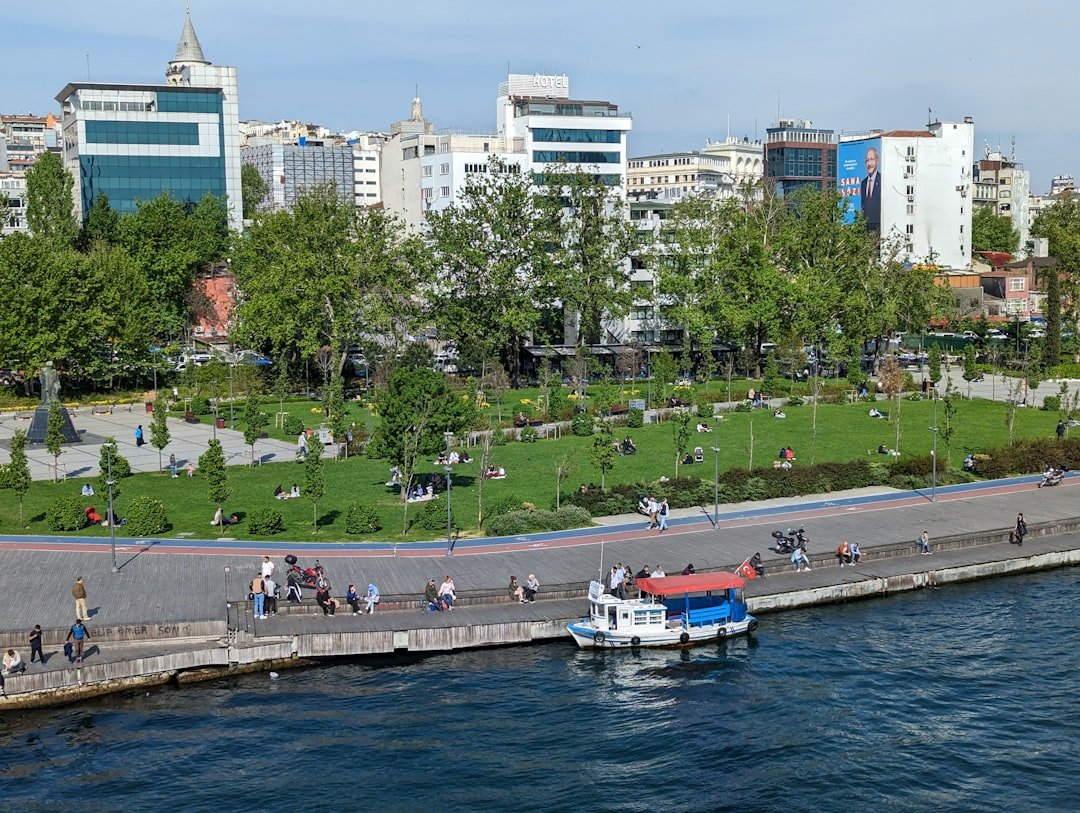
The Golden Horn waterfront provides the easiest outdoor break from Balat’s steep interior streets. The shore is flatter and better suited to a relaxed walk, with open views across the water and links to tram and ferry stops.
For a longer excursion, Pierre Loti Hill offers one of the best-known views over the Golden Horn. It should not, however, be described as being in Balat. Pierre Loti Hill is in Eyüp/Eyüpsultan farther up the Golden Horn and works best as an optional extension after exploring Fener and Balat.
The T5 tram makes that extension practical because the line continues from Balat toward Eyüpsultan, where there is a connection with the cable-car route serving the Pierre Loti area.
How to Get to Balat and Fener
Public transport is now one of the easiest ways to reach the neighborhood. The T5 Eminönü–Alibeyköy tram line serves both Fener and Balat stations. From Eminönü, the tram provides a direct ride along the Golden Horn without requiring a long uphill approach from the Historic Peninsula.
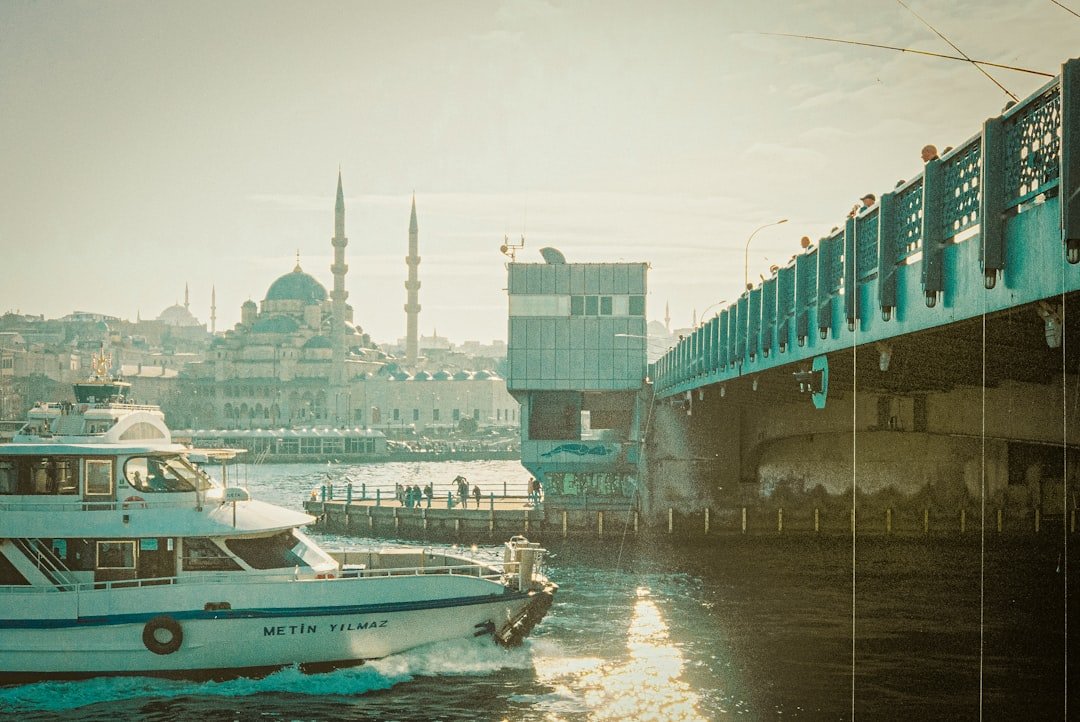
A ferry can be an even more scenic option. Current Şehir Hatları Golden Horn services include Fener and Balat piers on selected routes. Ferry timetables can change by season, weekday, holiday, or operational conditions, so check the official schedule shortly before travel.
Taxis and buses are also available, but traffic around central Istanbul can make rail or ferry transport more predictable during busy periods.
A Simple Half-Day Fener and Balat Walking Route
You do not need to follow a rigid tour to enjoy the area, but a loose sequence prevents unnecessary climbing and backtracking. Allow roughly three to four hours if you want time for photographs, a café break, and exterior sightseeing. Add more time if you have a confirmed synagogue visit.
- Start near Fener: Visit the Ecumenical Patriarchate and Patriarchal Church of St. George while the streets are still relatively quiet.
- Walk uphill toward Fener Greek High School: Take in the red-brick exterior and neighborhood views without treating the school as a walk-in tourist attraction.
- Continue toward St. Mary of the Mongols: See one of Fener’s most atmospheric religious landmarks, subject to current access.
- Cross into Balat’s residential streets: Explore the colorful houses around Kiremit Caddesi and nearby lanes.
- Continue toward Ahrida Synagogue: Enter only if you arranged a visit in advance; otherwise appreciate the surrounding Jewish heritage streets.
- Browse Balat’s cafés and antique shops: Stop for tea, coffee, breakfast, or a light meal rather than rushing through the neighborhood.
- Finish beside the Golden Horn: Visit Bulgarian St. Stephen Church and continue along the waterfront toward the tram or ferry.
Tips for Exploring Hidden Gems in Balat
Go Earlier on Weekdays
Balat’s famous streets can become busy with photography groups and day visitors. An earlier weekday visit usually gives you more room to notice architecture, shops, and everyday neighborhood life.
Wear Shoes for Steep, Uneven Streets
The lanes climbing away from the Golden Horn can be steep, and cobblestones or old paving may be uneven. Comfortable shoes with good grip are more useful here than dress shoes or smooth-soled footwear.
Respect Residential Streets
The colorful houses are not an open-air film set. Keep entrances clear, avoid touching doors and decorations, do not move residents’ belongings for photographs, and ask before taking close-up photos of people.
Check Religious-Site Access Before You Go
Churches and synagogues may close for services, religious holidays, security requirements, restoration, or community events. Ahrida and Yanbol have formal advance-visit procedures, while access at smaller churches may be more limited than a standard museum.
Leave Space for Unplanned Discoveries
Balat still rewards wandering. A side street may reveal a small workshop, old shop sign, quiet courtyard, unusual façade, local bakery, or view down toward the Golden Horn that never appears on a “top ten” list.
If you are looking for more hidden gems, resist the urge to rush to an unrelated attraction as soon as you photograph the famous houses. The quieter streets between Balat and Fener, the religious heritage buildings, small shops, waterfront, and everyday neighborhood details are what make this part of Istanbul worth exploring slowly.
Balat is more than a collection of colorful façades. Its strongest appeal comes from the layers of Jewish, Greek Orthodox, Bulgarian, Armenian, Muslim, and everyday Istanbul history found within a compact area. Exploring with accurate expectations about neighborhood boundaries, access, and local etiquette produces a more meaningful visit than simply moving from one photo spot to the next.
Sources
- GoTürkiye — Fener and Balat Neighbourhoods — historical communities, architecture, synagogues, churches, and neighborhood context.
- Ecumenical Patriarchate — History of the Patriarchal Church of St. George — verified chronology of the present Patriarchal church.
- Turkish Jewish Community — Synagogue Visits — current reservation requirements for Ahrida and Yanbol synagogues.
- Türkiye Culture Portal — Sveti Stefan Church — Iron Church history, construction, and location.
- Metro İstanbul — T5 Eminönü–Alibeyköy Tram Line — current Fener and Balat tram access.
- Şehir Hatları — Golden Horn Ferry Line — current ferry stops serving Fener and Balat.
Frequently Asked Questions
What is Balat?
Balat is a historic neighborhood in Istanbul’s Fatih district on the Golden Horn. It is known for colorful historic houses, steep streets, Jewish heritage, small cafés, antique shops, and its close connection with neighboring Fener.
What are some hidden gems in Balat and Fener?
Highlights include Ahrida Synagogue, Yanbol Synagogue, the colorful houses around Kiremit Caddesi, the Church of St. Mary of the Mongols, the Ecumenical Patriarchate and Church of St. George, Bulgarian St. Stephen Church, Fener Greek High School, small antique shops, and quieter residential lanes away from the main photo spots.
Are Balat and Fener the same neighborhood?
No. They are neighboring historic quarters that are commonly explored together. Balat is especially associated with Jewish heritage, while Fener contains major Greek Orthodox institutions such as the Ecumenical Patriarchate and Fener Greek High School.
Can you visit Ahrida Synagogue?
Yes, but it is not normally a spontaneous walk-in attraction. The Turkish Jewish Community states that Ahrida and Yanbol visits require advance reservation, currently at least three days beforehand, with visiting days and hours affected by religious observance and holidays.
What is the Church of St. Mary of the Mongols?
The Church of St. Mary of the Mongols, also known as Panagia Mouhliotissa or Kanlı Kilise, is a historic Greek Orthodox church in Fener. It is one of the area’s important Byzantine-era religious sites, although visitor access can be more limited than at a conventional museum.
Does the Patriarchal Church of St. George date to the 4th century?
No. The current Patriarchal Church in Fener should not be described as a surviving 4th-century building. The Ecumenical Patriarchate states that the site became its center around the turn of the 17th century; the church was refurbished in 1614 and rebuilt after a fire in 1720.
What is Fener Greek High School?
Fener Greek High School is the large red-brick Greek educational institution overlooking the Golden Horn. Its current monumental building dates to the late 19th century. Because it remains an educational institution, visitors should not assume routine tourist access to the interior.
How do you get to Balat from central Istanbul?
One of the easiest options is the T5 Eminönü–Alibeyköy tram, which has separate Fener and Balat stations. Şehir Hatları ferry services on the Golden Horn also serve Fener and Balat on current routes, making a ferry a scenic alternative when the timetable suits your trip.
How long should you spend in Balat and Fener?
Three to four hours is a comfortable amount of time for a first visit covering the main streets, religious landmarks from the exterior, a café stop, shops, and the waterfront. Allow longer if you have a confirmed synagogue visit, want to photograph slowly, or plan to continue toward Eyüpsultan and Pierre Loti Hill.