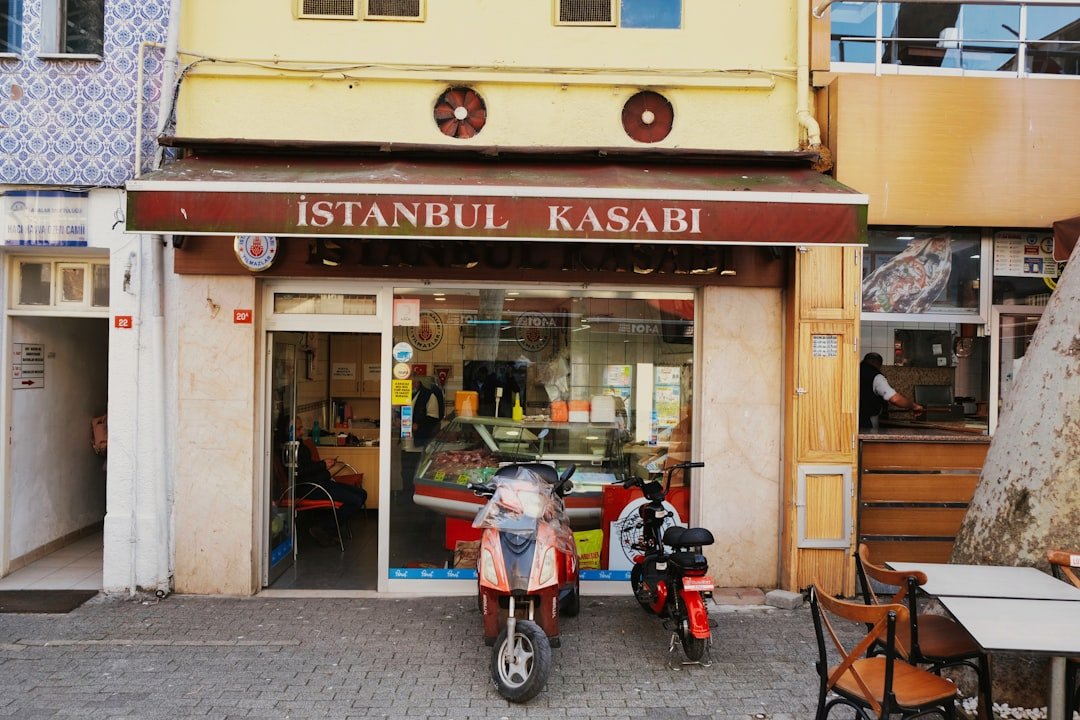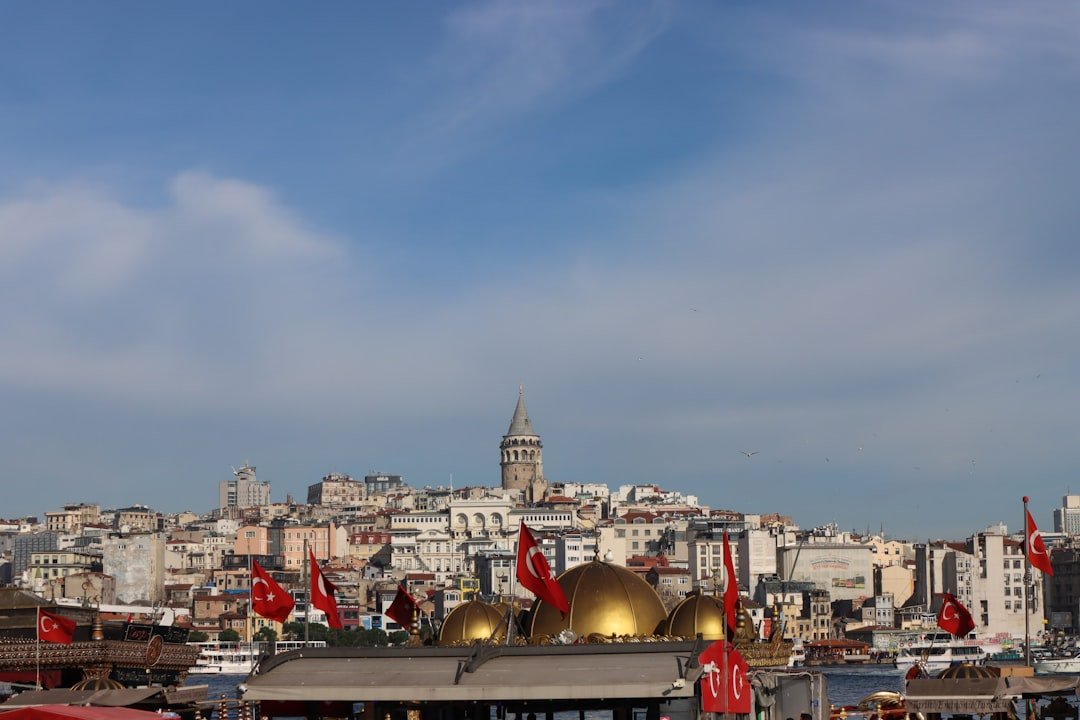
Beyoğlu is one of Istanbul’s most historically layered districts, but its story is easier to understand when Galata, Pera, and modern Beyoğlu are separated. Galata developed as an important settlement and trading center on the northern side of the Golden Horn, while the higher ground later known as Pera expanded more gradually. Under Ottoman rule and especially during the 19th century, the area became a major center of diplomacy, commerce, entertainment, architecture, and cultural exchange.
Quick Answer
Beyoğlu grew from the districts around Genoese Galata and the Ottoman-era hills of Pera into Istanbul’s leading 19th-century commercial and diplomatic quarter. European embassies, theaters, shops, transport improvements, and multicultural communities shaped its identity. In the Republic era, Beyoğlu remained a major center of culture, nightlife, politics, tourism, and the arts.
Key Takeaways
- Galata was an important settlement before the Ottoman conquest, while the higher Pera area developed more fully afterward.
- The present Galata Tower was built by the Genoese in 1348, before Constantinople became part of the Ottoman Empire.
- Beyoğlu’s greatest transformation came during the 19th century, when embassies, businesses, theaters, new municipal services, and European architectural influences reshaped the district.
- The 20th century brought both cultural growth and painful demographic changes that altered Beyoğlu’s once highly cosmopolitan population.
- Today, İstiklal Avenue, Galata, Taksim, museums, cinemas, galleries, music venues, restaurants, and historic buildings keep Beyoğlu at the center of Istanbul’s cultural life.
Note: Galata, Pera, and Beyoğlu overlap historically but are not perfect synonyms. Galata traditionally refers to the lower area near the Golden Horn and Galata Tower. Pera was widely used for the higher district around today’s İstiklal Avenue, while Beyoğlu eventually became the dominant name for the wider district.
From Galata and Pera to Ottoman Beyoğlu
Parts of the area now included within Beyoğlu were connected to Byzantine Constantinople, but the settlement pattern was not the same as it is today. According to the Beyoğlu Municipality’s historical overview, the hills later associated with Pera were largely outside the densely settled Byzantine city, while Galata on the opposite side of the Golden Horn developed as an important commercial settlement.
Galata became especially important under the Genoese. Türkiye’s official museum service states that a Genoese colony known as Pera was established in Galata in 1267 and that the surviving Galata Tower dates to 1348. Built as part of the fortified Galata settlement, the tower therefore predates the Ottoman conquest of Constantinople in 1453.
After the Ottoman conquest, Galata was incorporated into the expanding imperial capital. Settlement gradually spread beyond the older Galata walls toward the hills of Pera. Muslim, Greek Orthodox, Armenian, Jewish, Levantine, and foreign communities all contributed at different times to the commercial and social character of the area.
Foreign diplomatic missions also helped shape Pera. European embassies and the communities connected to them established residences, churches, businesses, schools, and social institutions in and around the district. This international presence later became one of the foundations of Beyoğlu’s cosmopolitan reputation.
European Influence and Modernization
The 19th century was the decisive period in Beyoğlu’s transformation. Galata remained a major commercial zone, while Pera increasingly developed as a diplomatic, financial, residential, shopping, and entertainment district. Foreign bankers, merchants, diplomats, hotel operators, theater owners, restaurateurs, and other businesses contributed to a streetscape that looked noticeably different from many older parts of Istanbul.
Architectural change was equally visible. Neoclassical, Neo-Baroque, Art Nouveau, and other European-influenced styles appeared alongside Ottoman buildings. Apartment blocks, passages, hotels, theaters, churches, consulates, shops, and cafés gave the area a dense urban character.
Modern municipal services also arrived early in Beyoğlu. Road improvements, paving, street lighting, sanitation work, and new transportation systems helped make the district one of Istanbul’s principal testing grounds for modern urban administration. The historic Tünel connection between Karaköy and Beyoğlu began operating in 1875, further strengthening the connection between the waterfront commercial district and the higher Pera area.
Beyoğlu’s 19th-century identity was created not by one culture replacing another, but by the concentration of Ottoman, European, Levantine, Muslim, Christian, Jewish, diplomatic, commercial, and artistic influences in the same urban district.
Beyoğlu History Timeline
- Byzantine period: Galata developed across the Golden Horn from Constantinople, while much of the higher Pera area remained less intensively settled.
- 1267: A Genoese colony was formally established in Galata.
- 1348: The present Galata Tower was built under Genoese rule.
- 1453: Constantinople came under Ottoman rule, and Galata was incorporated into the Ottoman capital.
- 16th–18th centuries: Settlement, diplomatic missions, religious institutions, and residences expanded toward Pera.
- 19th century: Pera and Galata became major centers of commerce, diplomacy, entertainment, urban modernization, and European-influenced architecture.
- 1875: The historic Tünel railway began connecting Karaköy and Beyoğlu.
- 1923: The establishment of the Republic of Turkey began another period of political, social, and cultural change.
- 20th century: Beyoğlu remained a center of cinema, theater, nightlife, shopping, publishing, music, and political activity while also experiencing major demographic change.
- 2013: Gezi Park and nearby Taksim Square became the center of demonstrations that spread far beyond Beyoğlu.
- Today: Beyoğlu remains one of Istanbul’s best-known districts for historic architecture, tourism, food, cinema, music, museums, galleries, shopping, and nightlife.
Beyoglu as a Cultural and Entertainment Hub

Beyoğlu has been associated with entertainment and the arts for generations. Theaters, music halls, cinemas, cafés, restaurants, bookstores, galleries, and performance spaces have repeatedly made the district a meeting point for audiences, performers, writers, filmmakers, and artists.
One important example is Atlas Cinema. The building that contains it was constructed in 1870, but the cinema itself did not open in 1924 as the original article stated. According to the official Atlas 1948 and Istanbul Cinema Museum history, the Atlas Passage was turned into an entertainment and arts center in the 1930s, and Atlas Cinema opened in 1948.
Atlas remains part of Beyoğlu’s cinema culture. The Istanbul Film Festival is not limited to Beyoğlu, but the district continues to provide important venues. For example, the 45th Istanbul Film Festival in April 2026 used seven cinemas across Istanbul, including Atlas 1948 and Beyoğlu Cinema.
The area’s visual-art tradition is similarly broad. Established museums and commercial galleries operate alongside independent exhibition spaces and street art. Murals, temporary installations, photography, illustration, and contemporary art add another layer to streets already shaped by centuries of architecture.
Beyoglu in the 20th Century
The creation of the Republic of Turkey in 1923 brought major political and cultural changes to Istanbul. The name Pera gradually lost its official role as Beyoğlu became the standard Turkish name for the district. At the same time, İstiklal Avenue and the surrounding streets continued to support cinemas, theaters, restaurants, shops, hotels, publishing houses, and nightlife.
The century was not a simple story of modernization and entertainment, however. Beyoğlu’s multicultural communities also faced periods of discrimination, economic pressure, migration, and violence. Policies affecting non-Muslim communities and the attacks of September 6–7, 1955 had lasting consequences for Istanbul’s Greek population and also affected Armenian, Jewish, and other residents and businesses. These developments contributed to major demographic changes in areas including Beyoğlu.
Despite these disruptions, the district remained one of Istanbul’s most important cultural centers. Cinema became particularly influential, and the wider Beyoğlu area became closely associated with Yeşilçam, the popular name for Turkey’s film industry. Theaters, music venues, bars, publishing activity, and later Turkish pop and rock scenes helped successive generations rediscover the district.
By the late 20th century, periods of decline, restoration, pedestrianization, tourism growth, and commercial redevelopment were again changing İstiklal Avenue and nearby neighborhoods. Beyoğlu repeatedly reinvented itself while retaining traces of earlier eras.
Beyoglu Today: A Modern and Vibrant Neighborhood
Today, Beyoğlu combines historic buildings with contemporary cultural and commercial life. İstiklal Avenue remains its best-known pedestrian corridor, connecting the Tünel/Galata area with Taksim while passing churches, passages, shops, restaurants, cultural institutions, diplomatic buildings, cinemas, and side streets with their own distinct histories.
The wider district contains very different neighborhoods. Galata attracts visitors to its tower and steep streets; Cihangir is known for residential streets, cafés, and creative communities; Karaköy combines port history with restaurants, galleries, and hotels; and Taksim remains a major transport, meeting, cultural, and political space.
Modern Beyoğlu also includes coworking offices, design studios, independent businesses, galleries, performance spaces, international brands, traditional trades, restaurants, and nightlife. Tourism and redevelopment continue to influence the district, making preservation of historic architecture and neighborhood character an ongoing concern.
Pro Tip: To understand Beyoğlu’s history on foot, follow a route from Galata and Tünel toward İstiklal Avenue, Galatasaray, and Taksim. The change in buildings, passages, religious sites, theaters, shops, and public spaces makes the district’s different historical layers easier to recognize.
Famous Landmarks and Attractions in Beyoglu
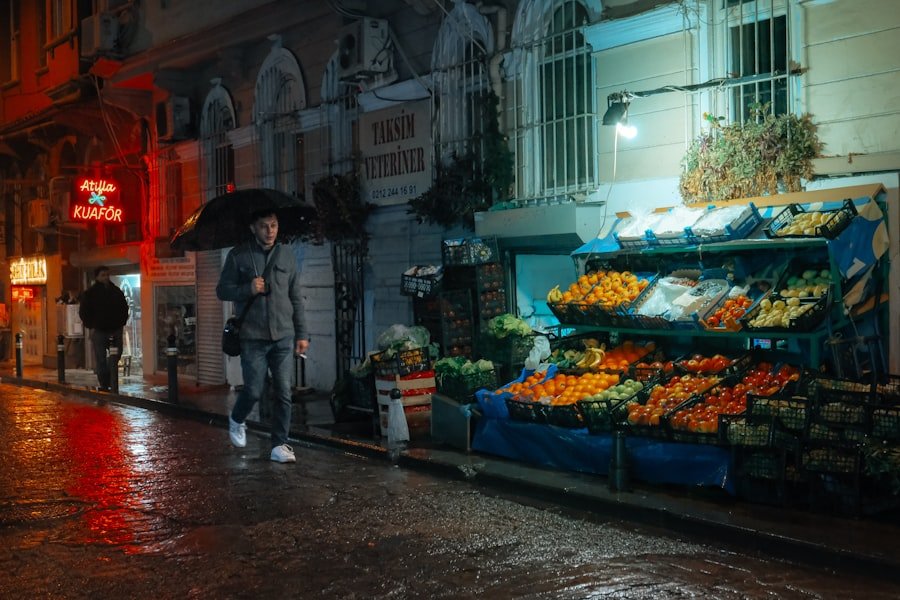
Galata Tower is one of the district’s most recognizable landmarks. The present structure dates to 1348, when it formed part of the Genoese fortifications of Galata. After the Ottoman conquest it served different functions over the centuries. Today, it operates as a museum and viewing point with wide views across Istanbul.
İstiklal Avenue traces the heart of historic Pera. Once widely known by names including Grande Rue de Péra and Cadde-i Kebir, the street developed into a major shopping, entertainment, diplomatic, and social corridor during the 19th century. Its passages, churches, consulates, shops, cinemas, and side streets preserve evidence of that history.
Taksim Square is one of modern Istanbul’s best-known public spaces. The Republic Monument, transportation connections, surrounding cultural venues, hotels, and entrances to İstiklal Avenue make it a major gathering point.
Gezi Park, beside Taksim Square, is also historically important. In 2013, opposition to redevelopment plans for the park developed into a much larger protest movement. The events reinforced the long-standing political importance of Taksim and Beyoğlu as spaces for public assembly.
Pera Museum opened in 2005 in a restored historic building in Tepebaşı. The museum’s Orientalist Painting Collection includes works connected to the Ottoman world, while its wider collections and temporary exhibitions explore art and cultural history.
Çiçek Pasajı, or Flower Passage, is another familiar İstiklal Avenue landmark. Its restaurants and historic passage setting reflect the long tradition of dining, entertainment, and social life associated with Beyoğlu.
Beyoglu’s Role in Turkish Politics and Society
Beyoğlu has repeatedly served as a stage for political discussion, public gatherings, celebrations, demonstrations, and civic movements. Its central location, dense pedestrian streets, universities, cultural venues, media connections, and Taksim Square have made the district unusually visible in Turkish public life.
The 2013 Gezi Park protests are the best-known recent example. Demonstrations began in response to plans affecting Gezi Park and police intervention against protesters. They soon expanded into a much broader protest movement involving political, social, environmental, and civil-liberties concerns.
Beyoğlu’s political importance is older than the Gezi movement. Its cafés, theaters, newspapers, bookstores, clubs, cultural institutions, and public spaces have long allowed political and intellectual communities to meet. Taksim Square in particular has hosted everything from official ceremonies to mass demonstrations.
The district’s multicultural history also shaped its social identity. For centuries, Muslims, Greek Orthodox Christians, Armenians, Jews, Levantines, foreign diplomats, migrants, merchants, and other communities interacted in the wider Galata-Pera-Beyoğlu area. That coexistence was never free of tension, but it left a lasting mark on the district’s architecture, religious sites, food, commerce, language, and cultural memory.
Beyoglu’s Contribution to the Arts and Literature
Beyoğlu’s influence on Turkish culture extends across literature, cinema, theater, photography, music, painting, and publishing. Writers and artists have repeatedly used its apartments, passages, cafés, hotels, cinemas, night streets, shops, crowds, and changing neighborhoods as subjects.
Orhan Pamuk’s writing about Istanbul frequently engages with Beyoğlu and the city’s relationship with memory, modernization, Westernization, and urban change. His work reflects themes that are especially visible in a district where Ottoman, Republican, local, and European influences overlap.
Elif Shafak and other contemporary writers have likewise explored Istanbul as a city shaped by migration, cultural difference, memory, identity, and changing neighborhoods. Beyoğlu’s long-standing position between commerce, nightlife, artistic communities, tourism, and residential life makes it a natural setting for such themes.
Music is equally important to the district’s identity. Taverns, concert halls, nightclubs, bars, theaters, record shops, and street musicians have supported many styles over different periods. Beyoğlu has provided both formal stages and informal meeting places where emerging performers could find audiences.
Visual art continues this tradition. Museums, established galleries, independent spaces, studios, photography exhibitions, murals, and temporary cultural projects allow contemporary artists to work beside an architectural environment shaped by earlier centuries.
Beyoğlu therefore remains more than a preserved historic district. Its cultural importance comes from the continued interaction between old buildings, new artistic work, changing communities, entertainment, commerce, tourism, politics, and everyday city life.
Separate music-history reading: If you’re interested in exploring the history of famous individuals, you may also want to read “Rock Legend Ozzy Osbourne Passes Away”. It discusses the life and legacy of musician Ozzy Osbourne and his influence on popular music. This is separate from the history of Beyoğlu but provides another example of cultural and music-history coverage.
Frequently Asked Questions
What is the history of Beyoğlu?
Beyoğlu developed from areas around historic Galata and Pera on the European side of Istanbul. Galata was an important Genoese commercial settlement before the Ottoman conquest of 1453. Under Ottoman rule, settlement expanded toward Pera, which became a major diplomatic, commercial, residential, and entertainment district, especially during the 19th century.
Why was Beyoğlu called Pera?
Pera is linked to a Greek term meaning the opposite or other side, referring to the area across the Golden Horn from the historic core of Constantinople. Foreign residents continued to use Pera widely into the early 20th century, while Beyoğlu eventually became the standard Turkish name.
When did Beyoğlu become an important district in Istanbul?
The wider area had been important for centuries, but Beyoğlu’s biggest urban transformation occurred during the 19th century. Pera and Galata expanded as centers of diplomacy, banking, international trade, hotels, shopping, theater, restaurants, entertainment, and modern municipal services.
Who built Galata Tower?
The present Galata Tower was built by the Genoese in 1348 as part of Galata’s fortifications. It therefore predates the Ottoman conquest of Constantinople in 1453. The tower was later repaired, modified, and used for different purposes during the Ottoman and Republican periods.
What are some historical landmarks in Beyoğlu?
Important landmarks include Galata Tower, İstiklal Avenue, Taksim Square, Gezi Park, Çiçek Pasajı, historic churches and consulate buildings, Atlas 1948, and Pera Museum. Together they reflect the district’s Genoese, Ottoman, Republican, commercial, religious, and cultural history.
How has Beyoğlu changed over the years?
Beyoğlu changed from an area connected to Genoese Galata and Ottoman Pera into a major 19th-century international district. The 20th century brought political change, demographic shifts, cinema and music culture, periods of decline and renewal, and expanding tourism. Today it combines historic architecture with modern cultural and commercial life.
What is the significance of Beyoğlu in modern times?
Modern Beyoğlu remains one of Istanbul’s major cultural, tourism, entertainment, shopping, dining, nightlife, and public-gathering districts. Its museums, cinemas, historic buildings, galleries, restaurants, music venues, İstiklal Avenue, Galata, and Taksim continue to attract both residents and visitors.
Sources
- Beyoğlu Municipality — History of Beyoğlu — historical development of Galata, Pera, Beyoğlu, diplomacy, commerce, and 19th-century growth.
- Republic of Türkiye Museum Service — Galata Tower — Genoese settlement and the 1348 construction date of the present tower.
- Atlas 1948 / Istanbul Cinema Museum — history of the Atlas building, passage, and the cinema’s 1948 opening.
- Istanbul Foundation for Culture and Arts — 45th Istanbul Film Festival — 2026 festival dates and cinema venues, including Atlas 1948 and Beyoğlu Cinema.
- Pera Museum — Orientalist Painting Collection — information on the museum’s Ottoman-related art collection.
- Genocide Studies and Prevention / University of South Florida — September 6–7, 1955 study — academic context for violence against Istanbul’s Greek and other non-Muslim communities.