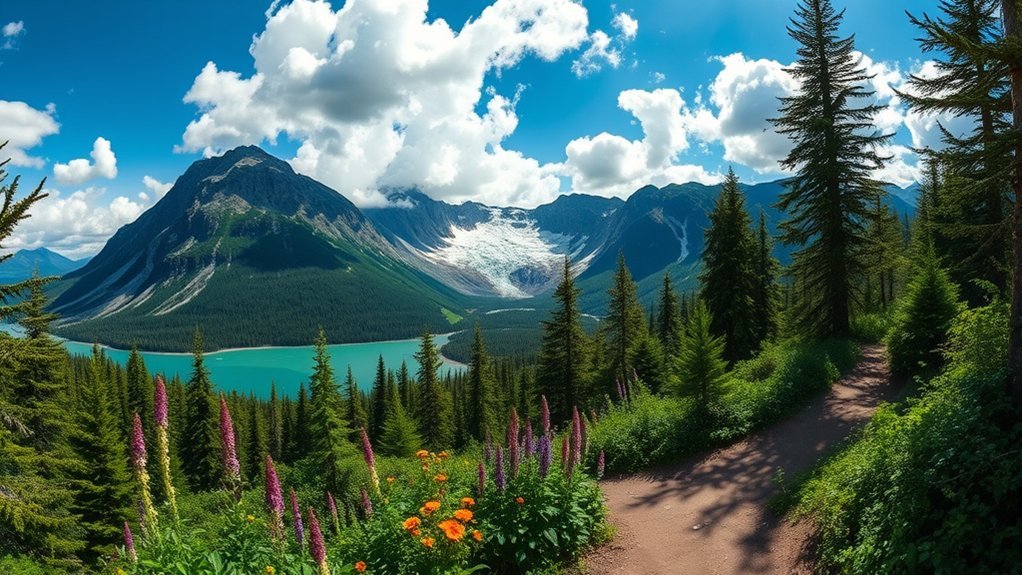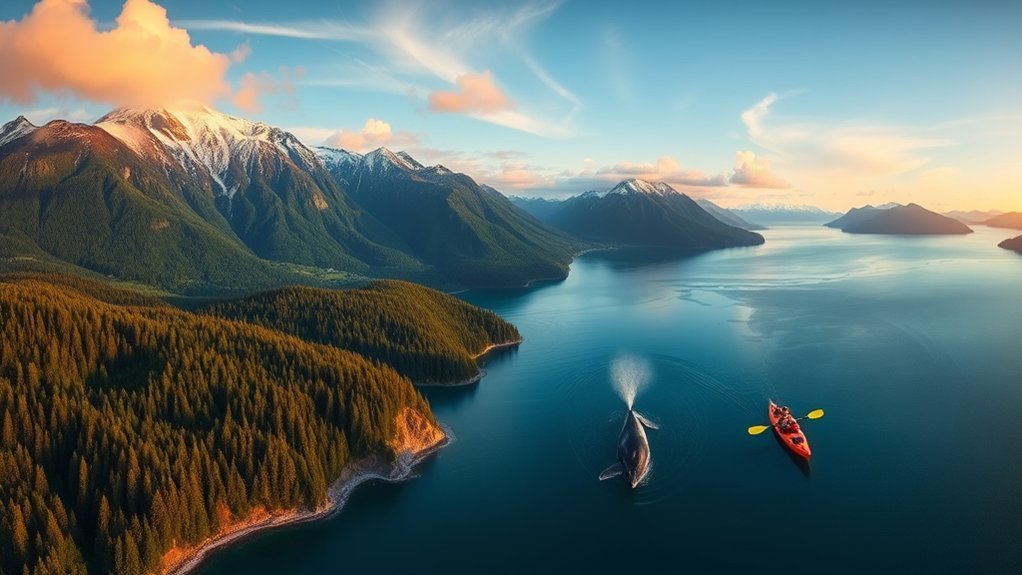
Kenai Fjords National Park is a coastal wilderness near Seward, Alaska, known for tidewater glaciers, the Harding Icefield, fjords, forests, and abundant marine and land wildlife. Most of the park is easiest to experience from the water, while the Exit Glacier area provides the main road-accessible trails. Good planning matters because weather, road access, trail conditions, and boat schedules can change quickly.
Quick Answer
The best way to visit Kenai Fjords National Park depends on your goals. June through August offers the most services and the best access for boat tours and hiking. Drive from Seward to Exit Glacier for land-based trails, or take a boat tour to see tidewater glaciers and marine wildlife. Check current conditions before every trip.
Key Takeaways
- Seward is the main gateway to Kenai Fjords National Park.
- Exit Glacier is the only part of the park accessible by road.
- June, July, and August are the primary visitor months.
- No entrance pass or entrance fee is required for Kenai Fjords National Park.
- Boat tours are a practical way to see the fjords, tidewater glaciers, and marine wildlife.
- There is no cell phone service or public Wi-Fi within the park.
- Always check current road, trail, weather, and closure information before setting out.
Overview of Kenai Fjords National Park
Kenai Fjords National Park sits near Seward in south-central Alaska. Glaciers dominate much of the landscape, flowing outward from the Harding Icefield and shaping valleys and coastal fjords. The park protects a mix of ice, mountains, forests, coastline, and marine habitat.
The park has two very different ways to experience it. The Exit Glacier area provides maintained trails and the main road access. The coastal portion is largely experienced by boat, kayak, water taxi, or air taxi. This difference is useful to understand before planning your trip.
Wildlife is another major attraction. Visitors may see sea otters, harbor seals, sea lions, whales, puffins, mountain goats, bears, moose, and many other species. Wildlife sightings are never guaranteed, so keep a safe distance and use binoculars rather than approaching animals.
Kenai Fjords is a park where the route you choose shapes the experience: hike at Exit Glacier for a land-based visit, or travel by water to reach the fjords and tidewater glaciers.
How to Get There
Seward is the main gateway to Kenai Fjords National Park. From Anchorage, the usual road route follows the Seward Highway to Seward. The park is about 126 miles south of Anchorage.
By Car
The Seward Highway is the primary highway route from Anchorage to Seward. From Seward, Herman Leirer Road, commonly called Exit Glacier Road, provides access to the Exit Glacier area.
Exit Glacier is the only part of Kenai Fjords National Park accessible by road. The road ends at the parking area near the Exit Glacier Nature Center. Parking can be limited during busy periods, especially from late morning through mid-afternoon.
Note: The road to Exit Glacier is not maintained for normal automobile traffic during winter and much of spring. Check current conditions before driving from Seward.
By Train
During the summer season, the Alaska Railroad connects Anchorage and Seward. This can be a useful option if you do not want to drive. Once in Seward, shuttle and taxi services can provide transportation toward Exit Glacier.
By Boat
Boat tours leave from Seward’s small boat harbor during the summer and provide access to the waters around Kenai Fjords. Tours can range from shorter trips in Resurrection Bay to longer excursions that reach tidewater glaciers and the Gulf of Alaska.
Kenai Fjords National Park does not operate its own commercial boat tours. Local commercial operators provide different schedules, vessel types, and trip lengths. Booking ahead is sensible during the busy summer months.
Other Access Options
Water taxis and air taxis can provide access to more remote parts of the park. These options are useful for visitors planning coastal camping, kayaking, or stays at public-use cabins.
Best Time to Visit
Kenai Fjords National Park is open year-round, but June, July, and August are the primary visitor months. Services are reduced during May and September, while winter brings major changes in road access and available activities.
| Season | What to Expect | Good Activities |
|---|---|---|
| Spring | Changing snow and road conditions; fewer services | Early-season hiking where conditions allow |
| Summer | Longest days and most visitor services | Boat tours, hiking, kayaking, wildlife viewing |
| Fall | Fewer visitors and changing weather | Hiking and scenic trips when conditions allow |
| Winter | Snow, limited daylight, and closed automobile access to Exit Glacier | Snowshoeing, skiing, fat-tire biking, and other winter recreation when conditions permit |
Warning: Do not assume that a trail, road, glacier overlook, or boat route is available because it was open on a previous visit. Kenai Fjords conditions can change quickly. Check the National Park Service current conditions and alerts before leaving Seward.
Entrance Fees and Park Regulations
Kenai Fjords National Park does not require an entrance pass or entrance fee. Other costs can still apply to activities such as commercial boat tours, transportation, camping services outside the park, or guided trips.
Park rules are designed to protect visitors, wildlife, and natural resources. Follow posted closures, stay on designated trails where required, and comply with current regulations.
- Entrance fee: No entrance pass is required.
- Drones: Unmanned aircraft, including drones, are prohibited within the park.
- Wildlife: Never feed wildlife or intentionally approach animals.
- Food storage: Proper food storage is required in the park.
- Pets: Pets are permitted only in limited areas and are not allowed on park trails.
Essential Packing Tips
Weather in coastal Alaska can change quickly, so pack for rain, wind, cold temperatures, and changing conditions even during summer.
Weather-Appropriate Clothing
Use a layered clothing system so you can adjust to changing temperatures. A moisture-wicking base layer, insulating layer, and waterproof or windproof outer shell are useful choices.
- Waterproof outer layer: Protects against rain and wind.
- Warm layers: Bring insulation that can be added or removed as conditions change.
- Sturdy footwear: Hiking shoes or boots with good traction are useful on wet, uneven trails.
- Hat and gloves: These are useful even during summer, especially on boats.
Essential Gear Checklist
A small daypack should hold the basics without becoming a burden. Bring water, food, rain gear, extra warm clothing, sun protection, navigation equipment, and a first-aid kit.
- Reusable water bottle or hydration system
- Rain jacket and rain pants
- Warm layers
- Sturdy footwear
- Binoculars
- Map or offline navigation tool
- First-aid kit
- Sunglasses and sunscreen
- Camera or smartphone
- Bear-resistant food storage when required for your trip
Wildlife Viewing Essentials
Binoculars are one of the most useful items for wildlife viewing. They let you observe animals without moving closer. A camera with a useful zoom can also help you document distant wildlife while maintaining a safe distance.
Keep food and food waste secured. Do not feed animals, and do not leave crumbs or wrappers on trails or at campsites.
Popular Activities and Adventures
Boat Tours and Wildlife Viewing
Boat tours are one of the easiest ways to experience the coastal side of Kenai Fjords. Trips can combine glacier viewing with opportunities to see whales, sea otters, seals, sea lions, seabirds, and other marine life.
Choose a trip based on how much time you have, how much open water you are comfortable with, and whether your priority is wildlife, glaciers, or a mix of both.
Kayaking
Kayaking offers a slower way to experience the fjords, but coastal conditions can be demanding. Cold water, strong winds, ocean swells, floating ice, and waves created by calving glaciers can all create hazards.
Less-experienced paddlers should consider a guided trip rather than attempting a remote coastal route without appropriate skills and equipment.
Hiking
The maintained trails in the park are concentrated around Exit Glacier and the Harding Icefield Trail. Shorter Exit Glacier trails are suitable for visitors who want glacier views without committing to a full-day mountain hike.
Winter Activities
Winter changes the character of the Exit Glacier area. Depending on snow and other conditions, visitors may participate in cross-country skiing, snowshoeing, fat-tire biking, snowmobiling where permitted, and dog sledding.
The road to Exit Glacier is normally closed to automobiles when snow-covered. Winter travelers should be prepared for limited daylight, cold weather, and changing snow conditions.
Must-See Attractions
Exit Glacier
Exit Glacier is the most accessible major attraction in Kenai Fjords National Park. A network of trails begins near the Exit Glacier Nature Center and provides several ways to view the glacier and its valley.
The Glacier View Loop is an accessible one-mile trail with views toward Exit Glacier. The Glacier Overlook Trail continues farther toward a closer viewpoint and is more strenuous.
Harding Icefield Trail
The Harding Icefield Trail is a strenuous day hike from the Exit Glacier area. The round trip is roughly eight miles, with steep elevation gain and changing trail conditions. The full hike can take at least six to eight hours.
Snow can remain on the upper trail into summer, and avalanche hazards can occur. Strong winds, storms, intense sunlight, sudden temperature changes, mud, rocks, and slippery surfaces are all possible.
You do not have to complete the entire trail to enjoy it. A shorter climb can still provide views of the valley and Exit Glacier.
Pro Tip: If you plan to hike the Harding Icefield Trail, start with enough time to turn around before conditions become unsafe. Carry plenty of water, warm clothing, rain gear, and sun protection, and check the current trail report first.
Tidewater Glaciers
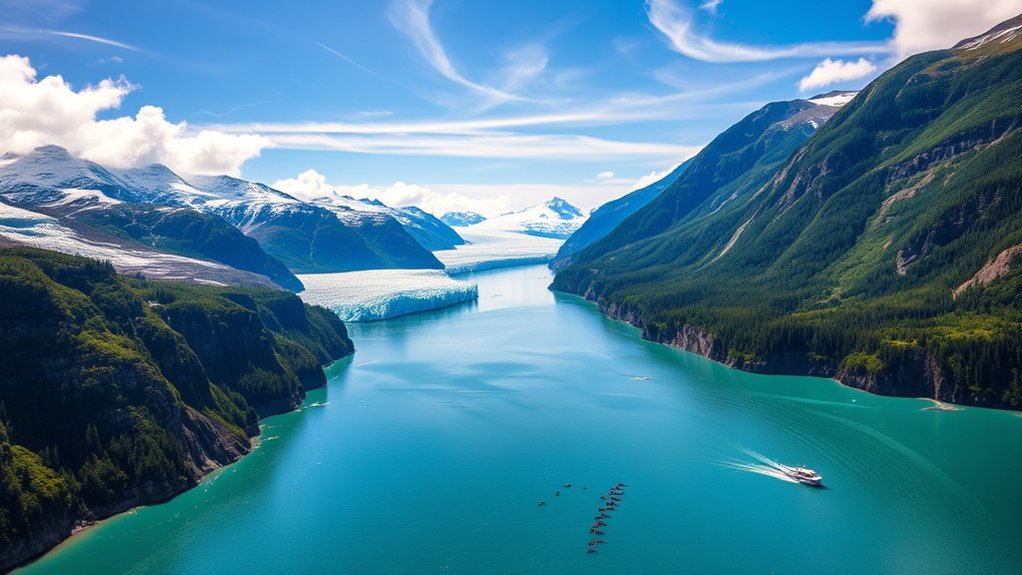
Boat tours provide access to the dramatic coastal scenery and tidewater glaciers that cannot be reached by road. Seeing glaciers from the water also provides a better sense of their scale and their relationship with the surrounding fjords.
Wildlife Viewing Opportunities
Kenai Fjords supports a wide range of marine and land animals. Wildlife sightings vary by season, weather, location, and luck, so plan to observe rather than expect a particular species.
Marine Wildlife Encounters
Boat trips may provide opportunities to see humpback whales, orcas, sea otters, harbor seals, Steller sea lions, porpoises, and many seabirds.
Marine mammals should be viewed from a responsible distance. Binoculars are useful because they let you watch wildlife without moving closer.
Land Animal Sightings
Black bears, brown bears, mountain goats, moose, and other mammals live in and around the park. Birdwatchers may also see bald eagles and many other bird species.
Do not approach or follow animals. The National Park Service recommends remaining at least 300 yards from bears, at least 25 yards from other animals, dens, and nests, and generally at least 100 yards from marine mammals.
Warning: If an animal changes its behavior because of your presence, you are too close. Move away and give it more space.
Camping and Accommodations
Exit Glacier Campground
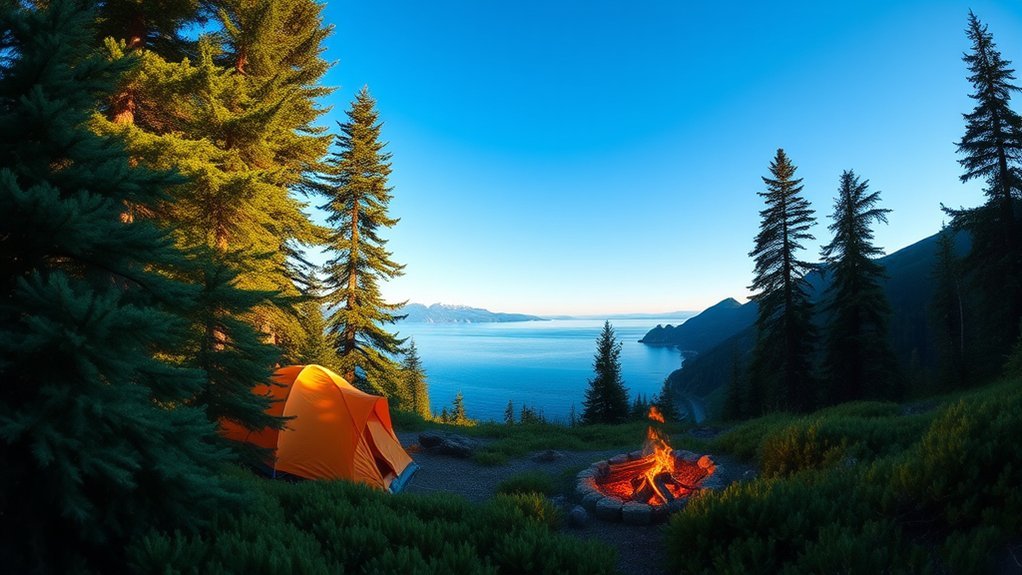
Kenai Fjords National Park has a 12-site, tent-only campground at Exit Glacier. Sites are first-come, first-served, with no camping fee and a 14-day stay limit. The campground frequently fills by early evening during July and August.
There are no RV campsites inside Kenai Fjords National Park. Cooking and food storage are not permitted at individual campsites; use the designated central food storage, cooking, and dining shelter.
The campground does not permit pets. Visitors should also check current campground conditions before arriving because facilities can change seasonally.
Nearby Accommodations and Dining Options
Seward is the most practical base for most visitors. The town offers hotels, cabins, lodges, restaurants, cafés, grocery stores, and tour operators.
Staying in Seward makes it easier to combine a boat tour with a visit to Exit Glacier. For longer coastal trips, public-use cabins and backcountry camping provide other options, but these require more preparation and appropriate transportation.
Safety and Current Conditions
Kenai Fjords is a remote, rugged park. Carry emergency supplies appropriate for your trip, including extra food and water, warm clothing, rain gear, a first-aid kit, and a communication device suitable for your route.
Because there is no cell phone service or public Wi-Fi within the park, do not depend on a phone for emergency communication.
Check the National Park Service current conditions page before leaving. Road closures, trail hazards, snow conditions, wildlife concerns, and emergency closures can affect your plans.
Glacier areas require particular caution. Never enter a closed area or approach a glacier without understanding the hazards. Calving ice can create waves, falling ice, and unstable terrain.
Pets, Drones, and Fishing
Pets
Pets are not prohibited everywhere in Kenai Fjords National Park, but they are allowed only in limited locations. Pets may be on the road to Exit Glacier and in the Exit Glacier Nature Center parking lot when properly restrained. Pets are not allowed on park trails, in the campground or public-use cabins, in the coastal backcountry, or inside park buildings.
Service animals have broader access under applicable rules.
Drones
Drone use is prohibited within Kenai Fjords National Park. Leave unmanned aircraft at home when entering the park.
Fishing
Fishing rules depend on the specific waters and current Alaska regulations. Anglers should check the current Alaska Department of Fish and Game Southcentral regulations and any emergency orders before fishing. Carry any required license, permit, and documentation for the fishery you plan to use.
Connectivity and Accessibility
There is no cell phone service or public Wi-Fi within Kenai Fjords National Park. Download maps and important information before entering areas without connectivity.
Accessibility varies by activity. The Exit Glacier area includes an accessible Glacier View Loop, while boat-tour accessibility depends on the individual operator and vessel. Ask the tour company about accessibility needs when booking.
At a Glance
At a Glance
| Time Required | Half a day to several days, depending on hiking, boat tours, camping, and coastal activities. |
| Difficulty | Easy to strenuous, depending on the activity. The Harding Icefield Trail is strenuous. |
| Tools Needed | Layered clothing, rain gear, sturdy footwear, water, food, navigation, first-aid supplies, and binoculars. |
| Cost | No entrance fee. Budget separately for transportation, commercial boat tours, lodging, food, and other activities. |
Frequently Asked Questions
Are pets allowed in Kenai Fjords National Park?
Yes, but only in limited areas. Pets may be allowed on the road to Exit Glacier and in the Exit Glacier Nature Center parking lot when restrained. Pets are not allowed on park trails, in the campground or public-use cabins, in the coastal backcountry, or in park buildings.
Is there cell phone reception in Kenai Fjords National Park?
No. The National Park Service states that there is no cell phone service or public Wi-Fi within Kenai Fjords National Park, including the Exit Glacier area. Download maps and important information before entering the park.
Can I bring my drone to Kenai Fjords?
No. Unmanned aircraft, including drones, are prohibited within the boundaries of Kenai Fjords National Park.
Are guided tours available?
Yes. Commercial operators in Seward offer boat tours and other guided experiences around the park. Boat tours can provide access to fjords, tidewater glaciers, and marine wildlife. The National Park Service does not operate or recommend a specific commercial boat company.
Is there an entrance fee for Kenai Fjords National Park?
No. Kenai Fjords National Park does not require an entrance pass or entrance fee. Other parts of your trip, such as boat tours, transportation, lodging, food, or guided activities, can still have separate costs.
What are the park’s rules for fishing?
Fishing rules depend on the specific location and current Alaska regulations. Check the current Southcentral Alaska sport-fishing regulations and emergency orders before fishing, and obtain any required license or permit.
Conclusion
Kenai Fjords National Park is best planned around the experience you want. Visit Exit Glacier for accessible trails and glacier views, tackle the Harding Icefield Trail if you are prepared for a strenuous full-day hike, or take a boat tour from Seward to experience the coastal fjords, tidewater glaciers, and marine wildlife.
Before you leave, check current conditions, road status, trail reports, closures, and seasonal services. Pack for wet and changing weather, prepare for limited connectivity, and follow wildlife and food-storage rules. With those basics covered, you can spend more time enjoying the park and less time dealing with avoidable problems.
Sources
- National Park Service — Kenai Fjords National Park Fees & Passes — current entrance-fee information.
- National Park Service — Kenai Fjords National Park Directions — road, train, Seward, and Exit Glacier access information.
- National Park Service — Kenai Fjords National Park Current Conditions — current road, trail, closure, and hazard information.
- National Park Service — Kenai Fjords National Park Wildlife Safety — wildlife-distance and food-safety guidance.
- National Park Service — Kenai Fjords National Park Pets and Laws & Policies — pet and drone regulations.
- Alaska Department of Fish and Game — Southcentral Alaska Sport Fish Regulations — current fishing regulations and emergency-order guidance.