Kobuk Valley National Park rewards you with one of Alaska’s wildest trips, but you can’t reach it by road. You’ll need careful planning, flexible travel dates, and the right gear before you step onto its huge sand dunes. This guide explains how to get there, when to visit, what to pack, where to camp, and how to stay safe in this remote Arctic park.
What’s in This Article
- Overview of Kobuk Valley National Park
- How to Get to Kobuk Valley National Park
- Best Times to Visit
- Essential Gear and Preparation
- Exploring the Sand Dunes
- Wildlife Viewing Opportunities
- Hiking Trails and Routes
- Camping in Kobuk Valley
- Nearby Attractions and Activities
- Safety Tips for Your Visit
- Frequently Asked Questions
- Conclusion
Quick Answer
Kobuk Valley National Park is a remote Alaska park with no road access, no entrance fee, and no developed campgrounds. Most visitors fly to Kotzebue, then use an air taxi or guided service to reach the park. Summer offers the easiest travel conditions, while fall and winter require more skill, planning, and weather awareness.
Key Takeaways
- You can’t drive to Kobuk Valley National Park, so plan for flights and air taxi service.
- Summer gives you the best mix of warmer weather, easier hiking, and longer daylight.
- The Great Kobuk Sand Dunes are the park’s main draw and can feel hot, windy, and exposed.
- Camping is primitive, so you must bring all gear, food, water treatment, and navigation tools.
- Wildlife viewing can include caribou, bears, wolves, foxes, birds, and other Arctic species.
Overview of Kobuk Valley National Park
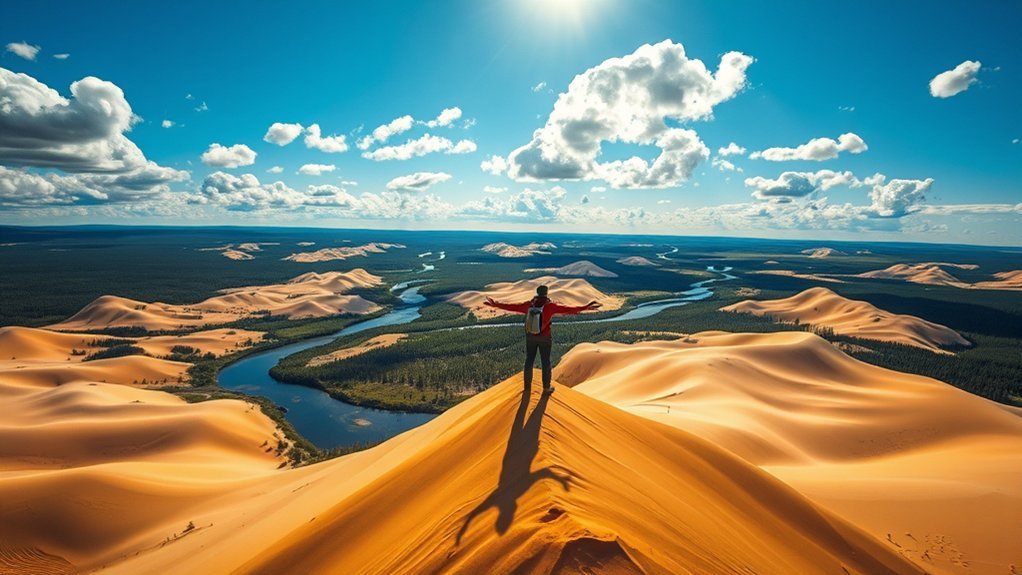
Kobuk Valley National Park protects a remote Arctic landscape in northwest Alaska. Its most famous feature is the Great Kobuk Sand Dunes, where wind-shaped sand rises from the tundra in a place many visitors don’t expect to find a desert-like scene.
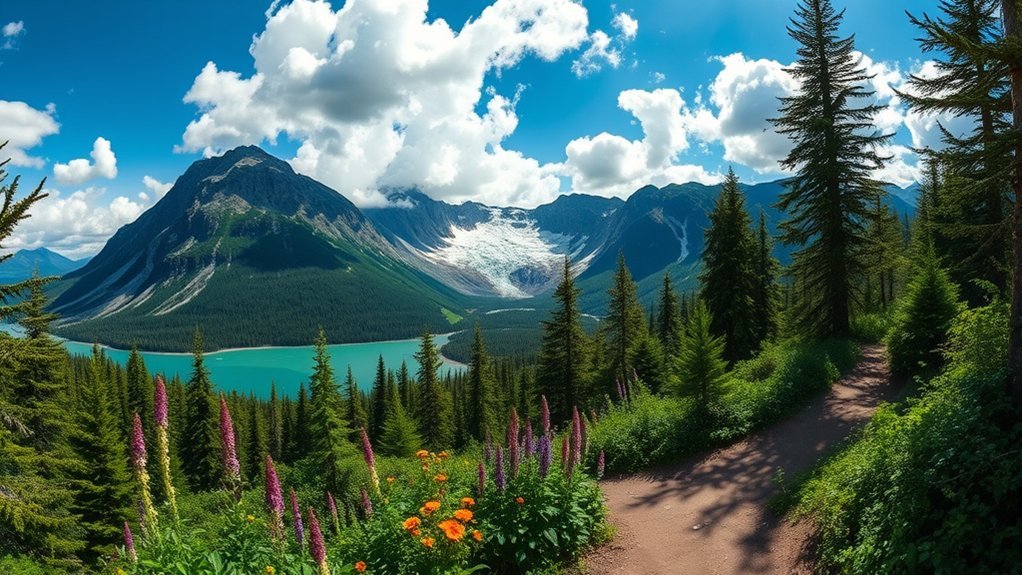
The park also protects the Kobuk River, boreal forest, tundra, and important wildlife habitat. You may see caribou, bears, foxes, wolves, birds, and small mammals as you move through the area.
This park suits travelers who want solitude, wild scenery, and a true backcountry experience. You won’t find roads, visitor centers inside the park, marked day trails, restaurants, or developed campgrounds.
Note: Kobuk Valley is a backcountry park, so you need strong planning skills or help from an experienced guide.
How to Get to Kobuk Valley National Park
Reaching Kobuk Valley National Park takes more planning than most national park trips. Start by flying to Anchorage or Fairbanks, then connect to Kotzebue, Alaska.
From Kotzebue, you’ll need an air taxi, charter flight, or guided trip to reach the park. The park has no road access, so your travel depends on weather, pilot availability, and safe landing conditions.
Before you book, talk with your air taxi provider about landing sites, baggage limits, fuel stops, and pickup plans. Keep extra food and flexible dates in your schedule because bad weather can delay flights.
Best Times to Visit
The best time to visit depends on your comfort with remote travel and harsh weather. Most visitors choose summer because the days are long, temperatures feel milder, and air travel often works better.
- Summer (June to August): Choose this season for hiking, camping, photography, river travel, and the easiest travel window.
- Fall (September to October): Visit for cooler air, fall colors, fewer insects, and possible caribou movement.
- Winter (November to March): Plan a winter trip only if you have Arctic travel skills, cold-weather gear, and reliable local support.
- Spring (April to May): Expect changing snow, ice, and mud conditions that can make travel hard to predict.
Summer still brings rain, wind, insects, and fast weather changes. Pack for cold nights even when the forecast looks mild.
Essential Gear and Preparation
Good gear can turn a hard trip into a safe and rewarding one. Focus on items that help you handle remote terrain, changing weather, insects, wildlife, and limited communication.
Use this checklist as a starting point, then adjust it for your route, season, and guide advice.
| Essential Gear | Why You Need It |
|---|---|
| Sturdy Footwear | Waterproof boots help you cross sand, tundra, mud, and wet ground. |
| Layered Clothing | Moisture-wicking base layers, insulation, and rain gear help you adjust fast. |
| Navigation Tools | Carry a map, compass, and Global Positioning System (GPS) device. |
| Water Treatment | Use a filter, purifier, or tablets before you drink from natural sources. |
| Satellite Communication | A satellite messenger or beacon helps in areas without cell service. |
| Bear Safety Gear | Carry bear spray where allowed and use approved food storage methods. |
Pack light enough for small aircraft limits, but don’t skip safety gear. Ask your air taxi or guide about weight rules before you leave Kotzebue.
Warning: Cell service can be unavailable in the park, so carry a reliable emergency communication device.
Exploring the Sand Dunes
The Great Kobuk Sand Dunes create one of the park’s most unusual landscapes. You can walk across open sand, photograph wind patterns, watch clouds move across the dunes, and study the plants that survive near the edges.
The dunes can feel hot, dry, windy, and tiring underfoot. Start early, carry water, protect your skin, and watch your route so you can return safely.
You may enjoy the dunes most when you slow down and observe the details. Look for animal tracks, changing light, hardy plants, and the sharp contrast between sand, forest, and tundra.
Sand Dune Activities
The dunes offer simple activities that fit the remote setting. Choose low-impact options that protect the landscape and keep your group safe.
- Hiking: Walk across the dunes and nearby tundra at a pace that matches the loose sand.
- Photography: Capture sunrise, sunset, cloud shadows, tracks, and wind-carved sand patterns.
- Stargazing: Watch clear night skies when weather and daylight conditions allow it.
- Nature observation: Study plants, insects, tracks, and signs of wildlife near dune edges.
Avoid risky activities that could cause injury far from help. Rescue can take time in this remote park.
Unique Ecosystem Exploration
The dunes may look bare at first, but life survives around and within this harsh setting. Plants, insects, birds, and mammals use the area in ways you may miss if you move too fast.
Near the dunes, you may find grasses, shrubs, wildflowers, and trees that hold soil in place. These plants help show how the sand, tundra, and forest connect.
Wind keeps shaping the dunes, so the land can look different from one visit to the next. Stay aware of your direction because open sand offers few clear landmarks.
Wildlife Viewing Opportunities
Kobuk Valley gives you a chance to view wildlife in a large, wild habitat. Sightings vary by season, weather, location, and animal movement.
Watch for these animals from a safe distance:
- Caribou moving across tundra and river corridors
- Bears feeding or traveling near river areas
- Foxes, wolves, and small mammals crossing open ground
- Raptors, owls, waterfowl, and other birds using the park’s varied habitat
Early morning and evening can improve your chances because many animals move during cooler hours. Bring binoculars so you don’t need to approach wildlife.
Wildlife sightings feel more rewarding when you give animals space and let their natural behavior continue.
Never feed wildlife or leave food where animals can reach it. Proper food storage protects you, future visitors, and the animals that live here.
Hiking Trails and Routes
Kobuk Valley does not offer a developed trail network like many road-accessible parks. You’ll travel through open backcountry, so route-finding skills matter.
You can hike across sand dunes, tundra, river bars, and forest edges. Each surface brings different challenges, including loose sand, wet ground, brush, and hidden uneven spots.
Plan short distances at first because the terrain can slow you down. Carry a map, compass, GPS device, water treatment, extra layers, and emergency gear on every hike.
Before you start, mark your landing area, camp, and safe return route. Weather or low visibility can make familiar ground hard to read.
Camping in Kobuk Valley
Camping in Kobuk Valley gives you a rare chance to sleep in deep Arctic quiet. You’ll camp in primitive backcountry conditions because the park has no developed campgrounds.
Choose a durable site away from wildlife trails, fragile plants, and unsafe riverbanks. Keep your camp clean, store food securely, and cook away from your sleeping area.
Your camping plan should include:
- A strong tent that can handle wind and sudden weather changes
- A warm sleep system rated for colder nights than you expect
- A stove and enough fuel for your full trip
- A bear-safe food storage plan
- A backup pickup plan in case flights get delayed
Leave No Trace practices matter here because the land heals slowly. Pack out all trash and avoid damaging plants near camp.
Pro tip: Build one extra weather day into your food plan because flights can shift in remote Alaska.
Nearby Attractions and Activities
Your Kobuk Valley trip often starts or ends in Kotzebue, which gives you a chance to learn more about northwest Alaska. Local culture, Arctic landscapes, and nearby protected areas can add depth to your visit.
Plan extra time if you want to combine Kobuk Valley with other parks or preserves. Travel between remote Alaska destinations can require several flights and flexible dates.
Surrounding National Parks
Several nearby protected areas offer more wild landscapes, but they also require serious planning. Treat each one as a remote trip, not a quick side stop.
- Gates of the Arctic National Park and Preserve: Visit for rugged mountains, wild rivers, tundra, and deep backcountry solitude.
- Noatak National Preserve: Consider this area for river travel, wildlife viewing, and broad Arctic scenery.
- Bering Land Bridge National Preserve: Plan for remote coastal landscapes, hot springs, and cultural history tied to ancient migration routes.
Wrangell-St. Elias National Park sits far from Kobuk Valley by Alaska travel standards. It can still fit a larger Alaska trip, but it won’t work as a simple nearby stop.
Local Cultural Experiences
Northwest Alaska has deep Iñupiat history and living culture. Kotzebue can offer museums, local art, community events, and chances to learn from residents when opportunities align with your visit.
Respect local customs, private property, and community rules. Ask before taking photos of people, homes, cultural events, or personal items.
Guided trips with local operators can help you understand the land in a more respectful way. A good guide can also improve safety and explain how people, wildlife, rivers, and seasons connect.
Safety Tips for Your Visit
Safety planning should shape every part of your Kobuk Valley trip. The park’s beauty comes with real risks, including weather, wildlife, cold water, insects, aircraft delays, and hard navigation.
- Carry enough water and treatment gear: Natural water needs treatment before you drink it.
- Give wildlife space: Watch from a distance and never feed animals.
- Store food correctly: Keep food, trash, and scented items away from your sleeping area.
- Share your route: Leave your plan with someone who can act if you miss check-in.
- Prepare for weather delays: Bring extra food, fuel, and warm layers.
- Know your limits: Turn back before fatigue, weather, or poor visibility puts you at risk.
Explore the wild beauty of Kobuk Valley, but let safety guide every choice you make.
Remote travel feels freeing when you respect the land and plan for hard conditions. Good preparation helps you enjoy the park without taking needless risks.
Frequently Asked Questions
Are Pets Allowed in Kobuk Valley National Park?
Pets can enter Kobuk Valley National Park, but you must control them and protect wildlife. Keep pets leashed or otherwise restrained, clean up after them, and check current park rules before your trip.
Is There a Park Entrance Fee?
Kobuk Valley National Park does not charge an entrance fee. Your main costs usually come from flights, air taxi service, guided trips, gear, food, and lodging before or after your park visit.
What Are the Park’s Operating Hours?
The park itself stays open year-round, but access depends on weather, daylight, aircraft service, and safe travel conditions. Contact local providers before you go because remote Alaska travel can change fast.
Can I Fish in Kobuk Valley National Park?
You can fish in the park if you follow Alaska fishing rules and have the right license when required. Check current regulations before your trip because seasons, limits, and allowed methods can change.
Are There Guided Tours Available in the Park?
Guided trips may be available through local operators and air taxi services rather than through developed park facilities. Book early, ask about safety plans, and confirm what your guide provides.
Conclusion
Kobuk Valley National Park is best for travelers who want remote wilderness, quiet camping, and a rare chance to walk across Arctic sand dunes. Your most important step is to plan travel, gear, food, safety, and backup time before you leave Kotzebue.
Start by choosing the right season and contacting experienced local providers. With careful planning, your trip can feel wild, safe, and deeply memorable.