

The British Museum, located in the heart of London, is one of the world’s most comprehensive repositories of human history and culture. Spanning over two million years of history, the museum houses a staggering collection of artifacts from various civilizations across the globe. The layout of the museum is designed to facilitate exploration and discovery, with its vast galleries organized thematically and chronologically.
Upon entering, visitors are greeted by the Great Court, a magnificent space crowned by a stunning glass roof that allows natural light to flood the area. This central hub serves as a starting point for many, providing access to various wings and galleries. The museum is divided into several key areas, each dedicated to different regions and periods.
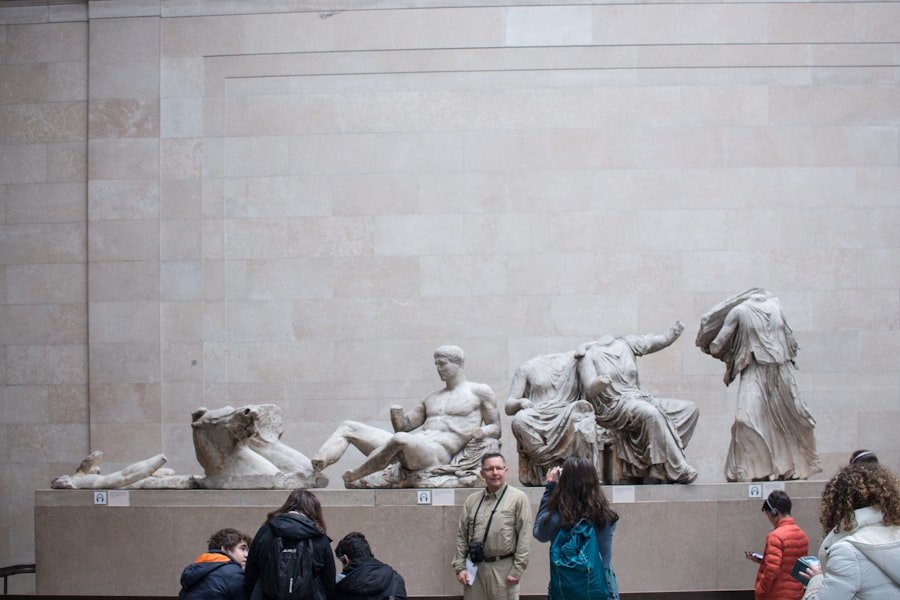
For instance, the Ancient Egypt gallery showcases mummies, hieroglyphs, and monumental sculptures, while the Parthenon Gallery features the iconic Elgin Marbles. The layout is intuitive, with clear signage and maps available to guide visitors through the extensive collection. However, due to the sheer size of the museum, it can be overwhelming for first-time visitors.
Understanding the layout can significantly enhance the experience, allowing guests to prioritize their interests and navigate efficiently through the exhibits.
Key Takeaways
- The British Museum is divided into different galleries and wings, with the most famous exhibits located in the Great Court and the Enlightenment Gallery.
- Visitors should book tickets in advance to avoid long queues, and the museum is open daily from 10:00 am to 5:30 pm, with extended hours on Fridays.
- The must-see exhibits include the Rosetta Stone, the Parthenon sculptures, the Egyptian mummies, and the Sutton Hoo treasure.
- Navigating the museum can be overwhelming, so it’s recommended to pick up a map at the entrance and plan your route in advance.
- Guided tours and audio guides are available for a more in-depth experience, and visitors can also join free daily spotlight tours.
Planning Your Visit: Tickets and Hours
Before embarking on a journey to the British Museum, it is essential to plan your visit carefully. The museum is open daily from 10:00 AM to 5:30 PM, with extended hours during certain periods, such as summer months or special events. Admission to the permanent collection is free, which makes it accessible to a wide audience.
However, some temporary exhibitions may require a ticket purchase. It is advisable to check the museum’s official website for any updates on opening hours or special events that may affect your visit. To avoid long queues, especially during peak tourist seasons, purchasing tickets in advance for special exhibitions is highly recommended.
This not only secures your entry but also allows you to plan your day more effectively. Additionally, consider visiting during weekdays or early in the morning when crowds are typically smaller. This can enhance your experience by providing a more intimate atmosphere to appreciate the art and artifacts without the hustle and bustle of large groups.
Must-See Exhibits and Collections
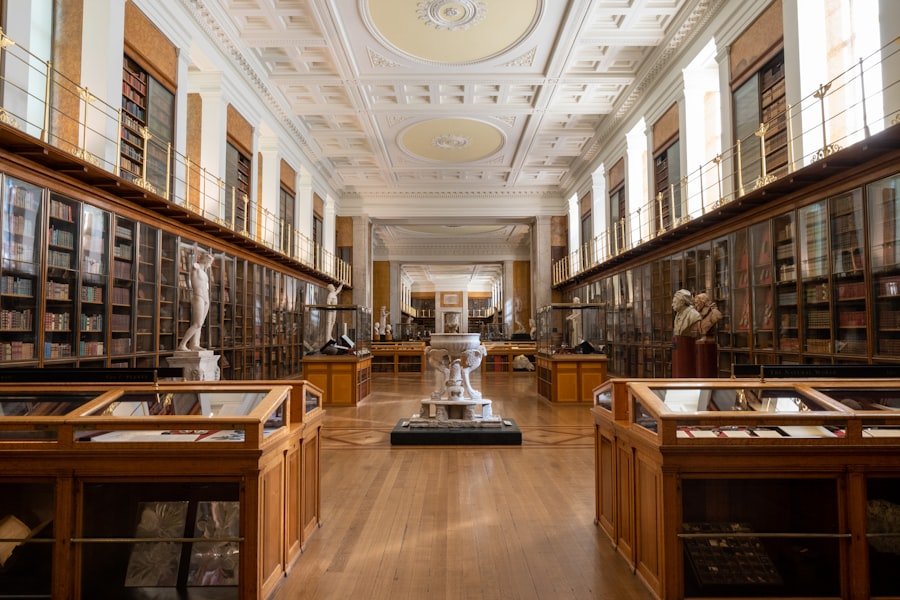
The British Museum boasts an array of must-see exhibits that cater to diverse interests. One of the most iconic collections is the Rosetta Stone, which played a crucial role in deciphering Egyptian hieroglyphs. This artifact not only represents a significant breakthrough in linguistics but also serves as a symbol of cultural exchange between ancient civilizations.
Visitors often find themselves captivated by its historical significance and intricate inscriptions. Another highlight is the Assyrian Lion Hunt reliefs, which depict the royal sport of lion hunting in ancient Assyria. These stunning bas-reliefs showcase the artistry and craftsmanship of their time while providing insight into the cultural practices of the Assyrian Empire.
The museum also features an extensive collection of Greek and Roman antiquities, including sculptures from the Parthenon that illustrate the grandeur of classical art. Each exhibit tells a story that transcends time, inviting visitors to engage with history on a personal level.
Navigating the Museum: Tips for Getting Around
Navigating the British Museum can be an adventure in itself due to its vastness and intricate layout. To make the most of your visit, it is advisable to familiarize yourself with a map of the museum before you arrive. Maps are available at the entrance and can also be downloaded from the museum’s website.
These maps highlight key exhibits and provide an overview of each gallery’s location, making it easier to plan your route. Another effective strategy for navigating the museum is to prioritize specific galleries based on your interests. For example, if you are particularly fascinated by ancient Egypt, you might choose to start your visit in that section before moving on to other areas.
Additionally, consider using the museum’s digital resources, such as mobile apps that offer interactive maps and information about exhibits.
Guided Tours and Audio Guides
For those seeking a deeper understanding of the British Museum’s collections, guided tours and audio guides are excellent options. The museum offers a variety of guided tours led by knowledgeable staff who provide insights into specific exhibits or themes.
Participating in a guided tour can enrich your experience by offering expert commentary and answering any questions you may have. Alternatively, audio guides are available for rent at the museum, allowing visitors to explore at their own pace while still gaining valuable information about the exhibits. These guides often feature commentary from curators and historians, providing context and stories behind key artifacts.
Many audio guides also include visual aids that correspond with specific items in the galleries, enhancing comprehension and engagement with the collection.
Dining and Refreshment Options
After hours of exploring the vast collections at the British Museum, visitors may find themselves in need of refreshment. The museum offers several dining options that cater to various tastes and preferences. The Great Court Restaurant is a popular choice, featuring a menu that highlights seasonal ingredients and offers both British and international cuisine.
With its stunning views of the Great Court, dining here can be a delightful experience. For those looking for a quicker bite or a casual atmosphere, there are also cafes located throughout the museum. The Museum Café provides light snacks and beverages, perfect for a mid-visit pick-me-up without having to leave the premises.
Additionally, there are picnic areas where visitors can enjoy their own packed lunches if they prefer to bring their food along. Regardless of your choice, there are ample opportunities to recharge before continuing your exploration.
Shopping at the British Museum
No visit to the British Museum would be complete without exploring its gift shop, which offers an extensive range of products inspired by its collections. The shop features unique items such as replicas of famous artifacts, art books, jewelry inspired by ancient designs, and educational toys for children. This shopping experience allows visitors to take home a piece of history or find a thoughtful gift for someone special.
The museum shop also emphasizes sustainability by offering eco-friendly products and supporting local artisans. Many items are designed with cultural significance in mind, reflecting the diverse heritage represented within the museum’s walls. Shopping at the British Museum not only provides an opportunity to acquire unique souvenirs but also supports the institution’s mission of preserving and sharing global heritage.
Accessibility and Facilities for Visitors with Disabilities
The British Museum is committed to ensuring that all visitors have an enjoyable experience regardless of their physical abilities. The museum is equipped with various facilities designed to accommodate visitors with disabilities. Wheelchair access is available throughout most areas of the museum, including entrances, galleries, and restrooms.
Wheelchairs can also be borrowed free of charge at designated points within the museum. In addition to physical accessibility, sensory resources are available for visitors with sensory processing difficulties or autism spectrum disorders. These resources include quiet spaces where individuals can take breaks from sensory overload and sensory backpacks filled with tools designed to help manage anxiety during visits.
The museum also offers guided tours tailored specifically for visitors with disabilities, ensuring that everyone has an opportunity to engage with its rich collections.
Photography and Filming Guidelines
Photography enthusiasts will be pleased to know that photography for personal use is generally permitted within most areas of the British Museum; however, there are specific guidelines that must be followed. Flash photography is prohibited as it can damage sensitive artifacts over time. Additionally, some temporary exhibitions may have restrictions on photography due to copyright considerations or loan agreements with other institutions.
Visitors should also be mindful of other guests while taking photographs; it’s important not to obstruct pathways or block views for others who wish to appreciate the exhibits. For those interested in professional photography or filming projects, prior permission must be obtained from museum management. This ensures that all activities align with the museum’s policies while maintaining a respectful environment for all visitors.
Etiquette and Rules for Visitors
As one of London’s premier cultural institutions, the British Museum expects visitors to adhere to certain etiquette and rules during their visit. Respecting artifacts is paramount; touching items unless explicitly allowed can lead to damage or degradation over time. Visitors should also maintain a respectful volume when conversing in galleries so as not to disturb others who are trying to appreciate their surroundings.
Food and drink are generally not permitted in exhibition spaces; however, designated areas exist for dining or enjoying refreshments purchased within the museum. Additionally, large bags or backpacks may need to be checked at designated points before entering certain galleries to ensure safety and security within this historic space.
Additional Tips for a Successful Visit
To maximize your experience at the British Museum, consider visiting during off-peak hours when crowds are smaller; this allows for a more leisurely exploration of exhibits without feeling rushed or overwhelmed by large groups. It’s also beneficial to wear comfortable shoes as you will likely spend several hours walking through various galleries. Engaging with staff members can enhance your visit; they are often knowledgeable about specific exhibits and can provide insights or answer questions you may have during your exploration.
Lastly, take advantage of any special events or workshops offered by the museum during your visit; these programs often provide unique opportunities for deeper engagement with art and history beyond what is available in standard exhibits. By planning ahead and being mindful of these tips and guidelines, visitors can ensure that their time at the British Museum is both enriching and enjoyable—an unforgettable journey through human history encapsulated within one remarkable institution.
If you’re planning a trip to London to visit the British Museum, you may also want to check out this article on 10 Must-See Attractions in London. This guide will help you make the most of your time in the city and ensure you don’t miss out on any of the top sights and experiences. Happy travels!
FAQs
What are the British Museum’s opening hours?
The British Museum is open daily from 10:00 am to 5:30 pm, with late opening until 8:30 pm on Fridays.
Is there an admission fee to enter the British Museum?
Admission to the British Museum is free for all visitors. However, special exhibitions may require a ticket purchase.
What are the must-see exhibits at the British Museum?
Some of the must-see exhibits at the British Museum include the Rosetta Stone, the Parthenon sculptures, the Egyptian mummies, and the Sutton Hoo treasure.
Are guided tours available at the British Museum?
Yes, the British Museum offers a variety of guided tours for visitors, including general highlights tours, thematic tours, and special exhibition tours.
Is photography allowed inside the British Museum?
Photography for personal, non-commercial use is allowed in most galleries of the British Museum. However, flash photography, tripods, and selfie sticks are not permitted.
Are there dining options at the British Museum?
The British Museum has several dining options, including the Great Court Restaurant, the Court Café, and various food stalls offering a range of cuisines.
Is the British Museum accessible for visitors with disabilities?
The British Museum is fully accessible for visitors with disabilities, with facilities including ramps, lifts, accessible toilets, and wheelchairs available for loan.