The British Museum in central London brings together objects representing human history and cultures from around the world. Because its galleries span several floors and many different civilizations, a first visit is much easier when you know the current opening hours, reserve your free entry slot, choose a few priority rooms, and plan a simple route before you arrive.
Quick Answer
The British Museum’s permanent collection is free to visit, and advance timed booking is recommended. Galleries are normally open 10:00–17:00 daily and until 20:30 on Fridays. First-time visitors should allow about two to three hours and prioritize highlights such as the Rosetta Stone, Parthenon Sculptures, Assyrian Lion Hunt reliefs, Sutton Hoo treasures, and Egyptian mummies.
Key Takeaways
- Admission to the permanent collection is free, but booking a free timed entry slot in advance is recommended because walk-up entry depends on capacity.
- Galleries are normally open 10:00–17:00 daily and until 20:30 on Fridays, with last entry at 16:45 or 20:15 on Friday.
- For a first visit, prioritize a handful of rooms instead of trying to see the entire Museum in one day.
- Major highlights include the Rosetta Stone in Room 4, Assyrian Lion Hunt reliefs in Room 10, Parthenon Sculptures in Room 18, Sutton Hoo in Room 41, and Egyptian mummies in Rooms 62–63.
- Use the official Museum map and Audio app to reduce unnecessary backtracking between floors.
- All visitors pass through security, and wheeled cases plus oversized or heavy luggage are not permitted.
Planning Your Visit: Tickets, Hours, and Getting There
Admission to the British Museum’s permanent collection is free. However, the Museum advises visitors to book a free timed entry slot in advance. Walk-up entry is available when capacity allows, but queues can form during busy periods and admission without a reservation is not guaranteed.
Special exhibitions and some events may require separate paid tickets. Check the official site before your visit because exhibitions, gallery access, and one-off events can affect your plans.
The galleries are normally open daily from 10:00 to 17:00, with Friday late opening until 20:30. Last entry is normally 16:45, or 20:15 on Fridays. Galleries may begin clearing shortly before closing. The Museum is closed on 24, 25, and 26 December.
Note: Friday evening can give you extra visiting time, but not every gallery is guaranteed to remain open. Check the Museum’s current Friday late-opening and gallery information before building your route around a specific room.
Products Worth Considering

2000 White Smile Single Roll Consecutively Numbered Raffle Tickets made from top quality paper produced in the USA


2000 Purple Smile Single Roll Consecutively Numbered Raffle Tickets made from top quality paper produced in the USA
How to Get to the British Museum
The Main entrance is on Great Russell Street, London WC1B 3DG. A second entrance is on Montague Place, London WC1E 7JW.
The Museum lists these nearby Underground stations:
- Tottenham Court Road: about a 5-minute walk
- Holborn: about a 7-minute walk
- Russell Square: about a 7-minute walk
- Goodge Street: about an 8-minute walk
Public transport is normally easier than driving because the Museum does not provide general visitor parking. Visitors with accessibility needs should review the Museum’s current access information before travelling.
Security, Bags, and Entry
All visitors must pass through security, and bags or other personal items may be searched. Travel light if possible. Wheeled cases are not permitted on the premises regardless of their size, and luggage larger than 40 × 40 × 50 cm or heavier than 8 kg is not allowed.
A cloakroom is available near the Main entrance, but it has capacity limits and does not override the Museum’s large-luggage restrictions. If you are arriving in London with a suitcase, arrange luggage storage elsewhere before going to the Museum.
Must-See Exhibits and Collections
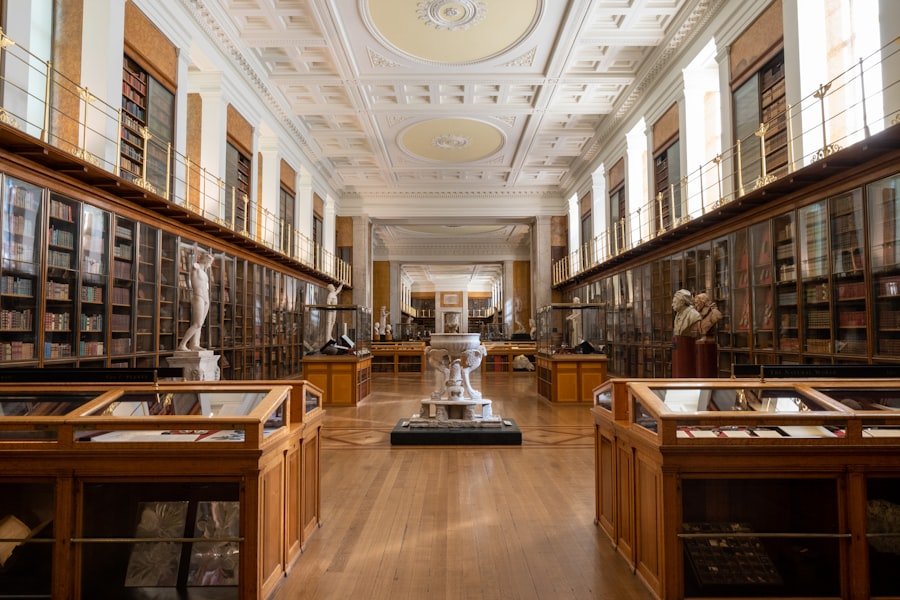
The British Museum is too large to cover properly in a short visit, so first-time visitors will usually have a better experience by choosing several headline objects and galleries in advance.
- Rosetta Stone — Room 4: The famous inscribed stone was crucial to the decipherment of Egyptian hieroglyphs and remains one of the Museum’s best-known objects.
- Assyrian Lion Hunt reliefs — Room 10: These dramatic carved reliefs show royal lion hunts from ancient Assyria and reveal both extraordinary craftsmanship and the political symbolism of Assyrian kingship.
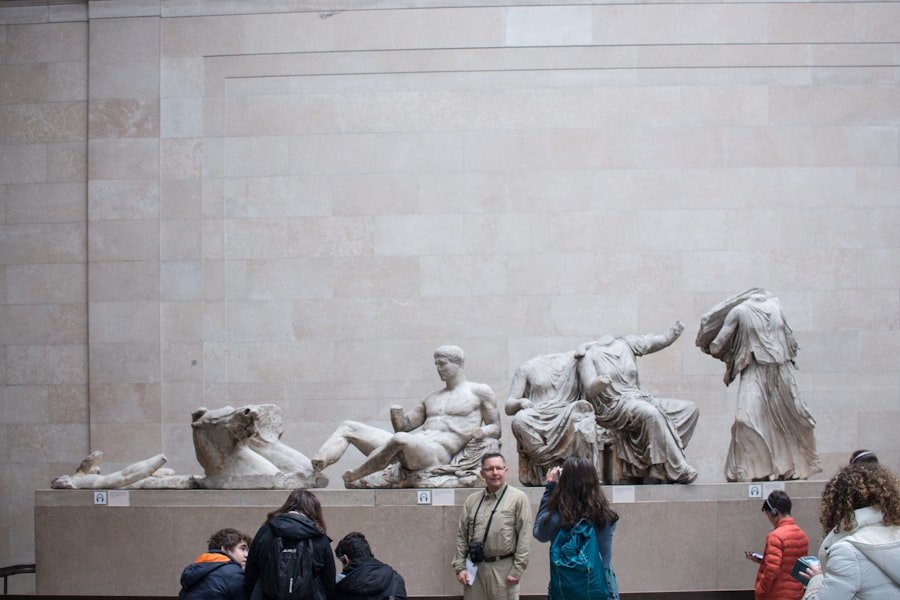
- Parthenon Sculptures — Room 18: Marble architectural sculptures from the Parthenon in Athens include sections of the frieze, metopes, and pedimental figures.
- Sutton Hoo — Room 41: The gallery contains objects from the famous early seventh-century Anglo-Saxon ship burial, including the reconstructed Sutton Hoo helmet.
- Egyptian mummies — Rooms 62–63: These upper-floor galleries explore ancient Egyptian beliefs about death and the afterlife through mummies, coffins, funerary objects, and related material.
The Enlightenment Gallery in Room 1 is also worth considering if you are interested in the history of collecting and the intellectual world in which the Museum developed.
A Simple 2–3 Hour Route for First-Time Visitors
If you have only a few hours, the goal should be to see a manageable group of highlights rather than rush through every wing.
- Start in the Great Court. Pick up a paper map if needed and orient yourself before entering the galleries.
- Visit Room 4 for the Rosetta Stone. Explore the surrounding Egyptian sculpture gallery while you are there.
- Continue to Room 10 for the Assyrian Lion Hunt reliefs.
- Visit Room 18 for the Parthenon Sculptures.
- Move to the upper floor for Room 41 and Sutton Hoo.
- Finish in Rooms 62–63 with the Egyptian mummies if those galleries are open and time allows.
A focused visit of about two hours works if you mainly want headline objects. Three to four hours gives you more time for surrounding galleries, reading labels, and taking a café break. Museum enthusiasts can easily spend half a day or return for another visit.
Pro Tip: Do the object you care about most early. Gallery access can change because of maintenance, events, or temporary closures, and the most famous objects often attract larger crowds as the day gets busier.
Navigating the Museum: Tips for Getting Around
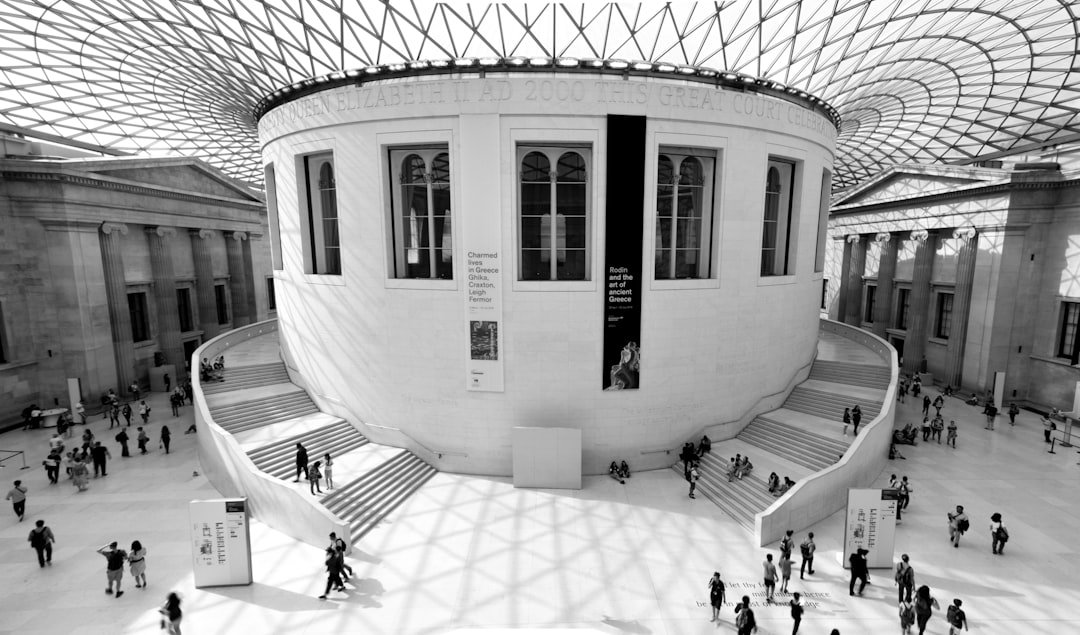
The British Museum’s Great Court acts as a central orientation point, but the galleries extend across several floors and wings. Download or review the official Museum map before arriving so you know which floor contains your priority rooms.
Free paper maps are also available at the Information Desk. Marking four or five rooms before you start will usually save more time than wandering from gallery to gallery.
The Museum’s Audio app provides self-guided tours, object information, images, audio and video content, and an interactive map. Bring your own headphones if you plan to use it.
If you have a specialist interest, build your route around that subject rather than around a generic list of famous objects. For example, visitors interested in Egypt may spend much of their time around Room 4 and the upper-floor Egyptian galleries, while visitors interested in Greece can concentrate on Rooms 18 and the surrounding classical collections.
Gallery availability can change. Check the official Visit page shortly before travelling, particularly if one specific room is the main reason for your visit.
Guided Tours and Audio Guides
The British Museum offers several ways to explore the collection with more context. Current tours and talks include Museum-led programs, free volunteer-led activities, and bookable experiences.
Eye-opener tours are free volunteer-led tours that focus on different parts of the collection. They generally last about 40 minutes, run at various times during the day, and are subject to availability or cancellation.
Friday night Spotlight tours are a separate program offered during the Museum’s Friday late opening. These short volunteer-led tours focus on selected collections or objects and are not the same as the daytime Eye-opener program.
The Museum also offers bookable tours, including selected out-of-hours experiences. Availability, themes, prices, and schedules can change, so check the official tours page for your date.
For self-guided exploration, use the Museum’s Audio app instead of relying on older information about rented audio-guide devices. The app lets you explore at your own pace and can be particularly useful when you want more context without joining a scheduled group.
Dining and Refreshment Options
After several galleries, a short break can make the second half of your visit much more enjoyable. The Museum’s current food and drink options include the Court Cafés, Great Court Restaurant, Pizzeria, Coffee Lounge, and seasonal or outdoor options.
The Great Court Restaurant offers a sit-down dining experience under the Great Court roof. Advance restaurant booking is strongly advised, although same-day walk-ins may sometimes be available.
The Court Cafés are useful for a faster break, with sandwiches, snacks, salads, cakes, and drinks. Other Museum eateries provide additional casual choices.
You may bring your own food and drink into the Museum, but eating and drinking are not permitted in the galleries. Follow staff directions and use an appropriate dining or seating area rather than opening food beside the collection.
Shopping at the British Museum
The British Museum shops sell products inspired by the collection, including books, replicas, stationery, jewelry, gifts, educational products, and items linked to particular cultures or objects.
A shop visit can be especially useful if you want a reference book about something you have just seen, a child-friendly resource, or a souvenir connected with a specific collection. Stock changes, so do not rely on a particular item being available unless you check before your visit.
Purchases from the Museum’s shops also support the institution. If shopping is important to your visit, leave time for it near the end rather than carrying purchases through multiple galleries.
Accessibility and Facilities for Visitors with Disabilities
The British Museum provides a range of accessibility services for disabled, neurodivergent, blind or partially sighted, and d/Deaf or hard-of-hearing visitors. Because individual requirements vary, review the official accessibility information before travelling.
A step-free easy-access route is available at the Main entrance on Great Russell Street for visitors with accessibility needs. Lifts provide access to most public levels and galleries, and accessible toilets are available within the Museum.
A limited number of manual wheelchairs can be pre-booked free of charge. The Museum advises allowing at least two working days for a reservation. Because availability is limited, do not assume a wheelchair will be available without arranging it in advance.
For blind and partially sighted visitors, resources include audio description and selected touch-tour materials. The Museum also provides BSL resources and runs accessible events at various times.
Neurodivergent visitors can use the Museum’s sensory map to identify sensory-friendly areas. Paper copies are available from the Information Desk. The Museum currently identifies 10:00–11:00 and late afternoon from around 16:00 as periods that can be quieter, although crowd levels always vary.
Ear defenders and other visitor-support information can also be requested at the Information Desk. If you have a particular access requirement, contacting the Museum before your visit is the safest way to confirm what will be available on the day.
Photography and Filming Guidelines
Photography for personal, non-commercial use is permitted in most British Museum galleries. Contrary to some older visitor advice, the Museum’s current guidance allows hand-held flash photography in most galleries for private purposes.
However, always check signs in the room you are visiting because photography can be restricted around particular displays or temporary exhibitions.
Tripods, monopods, and selfie sticks are not permitted inside the Museum building under the general visitor rules. Visitors should also avoid obstructing pathways, displays, or other people’s views while taking photographs.
Professional and commercial photography or filming must be arranged through the Museum rather than treated as ordinary visitor photography.
Note: A gallery sign or staff instruction takes priority over the general photography policy. If a display says no photography, follow the restriction even though photography is permitted elsewhere in the Museum.
Etiquette and Rules for Visitors
The British Museum protects objects that may be thousands of years old, so do not touch exhibits unless a display, activity, or member of staff specifically invites you to do so. Object-handling programs exist in selected areas, but ordinary display cases and exposed objects should be treated as no-touch unless clearly stated otherwise.
Keep conversations and phone use considerate, particularly in crowded or quiet galleries. Do not block doorways, stairs, cases, or accessible routes while reading labels or taking photographs.
Food and drink should not be consumed in galleries. Bags must comply with the Museum’s security and luggage rules, and unattended property should never be left behind.
Groups also have additional requirements. Groups of 10 or more adults visiting together must book in advance under the Museum’s group-visit rules.
The Museum can change access arrangements or close individual areas when necessary for security, maintenance, refurbishment, events, or operational reasons. Checking current visitor information shortly before travelling is therefore worthwhile even if you have visited before.
Additional Tips for a Successful Visit
Wear comfortable shoes. Even a highlights-only route can involve a substantial amount of walking, standing, stair use, and moving between floors.
If you prefer lighter crowds, arriving when the galleries open can help. The Museum’s accessibility guidance identifies roughly 10:00–11:00 and the period from around 16:00 as potentially quieter times, although weekends, school holidays, bank holidays, and major exhibitions can still be busy.
Do not try to see everything. Pick several priority objects, add one gallery that matches your personal interest, and leave space for something unexpected. That usually creates a more memorable visit than racing through dozens of rooms.
Free Wi-Fi is available in the Museum, which is useful for the Audio app and online map. Keep your phone charged before you arrive because charging personal electronics inside the Museum is restricted.
Ask Museum staff when you are unsure about a room, accessible route, tour, or temporary closure. A quick question can prevent a long detour through the building.
Finally, recheck the official Visit page on the day of your trip. Opening arrangements, available galleries, special exhibitions, tours, and other services can change.
If you’re planning a trip to London to visit the British Museum, you may also want to check out this article on 10 Must-See Attractions in London. This guide can help you plan the rest of your time in the city around your Museum visit.
Frequently Asked Questions
What are the British Museum’s opening hours?
The galleries are normally open daily from 10:00 to 17:00 and until 20:30 on Fridays. Last entry is normally 16:45, or 20:15 on Friday. The Museum is closed on 24–26 December, and individual galleries can occasionally close for operational reasons.
Is there an admission fee to enter the British Museum?
Admission to the permanent collection is free. Some special exhibitions, tours, and events require paid tickets.
Do I need to book the British Museum in advance?
Advance booking is recommended. You can reserve a free timed general-admission ticket online. Walk-up entry may be available, but it depends on capacity and queues can form during busy periods.
How long should I spend at the British Museum?
About two to three hours is a practical amount of time for a focused first visit. Allow three to four hours if you want to explore surrounding galleries and take a break, or half a day if museums are a major interest for you.
What are the must-see exhibits at the British Museum?
Popular first-visit highlights include the Rosetta Stone in Room 4, Assyrian Lion Hunt reliefs in Room 10, Parthenon Sculptures in Room 18, Sutton Hoo treasures in Room 41, and Egyptian mummies in Rooms 62–63.
Are guided tours available at the British Museum?
Yes. The Museum runs several tour formats, including free volunteer-led Eye-opener tours, Friday night Spotlight tours, selected bookable Museum-led tours, and out-of-hours experiences. Check the current schedule because availability can change.
Is photography allowed inside the British Museum?
Yes. Personal, non-commercial photography and hand-held flash photography are allowed in most galleries unless signs state otherwise. Tripods, monopods, and selfie sticks are not permitted under the standard visitor rules.
Are there dining options at the British Museum?
Yes. Current choices include the Court Cafés, Great Court Restaurant, Pizzeria, Coffee Lounge, and other seasonal or outdoor options. You may bring your own food, but food and drink should not be consumed inside the galleries.
Is the British Museum accessible for visitors with disabilities?
The Museum provides step-free routes, lifts, accessible toilets, sensory resources, BSL and audio-description resources, accessible events, and a limited number of manual wheelchairs that can be pre-booked free of charge. Check the official accessibility page for your specific needs before visiting.
Can I bring a suitcase or large bag into the British Museum?
Wheeled cases are not permitted regardless of size. Other luggage larger than 40 × 40 × 50 cm or heavier than 8 kg is also prohibited, so arrange external luggage storage before visiting if you are travelling with a suitcase.
What is the nearest Tube station to the British Museum?
Tottenham Court Road is listed by the Museum as about a five-minute walk away. Holborn and Russell Square are about seven minutes away, while Goodge Street is about an eight-minute walk.
Sources
- British Museum — Plan your visit — current admission, opening hours, entrances, transport, security, luggage, facilities, and visitor information.
- British Museum — Museum map — gallery locations, floors, facilities, and wayfinding.
- British Museum — Tours and talks — current guided-tour and volunteer-tour options.
- British Museum — Audio app — self-guided tours, object information, multimedia content, and interactive map.
- British Museum — Accessibility at the Museum — wheelchair booking, step-free access, sensory resources, accessible events, and visitor support.
- British Museum — Visitor guidelines and conditions of entry — photography, security, luggage, group, and conduct rules.