

Westminster Abbey stands as one of the most iconic landmarks in London, a testament to the city’s rich history and cultural heritage. This magnificent Gothic structure, with its soaring spires and intricate stonework, is not merely an architectural marvel; it is a living monument that has witnessed centuries of British history. From royal coronations to state funerals, Westminster Abbey has been the backdrop for some of the most significant events in the nation’s past.
Its walls echo with the stories of kings, queens, poets, and scientists, making it a place of pilgrimage for those who seek to connect with the historical tapestry of England. As a UNESCO World Heritage Site, Westminster Abbey attracts millions of visitors each year, drawn by its beauty and historical significance. The Abbey is not just a church; it is a mausoleum for many of Britain’s most notable figures, including Isaac Newton, Charles Darwin, and Geoffrey Chaucer.
The blend of spirituality and history creates an atmosphere that is both reverent and awe-inspiring. For anyone visiting London, a trip to Westminster Abbey is an essential experience that offers a glimpse into the heart of British culture and tradition.
Key Takeaways
- Westminster Abbey is a historic church located in London, known for its royal connections and stunning architecture.
- The abbey has a rich history and is a significant site for royal coronations, weddings, and burials.
- When planning a visit, consider booking tickets in advance and checking the opening hours to make the most of your visit.
- There are various transportation options to reach Westminster Abbey, including the London Underground and bus services.
- Ticket options and prices vary, with discounts available for students, seniors, and families. Guided tours and audio guides are also available for a more immersive experience.
History and significance of Westminster Abbey
The history of Westminster Abbey dates back over a thousand years, with its origins rooted in the early Christian church established by St. Peter in the 7th century. The current structure was commissioned by King Henry III in 1245, who sought to create a grand space that would reflect the glory of God and the monarchy.
The Abbey has since been the site of every coronation since William the Conqueror in 1066, solidifying its role as a central institution in British royal life.
Beyond its role in royal ceremonies, Westminster Abbey has also served as a burial site for numerous influential figures throughout history.
The Poet’s Corner, for instance, is a celebrated area within the Abbey where many of England’s greatest writers are interred or commemorated. This includes luminaries such as William Shakespeare, John Milton, and T.S. Eliot.
The Abbey’s significance extends beyond mere physical presence; it embodies the cultural and intellectual legacy of Britain, making it a vital part of the national identity.
Planning your visit to Westminster Abbey
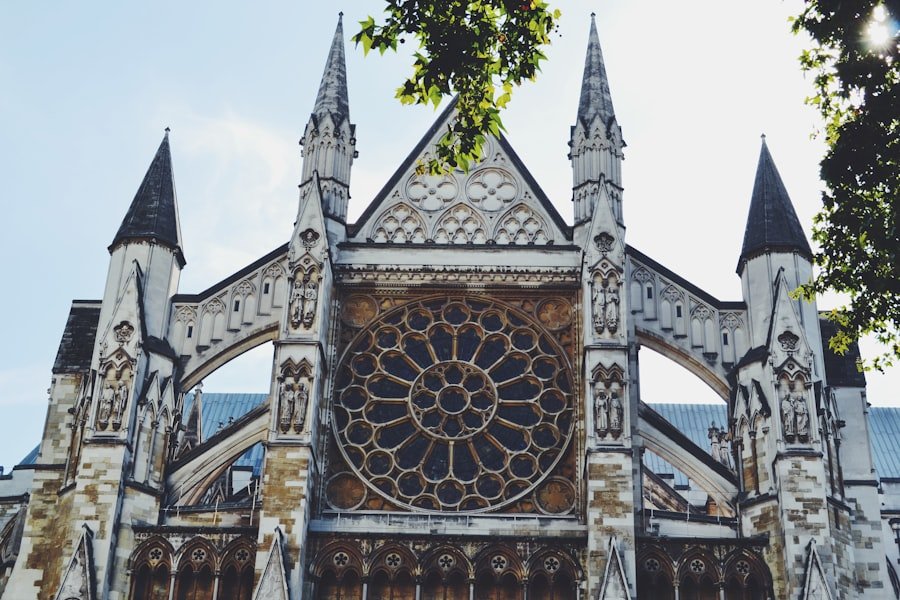
When planning a visit to Westminster Abbey, it is essential to consider the best times to go and how to make the most of your experience. The Abbey is open to visitors throughout the week, but certain days may be busier than others, particularly during peak tourist seasons or around significant religious events. To avoid long queues and crowded spaces, it is advisable to visit early in the morning or later in the afternoon.
Additionally, checking the Abbey’s official website for any special events or services can help you plan your visit around unique experiences that may enhance your understanding of this historic site. Visitors should also allocate sufficient time to explore the various chapels, memorials, and exhibits within the Abbey. A typical visit can last anywhere from one to two hours, depending on individual interests.
It is beneficial to familiarize yourself with the layout of the Abbey beforehand; this can be done through maps available online or at the entrance. Understanding which areas are most significant can help prioritize your visit and ensure that you do not miss key attractions.
Getting to Westminster Abbey
Reaching Westminster Abbey is relatively straightforward due to its central location in London. The Abbey is situated in the City of Westminster, making it accessible via various modes of transportation. The London Underground is one of the most convenient options; visitors can take the District or Circle lines to Westminster Station, which is just a short walk from the Abbey.
Alternatively, St. James’s Park Station on the District and Circle lines also provides easy access. For those preferring bus travel, numerous routes service the area surrounding Westminster Abbey.
Buses 11, 24, 88, and 211 all stop nearby, making it easy for visitors to hop on and off while exploring other attractions in central London. Additionally, cycling is becoming increasingly popular in London; there are bike lanes leading to the Abbey, and bike-sharing schemes are available for those who wish to explore at their own pace.
Ticket options and prices
Visiting Westminster Abbey requires an entry ticket, which can be purchased online or at the entrance. As of October 2023, standard adult tickets are priced at approximately £25, while concessions are available for students and seniors at around £22. Children under 16 can enter for free when accompanied by an adult, making it an excellent family-friendly destination.
In addition to standard admission tickets, there are also options for group bookings and educational visits that may offer discounted rates. For those interested in exploring more deeply, special tickets that include guided tours or audio guides can enhance the experience by providing additional context and insights into the Abbey’s history and architecture.
Guided tours of Westminster Abbey
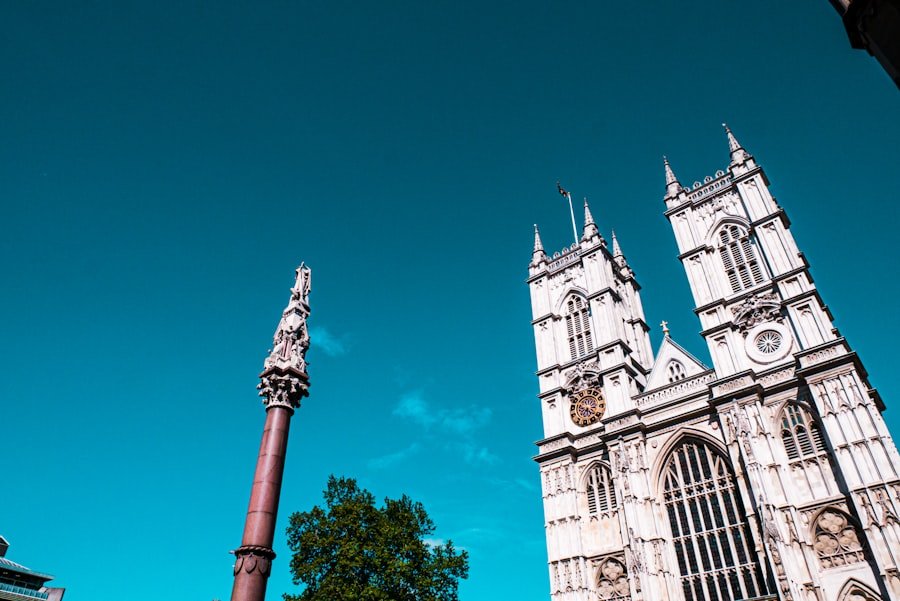
For visitors seeking a more immersive experience at Westminster Abbey, guided tours are an excellent option. These tours are led by knowledgeable guides who provide detailed information about the history, architecture, and significance of various areas within the Abbey. Guided tours typically last around 90 minutes and cover key highlights such as the Coronation Chair, Poets’ Corner, and various chapels.
The advantage of a guided tour lies in the opportunity to ask questions and engage with a guide who can share fascinating anecdotes and lesser-known facts about the Abbey’s history. Many guides are well-versed in both historical events and architectural details, allowing visitors to gain a deeper appreciation for this remarkable site. Additionally, guided tours often include access to areas that may not be available during standard visits, providing an exclusive glimpse into parts of the Abbey that are rich with history.
Audio guides and self-guided tours
For those who prefer exploring at their own pace or wish to delve into specific areas of interest without a group setting, audio guides are available for rent at Westminster Abbey. These audio guides offer a wealth of information about various points of interest within the Abbey and allow visitors to navigate through different sections according to their own schedule. The audio commentary is typically available in multiple languages, catering to international visitors.
Self-guided tours can be particularly rewarding for those who enjoy taking their time to absorb their surroundings or who have specific interests in art or architecture. With an audio guide in hand, visitors can pause at their leisure to admire intricate details or reflect on historical narratives without feeling rushed. This flexibility makes self-guided tours an appealing option for many visitors who wish to tailor their experience according to personal preferences.
Must-see attractions within Westminster Abbey
Westminster Abbey is home to numerous attractions that captivate visitors with their historical significance and artistic beauty. One of the most iconic features is the Coronation Chair, which has been used for every British coronation since 1308. This wooden chair adorned with intricate carvings symbolizes royal authority and tradition; standing before it evokes a sense of reverence for centuries of monarchy.
Another must-see area is Poets’ Corner, where many of Britain’s literary giants are commemorated or buried. This hallowed ground includes memorials for authors such as Charles Dickens and Jane Austen, allowing visitors to pay homage to those whose works have shaped English literature. Additionally, the stunning Lady Chapel features exquisite stained glass windows and intricate stonework that exemplify Gothic architecture at its finest.
Etiquette and tips for visiting Westminster Abbey
When visiting Westminster Abbey, it is important to observe certain etiquette guidelines that respect both the sacred nature of the site and fellow visitors. As a functioning church, visitors are encouraged to maintain a quiet demeanor while inside the Abbey. Photography is generally not permitted during services or in certain areas; however, visitors can capture images in designated spots outside or in specific chapels where photography is allowed.
Dress code also plays a role in maintaining decorum within this historic site. While there is no strict dress code enforced, it is advisable to dress modestly out of respect for the religious significance of the Abbey. Comfortable footwear is recommended due to the extensive walking involved in exploring its vast interior.
Accessibility and facilities at Westminster Abbey
Westminster Abbey strives to be accessible to all visitors regardless of mobility challenges. The main entrance features ramps for wheelchair access, ensuring that everyone can enjoy this historic site without barriers. Inside the Abbey, there are designated pathways for wheelchair users and those with limited mobility.
Facilities such as restrooms are available throughout the premises, including accessible options for those who require them. Additionally, there are seating areas where visitors can take breaks during their exploration. For individuals with hearing impairments, induction loops are installed in certain areas to enhance audio experiences during guided tours or services.
Nearby attractions and places to visit after Westminster Abbey
After exploring Westminster Abbey, visitors have a wealth of nearby attractions to continue their journey through London’s rich history and culture. Just a short walk away lies the Houses of Parliament and Big Ben (now known as the Elizabeth Tower), iconic symbols of British governance that offer stunning views along the River Thames. Another nearby gem is Buckingham Palace, where visitors can witness the Changing of the Guard ceremony during certain times of the year.
For those interested in art and history, The Queen’s Gallery showcases an impressive collection from the Royal Collection Trust. Additionally, St. James’s Park provides a serene escape from the bustling city atmosphere; its picturesque landscapes make it an ideal spot for a leisurely stroll or picnic after visiting Westminster Abbey.
With so many attractions within close proximity, visitors can easily fill their day with enriching experiences that complement their time spent at this historic site.
If you’re planning a visit to Westminster Abbey, you may also be interested in reading about the privacy policy of the website you’re using to plan your trip. Check out this article for more information on how your personal data is being handled.
FAQs
What is Westminster Abbey?
Westminster Abbey is a historic church located in London, England. It is a UNESCO World Heritage Site and has been the site of numerous royal weddings, coronations, and burials.
What are the opening hours for Westminster Abbey?
The opening hours for Westminster Abbey vary depending on the day of the week and time of year. It is generally open to visitors from Monday to Saturday, with limited hours on Sundays for worship services.
How much does it cost to visit Westminster Abbey?
The cost of admission to Westminster Abbey varies depending on the visitor’s age and whether they are a UK taxpayer. There are also discounts available for students, seniors, and groups.
Can I take photographs inside Westminster Abbey?
Photography is not allowed inside Westminster Abbey, but visitors are welcome to take photos in the Abbey’s Cloisters and College Garden.
Are there guided tours available at Westminster Abbey?
Yes, guided tours of Westminster Abbey are available for an additional fee. These tours provide visitors with in-depth knowledge of the Abbey’s history and architecture.
Is there a dress code for visiting Westminster Abbey?
There is no strict dress code for visiting Westminster Abbey, but visitors are asked to dress respectfully and modestly. This means no shorts, bare shoulders, or revealing clothing.
Can I attend a service at Westminster Abbey?
Yes, visitors are welcome to attend daily services at Westminster Abbey, including Evensong and Holy Communion. These services are free to attend and provide a unique opportunity to experience the Abbey’s spiritual significance.