Switzerland’s chocolate reputation was built through more than two centuries of craftsmanship and innovation, but a chocolate-focused trip today is about more than history. Visitors can explore interactive museums, watch parts of the production process, taste freshly made chocolate, and book hands-on workshops. The best experience depends on where you are staying and whether you want a family-friendly museum, a true factory tour, or time at a chocolate atelier.
Quick Answer
For the best chocolate factory experiences in Switzerland, start with Maison Cailler in Broc, Lindt Home of Chocolate near Zurich, House of Läderach in Bilten, Camille Bloch in Courtelary, or Chocolarium in Flawil. Each offers a different mix of history, tastings, production insights, workshops, and family activities.
Key Takeaways
- Maison Cailler is one of the strongest choices for Swiss chocolate history, tastings, and optional workshops in the Gruyère region.
- Lindt Home of Chocolate near Zurich is a large interactive chocolate museum rather than a standard walk through Lindt’s commercial production factory.
- House of Läderach offers bookable factory-tour options as well as a museum, atelier, café, and chocolate courses.
- Chocolarium can provide views of live Munz and Minor production on scheduled production days.
- Toblerone remains closely connected with Bern, but its Bern production plant is not promoted as a regular public factory-tour attraction.
- Book popular attractions ahead, especially during weekends, school holidays, and the main tourist season.
A Short History of Swiss Chocolate
Chocolate was being produced in Switzerland before the middle of the 19th century. According to the Swiss government’s overview of the industry, some of the country’s first chocolate factories appeared around the end of the 1700s in places including Vevey, Morges, Lausanne, and Ticino’s Val di Blenio. François-Louis Cailler became one of the best-known early Swiss pioneers, with Cailler documenting its earliest product sales in 1819.
The 19th century brought several breakthroughs that helped shape the international reputation of Swiss chocolate. Philippe Suchard developed the mélangeur in 1826 to improve the mixing of cocoa and sugar. In 1875, Daniel Peter successfully combined chocolate with condensed milk, creating milk chocolate. His work was influenced by the milk-processing innovations of his neighbor Henri Nestlé.
Another major advance followed in 1879 when Rodolphe Lindt developed the conching process in Bern. Conching helped transform chocolate from a comparatively coarse product into the smooth, melting style that became strongly associated with Swiss chocolate. The Association of Swiss Chocolate Manufacturers identifies milk chocolate and conching among the key Swiss innovations that helped the industry expand internationally.
The Art of Chocolate Making
Chocolate making combines agricultural ingredients with careful processing. It begins with cocoa beans grown in tropical regions. After harvest, cocoa beans are normally fermented and dried before being transported to chocolate manufacturers. These early stages strongly influence the flavor that later develops in the finished chocolate.
At the factory, beans may be cleaned and roasted before their shells are removed. The edible pieces inside, called cocoa nibs, are ground into cocoa mass or chocolate liquor. Despite the name, chocolate liquor does not contain alcohol. It is a thick cocoa paste containing both cocoa solids and cocoa butter.
Manufacturers combine cocoa mass with ingredients such as cocoa butter and sugar. Milk chocolate also contains milk ingredients. White chocolate is different because it uses cocoa butter without the dark cocoa solids that give milk and dark chocolate their brown color.
Refining reduces the size of solid particles so the chocolate feels smoother on the tongue. Conching then mixes and works the chocolate for an extended period. Rodolphe Lindt’s 1879 development of this process became an important milestone because it helped create smoother, more aromatic chocolate.
Tempering comes later. During tempering, chocolate is heated and cooled in a controlled way so that stable cocoa-butter crystals form. Properly tempered chocolate has a glossy surface, contracts cleanly from molds, and normally makes a crisp snap when broken.
Note: A visitor attraction may explain every stage of chocolate production without taking guests through the main commercial factory floor. Always check what a particular ticket actually includes.
The Best Chocolate Factory Tours in Switzerland

Switzerland has several excellent chocolate attractions, but they are not identical. Some focus on museums and tastings, while others offer workshops or closer views of production. The following choices cover different parts of the country and different visitor interests.
| Experience | Location | Best For | Main Highlights |
| Maison Cailler | Broc | History and first-time visitors | Interactive museum, tastings, separate workshops |
| Lindt Home of Chocolate | Kilchberg | Zurich visitors and families | Interactive museum, tastings, test facilities, courses, giant fountain |
| House of Läderach | Bilten | Hands-on experiences | Museum, atelier, bookable factory tours, courses |
| Camille Bloch | Courtelary | Ragusa and Torino fans | Sensory visitor center, tastings, workshops, family activities |
| Chocolarium | Flawil | Seeing production | Interactive tour, production views, tastings, optional decorating |
Maison Cailler in Broc
Maison Cailler is one of Switzerland’s best-known chocolate attractions. The museum in Broc covers the story of cocoa and Cailler, explains chocolate production, and includes tasting opportunities. A normal visit usually takes roughly 45 minutes to one hour.
Hands-on chocolate workshops are separate from the standard museum experience and need their own ticket. This distinction matters if making chocolate is one of your main reasons for visiting. Maison Cailler also recommends advance booking when visitor traffic is high.
Broc works particularly well as part of a food-focused trip through the Gruyère region. Public transport is practical because the Broc-Chocolaterie station is close to Maison Cailler.
Lindt Home of Chocolate in Kilchberg
The Lindt Home of Chocolate sits in Kilchberg near Zurich. It is best described as a large interactive chocolate museum rather than a conventional tour through Lindt’s main commercial factory floor.
The attraction explains cocoa’s journey, Swiss chocolate history, and chocolate manufacturing through exhibits and modern test facilities. Visitors can also enjoy tastings, book chocolate courses, visit the café, and browse the large Lindt shop.
Its most recognizable feature is the chocolate fountain in the entrance area, which stands more than nine metres tall. High demand means advance online ticket booking is strongly recommended.
House of Läderach in Bilten
The House of Läderach in Bilten is a strong choice if you specifically want an experience advertised as a factory tour. The site combines a chocolate museum, Chocolate Atelier, café, factory store, chocolate courses, and several bookable tour formats.
The standard museum-and-atelier experience is shorter, while the factory-tour-and-atelier option provides a more detailed experience. Because tour formats, prices, group sizes, and availability can change, check the official booking page for the date you plan to visit.
Camille Bloch in Courtelary
The Camille Bloch Visitor Centre in Courtelary focuses on the company’s Ragusa and Torino chocolates. The experience combines company history, sensory activities, tastings, workshops, a shop, and family-friendly attractions.
This is a useful option for travelers exploring the Bernese Jura or anyone who wants a smaller-scale alternative to the biggest chocolate museums. Workshops can include making your own version of products such as Ragusa or Torino.
Chocolarium in Flawil
Chocolarium, home to Munz and Minor chocolate experiences, is one of the better choices for travelers who want to watch production. Its approximately one-hour interactive visit includes tastings and views of production when the factory is operating.
Live production is normally scheduled from Tuesday to Friday, with no production on public holidays and certain long weekends. That means the day of your visit can change what you see. An optional activity at the end allows visitors to decorate a freshly molded chocolate bar.
Can You Tour the Toblerone Factory in Bern?
Toblerone is an important part of Bern’s chocolate history. The brand was created in 1908, and Mondelēz states that most Toblerone sold worldwide is still manufactured in Switzerland, with Bern remaining its production home.
However, the Bern production plant is not presented as a normal public chocolate-tour attraction. If you are in Bern, you can instead explore the city’s chocolate history through local chocolate walks and tastings, or travel to a public visitor experience such as Camille Bloch or Maison Cailler.
Pro Tip: Decide what matters most before booking. Choose Lindt for a large museum experience near Zurich, Maison Cailler for Swiss chocolate history and the Gruyère region, Läderach for a bookable factory-tour format, and Chocolarium if seeing live production is a priority.
Sampling Swiss Chocolate
| Brand | Style to Try | What to Notice | Buying Tip |
|---|---|---|---|
| Lindt | Dark or milk chocolate | Compare cocoa intensity, sweetness, and melting texture | Check the exact cocoa percentage on the individual product |
| Toblerone | Classic milk chocolate with honey-almond nougat | The contrast between smooth chocolate and chewy nougat | Recipes and sizes vary, so compare the package rather than assuming one cocoa percentage |
| Nestlé / Cailler | Milk chocolate and praline-style products | Creaminess, milk flavor, fillings, nuts, and texture | Look for products or gift formats that differ from what you can easily buy at home |
Sampling Swiss chocolate is more useful when you compare styles instead of simply eating several pieces in a row. Start with a mild milk chocolate, move toward darker chocolate, and leave strongly flavored fillings or spices until later. Water between samples can help reset your palate.
Dark chocolate tends to make cocoa flavor easier to notice because it usually contains less milk and can contain less sugar than milk chocolate. Milk chocolate emphasizes creaminess and sweetness, while white chocolate highlights cocoa butter, milk, sugar, and added flavorings without dark cocoa solids.
For a genuinely Swiss artisan example, Läderach offers its well-known FrischSchoggi, or fresh chocolate, in different nut, fruit, milk, and dark varieties. Toblerone provides a very different experience because honey and almond nougat add chewiness and sweetness to the chocolate.
Swiss chocolatiers also work with hazelnuts, almonds, caramel, fruit, herbs, spices, praline fillings, and seasonal ingredients. Rather than assuming one style represents Swiss chocolate, try two or three contrasting products and pay attention to aroma, sweetness, texture, cocoa intensity, and the finish after swallowing.
Warning: Chocolate products and tasting stations may contain or come into contact with milk, nuts, soy, gluten, or other allergens. Ask the attraction directly about ingredients and cross-contact before tasting if you have a food allergy.
Learning about Sustainable Chocolate Production
Chocolate’s environmental and social impact begins far from Switzerland because cocoa is primarily grown in tropical regions. Important issues include farmer income, child labour, deforestation, biodiversity, climate resilience, and the ability to trace cocoa through a complicated international supply chain.
Switzerland has a sector-wide initiative known as the Swiss Platform for Sustainable Cocoa, or SWISSCO. The Swiss government’s description of the SWISSCO Roadmap 2030 identifies four central priorities: progress toward a living income for cocoa-farming families, deforestation-free and climate-friendly supply chains, tackling child labour and improving opportunities for young people, and increasing transparency and traceability.
Environmental improvements can include agroforestry, better soil management, biodiversity protection, more efficient farming, and efforts to prevent cocoa expansion into forests. Social sustainability also requires attention to farm incomes, labor practices, education, and the long-term economic health of cocoa-growing communities.
Sustainable chocolate is not only about an environmental label. It also involves farmer livelihoods, human rights, traceability, and protecting the landscapes where cocoa grows.
When visiting a chocolate attraction, look for specific information rather than broad claims such as “ethical” or “green.” Useful details include where cocoa comes from, how suppliers are monitored, whether farmers can be traced through the supply chain, and what measurable programs the company supports.
The Role of Switzerland in the Global Chocolate Industry
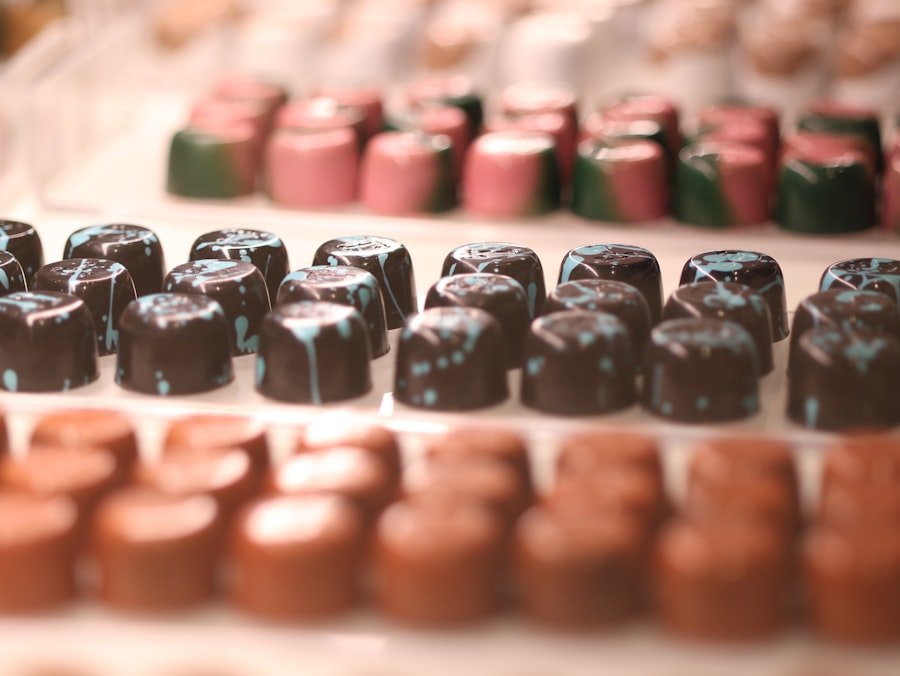
Switzerland’s global chocolate reputation is closely connected with the inventions of its 19th-century pioneers and the international growth of major Swiss brands. Milk chocolate and conching were especially important because they helped change both the flavor and texture of chocolate.
The industry is also strongly export-oriented. According to the Swiss Federal Department of Foreign Affairs, 17 leading Swiss chocolate manufacturers produced more than 209,000 tonnes of chocolate in 2024, and 72% of that production was sold abroad.
In 2024, 72% of the chocolate produced by 17 leading Swiss manufacturers was sold abroad, according to Swiss federal information.
Modern Swiss chocolate ranges from large international brands to smaller artisan producers. That variety is useful for travelers because a trip can include both famous names and regional companies, each offering a different view of how Swiss chocolate is produced, marketed, and enjoyed.
Exploring the Different Flavors of Swiss Chocolate
Swiss chocolate is not one single flavor. Traditional milk chocolate remains important, but visitors can also find dark chocolate, white chocolate, pralines, truffles, nut-filled bars, fruit combinations, caramel, and seasonal creations.
Hazelnuts and almonds are common partners for chocolate because their roasted flavors match both milk and dark cocoa profiles. Toblerone takes another approach with honey-almond nougat. Läderach’s fresh chocolate slabs may combine chocolate with nuts, fruit, or other toppings, while Cailler offers its own milk-chocolate and filled specialties.
Some chocolatiers also use herbs, spices, salt, berries, citrus, or other ingredients to create more unusual combinations. These flavors can be enjoyable, but they are easier to judge after tasting a plain milk or dark chocolate first. Starting simple gives you a reference point for comparing sweetness, acidity, bitterness, roast notes, and texture.
If you attend a structured tasting, smell the chocolate before eating it. Let a small piece melt slowly and pay attention to how the flavor changes. A high cocoa percentage does not automatically mean a chocolate is “better.” Balance, bean quality, processing, recipe, and personal preference all matter.
Tips for Planning a Chocolate Factory Tour in Switzerland
A little planning can make a Swiss chocolate visit much smoother. Start by choosing the experience that fits your route instead of crossing the country just for a brand name. Lindt is convenient for Zurich, Maison Cailler suits the Gruyère region, House of Läderach works well for travelers passing through eastern-central Switzerland, Camille Bloch fits the Bernese Jura, and Chocolarium is a good eastern Switzerland option.
Book Popular Attractions Ahead
Advance booking is especially useful for Lindt Home of Chocolate and Maison Cailler because both officially encourage online booking when demand is high. Workshops and factory tours may have much smaller capacities than ordinary museum admission, so reserve those first if they are the main purpose of your visit.
Check Whether Production Will Be Running
A factory building does not guarantee that machinery will be operating during your visit. Weekends, holidays, maintenance, and production schedules can affect what you see. Chocolarium, for example, normally lists live production from Tuesday through Friday and warns that public holidays and long weekends can affect production.
Allow Extra Time for Workshops and Shopping
A museum visit may take about an hour, while a workshop or guided factory experience can extend the visit considerably. Add time for the shop, café, photographs, and transportation. Trying to fit several chocolate attractions into one day can turn an enjoyable tasting trip into a rushed schedule.
Plan for Children
Chocolate museums can be excellent family attractions, but not every workshop accepts every age group. Maison Cailler states that children under six cannot enter its Atelier for safety reasons. Check the exact activity rather than assuming that rules for the general museum also apply to a workshop.
Check Accessibility Before Booking
Accessibility varies by attraction and activity. Maison Cailler publishes wheelchair and hearing-access information, while House of Läderach lists barrier-free access. If someone in your group has limited mobility, confirm the route, seating availability, toilets, workshop setup, and transportation before buying tickets.
Think About Food Allergies
Do not assume that a tasting station is safe simply because you can choose individual pieces. Nuts, milk, soy, gluten-containing ingredients, and cross-contact may be present. Contact the attraction directly when allergies are medically important.
Use Public Transport Where It Makes Sense
Many Swiss chocolate attractions are reachable without a car. Maison Cailler is served by the Broc-Chocolaterie station, and Lindt Home of Chocolate can be reached from Zurich using public transport. Checking your full route before buying a timed ticket reduces the risk of arriving late.
Pro Tip: One major chocolate attraction per half-day is usually more enjoyable than racing between several museums. Pair the visit with the surrounding region, such as Gruyères with Maison Cailler or Zurich with Lindt Home of Chocolate.
If you’re planning a food-focused trip through Switzerland, chocolate also pairs naturally with other regional specialties. A visit to Broc can be combined with the Gruyère area, while a Zurich or Bern stay gives you access to city restaurants, markets, and local confectioners. Building the chocolate experience into a wider regional itinerary usually gives you more variety than planning the entire day around repeated tastings.
Frequently Asked Questions
What are some popular chocolate factories and museums to visit in Switzerland?
Strong choices include Maison Cailler in Broc, Lindt Home of Chocolate in Kilchberg, House of Läderach in Bilten, Camille Bloch in Courtelary, and Chocolarium in Flawil. They differ in how much they focus on museums, workshops, tastings, and actual production.
Can you tour the Toblerone factory in Bern?
Toblerone is still strongly connected with Bern and much of its global production is made in Switzerland, but the Bern production plant is not promoted as a normal public factory-tour attraction. Visitors in Bern can choose chocolate walks and tastings instead.
What can visitors expect to see and do at Swiss chocolate attractions?
Depending on the attraction, you may learn about cocoa and Swiss chocolate history, see demonstrations or production equipment, taste chocolate, visit a shop, and book a workshop where you make or decorate chocolate.
Are guided tours available at Swiss chocolate factories?
Yes, but the format varies. Some attractions are mainly self-guided, while others offer scheduled guided tours, factory tours, workshops, or private group experiences. Check the exact ticket description before booking.
Do visitors need to book chocolate tours in advance?
Advance booking is recommended for popular attractions and is especially important for limited-capacity workshops and factory tours. Lindt Home of Chocolate and Maison Cailler both encourage online booking during busy periods.
Are there age restrictions at chocolate factories in Switzerland?
General museum visits are often family-friendly, but individual workshops can have minimum-age rules. For example, Maison Cailler does not allow children under six into its Atelier for safety reasons. Always check the activity you plan to book.
Which chocolate experience is best near Zurich?
Lindt Home of Chocolate in Kilchberg is the easiest major chocolate attraction for most Zurich visitors. House of Läderach in Bilten is another option if you are willing to travel farther and want a bookable factory-tour or atelier experience.
Where can I see live chocolate production?
Chocolarium in Flawil specifically offers views of Munz and Minor production when production is operating, normally Tuesday through Friday. House of Läderach also sells dedicated factory-tour experiences. Always check the day’s schedule before traveling specifically to see machinery running.
Sources
- Swiss Federal Department of Foreign Affairs: Chocolate — Swiss chocolate history, pioneers, production, and export context.
- CHOCOSUISSE: History of Swiss Chocolate — Daniel Peter, milk chocolate, Rodolphe Lindt, and conching.
- Maison Cailler: Plan Your Visit — current visitor format, duration, booking guidance, accessibility, and workshop rules.
- Lindt Home of Chocolate — museum features, chocolate fountain, test facilities, courses, tastings, and booking guidance.
- House of Läderach — museum, atelier, factory-tour options, courses, and accessibility.
- Swiss Platform for Sustainable Cocoa, Phase II — current Swiss sustainability priorities for cocoa supply chains.