

The history of Swiss chocolate is a rich tapestry woven with innovation, craftsmanship, and a deep-rooted passion for quality. The origins of chocolate in Switzerland can be traced back to the early 19th century when the country began to embrace the cocoa bean, which had been introduced to Europe from the Americas. The first significant milestone in Swiss chocolate history occurred in 1826 when François-Louis Cailler established the first chocolate factory in Broc, laying the groundwork for what would become a national obsession.
Cailler’s pioneering efforts in chocolate production set a precedent for quality and craftsmanship that would resonate throughout the industry. As the 19th century progressed, Swiss chocolatiers began to experiment with new techniques and recipes, leading to the creation of milk chocolate. In 1875, Daniel Peter, a Swiss chocolatier, partnered with Henri Nestlé to develop the first milk chocolate by combining cocoa with condensed milk.
This groundbreaking innovation not only transformed the chocolate landscape in Switzerland but also paved the way for the global popularity of milk chocolate. The Swiss chocolate industry continued to flourish, with brands like Lindt and Toblerone emerging as household names, each contributing unique flavors and textures that would captivate chocolate lovers around the world.
Key Takeaways
- Swiss chocolate has a rich history dating back to the 17th century, when chocolate was first introduced to Switzerland.
- The art of chocolate making in Switzerland is a time-honored tradition, with many chocolatiers using traditional methods and high-quality ingredients.
- Some of the best chocolate brands in Switzerland include Lindt, Toblerone, and Nestle, known for their delicious and high-quality chocolate products.
- Swiss chocolate comes in various types, including milk chocolate, dark chocolate, and white chocolate, each with its own unique flavor profile.
- Hosting a Swiss chocolate tasting party can be a fun and delicious way to explore the different flavors and textures of Swiss chocolate with friends and family.
The Art of Chocolate Making in Switzerland
The Journey from Bean to Bar
The journey from bean to bar involves several intricate steps, including fermentation, drying, roasting, and grinding. Each stage is carefully monitored to ensure that the final product embodies the rich, complex flavors that Swiss chocolate is celebrated for.
The Conching Process: A Hallmark of Swiss Chocolate Making
One of the hallmarks of Swiss chocolate making is the conching process, developed by Rodolphe Lindt in 1879. This technique involves continuously mixing and aerating the chocolate mixture for several hours, resulting in a smooth and velvety texture. The conching process allows for the development of nuanced flavors while reducing bitterness, creating a product that is both indulgent and sophisticated.
Tempering: The Key to a Delightful Mouthfeel
Additionally, many Swiss chocolatiers emphasize the importance of tempering chocolate, a process that involves heating and cooling the chocolate to stabilize its structure. This not only enhances the sheen and snap of the chocolate but also ensures a delightful mouthfeel that is characteristic of high-quality Swiss chocolate.
The Best Chocolate Brands in Switzerland
Switzerland is home to some of the most prestigious chocolate brands in the world, each with its own unique story and signature products. One of the most iconic names is Lindt, known for its smooth and creamy chocolate bars and truffles. Founded in 1845, Lindt has become synonymous with luxury chocolate, offering a wide range of flavors and textures that cater to diverse palates.
Their signature product, the Lindor truffle, features a delicate shell that encases a rich, melting filling, making it a favorite among chocolate enthusiasts. Another notable brand is Toblerone, famous for its distinctive triangular shape and honey-almond nougat filling. Created in 1908 by Theodor Tobler and his cousin Emil Baumann, Toblerone has become an emblem of Swiss chocolate culture.
The brand’s unique packaging and flavor combinations have made it a popular souvenir for travelers seeking a taste of Switzerland. Additionally, Cailler, Switzerland’s oldest chocolate brand, continues to produce high-quality chocolates using traditional methods while embracing modern flavors. Their pralines and bars are crafted with care, showcasing the rich heritage of Swiss chocolate making.
The Different Types of Swiss Chocolate
| Type of Swiss Chocolate | Description |
|---|---|
| Milk Chocolate | Contains milk powder or condensed milk to give it a creamy texture |
| Dark Chocolate | Contains a higher percentage of cocoa solids and cocoa butter, giving it a rich and intense flavor |
| White Chocolate | Does not contain cocoa solids, but is made from cocoa butter, sugar, and milk solids |
| Gianduja Chocolate | Made from a blend of hazelnut paste and chocolate, giving it a smooth and nutty flavor |
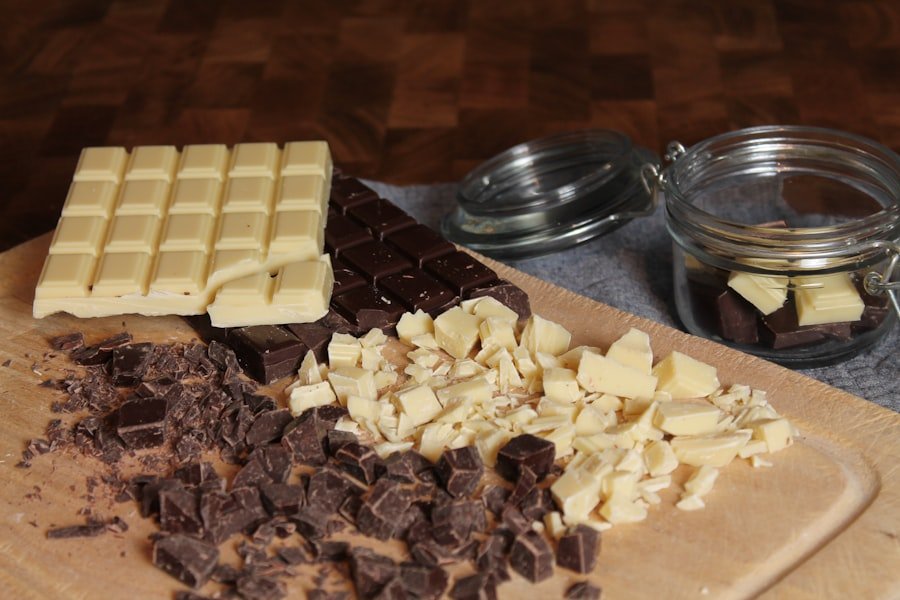
Swiss chocolate comes in a variety of forms and flavors, each offering a unique tasting experience. The most common types include dark chocolate, milk chocolate, and white chocolate. Dark chocolate is characterized by its high cocoa content and minimal sugar, resulting in a rich and intense flavor profile.
Swiss dark chocolates often feature single-origin cocoa beans, allowing consumers to appreciate the distinct characteristics of different growing regions. Milk chocolate, on the other hand, is beloved for its creamy texture and sweetness. The combination of cocoa solids, milk powder, and sugar creates a harmonious balance that appeals to a wide audience.
Swiss milk chocolates are often celebrated for their smoothness and depth of flavor, making them ideal for both snacking and baking. White chocolate, while technically not classified as true chocolate due to its lack of cocoa solids, offers a sweet and buttery taste that pairs well with various ingredients such as fruits and nuts. In addition to these classic types, Swiss chocolatiers are known for their innovative creations that incorporate unique ingredients and flavor combinations.
From spicy chili-infused dark chocolates to fruity milk chocolates with raspberry or passion fruit fillings, there is no shortage of options for adventurous palates. Furthermore, artisanal brands often experiment with local ingredients such as Swiss cream or honey, adding an extra layer of authenticity to their products.
The Ultimate Swiss Chocolate Tasting Experience
Embarking on a Swiss chocolate tasting experience is akin to taking a journey through the heart of Switzerland’s culinary heritage. A well-curated tasting typically begins with an introduction to the different types of Swiss chocolate available—dark, milk, and white—each offering distinct flavor profiles and textures. Participants are encouraged to savor each piece mindfully, allowing the complex flavors to unfold on their palates.
To enhance the tasting experience further, many chocolatiers offer guided tours where visitors can learn about the history and craftsmanship behind their favorite brands. These tours often include interactive elements such as demonstrations of the chocolate-making process or opportunities to create personalized chocolates under the guidance of skilled chocolatiers. Pairing chocolates with complementary beverages like coffee or tea can elevate the tasting experience even more; for instance, dark chocolates can be paired with robust coffees to highlight their rich flavors.
A truly immersive tasting experience may also involve exploring regional specialties or limited-edition offerings that showcase seasonal ingredients or innovative techniques. For example, some chocolatiers release special collections during holidays or festivals that reflect local traditions or flavors. This not only adds an element of exclusivity but also allows participants to appreciate how Swiss culture influences its chocolate-making practices.
How to Pair Swiss Chocolate with Wine or Coffee
Dark Chocolate and Wine Pairings
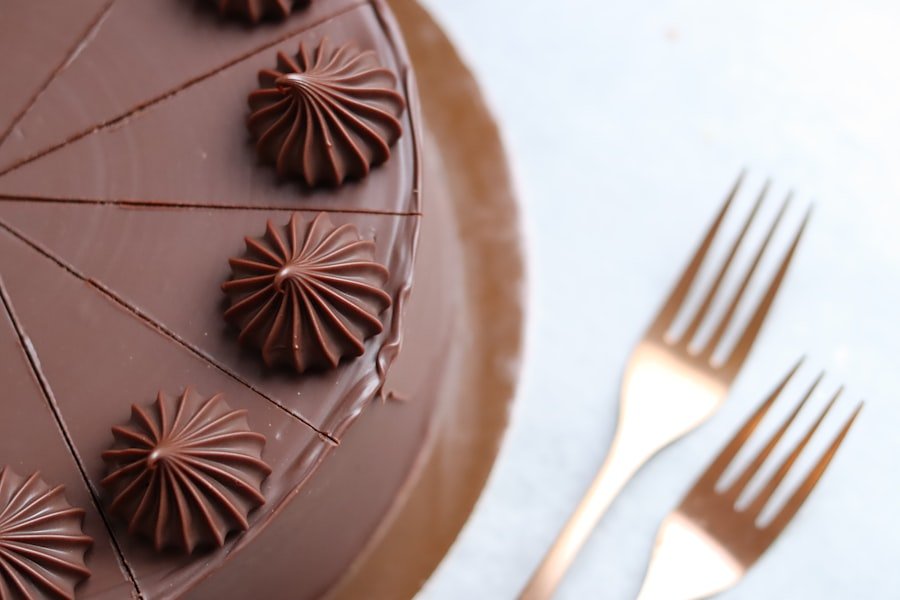
Dark chocolate often shines alongside full-bodied red wines such as Cabernet Sauvignon or Merlot. The tannins in these wines complement the bitterness of dark chocolate while enhancing its fruity notes. For instance, a rich dark chocolate infused with orange zest can be beautifully paired with a glass of Zinfandel, where both elements work together to create a symphony of flavors.
Milk Chocolate Pairing Options
Milk chocolate offers more versatility when it comes to pairing options. Its creamy sweetness pairs well with lighter wines such as Riesling or Moscato, which can balance out the richness without overwhelming it. A delightful combination might include a milk chocolate bar infused with hazelnuts paired with a glass of sparkling wine; the effervescence cuts through the creaminess while accentuating nutty undertones.
Coffee and Swiss Chocolate Pairings
Coffee lovers can also find joy in pairing their favorite brews with Swiss chocolates. A bold espresso can enhance the flavors of dark chocolate while providing a contrasting bitterness that complements its richness. Conversely, milder coffees such as lattes or cappuccinos work well with milk chocolates due to their creamy textures. Experimenting with different brewing methods—such as French press or pour-over—can yield varying flavor profiles that further enrich your tasting experience.
Tips for Hosting a Swiss Chocolate Tasting Party
Hosting a Swiss chocolate tasting party can be an enjoyable way to share your love for this delectable treat with friends and family. To create an inviting atmosphere, consider setting up a dedicated tasting area adorned with elegant tableware and decorative elements that reflect Swiss culture—think alpine motifs or rustic wooden accents. Begin by curating a selection of high-quality Swiss chocolates that represent various types and brands; this diversity will allow guests to explore different flavors and textures throughout the evening.
To guide your guests through the tasting experience, provide tasting notes for each type of chocolate along with suggested pairings—whether it be wine, coffee, or even cheese. Encourage participants to take their time savoring each piece while discussing their impressions; this interactive element fosters conversation and enhances appreciation for the craftsmanship behind each creation. You might also consider incorporating fun activities such as blind tastings where guests guess flavors or ingredients based solely on taste.
In addition to chocolates, consider offering complementary snacks that enhance the overall experience—think fresh fruits like strawberries or raspberries that pair beautifully with both dark and milk chocolates. Providing palate cleansers such as water or light crackers between tastings can help guests reset their taste buds before moving on to new flavors. Ultimately, creating an engaging environment where everyone feels comfortable sharing their thoughts will make your Swiss chocolate tasting party an unforgettable experience.
The Health Benefits of Swiss Chocolate
While indulging in Swiss chocolate is often seen as a guilty pleasure, it also comes with several health benefits when consumed in moderation. Dark chocolate, in particular, is rich in antioxidants known as flavonoids that have been linked to various health benefits including improved heart health and reduced inflammation. These compounds help lower blood pressure by promoting better blood flow and improving vascular function.
Moreover, studies have suggested that consuming dark chocolate may enhance cognitive function due to its ability to increase blood flow to the brain. This could potentially lead to improved memory and focus over time. Additionally, certain compounds found in dark chocolate have been shown to elevate mood by stimulating endorphin production—making it not just a treat for your taste buds but also beneficial for mental well-being.
It’s important to note that not all chocolates are created equal; opting for high-quality Swiss dark chocolates with higher cocoa content (70% or more) maximizes these health benefits while minimizing added sugars and unhealthy fats found in lower-quality options. When enjoyed mindfully as part of a balanced diet, Swiss chocolate can be both a delicious indulgence and a source of positive health effects.
Where to Find the Best Swiss Chocolate Tasting Experiences
For those eager to immerse themselves in the world of Swiss chocolate beyond mere consumption at home, numerous establishments across Switzerland offer exceptional tasting experiences that highlight local craftsmanship and innovation. Renowned chocolatiers such as Lindt provide guided tours at their factories where visitors can witness firsthand how their beloved treats are made while indulging in tastings along the way. In cities like Zurich or Geneva, specialty shops often host exclusive tasting events featuring curated selections from various brands—allowing participants to explore different flavor profiles while learning about each chocolatier’s unique approach.
Additionally, many artisanal chocolatiers offer workshops where guests can create their own chocolates under expert guidance; these hands-on experiences provide insight into techniques while fostering creativity. For those seeking an even deeper connection with Swiss culture through its culinary offerings, consider joining organized tours that combine visits to multiple chocolatiers along scenic routes through picturesque towns like Gruyères or Montreux—where breathtaking landscapes serve as backdrops for indulging in exquisite chocolates crafted by passionate artisans.
The Cultural Significance of Swiss Chocolate
Swiss chocolate holds profound cultural significance within Switzerland itself as well as on an international scale; it represents not only culinary excellence but also national pride rooted in tradition and innovation. The meticulous craftsmanship associated with Swiss chocolatiers reflects broader values such as precision engineering—a hallmark characteristic of Swiss culture—and dedication to quality over quantity. Moreover, Switzerland’s reputation as one of the world’s leading producers of fine chocolates has made it synonymous with luxury indulgence globally; tourists flock from all corners of the globe seeking authentic experiences tied closely to this beloved treat.
Festivals celebrating local chocolatiers showcase regional specialties while fostering community engagement around shared appreciation for artisanal craftsmanship—a testament to how deeply embedded these traditions are within everyday life. In addition to its economic impact through tourism revenue generated by visitors eager for authentic experiences tied closely to local culture—Swiss chocolate also serves as an ambassador for Switzerland’s culinary heritage worldwide; it embodies values such as sustainability through ethical sourcing practices adopted by many modern chocolatiers committed not only towards producing exceptional products but also towards preserving environmental integrity.
How to Create Your Own Swiss Chocolate Tasting Experience at Home
Creating your own Swiss chocolate tasting experience at home can be both enjoyable and educational—a perfect way to indulge your passion for this delightful treat while sharing it with friends or family members who appreciate fine flavors too! Start by curating an assortment of high-quality chocolates from various brands; aim for diversity by including different types (dark/milk/white) along with unique flavor profiles (spiced/fruit-infused/nutty). Once you’ve gathered your selection, set up an inviting tasting area complete with elegant tableware—consider using small plates or individual wrappers so guests can easily sample each piece without overwhelming their palates too quickly!
Provide tasting notes alongside each type so participants can learn about origins or specific flavor characteristics while savoring every bite mindfully. To enhance engagement during your tasting session consider incorporating fun activities such as blind tastings where guests guess flavors based solely on taste—this adds an element of excitement while encouraging discussion around preferences! Additionally offering complementary beverages like coffee or wine will elevate overall enjoyment; experiment with pairings until you find combinations that resonate best together!
By thoughtfully curating your own at-home experience centered around quality ingredients paired thoughtfully together—you’ll create lasting memories filled not just with deliciousness but also shared moments celebrating one another’s love for exquisite Swiss chocolates!
If you’re a fan of exploring different flavors and indulging in delicious treats, you may also enjoy reading about the delightful world of Asian melon. This article takes you on a journey through the unique and refreshing taste of Asian melons, offering insights into their various varieties and how to enjoy them. Just like Swiss chocolate, Asian melons are a delightful culinary experience that is worth exploring.
FAQs
What is Swiss chocolate?
Swiss chocolate refers to chocolate that is produced in Switzerland, known for its high quality and smooth texture. It is often made with high cocoa content and rich milk, giving it a distinct flavor.
What makes Swiss chocolate unique?
Swiss chocolate is known for its smooth texture, rich flavor, and high quality ingredients. The Swiss have a long tradition of chocolate making and are known for their meticulous attention to detail in the production process.
What are the different types of Swiss chocolate?
Swiss chocolate comes in various forms, including milk chocolate, dark chocolate, white chocolate, and specialty chocolates with added ingredients such as nuts, fruits, and spices.
How should Swiss chocolate be stored?
Swiss chocolate should be stored in a cool, dry place away from direct sunlight and strong odors. It is best to keep it at a consistent temperature of around 60-65°F (15-18°C) to prevent it from melting or developing a white film on the surface.
How should Swiss chocolate be tasted?
When tasting Swiss chocolate, it is best to start with the milk chocolate varieties before moving on to the darker chocolates. Take a small piece and let it melt on your tongue to fully experience the flavors and textures.
What are some popular Swiss chocolate brands?
Some popular Swiss chocolate brands include Lindt, Toblerone, Nestlé, and Läderach. These brands are known for their high-quality chocolate products and are widely available both in Switzerland and internationally.